NOSIGNER NEWS
BLOG
“WHY & HOW by NOSIGNER” is a social design magazine brought to you by the design firm NOSIGNER. Each issue takes up one social issue (=WHY) that design should tackle today, delves into its background, and introduces projects (=HOW) that NOSIGNER is involved in.
Following the Noto Peninsula earthquake that occurred at the beginning of the year, the theme of this first article in the series is “Disaster Prevention Design.”
In the Oku-Noto region, which suffered extensive damage from this earthquake, many people are still forced to live in evacuation centers, and the situation remains dire.
We extend our deepest sympathies to all those affected by the disaster.
WHY #01: Disaster Prevention Design
A massive earthquake that takes everything away in an instant
Japan, where we live, is one of the world’s most earthquake-prone countries, frequently experiencing major earthquakes that claim many lives, such as the Great Hanshin-Awaji Earthquake of 1995, the Great East Japan Earthquake of 2011, the Kumamoto Earthquake of 2016, and the Noto Peninsula Earthquake that occurred on New Year’s Day 2024.
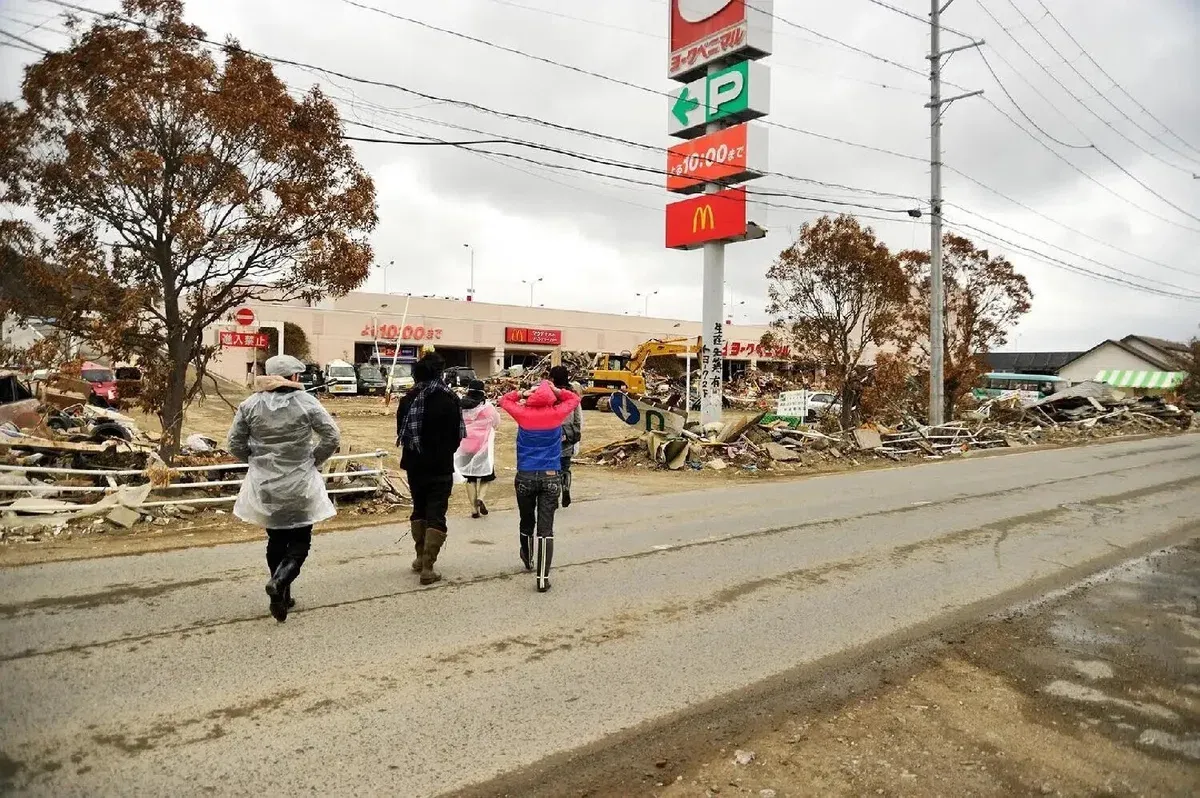
These major earthquakes not only cause buildings to collapse, but also trigger fires, landslides, and tsunamis, instantly sweeping away a variety of things from the scene. In disaster-stricken areas where lifelines are cut off, various forms of human and material support are urgently needed. Survivors of the disaster need care for the physical and mental well-being of those affected, who are living in stressful environments such as inconvenient shelters, as well as community building in the region, and the creation of industries and jobs.
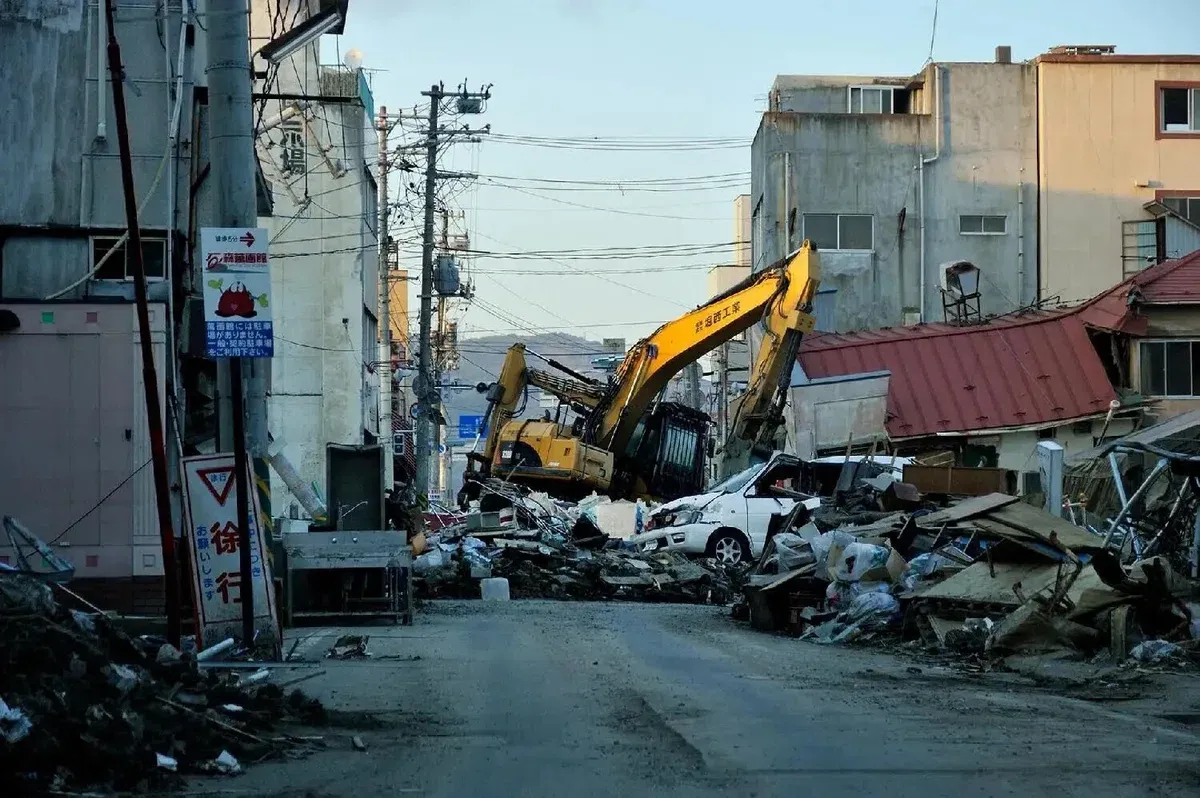
Saving lives depends on accurate preparation beforehand
What protects our lives from disasters such as earthquakes is accurate preparation beforehand. For example, just as many Japanese shrines are built in places that were spared from tsunami damage in the past, we can imagine the disasters that may occur within the next 1000 years from the records of disasters over the past 1000 years that our ancestors have left behind in various forms. In this way, including interpreting the context of the past, it is essential that we increase our knowledge of natural disasters on a daily basis and make sufficient preparations in order to survive when a disaster strikes.
Preparations can be broadly divided into two categories. One is to deepen knowledge about earthquakes and other natural disasters, and to develop the imagination to anticipate future disasters through training and other means. However, people generally don’t want to think about the worst-case scenario, which can strike at any time. To correct this psychological bias towards natural disasters and encourage people to raise their awareness and improve their knowledge of disaster prevention, it is important to design communication that promotes a positive approach to disaster preparedness.
Another important aspect is creating a resilient lifestyle to survive in the event of a disaster. This requires communication design to widely share the importance of basic preparations such as preventing furniture from toppling over, securing evacuation routes, and stockpiling supplies, as well as wisdom for surviving in extreme conditions.
Design that solves complex problems
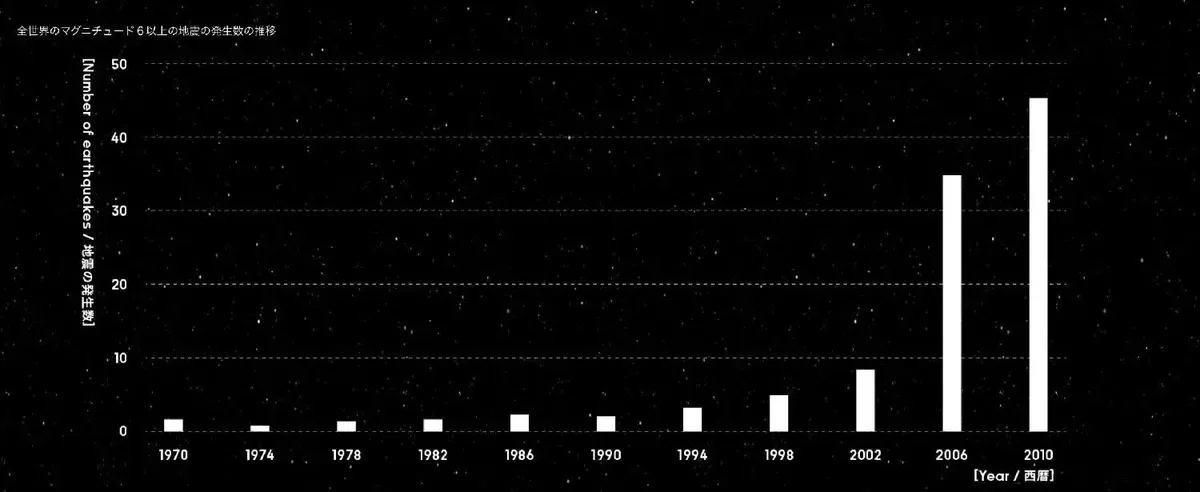
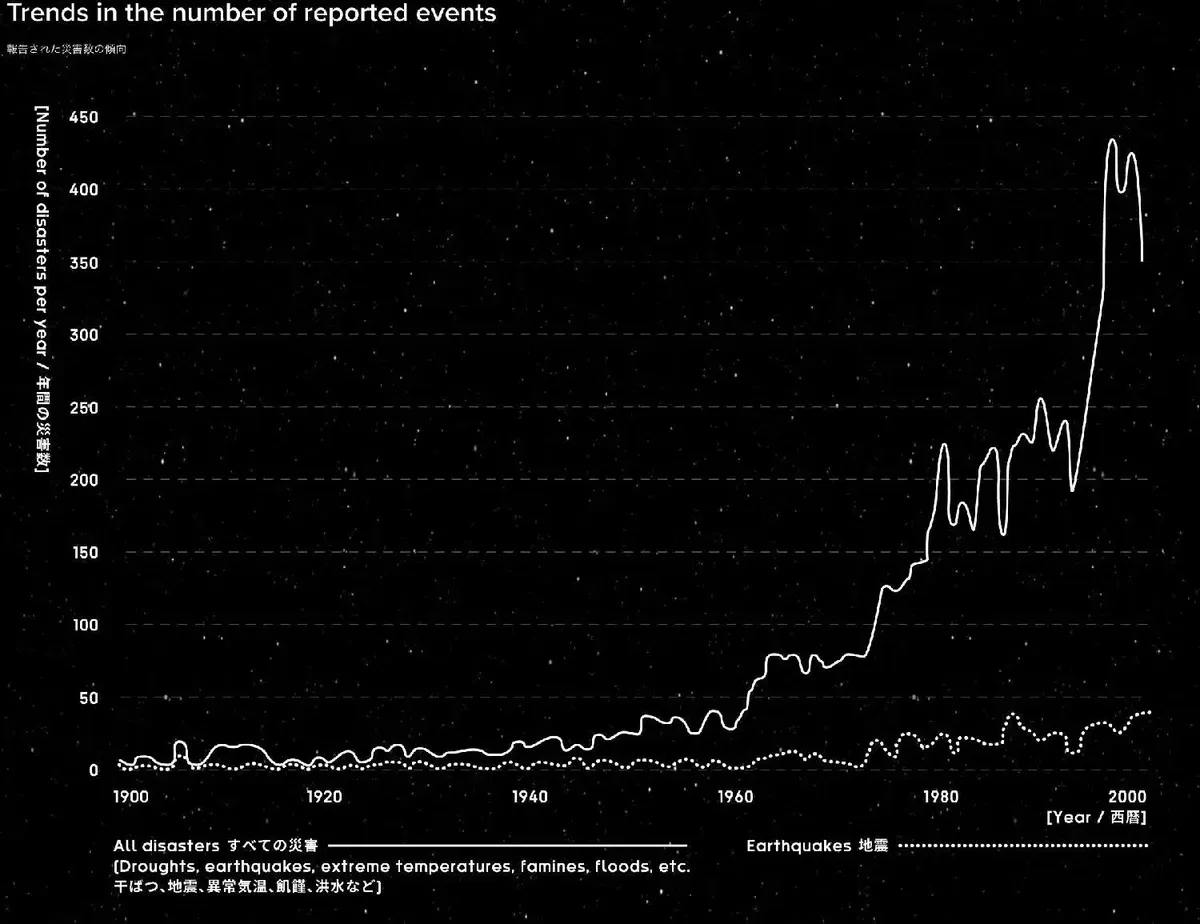
In recent years, not only earthquakes but also natural disasters associated with climate change have been rapidly increasing. Record-breaking disasters caused by hurricanes, typhoons, and localized heavy rains brought by linear rainbands are occurring almost every year around the world, and we have entered an era in which we are forced to coexist with disasters caused by raging nature.
Natural disasters are phenomena in which a vast array of social issues—including those affecting cities, industries, healthcare, welfare, and communities—emerge simultaneously. Therefore, it is essential to consider everything—clothing, architecture, cities, food, technology, and more—as subjects of design, and to design communication that can solve these complex social problems. Furthermore, in the event of a natural disaster, it is crucial to understand that needs change over time. To create a situation where people in disaster-stricken areas can regain their smiles, it is necessary to provide timely designs that function effectively in each phase, such as disaster prevention, stockpiling, and job creation.
HOW#01:OLIVE
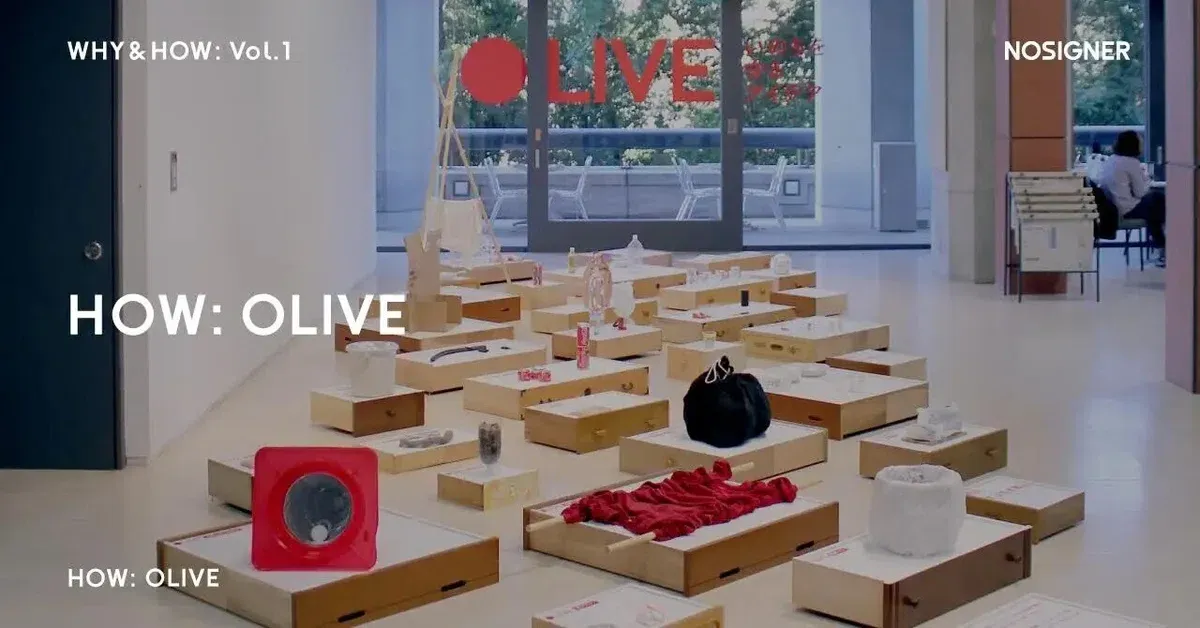
A wiki for sharing useful information during disasters
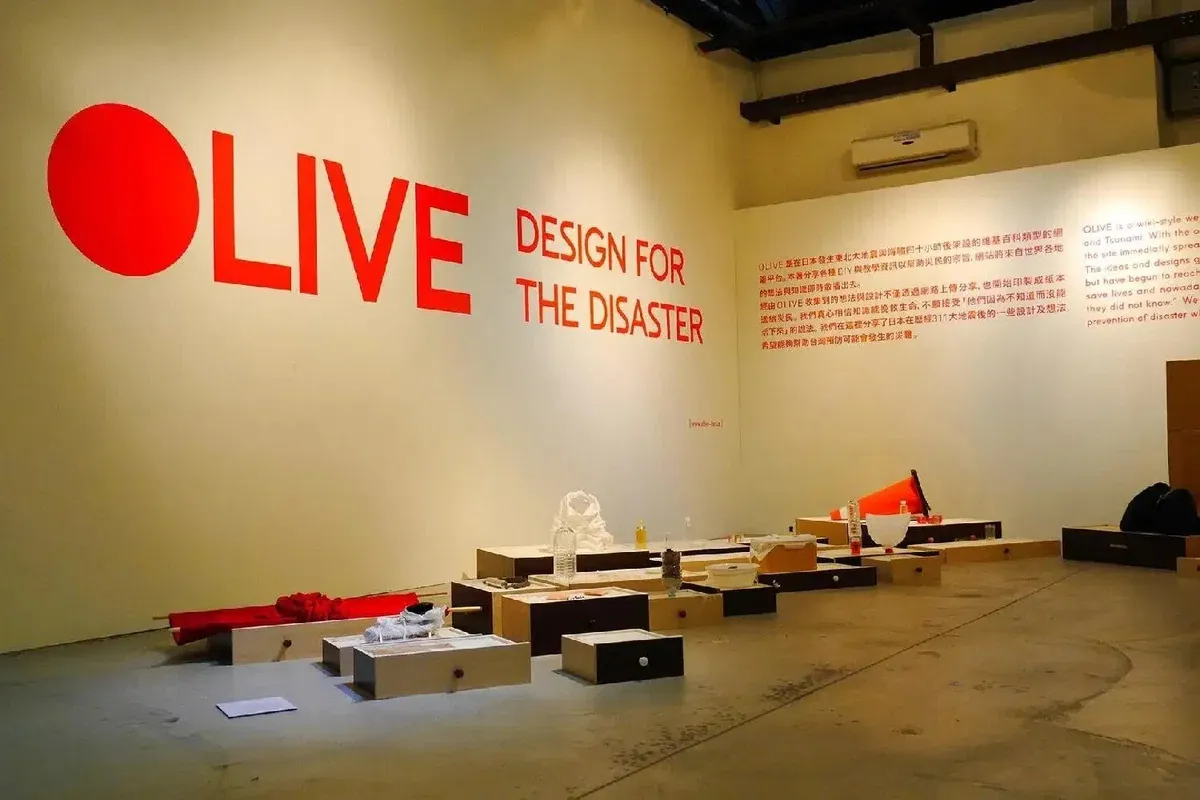
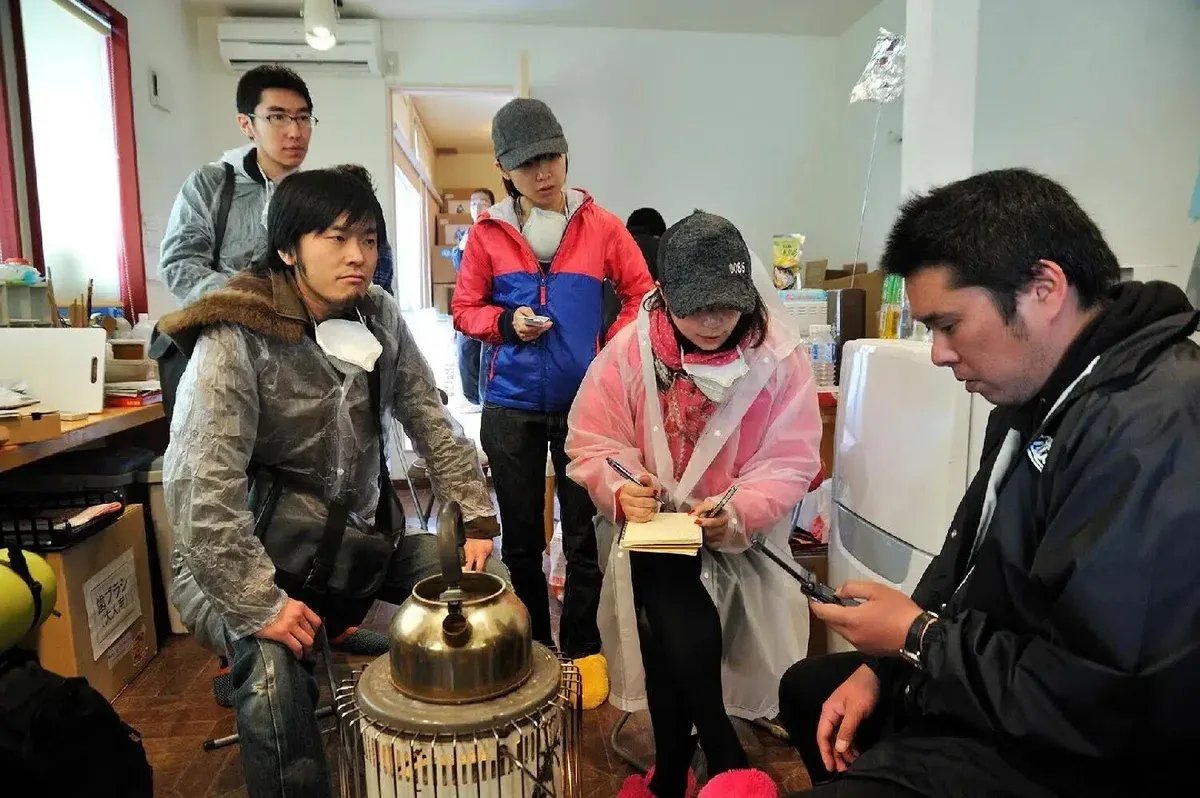
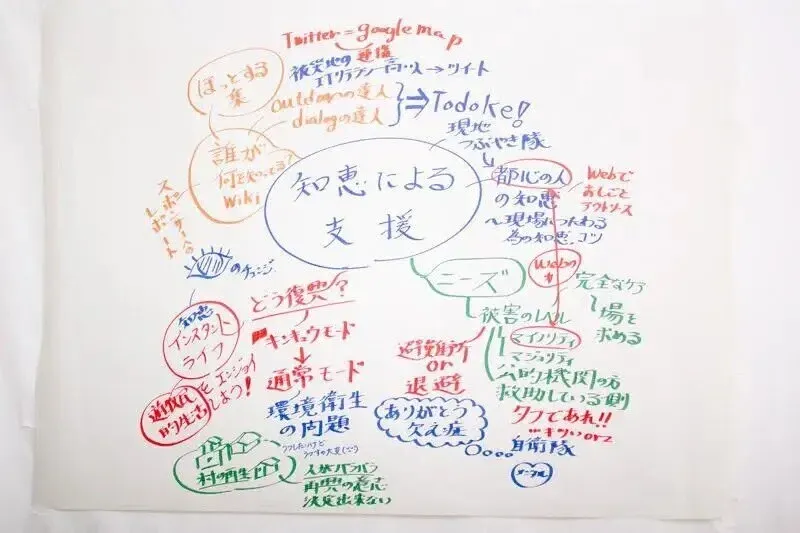
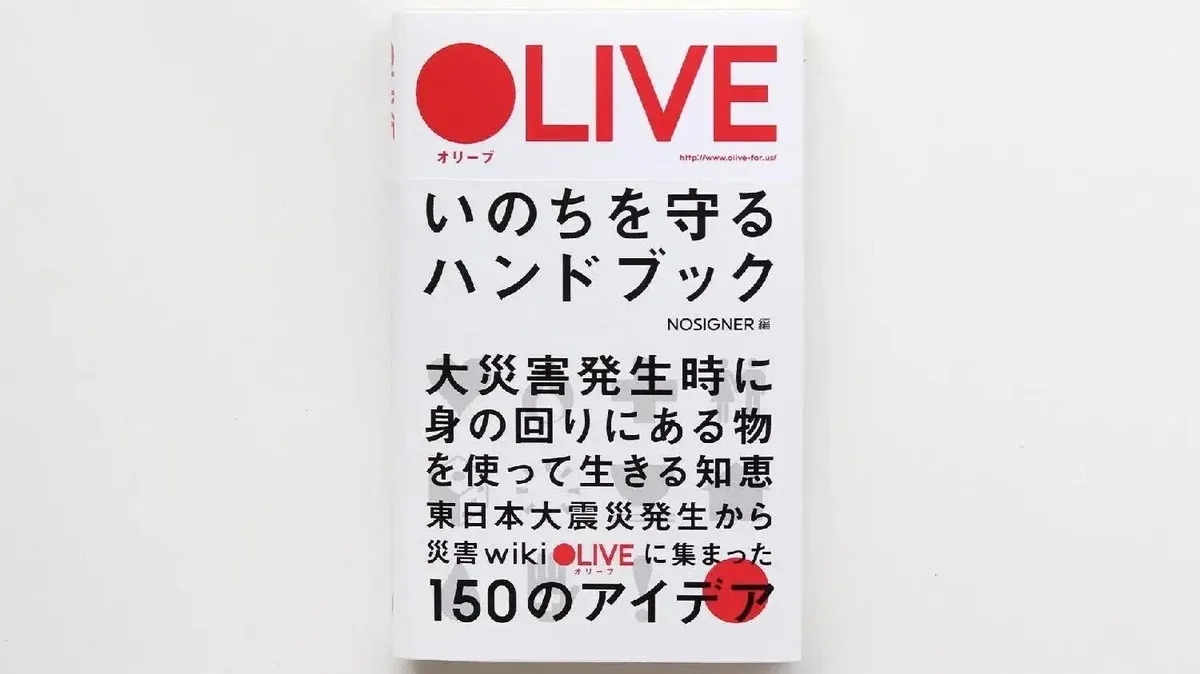
“OLIVE” is a wiki site that collects and shares useful knowledge during disasters. It was launched by Eisuke Tachikawa, representative of NOSIGNER, 40 hours after the Great East Japan Earthquake on March 11, 2011, in response to the urgent need to provide immediate relief to victims whose lifelines had been cut off. After the Great East Japan Earthquake.
, we searched the internet for ways to help, and what we discovered was that there were so many people who, like us, wanted to help the affected areas. These people were each sharing information, but because it was such a massive disaster, the speed of information on the internet was so fast that useful information quickly disappeared from the timeline. Therefore, we decided to create a wiki as a place to store useful information.
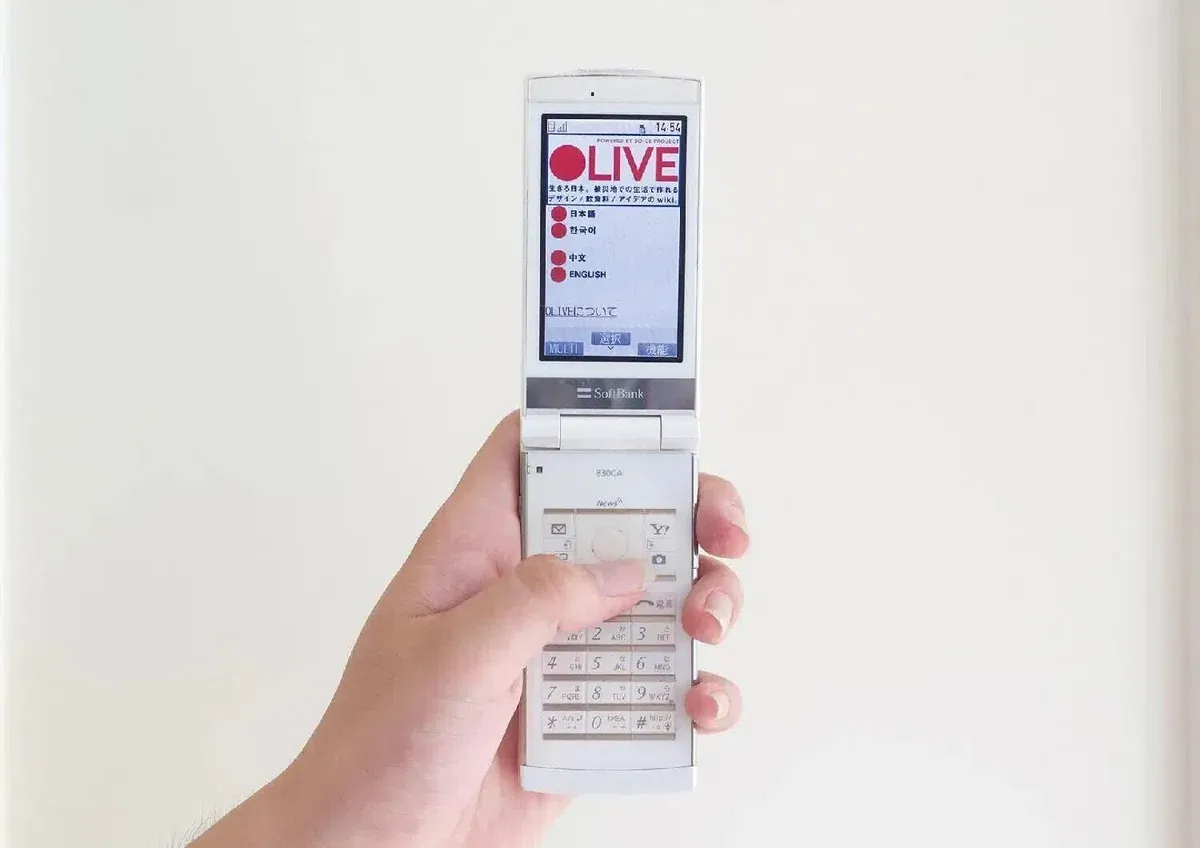
It has developed into one of the world’s largest disaster prevention projects
With the wish to “Live, Japan,” the website was named “OLIVE,” combining “O” (representing the Japanese flag/Japan) and “LIVE.” It quickly attracted around 200 like-minded individuals who wanted to help the disaster-stricken areas. Ideas for easily creating essential items from everyday objects in resource-scarce disaster zones poured in from around the world.
The site achieved 1 million page views in just three weeks, and thanks to dissemination by the Ministry of Health, Labor and Welfare, television stations, and newspapers, it is estimated that OLIVE-derived information reached at least 10 million people. With the cooperation of volunteers, OLIVE’s information was translated into English, Chinese, and Korean, developing into a database of disaster preparedness utilizing collective intelligence.
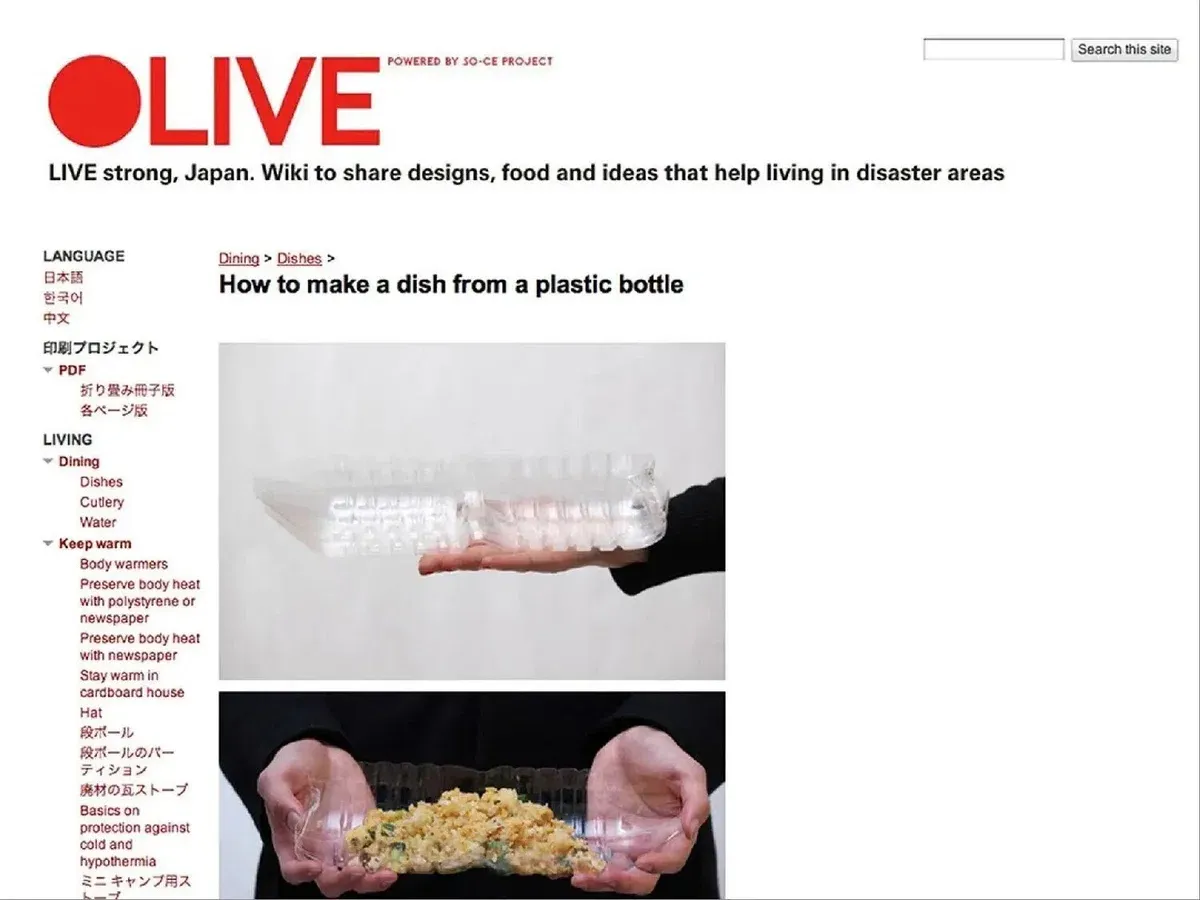
To protect precious lives in case of an emergency
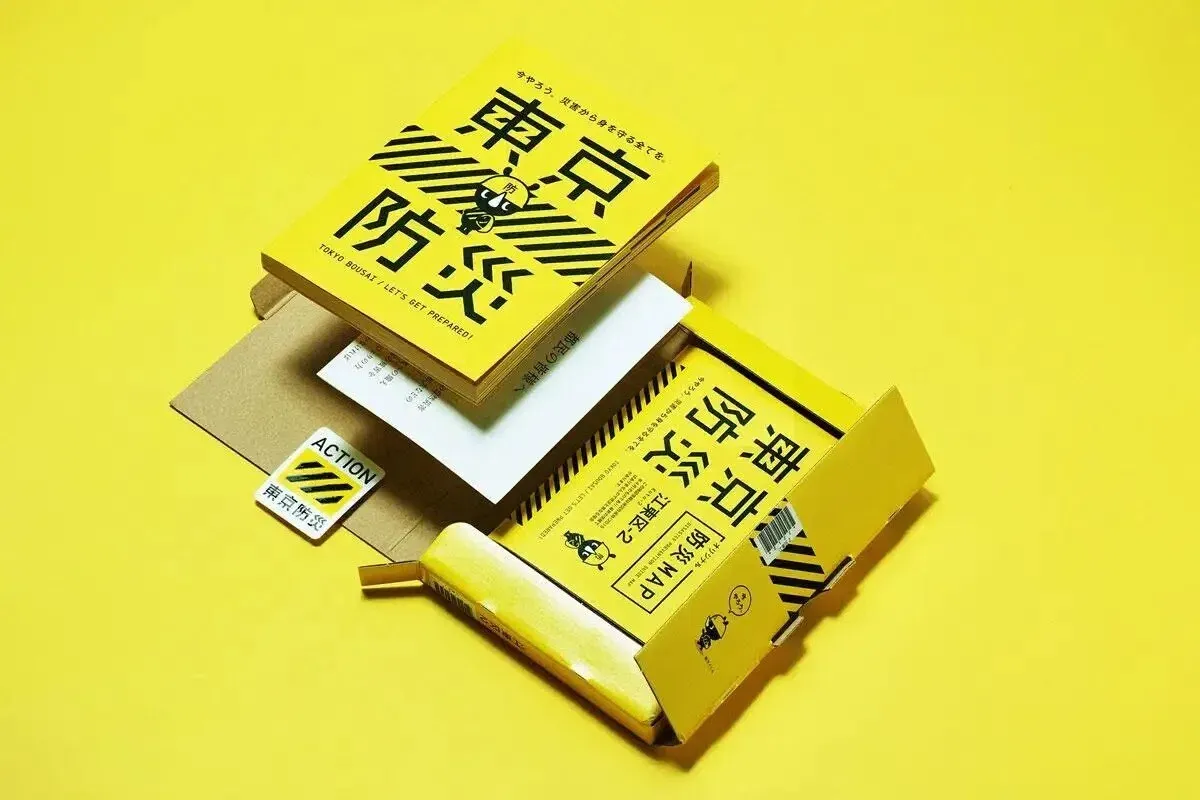
In 2013, the disaster preparedness kit ”
We will continue to make full use of the power of communication design to convey disaster prevention in an enjoyable and easy-to-understand way, and we will continue our activities to increase the number of people who are prepared to protect their own lives and the lives of their loved ones in the event of an emergency.