PROJECT
EVOLUTIONAL CREATIVITY
Creative methodology learning from biological evolution. Adopted by 70+ companies and universities, winner of Yamamoto Shichihei Prize. Translated into Chinese, Korean, Indonesian, spreading globally.
HOW
Systematizing creativity education using biological evolution.
Human creativity is so special that it can be called a paranormal phenomenon in the natural world. Among the tens of millions of species in the 3.8 billion-year history of life on Earth, there are no other species that have demonstrated our level of creativity. Since we humans are also a part of nature, our creativity should also be regarded as a natural phenomenon.
Meanwhile, when we look at the shapes and forms in nature, we may think nature is even more creative than humans. Why is this?
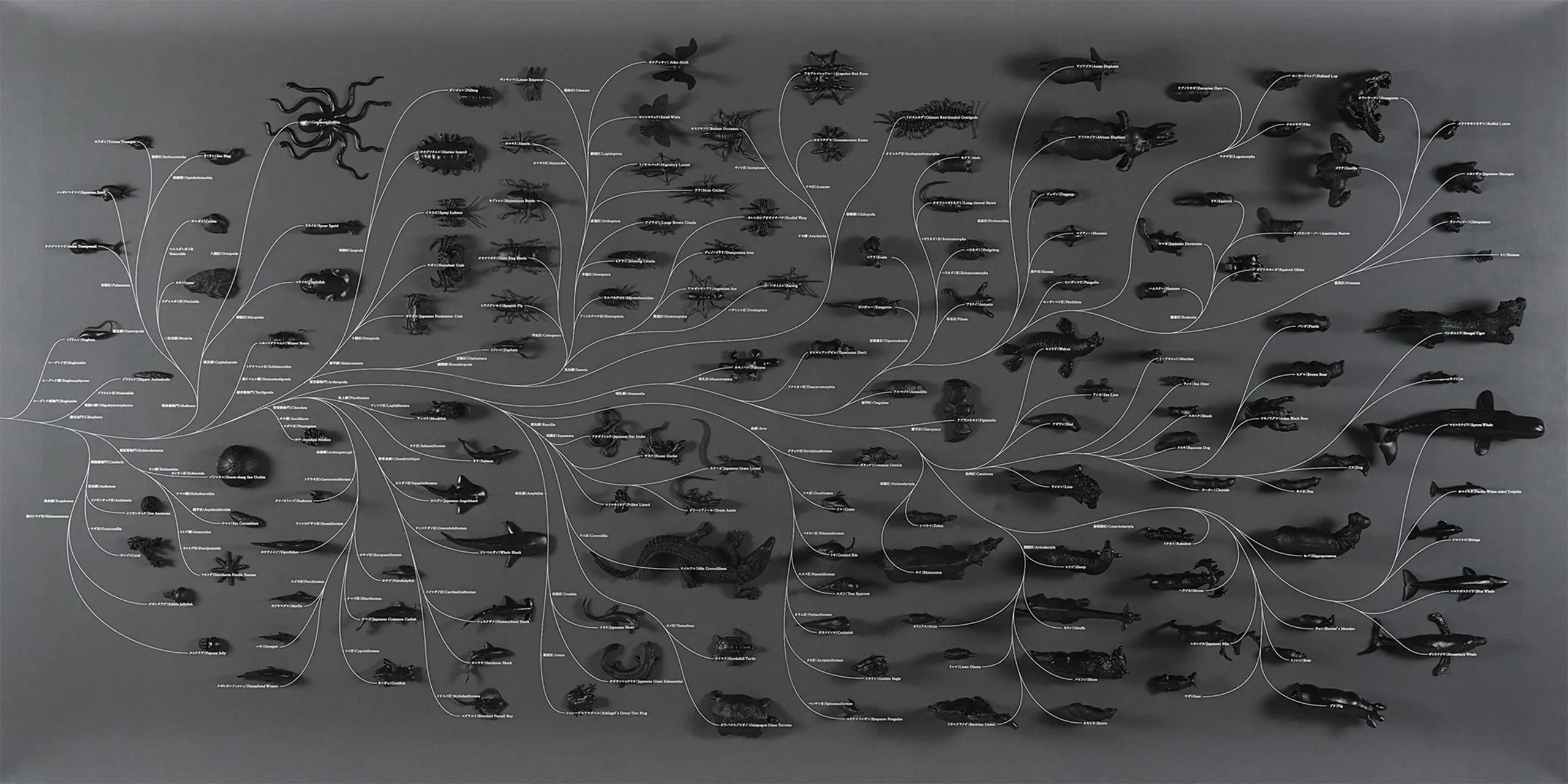
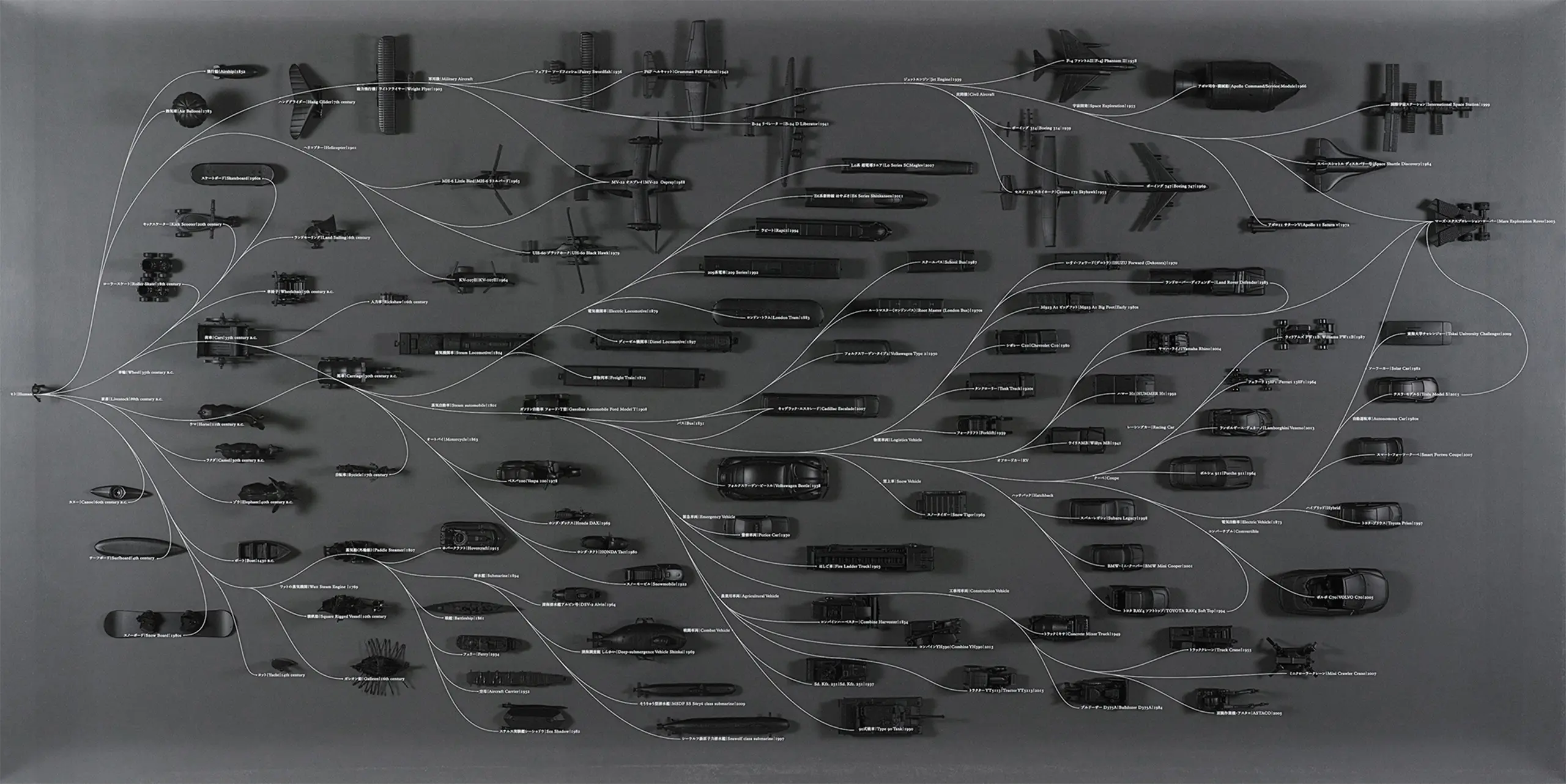
From this perspective, Eisuke Tachikawa, the head of NOSIGNER, thinks that human creativity is a phenomenon similar to the evolution of living things. He has continued to try and structure creativity based on natural evolution. He has thereby come up with Evolutional Creativity, a systematized, creative thinking method that applies the workings of the evolution of living things to design and innovation.
Living things evolve by mutations which occurs by coincidence and by selections which occurs by necessity due to environmental factors and other conditions. These two processes recur genetically for generations.
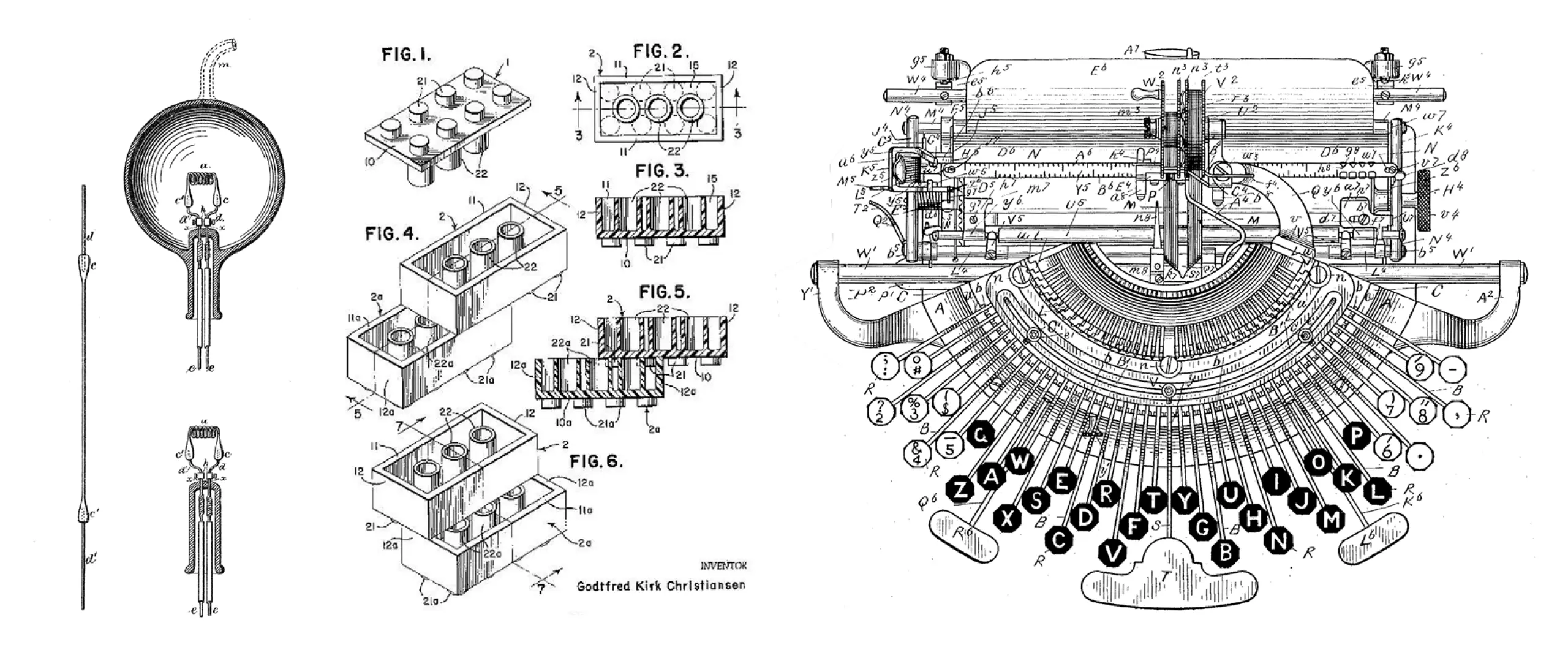
If our creativity works in the same way, then many of humankind’s inventions and innovations that have revolutionized the world can be attributed to these alternating processes caused by coincidence and necessity. There is no conscious intention in both the coincidental and necessary processes. The two processes simply alternate between themselves to get closer to the optimum adaptation.
Creativity is something that occurs autonomously without depending on the creator’s conscious intention. Based on this idea, Evolutional Creativity is the process of alternating between Mutated ideas born from crazy and unconventional coincidence and Selective ideas born out of the necessity to adapt to current conditions. This alternating creativity process goes on for generations.
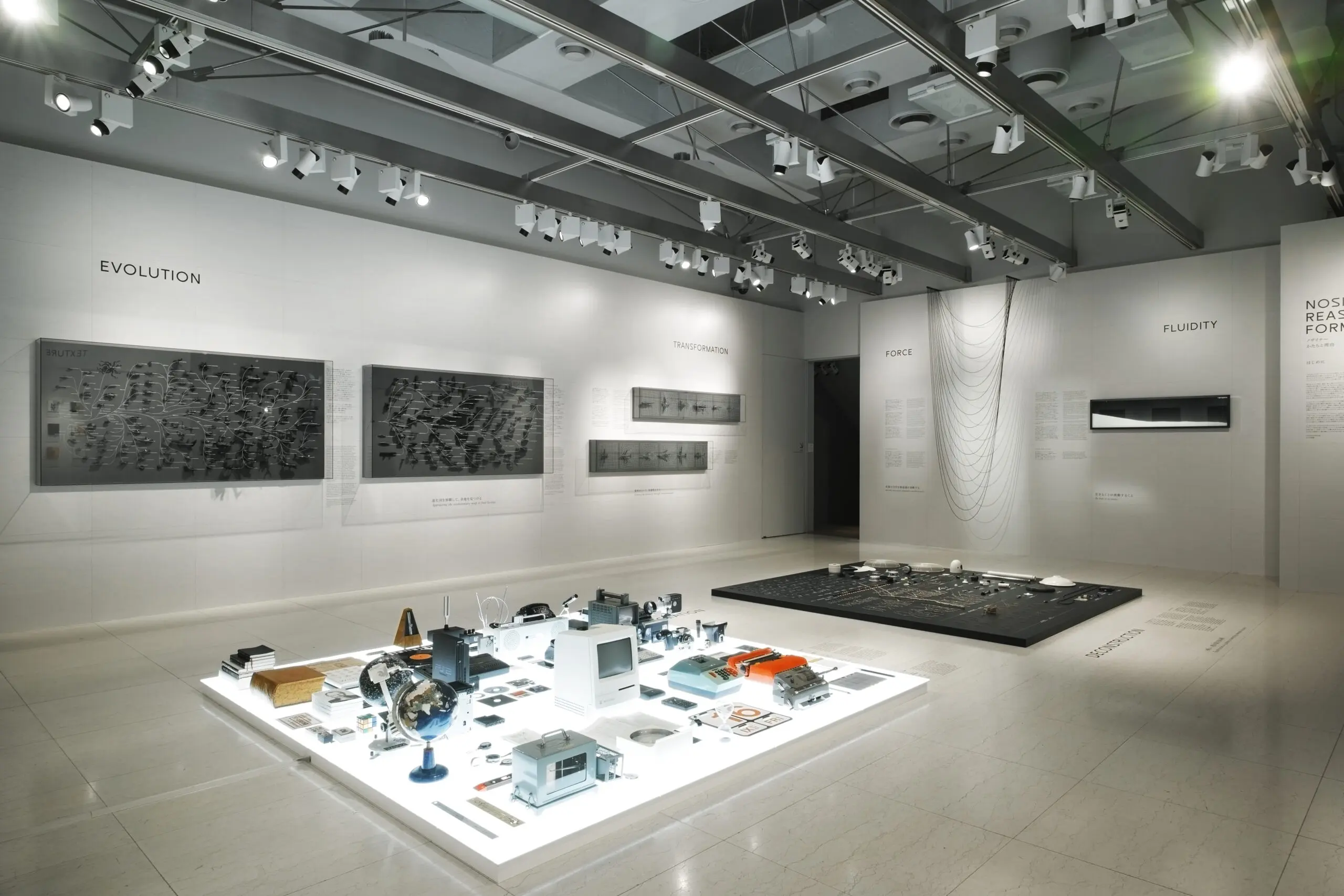

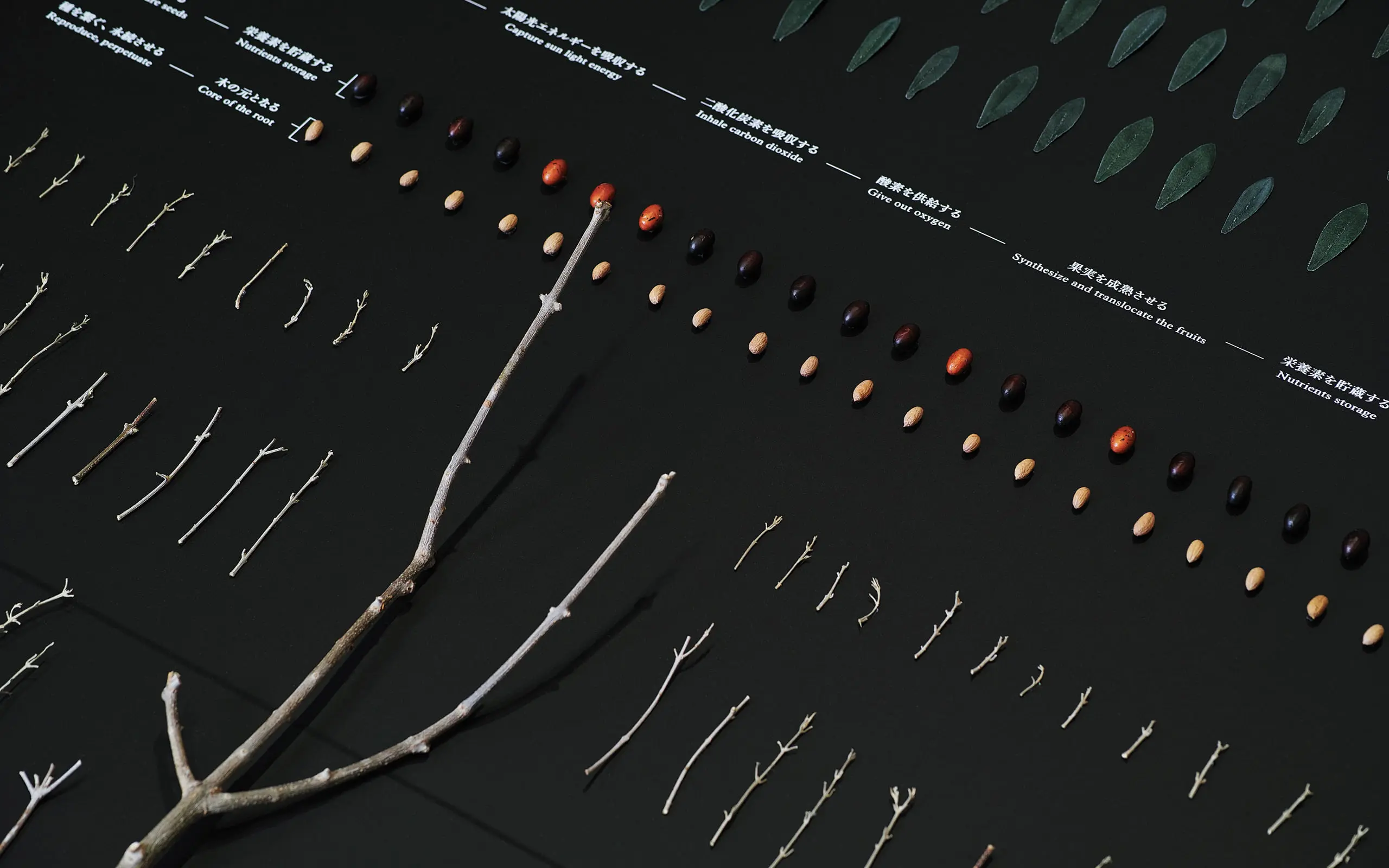
Tachikawa has been studying the connection between design and language, and he believes the source of human creativity comes from language. And the key to the evolution of living things is the mutation of the DNA which is very similar to language.
DNA copying errors can be likened to the mispronunciation and mishearing of language. Based on this assumption, Tachikawa theorizes that evolution and creativity produce similar patterns of mutation.
Similar patterns found in the evolution of living things are also evident in diverse human inventions and cultures. Evolutional Creativity applies these similar patterns to the creative process. The errors resulting in new ideas are categorized into nine types.
By using the nine mutation patterns of Variate, Disappear, Integrate, Reverse, Separate, Substitute, Assimilate, Transit, and Proliferate as tools from a toolbox, we can generate a large number of coincidental errors to create many ideas in a short amount of time. These are mutated ideas.
So how do we select a good idea from these types of errors? In the natural world, we can observe how living things make selections to adapt to their environment. If we learn from the natural scientist’s long-refined approach to observing the natural world, we might be able to select adaptative ideas.
While studying different observation methods in the natural sciences, Tachikawa noticed that there were only four perspectives encompassing both time and space. Each one was an established, biological observation system.
The four perspectives are Anatomy to understand internal parts, Ecosystem to understand the external environment, Lineage to understand the development of the genealogy, and Prediction to contemplate the future with the two Forecast and Backcast approaches. He systematized these four Adaptative methods and named them Spatial-Temporal Learning. By analyzing the conditions through these four perspectives encompassing time and space, we can understand how society is pressured into making the inevitable choices it makes. We can then counter them accordingly by selecting solid ideas.
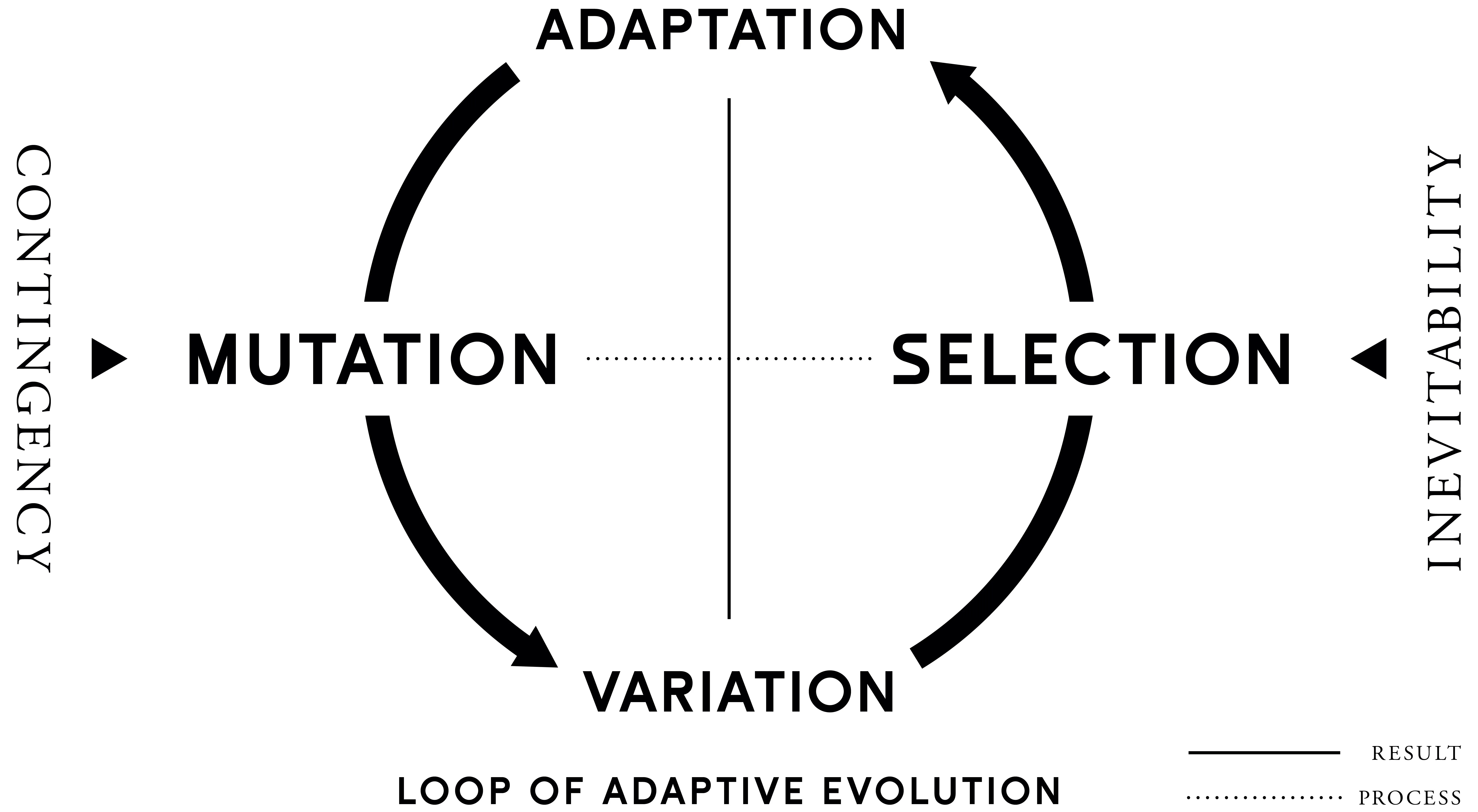
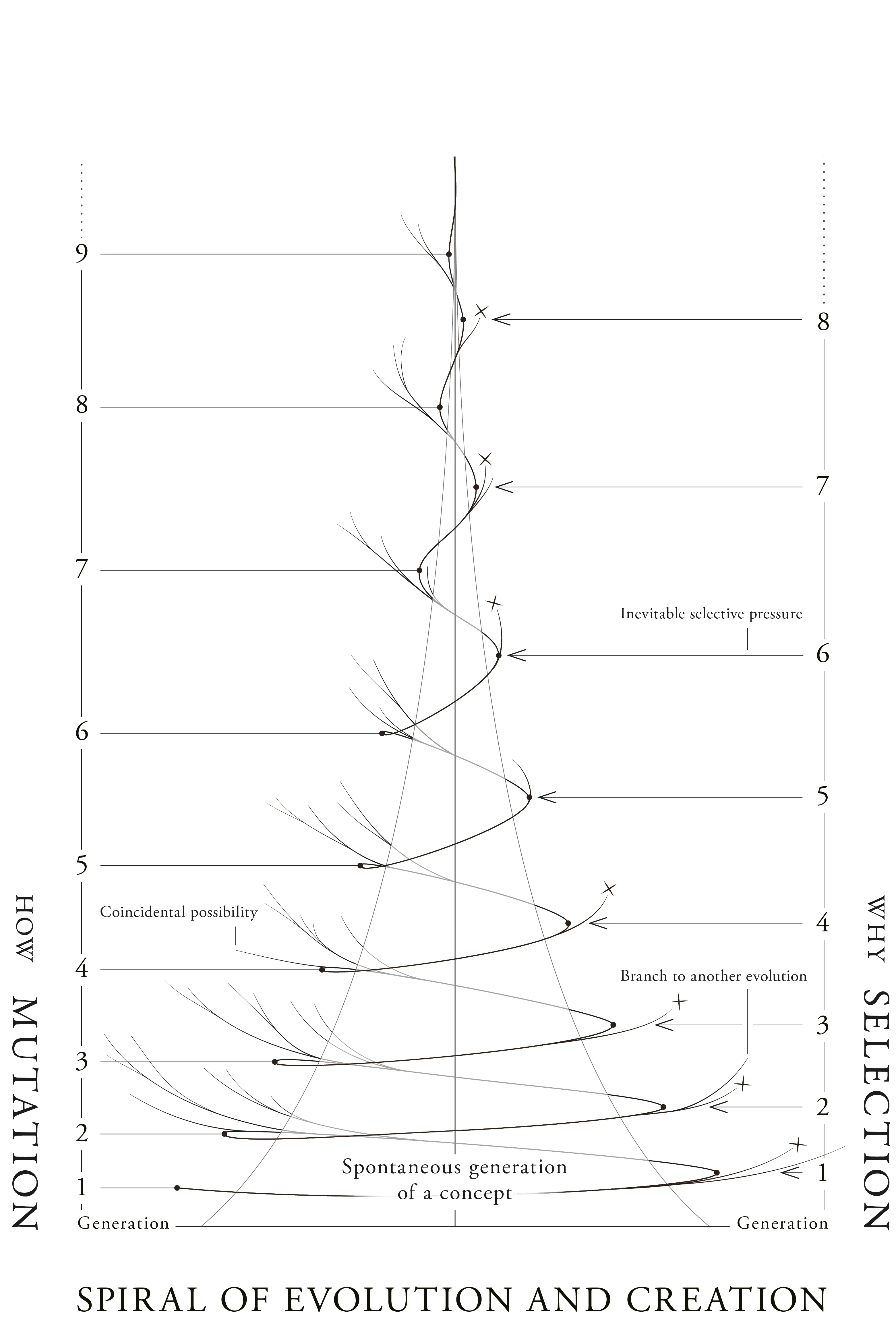
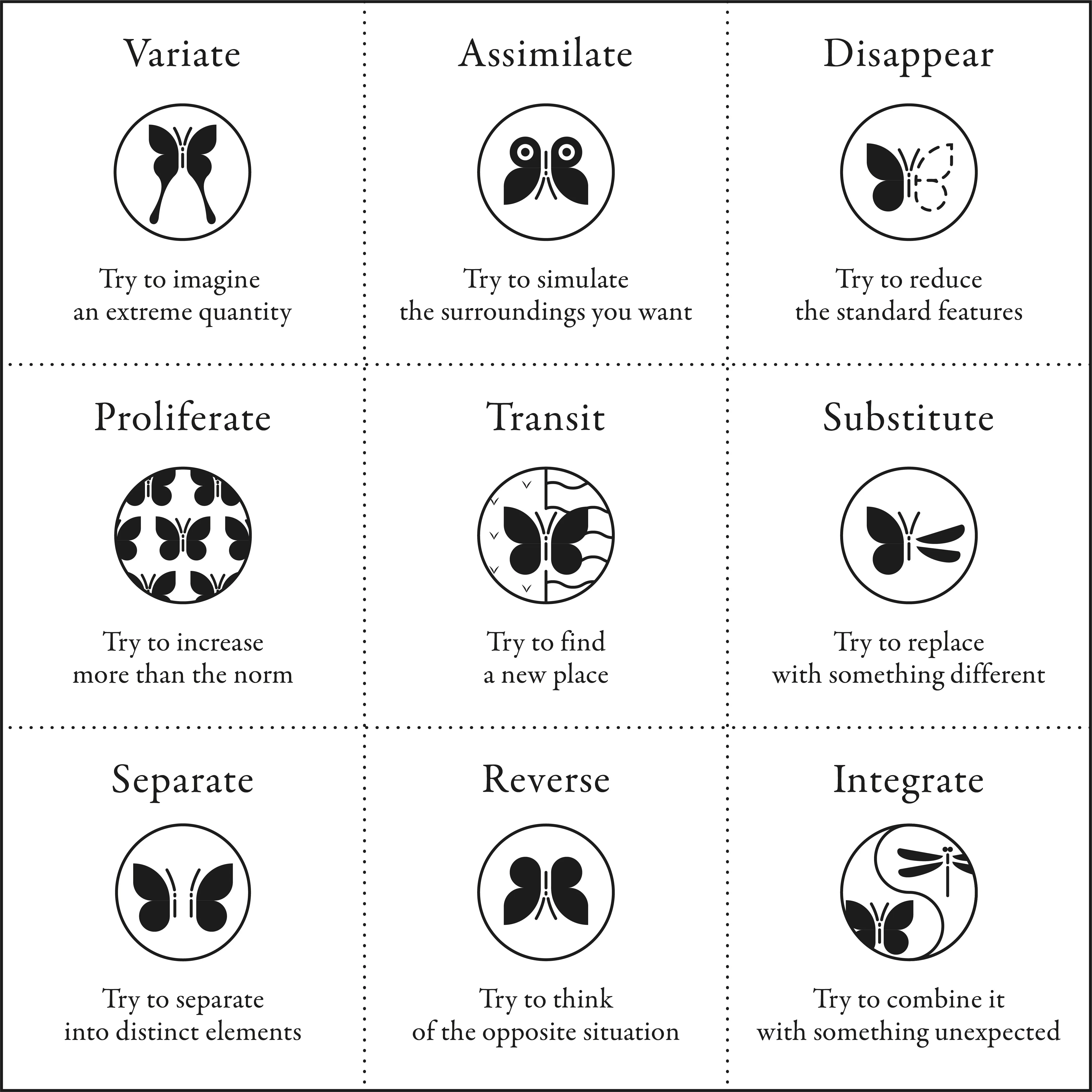
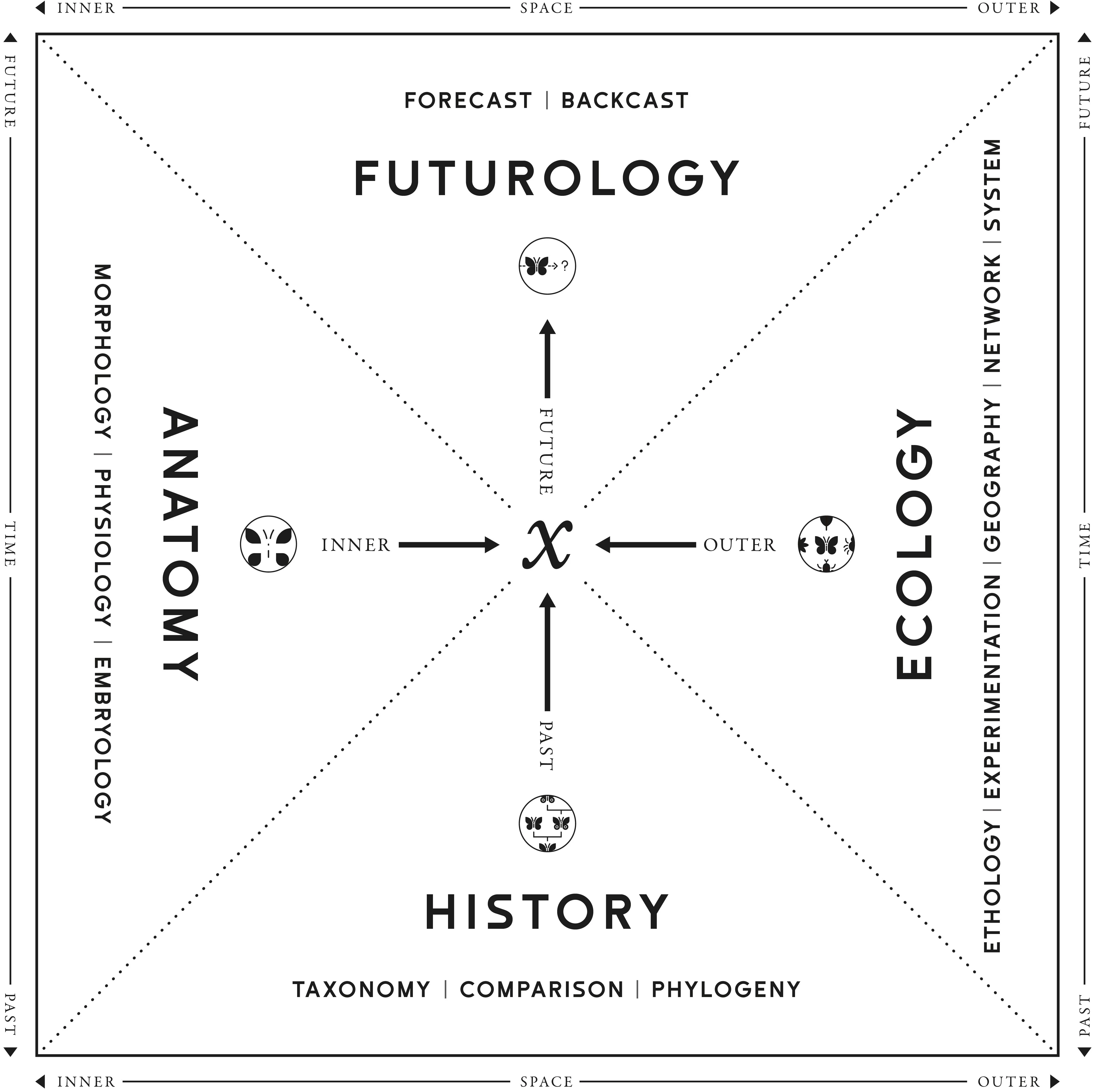
Evolutional Creativity is a way of thinking to conjure up creative concepts that can survive for a ong time while using and alternating between the two ideas of Mutation and Selection.
(The first edition of the book Evolutional Creativity used the expression “mutation and adaptation” in reference to the coincidental mutation and natural selection aiming for adaptation. However, the revised edition has changed the expression to “mutation and selection” to be more in line with academic correctness.)
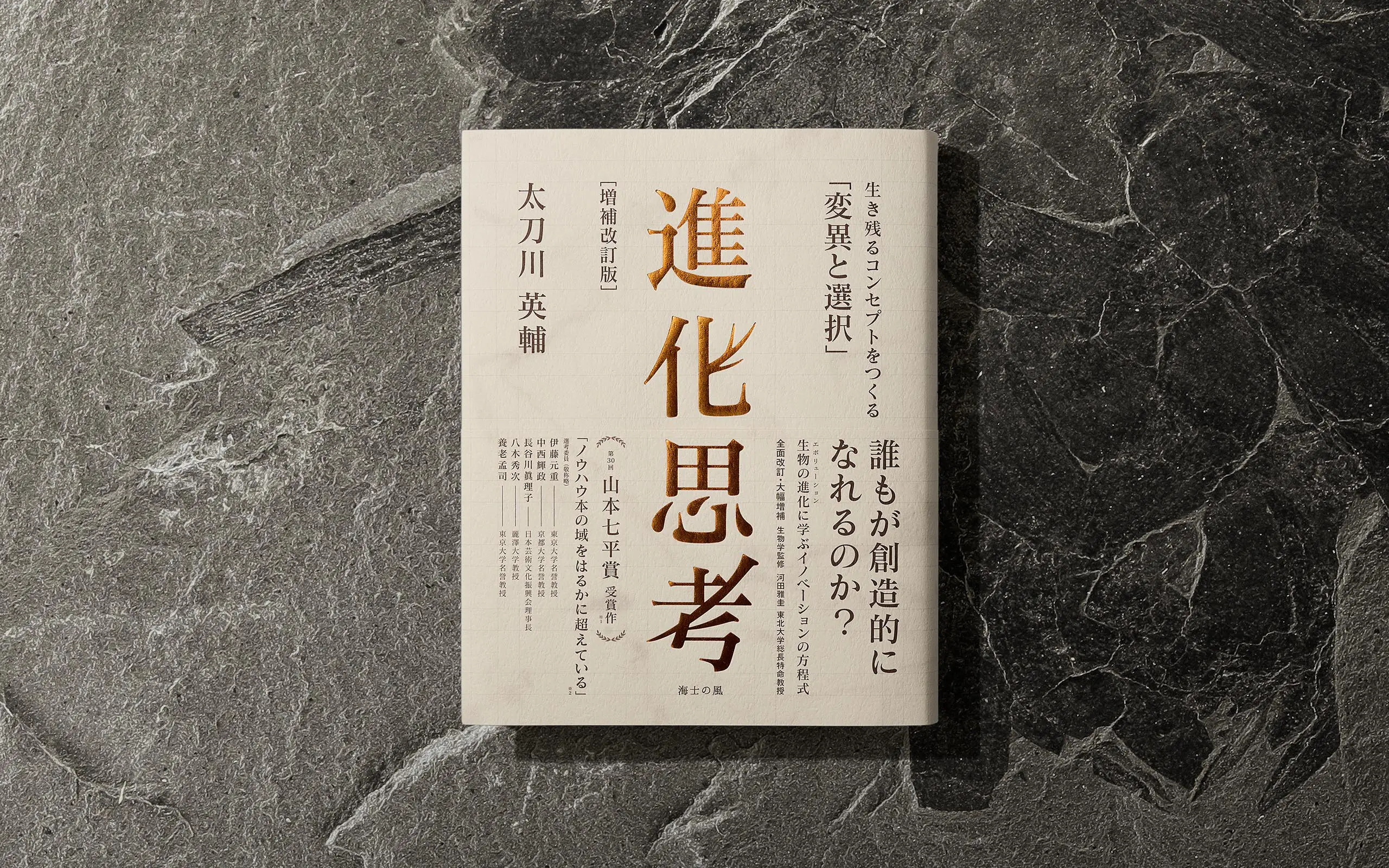
In April 2021, Evolutional Creativity went on sale as the first book published by Amanokaze, the first publisher to be founded in Ama, Shimane Prefecture, on a remote island with a population of about 2,000 near the national border. Despite being published in a remote location, the book became Amazon Japan’s No. 1 bestseller in the Business & Economics category. Within one week of its release, it sold 30,000 copies in three printings. Book sales have continued to expand widely.
The book has also won numerous awards in Japan. One of them was the Yamamoto Shichihei Prize, a prestigious academic award given once every few years to humanities books that epitomize Japan. The selection committee consisted of two biologists (anatomist Takeshi Yoro and evolutionary biologist Mariko Hasegawa), social science economist Motoshige Ito, political scientist Terumasa Nakanishi, and legal scholar Hidetsugu Yagi. The book received academic acclaim beyond the humanities and sciences.
With Evolutional Creativity, we want to prove that we can change the world even from a remote location. We also want to spread this new creativity education program to the world.
VOICE
Evolution follows a variety of recognized laws. The author draws on these laws as a foundation, aiming to provide valuable reference material for so-called innovation.
While the specifics of each case are best explored by reading the book itself, the originality of the idea—applying evolutionary principles to thinking about innovation—far surpasses that of a typical how-to guide. The examples presented in each section are vivid and engaging, making the book enjoyable as a read. This reflects the author’s continuous and relentless thinking.
The 3.5 billion years of biological evolution on Earth have led to us, shaping who we are today. If that process was guided by certain laws, there is no reason those same laws could not serve as a reference for the processes yet to come.
The author’s approach is essentially analogical. Konrad Lorenz, the ethologist, once remarked in his Nobel Prize lecture that his method was purely analogical. In the academic world, which often emphasizes “originality,” few would admit this. Yet in contexts where originality is prized—such as in innovation—the significance of analogy becomes clear. In this sense, this work is highly valuable and deserving of the Yamamoto Shichihei Award.
Yoro Research Institute, Ltd. /
Professor Emeritus, The University of Tokyo
Takeshi Yoro

About Book Design
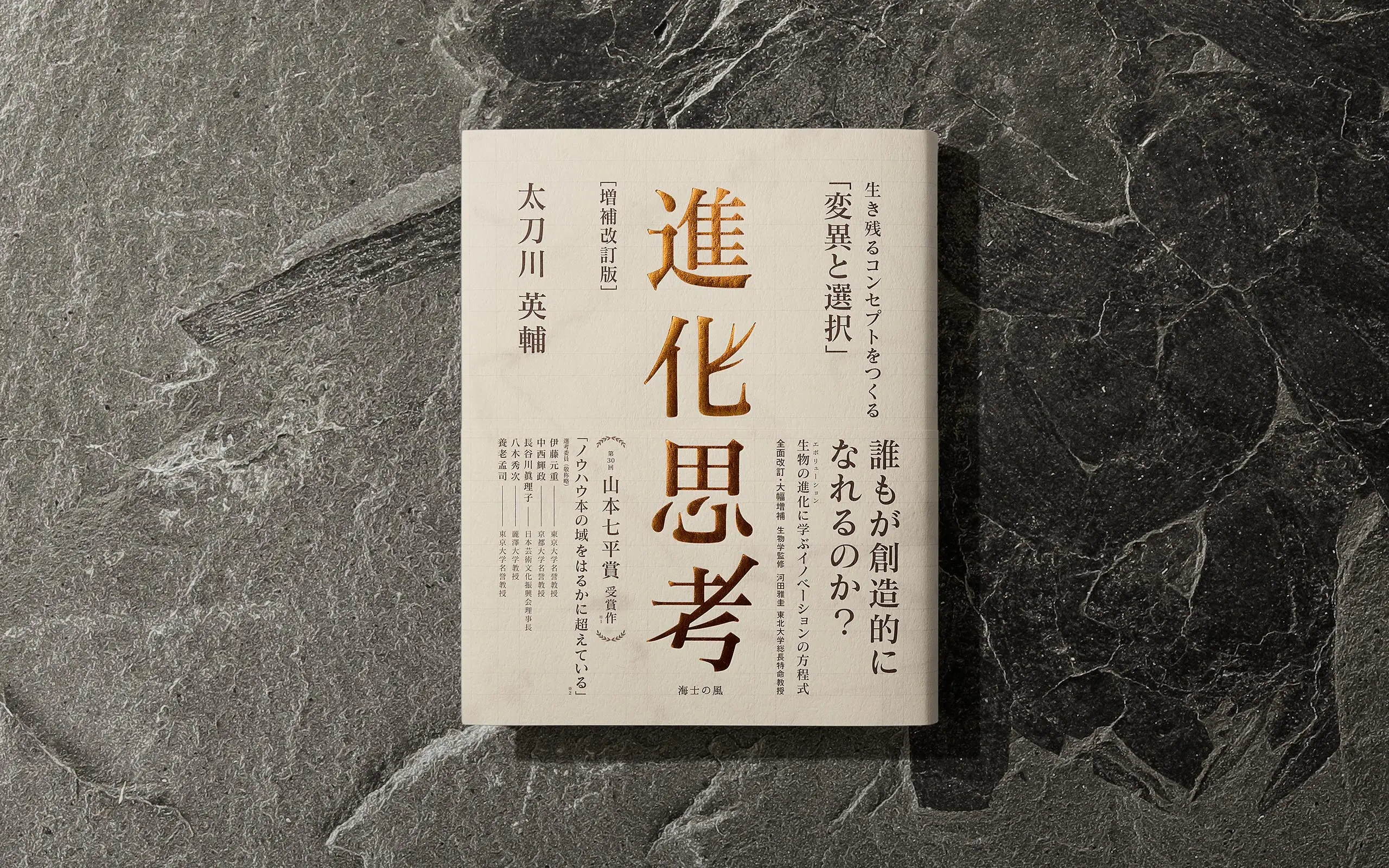
The book was designed by Tachikawa, the author himself.
He wanted the book to continue to be beloved beyond the current times. Inspired by geological strata built up for eons, he decided on a rock-like design and texture. It was also a tribute to the geological research of James Hutton who influenced Charles Darwin’s Theory of Evolution.
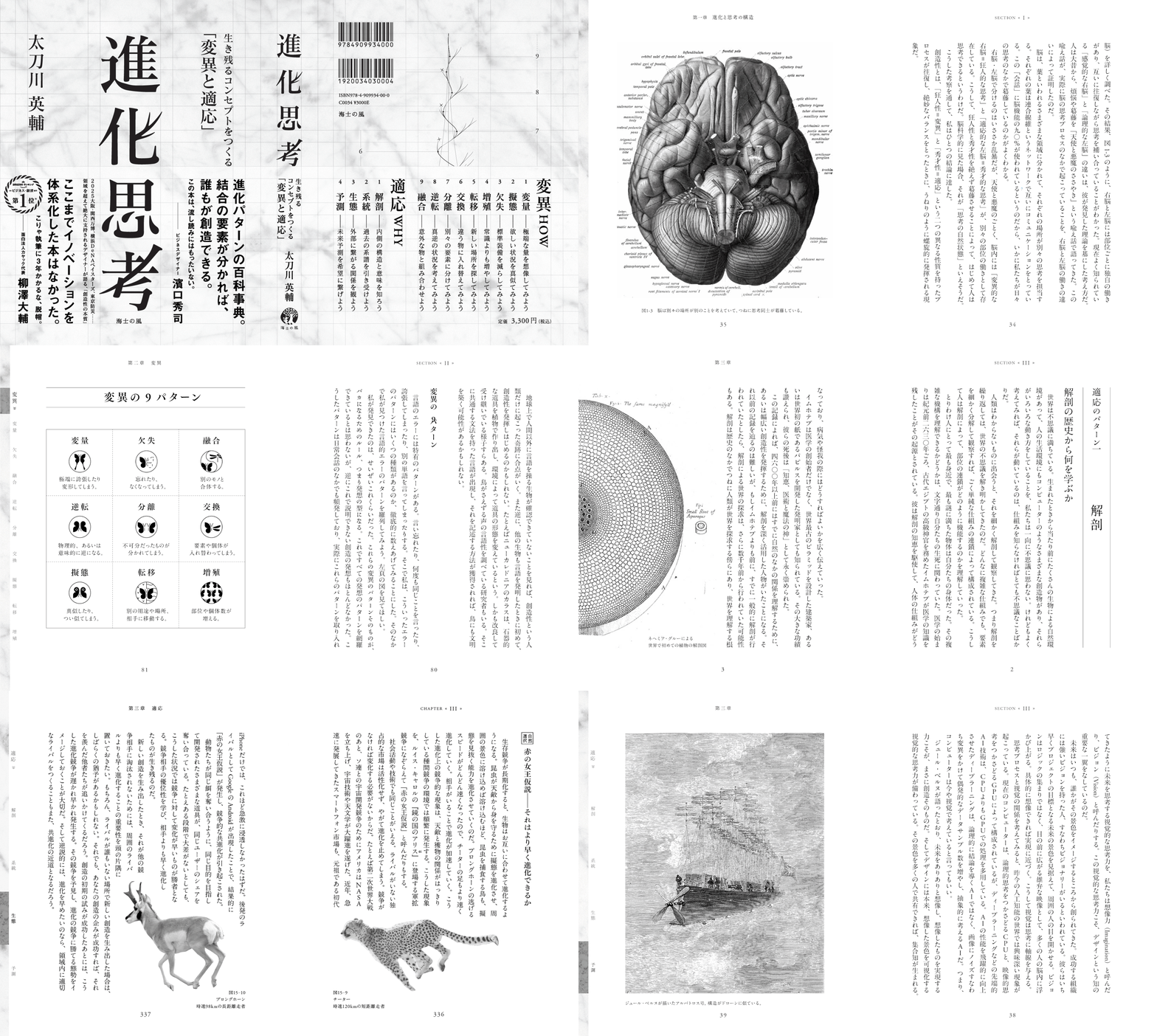
The book cover uses an embossed patterned paper (named “Iwa-hada” or rock surface) with a rock-like texture, on which a marble pattern is printed. As the book edges also have the same marble pattern, the 500+ page book looks like a thick and solid stone brick. Also, by eliminating decorative elements as much as possible and having a minimalist design, a uniform color tone is maintained. It is a timeless, attractive book design unswayed by any design trends.
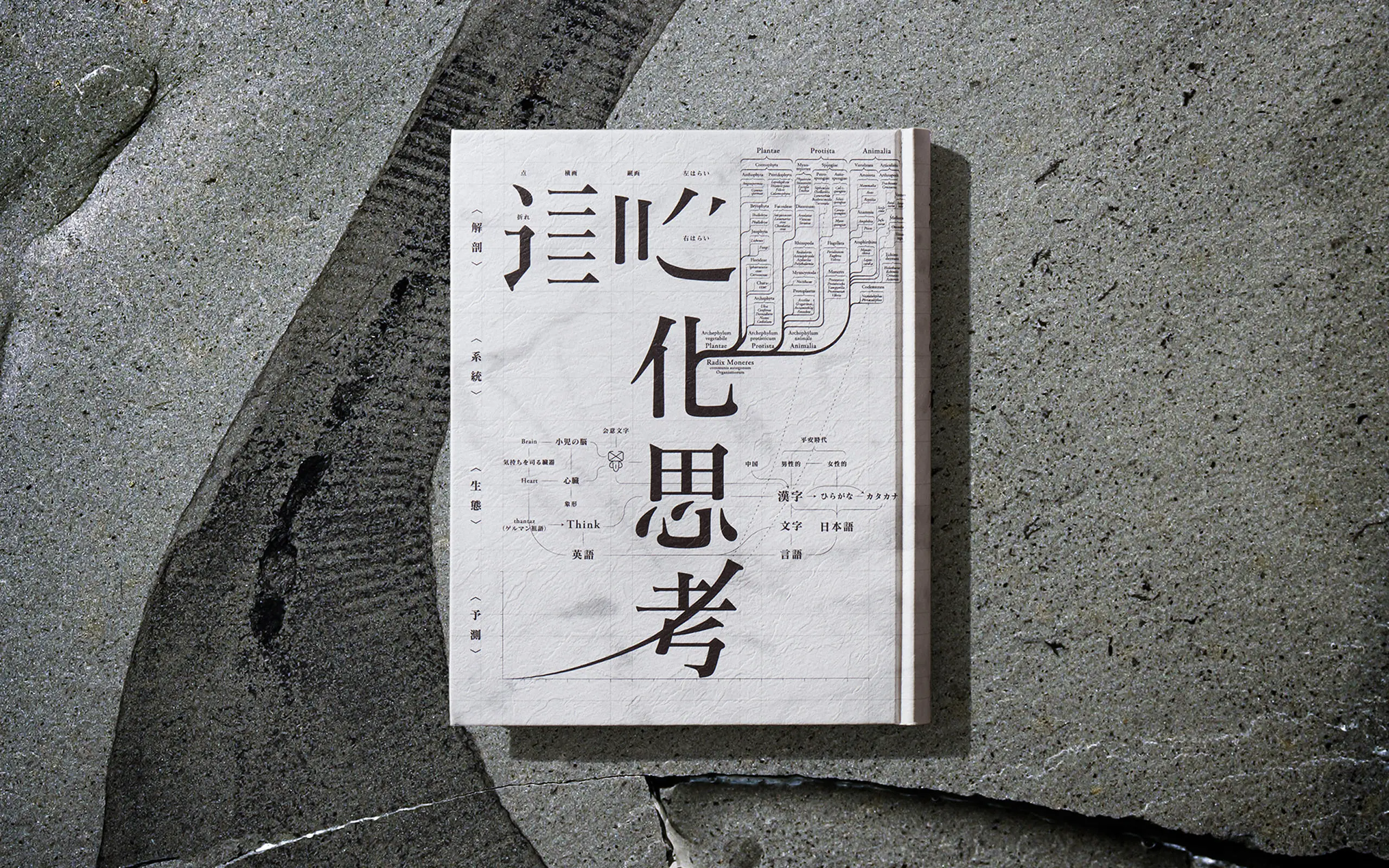
The book’s title logo shows the four kanji characters (進 化 思 考) in transition based on the Evolutional Creativity mutation patterns of Proliferate, Assimilate, Reverse, and Variate. When the paper cover is removed, the book cover shows the same four kanji characters as visual representations of the four ideas of spatial-temporal learning: Anatomy, Lineage, Ecosystem, and Prediction.
The printed logo might look black when looking straight from above, but it appears brown when looking from an angle. This effect was created through the Murata Kimpaku Company’s “coffee brown” hot stamping foil and is designed to look like faintly sparkling jewels embedded in the marble.

As Tachikawa is both the book designer and author, he could effectively design the typesetting of the main content by using wrap-around text to integrate the illustrations into the text. The book index also has a marble pattern to make it easier to find topics and reread the text.
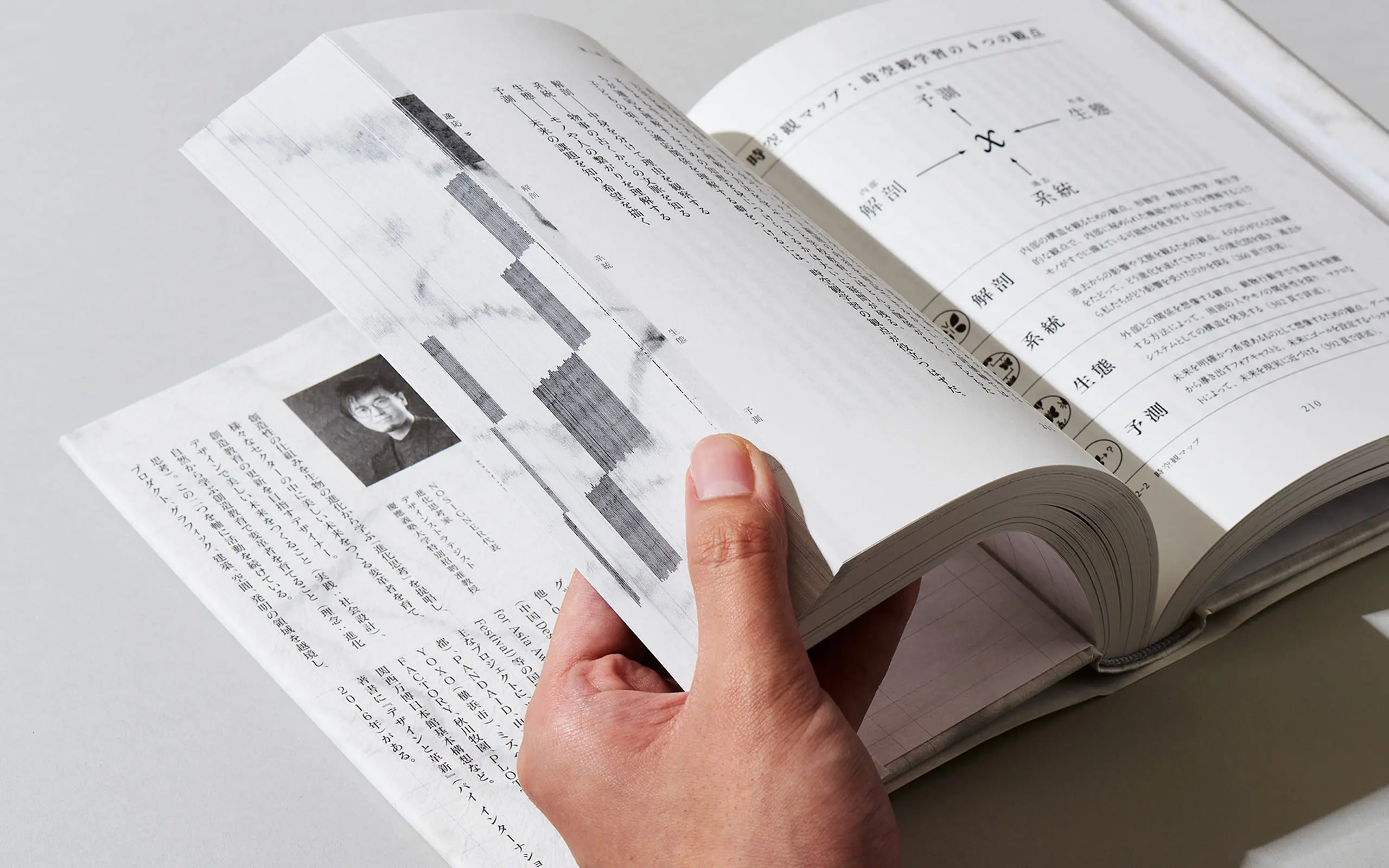
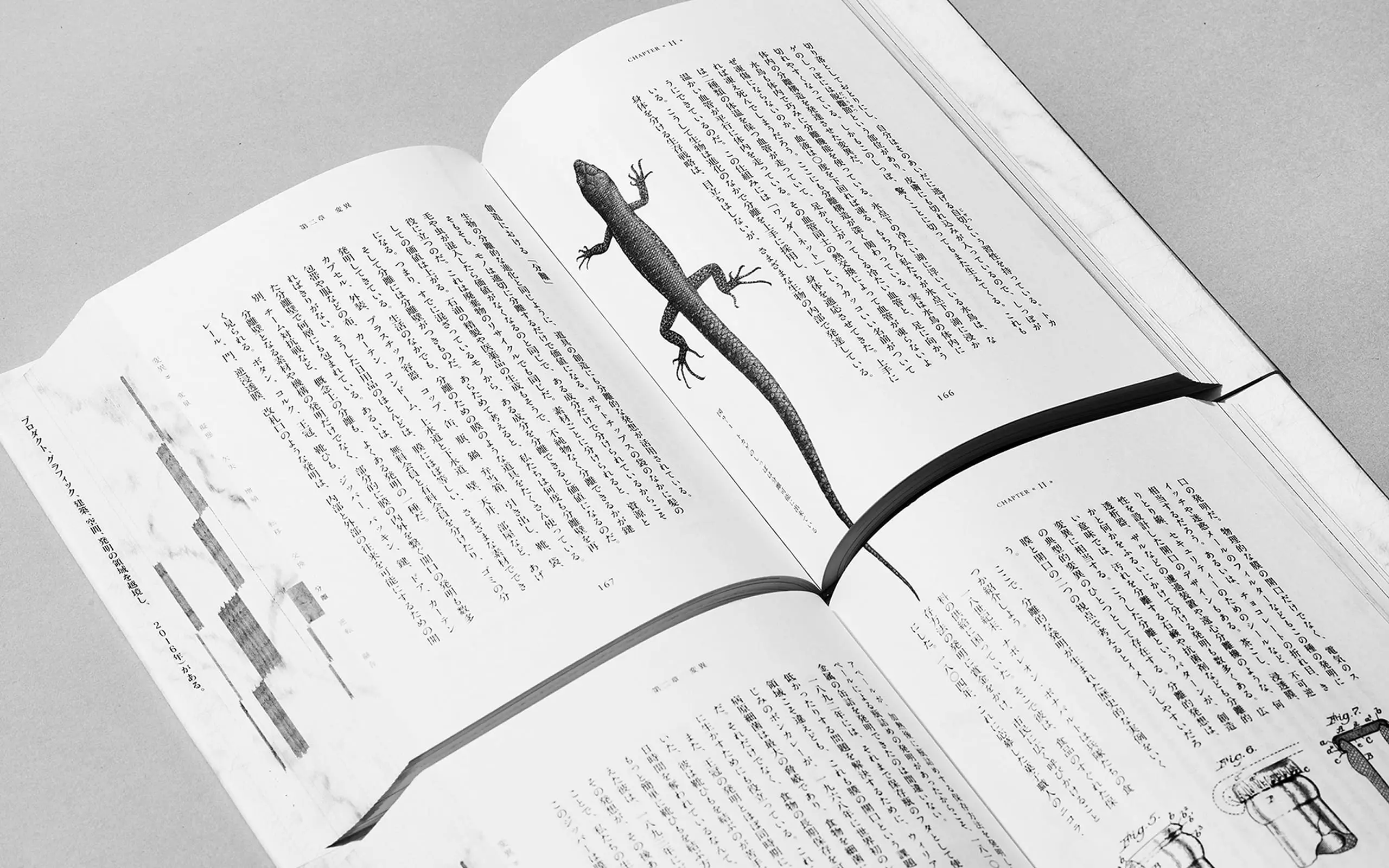
Leveraging the fact that the book originated from creativity workshops at companies and universities, it includes 50 workshops that encourage creative thinking. Rather than being just a textbook to be read, you can also try and put your creative ideas into practice. Despite the book’s length of over 500 pages, it is easy to read and easy to use. It can be used as a frequent reference or encyclopedia to look up “creativity” and “biological evolution” topics.
WHY
Is creativity something limited to those with talent?
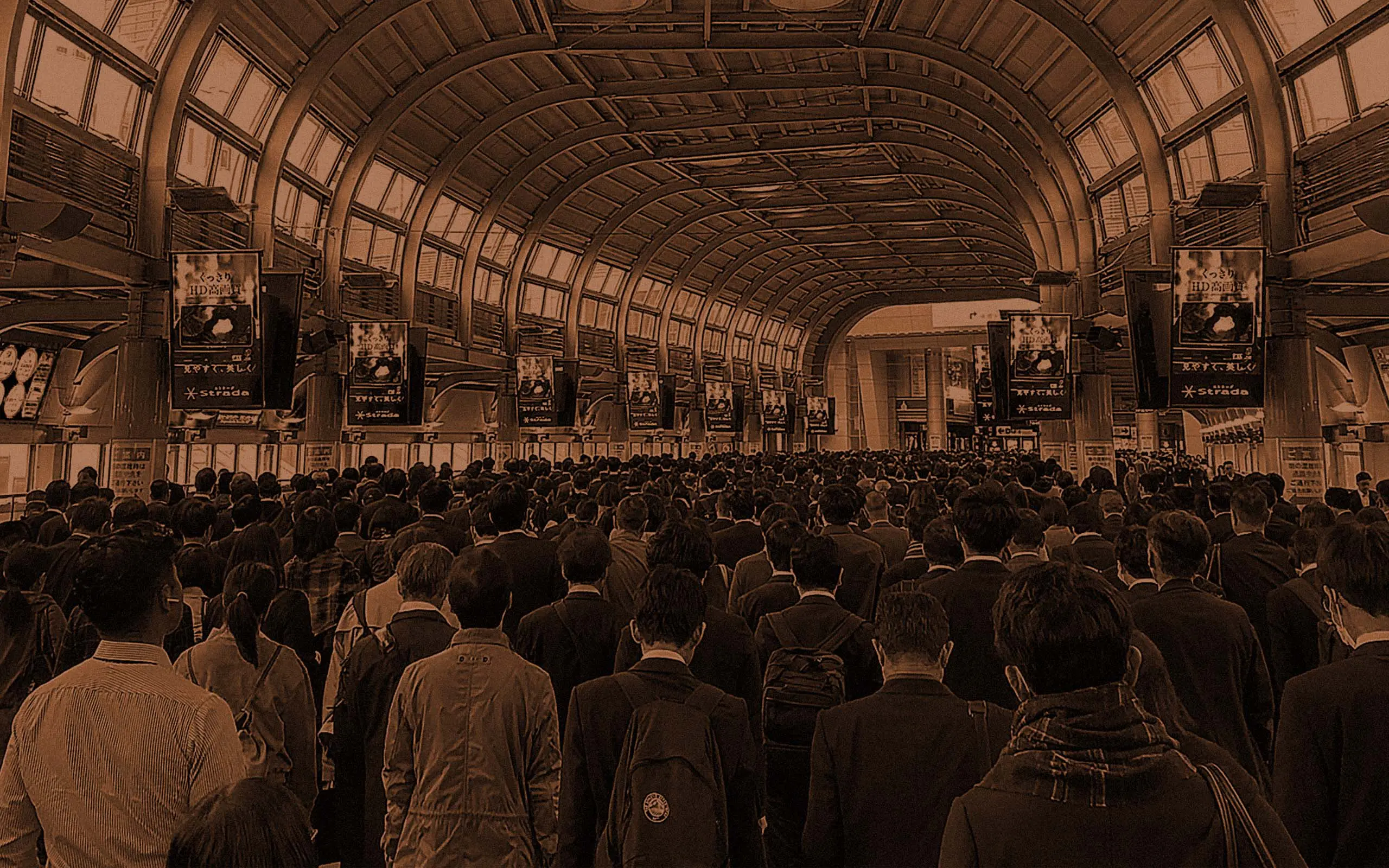
In pursuit of our wants, we humans have become creative and invented all kinds of tools, thereby contributing to the development of our civilization. Despite its importance, creativity has been commonly regarded as an inborn ability requiring natural talent to bring it out. Is creativity something you cannot learn?
“Crystallized and Fluid Intelligence” by Raymond Cattell

Status on individual SDG targets at the midpoint of the 2030 Agenda

Chart of Japanese students who think they are creative

There are countless people who think they have no creative talent because they did not paint well in art class, etc. One disappointing survey found that only eight percent of college students in Japan thought that they were creative.
Do we really have a thorough understanding of creativity? When we think about it, we may realize how little we know about how creativity works and how we can be trained for it. If we can understand the inner workings of creativity, we may be able to acquire it.
In recent years, schools have started thinking about active participation by students such as active learning and inquiry-based learning. It is to foster creativity and an inquisitive mind not bound by the conventional framework of the class subject. Even in the business world, thinking methods that stimulate creativity are getting more attention.
If we have more people starting creative projects, it would lead to a more sustainable society and basic solutions for various social problems. To this end, we need to understand creativity itself and establish a theory and an education program to systematically learn about creativity.
WILL
Updating creative teaching and overcoming an unsustainable world.
Evolutional Creativity has gained widespread acceptance and recognition as the world’s most powerful innovation method, having been adopted by major Japanese companies and educational institutions such as Panasonic, Fujitsu, Sumitomo House, and Keio University. The method has even been included as a question in the entrance examination for the national language at Doshisha University. As more and more individuals adopt this creative thinking and produce transformative projects for sustainability, the reach of Evolutional Creativity continues to expand. Even experts in Japan’s leading AI are incorporating the principles of Evolutional Creativity into their work, and workshops utilizing the method have been held at the country’s largest environmental exhibition of animals at the zoo. Evolutional Creativity is gradually making its way into a wide range of fields, and its impact will continue to grow.
Despite the early success and recognition of Evolutional Creativity, the implementation of truly creative education projects that draw inspiration from nature’s laws is still in its infancy.
As humanity continues to advance through technology, we are also facing the consequences of drastic changes to geology and climate, as well as the collapse of ecosystems. We have entered the “Anthropocene,” a geological era in which human activity has a profound effect on the earth. With our civilization having surpassed the “planetary boundary,” the point at which irreversible and sudden environmental change becomes a real possibility, time is of the essence. It is crucial that we implement innovative and effective educational methods such as Evolutional Creativity to ensure our survival and pave the way for a sustainable future.


Humanity’s narrow expression of creativity has led to the crisis of civilization collapse, yet our creativity remains our only means of survival on earth. It is essential that we grasp the essence of creativity and use it to its fullest potential in addressing various issues and creating a sustainable society. Now is the time for us to delve deeper into the understanding of creativity and apply it to solutions that promote coexistence between human and the environment.
Friedrich Fröbel, a pioneer in early childhood education who flourished in the 19th century, laid the foundation for creativity education by drawing inspiration from natural science and has had a significant influence on later movements such as the Bauhaus. However, despite the groundbreaking work of Fröbel and the Bauhaus, creativity education has remained largely unchanged for the past century. Our goal is to evolve and revitalize this field of education, to keep pace with the ever-changing needs of society and the environment.
We believe that by updating creativity education through the lens of Evolutional Creativity, we can empower individuals to creatively tackle the pressing social issues of our time and maximize the creativity of each person in every community. By equipping individuals with the tools to think and act in new and innovative ways, we can work towards resolving the great challenges facing humanity and building a better future for all.
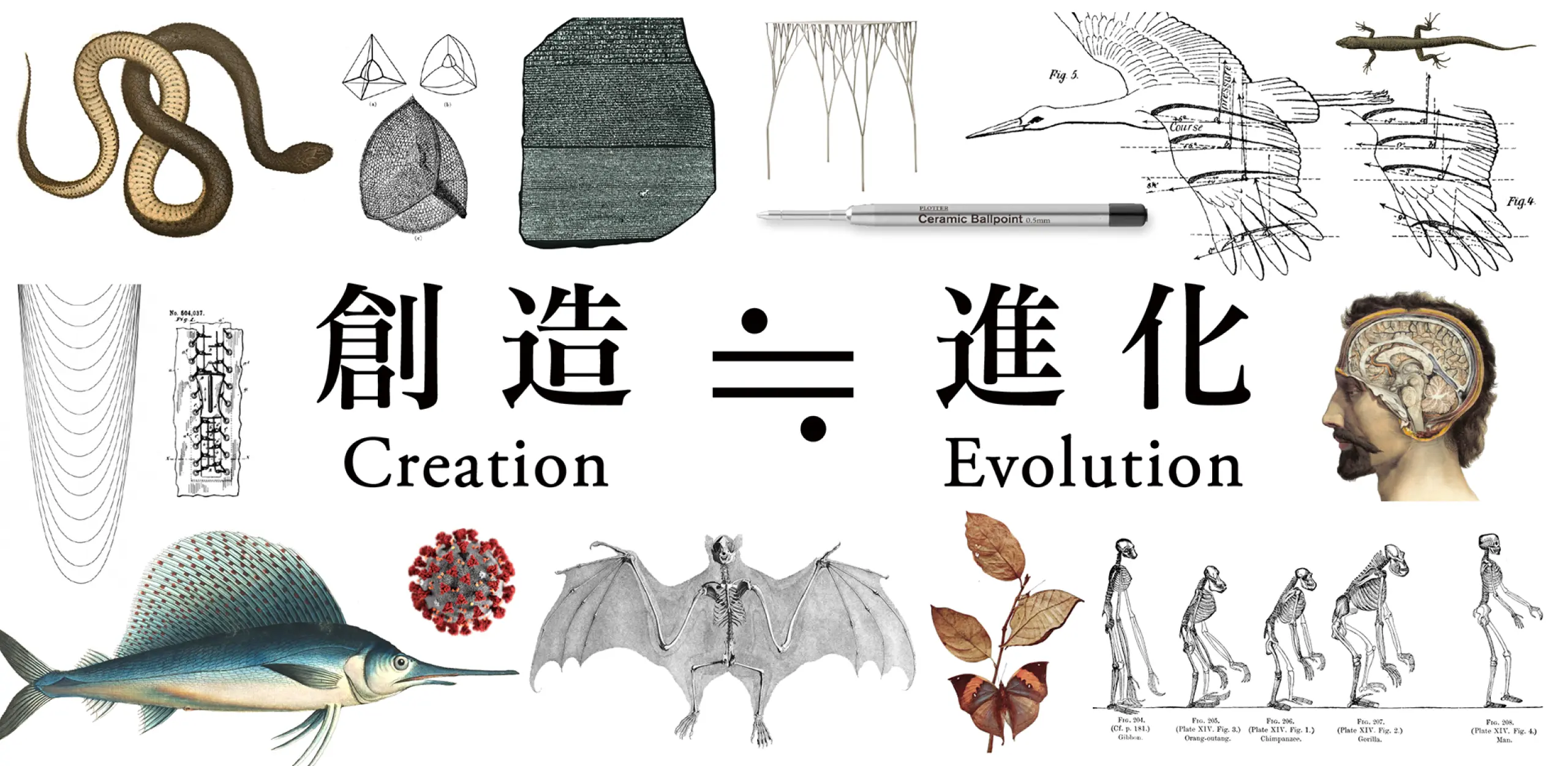

The book ” Evolutional Creativity ” was ranked No. 1 on Amazon’s business and economics book rankings soon after it went on sale for pre-order, and was quickly reprinted before its release. What is this new way of thinking that awakens the creativity that lies dormant within everyone?
Related Sites /
The Evolution of “Evolutional Creativity” (Updated November 2025)
November 2025: Keynote Speech at the 9th Leadership Summit 2025 in Bangladesh
Eisuke Tachikawa took the stage as a keynote speaker at the “Leadership Summit 2025” held in Bangladesh. Held under the theme “Resilient Leadership – Thriving Amid Uncertainty,” this international conference explored the sustainable and ethical leadership required in a rapidly changing society. Tachikawa delivered a speech on the nature of leadership in addressing social issues and environmental changes from the perspective of Evolutional Creativity.
November 2025: Online Presentation at the 12th Anniversary Commemoration of Typhoon Yolanda
Marking the 12th anniversary of Typhoon Yolanda—which caused some of the worst damage ever recorded in the Philippines—Eisuke Tachikawa spoke at a commemorative event held at Eastern Visayas State University. He delivered an online lecture on “Evolutional Creativity” to approximately 400 participants, sharing creative perspectives on how to confront disasters.
November 2025: Delivered a Special Lecture to Graduate Students at Minerva University
At Minerva University—known for its unique educational model that involves learning while moving between seven cities worldwide and having been selected as “the world’s most innovative university”—Eisuke Tachikawa delivered a special lecture on “Evolutional Creativity” to approximately 20 graduate students majoring in “Decision Science.” Students from diverse backgrounds, including current politicians and corporate leaders, visited the Yokohama studio of NOSIGNER—the firm led by Tachikawa—and the lecture lasted three hours due to a lively Q&A session.
October 2025: Presentation at the “Cities of Design Subnetwork Meeting” Conference Hosted by the UNESCO Creative Cities Network (UCCN)
Eisuke Tachikawa spoke at the “Cities of Design Subnetwork Meeting” hosted by the UNESCO Creative Cities Network (UCCN)—which aims to harness culture and creativity for sustainable urban development—at the Bandung Institute of Technology. He participated in a panel discussion themed “Creative City 2.0,” exchanging views on approaches to creativity based on “Evolutional Creativity” and the future of cities adapting to climate change.
September 2025: Keynote Speech at the International Design Conference (IDC) 2025 in the Philippines
Eisuke Tachikawa delivered a keynote speech at the International Design Conference (IDC) 2025, organized by the Design Center of the Philippines, the government agency responsible for promoting design in the Philippines. Invited as a keynote speaker to the conference, which featured a diverse lineup of speakers including consultants, designers, researchers, and business executives under the theme “Holding the Whole,” he delivered a keynote address on creativity education based on “Evolutional Creativity” and the ideal form of cities adapting to climate change.
July 2025: Received the Highest Academic Award from Bandung Institute of Technology
He was awarded the “GANESA WIDYA JASA ADIUTAMA Award,” the highest academic honor bestowed by the Bandung Institute of Technology (ITB) in Indonesia for outstanding contributions to knowledge and education. This prestigious award is granted to only two individuals following a rigorous selection process from candidates nominated by each faculty; he was selected based on a nomination from the Faculty of Art and Design (FSRD).
November 2024: Publication of the Indonesian Edition of *Evolutional Creativity*
The Indonesian edition of the book *Evolutional Creativity* was published by the Indonesian publishing house “SiMPUL” under the supervision of the Bandung Institute of Technology (ITB), one of Indonesia’s leading universities.
Additionally, to commemorate the book’s publication, an exhibition and commemorative lecture were held at the ITB Design Center, and an exhibition and workshop were also held at the Jakarta art space “
April 2024: 3rd Anniversary of the Publication of “Evolutional Creativity”
“Evolutional Creativity,” systematized by its proponent, Eisuke Tachikawa, after years of exploration, has continued to evolve even today, having received a wide range of feedback—including support, encouragement, criticism, and suggestions—from many people since the first edition of the book was published.
Furthermore, a reader community formed by over 100 enthusiastic readers remains actively engaged, and the principles of Evolutional Creativity are being put to practical use in the work and daily lives of its practitioners.
March 2024: Lecture at the Ministry of Economy, Trade and Industry for Stanford Business School Students
Tachikawa delivered a lecture on Japanese design and Evolutional Creativity to approximately 30 students and faculty members from Stanford Graduate School of Business at the Ministry of Economy, Trade and Industry. This lecture was part of the school’s study tour to Japan, a program designed to explore the relationship between Japan’s rapid economic growth and design, as well as the current state of startups.
December 2023: Publication of *Evolutional Creativity [Expanded and Revised Edition]*
With biological supervision provided by evolutionary biologist Masaki Kawata (Professor by Special Appointment to the President at Tohoku University),
October 2023: Paper Presentation at the World Design Assembly International Conference
At the
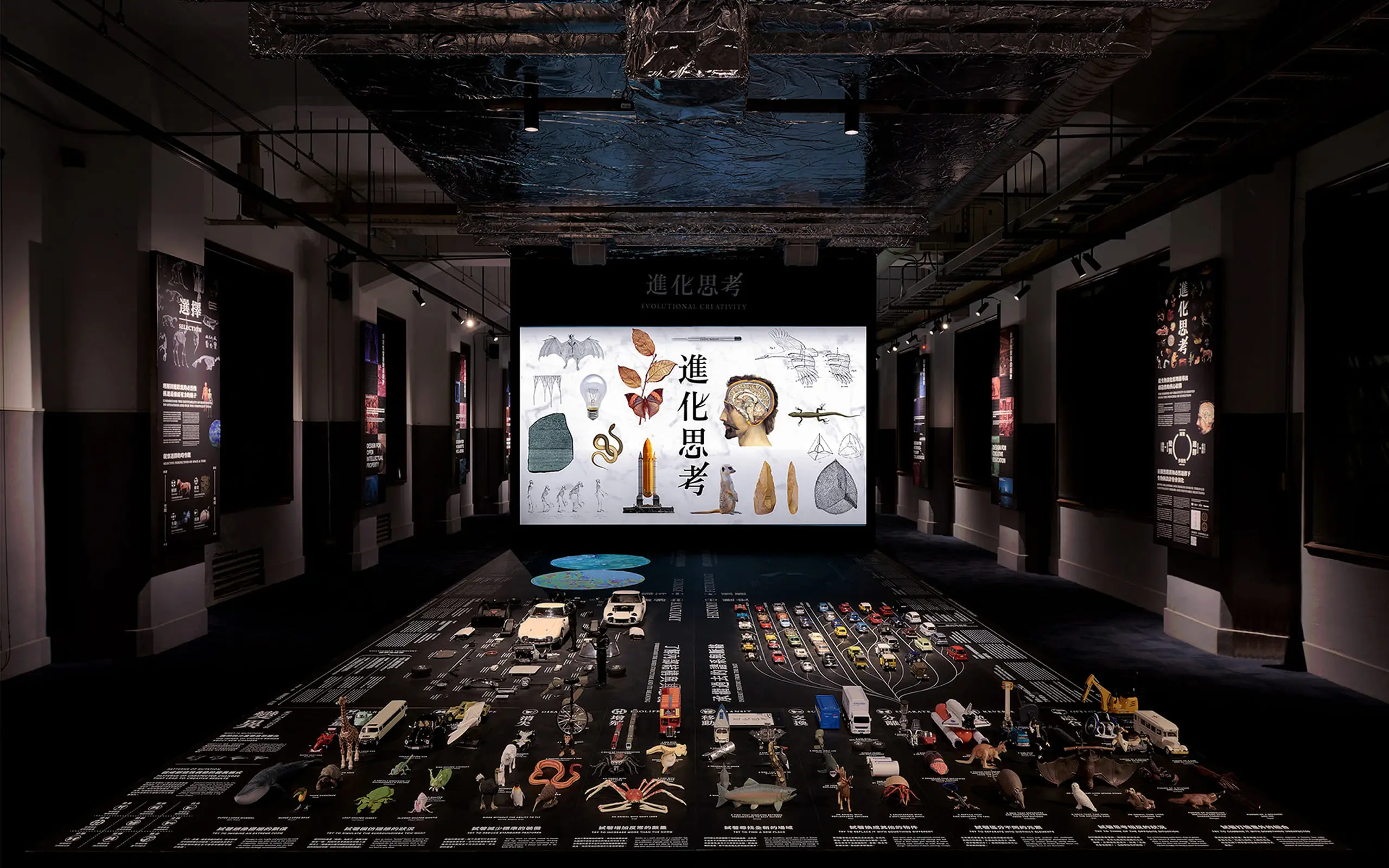
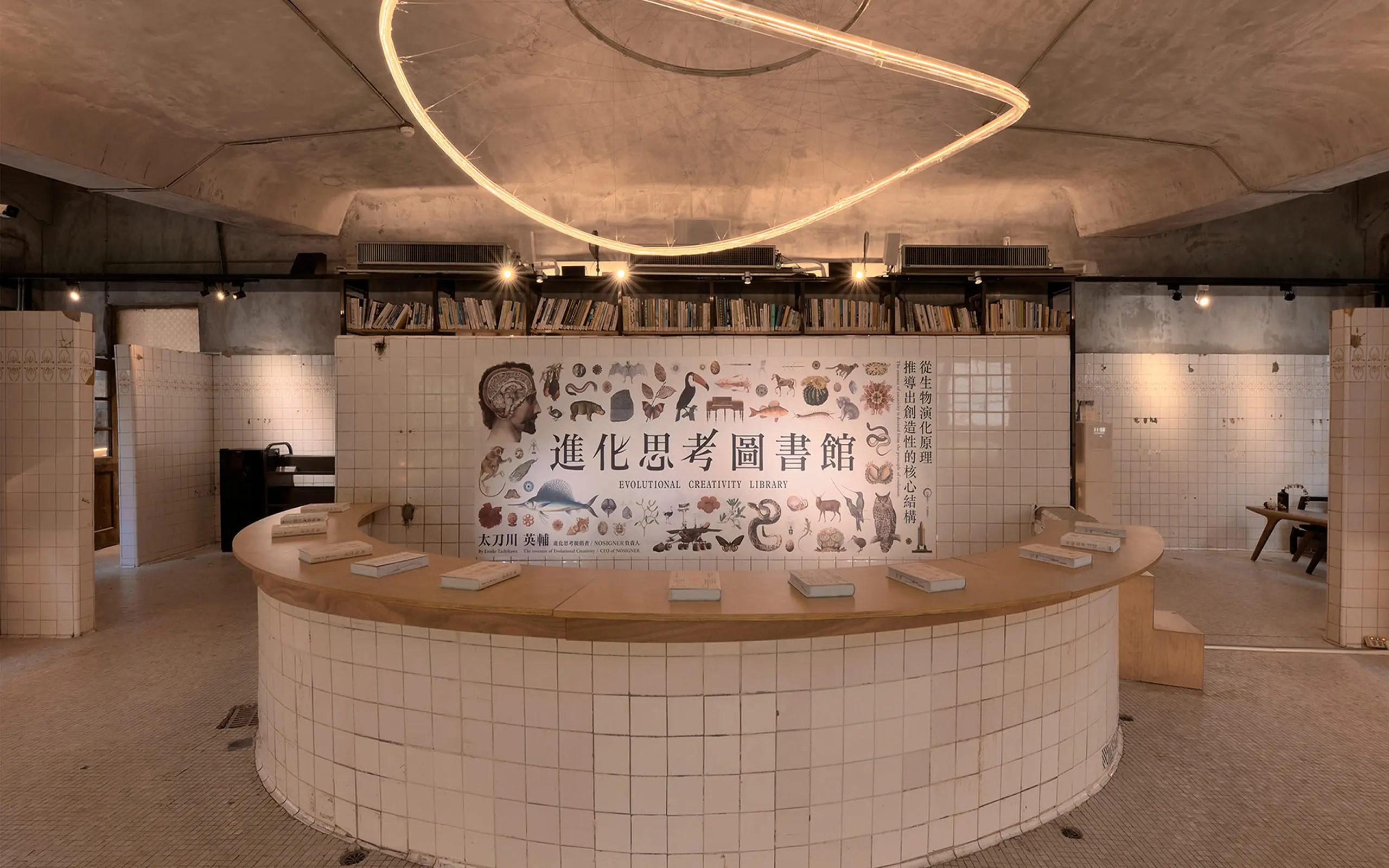
September 2023: Exhibition Held at the Taiwan Design Museum
Coinciding with the publication of the Taiwanese edition of the book *Evolutional Creativity*, an exhibition by NOSIGNER titled
September 2023: Publication of the Taiwanese Edition of “Evolutional Creativity”
Following the Korean edition, the
June 2023: Publication of the Korean Edition of “Evolutional Creativity”
The
May 2023: Presentation at a Conference Hosted by UNESCO-MGIEP
Tachikawa was invited to speak at the conference “Education for Flourishing in a Mixed Reality,” organized by UNESCO-MGIEP (the United Nations Educational, Scientific and Cultural Organization’s Mahatma Gandhi Institute of Education for Peace and Sustainable Development), which brought together renowned scholars, researchers, teachers, policymakers, and representatives from the private sector from around the world. He delivered a presentation on “Evolutional Creativity” during the “Design Thinking and Creativity in Education” session. This conference was also the first international conference based on the Sustainable Flourishing Goals.
March 2023, August 2023: Lecture at the Bandung Institute of Technology (ITB), Indonesia
Tachikawa delivered a lecture on Evolutional Creativity at the Bandung Institute of Technology (ITB), Indonesia’s premier institution of higher learning. Due to the positive reception of this content, it was decided to publish an Indonesian-language edition of “Evolutional Creativity.” Following the
March 2023: Chaired the “Thinking About the Future of Higher Education” Forum
Eisuke Tachikawa served as chair of the “Thinking About the Future of Higher Education” forum, organized by the Benesse Educational Research Institute, where members engaged in cutting-edge educational practices discussed the future of university education. After four rounds of roundtable discussions with committee members, a proposal outlining a vision for university education that envisions a hopeful future was compiled. Under the new educational guiding principle, “
November 2022: Received the “Shu Yamaguchi Award” at the Pen Creator Awards
Eisuke Tachikawa received the “Shu Yamaguchi Award” at the “
November 2022: Appeared in an NHK program for a dialogue with anatomist Takeshi Yoro
He appeared alongside anatomist Takeshi Yoro on the popular NHK program “Switch Interview,” in which two people working in different fields visit each other’s workplaces and conduct a dialogue while “switching” between the roles of speaker and listener. In the second part of the program, I invited Dr. Yoro—who has spent nearly 60 years since his student days exploring “the forms of living things”—to the NOSIGNER studio. While introducing the concept of “Evolutional Creativity,” I spoke about my work as a designer who has pursued form through various approaches.
June 2022: Project to Launch Revised Edition of
A project to publish a revised edition has begun, aiming to further refine the book as a method of creative thinking and accurately incorporate scientific insights. For this revision, we invited Professor Masaki Kawata, a professor on special assignment to the President at Tohoku University and an expert in evolution and ecology, to serve as supervising editor, accompanying the evolution of the “Evolutional Creativity” book. A new book by Professor Kawata explaining evolutionary biology was recently published, so please take a look at that as well.
For the author as well, this was an invaluable opportunity to deeply re-learn evolutionary biology from such a distinguished expert as Professor Kawata.
May 2022: Dialogue with Nobel Laureate Dr. Akira Yoshino
At an event commemorating Asahi Kasei’s 100th anniversary, I had the honor of engaging in a dialogue with Dr. Akira Yoshino (Asahi Kasei Honorary Fellow), the inventor of the lithium-ion battery and Nobel Laureate in Chemistry. The video of Tachikawa’s lecture on “Evolutional Creativity” and his dialogue with Dr. Yoshino was streamed to approximately 40,000 Asahi Kasei Group employees. This event not only fulfilled Tachikawa’s long-held wish to engage in a dialogue with Dr. Yoshino but also served as an opportunity to convey the message to everyone at Asahi Kasei that “it is the ‘curiosity’ and ‘knowledge’ of each individual that enriches imagination and shapes the next 100 years.”
March 2022: Appeared on NHK E-Tele’s “Night of Radical Modifications: Engineer Training School”
Eisuke Tachikawa appeared as a “Design (Creation) Instructor” on NHK E-Tele’s popular program “Night of Radical Modifications: Engineer Training School.” With the theme of “Magic Modification of a Blender,” he led a brainstorming workshop to create a “blender that shoots juice far away,” introducing the nine “mutation” patterns from “Evolutional Creativity” as hints for generating ideas.
February 2022: Received a Special Award at the “IT Engineer Book Awards 2022”
In the business book category of the
2022–2023: Adopted in School Entrance Exam Questions
Excerpts from *Evolutional Creativity* were adopted as material for entrance exams at several schools, including as a topic for the Japanese language entrance exam at Doshisha University.
November 2021: Winner of the Yamamoto Shichihei Prize
We received the
While “Evolutional Creativity” has garnered attention as a method for fostering innovators and driving innovation, winning this prestigious Japanese academic award—whose selection committee includes anatomist Takeshi Yoro, evolutionary biologist Mariko Hasegawa, economist Motoshige Ito, political scientist Terumasa Nakanishi, and legal scholar Shuji Yagi—has allowed it to gain recognition from an academic perspective as a new way of thinking that unravels creativity from an evolutionary viewpoint.
April 2021: Publication of the book *Evolutional Creativity*
We published this book with the aim of conveying the concepts and methodology of Evolutional Creativity to a wide audience, including the business sector, and encouraging its application to idea generation across all fields, such as business development, design, and art.
Packed with a wealth of photographs and illustrations on biological evolution and human creativity, as well as 50 “Evolutional Creativity Works” that readers can practice while reading, this book—which comprehensively covers the concepts and practical methods of Evolutional Creativity—became a bestseller. The Evolutional Creativity methodology has spread to major corporations and educational institutions and has even been adopted in entrance exams for universities and high schools.
“Evolutional Creativity” is a concept that Tachikawa had been nurturing for many years prior to the book’s publication in 2021. Below is a summary of the journey leading up to the publication of *Evolutional Creativity*.
2021: Collaboration with NHK’s TV Program “The Direxon”
We collaborated on a project for NHK’s TV program
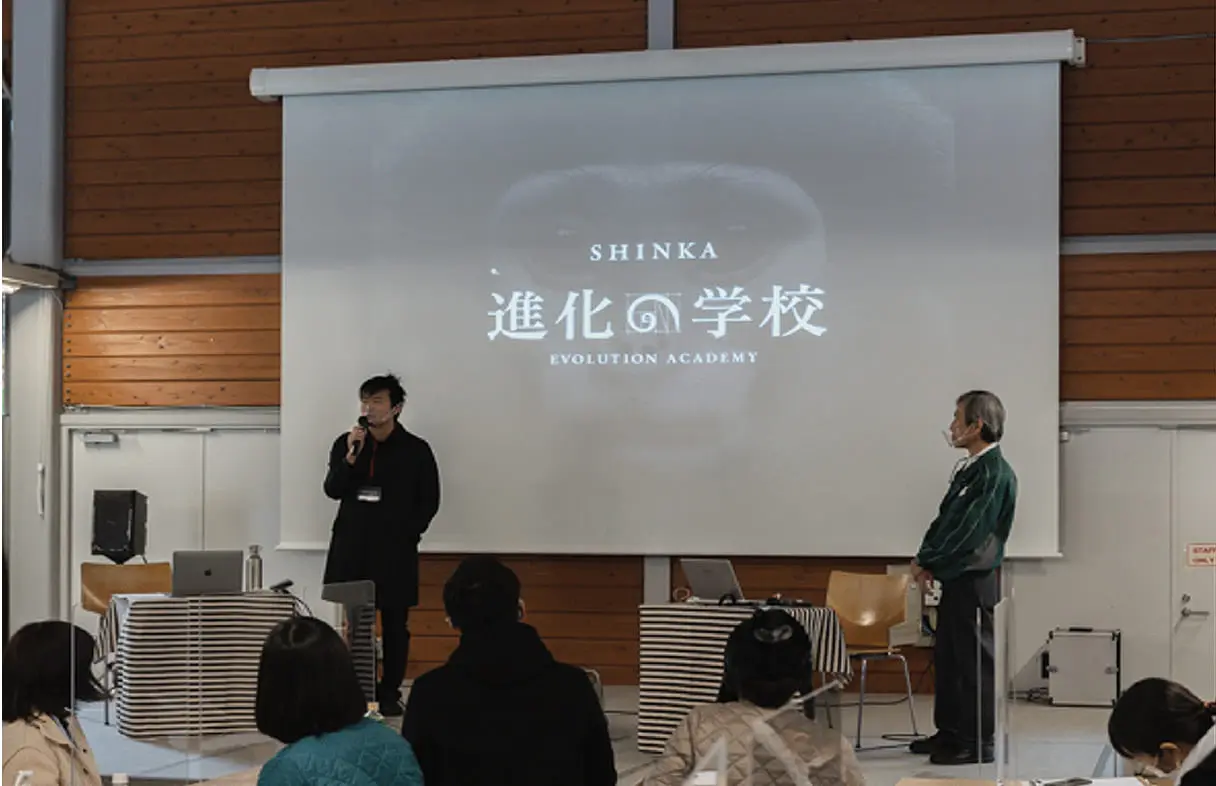
August 2020: “School of Evolution” Launches
An online course was launched through the voluntary efforts of Takashi Yamada and other members who had studied Evolutional Creativity. The “School of Evolution” began as a course designed to plant the seeds of creativity across various sectors of society. This school is a training program that helps participants refine new ideas for business creation through lectures and workshops on Evolutional Creativity.
The “School of Evolution” has attracted a diverse group of participants, including corporate executives, employees aiming to drive innovation, and school teachers and public servants seeking to engage in creative practice. To date, the program has produced approximately 1,000 graduates.
The program is offered to a wide range of participants, from corporations and organizations to individuals, and is utilized for product development and human resource development. Many graduates continue to meet weekly to explore creativity education through Evolutional Creativity.
2019: Began writing the book *Evolutional Creativity*
After meeting Mr. Abe and Mr. Harada at “Kokuri! Camp,” they decided to launch the publishing house “Ami no Kaze” in Ami Town, Shimane Prefecture. They approached me with the idea of making *Evolutional Creativity* their first book, and thus began a three-year writing process.
September 2018: Paper on “Evolutional Creativity” Published in *DIAMOND Harvard Business Review*
A paper of approximately 10,000 characters summarizing the overview of “Evolutional Creativity” was published in
2018: Launch of the “Evolutional Creativity” Workshop
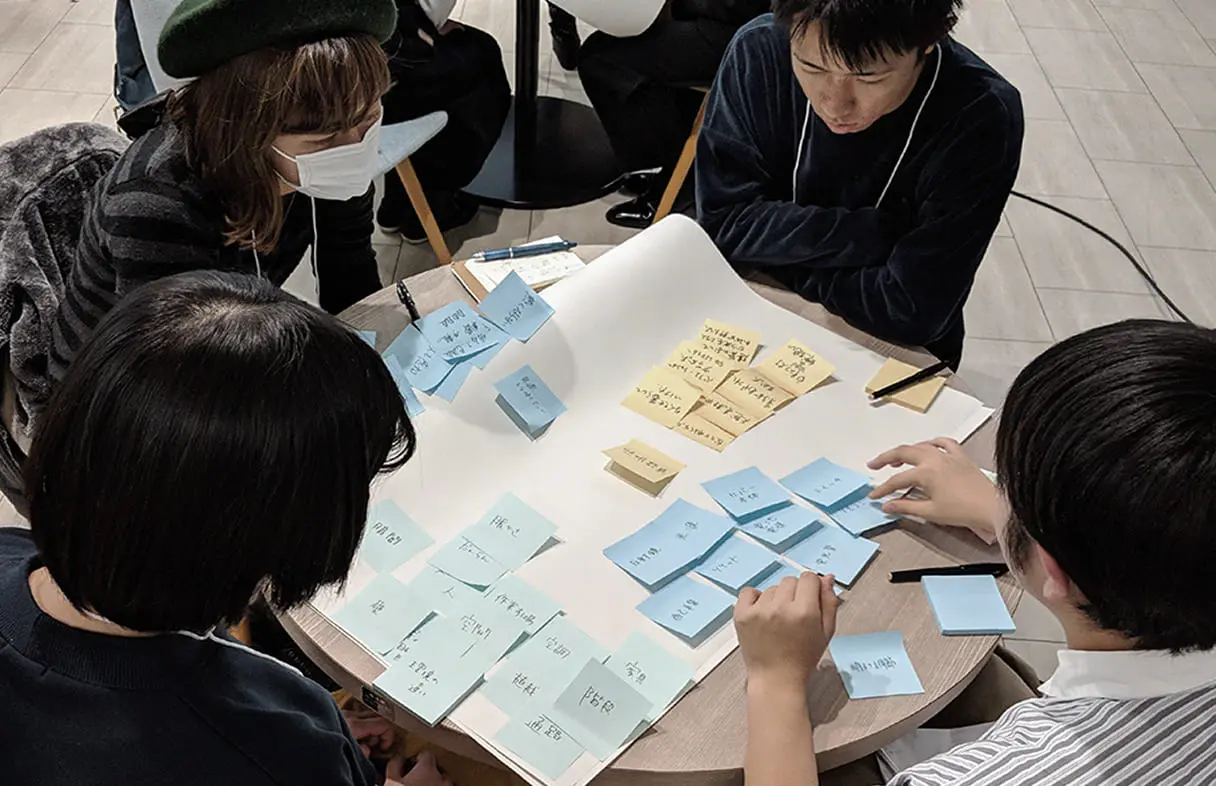
Having gained many insights through the exhibition, Tachikawa developed “The Grammar of Design” and launched “Evolutional Creativity,” a workshop designed to learn the creative process from biological evolution. At the first workshop held at “Cocri! Camp”—a gathering of leaders and experts from various sectors and fields—he met Takashi Yamada, who would later launch “The School of Evolution”; Yuji Abe, the publisher of *Evolutional Creativity*; and Eiji Harada of Eiji Publishing. Subsequently, the workshop was held at various companies, and “Evolutional Creativity” began to be adopted as an innovation methodology.
September 16–October 31, 2016: Exhibition “No-Designer: Form and Reason”
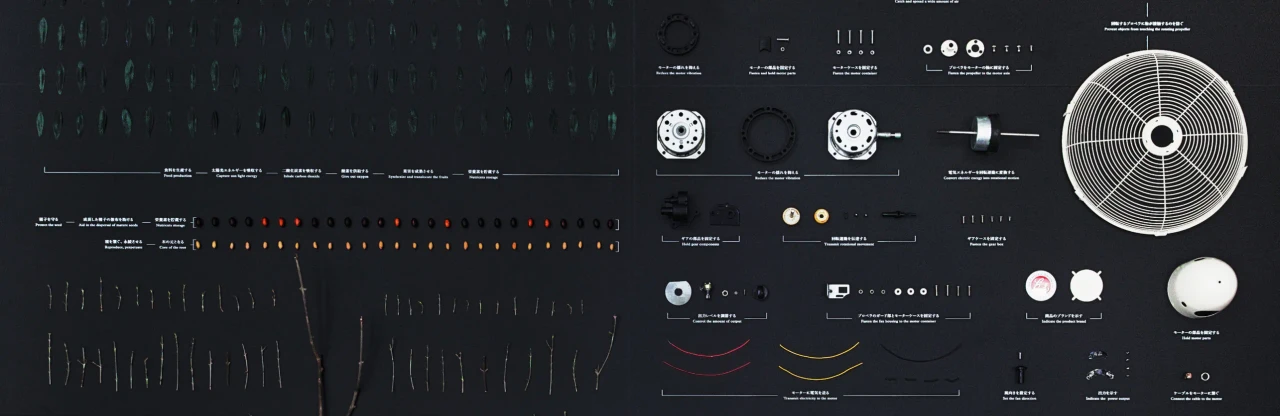
Tachikawa, who had become interested in the creativity of natural forms—which possess no language—that surpasses that of humans, began exploring the commonalities between biological evolution and human creativity. In the exhibition “No-Designer: Form and Reason,” held at the Ginza Graphic Gallery (ggg), he presented works that contrasted evolution and creation, delving into the reasons behind forms and methods for conceiving design.
2012 Began teaching the course “The Grammar of Design”
After entering the workforce and fully committing to his career as a designer, Tachikawa began teaching “The Grammar of Design” at Musashino Art University, a course that expanded upon the content of his master’s thesis. The course, which later expanded to include sessions for working professionals, gained a strong reputation, leading to its adoption at the University of Tokyo’s i.school and its application in innovation initiatives at various companies.
2006: Wrote Master’s Thesis “Linguistic Cognition of Design”
The origins of Evolutional Creativity lie in Tachikawa’s master’s thesis, “Linguistic Cognition of Design,” which he completed while studying architecture as a graduate student. Focusing on the process by which ideas and concepts emerge—a topic he had long been interested in—the thesis examined this process from a linguistic perspective, based on the assumption that language serves as the trigger for inspiration.

INFORMATION
- What
- Evolutional Creativity
- When
- 2016-
- Where
- Japan
- Scope
- Branding / Branding Strategy / Logo / Edition / Business card / Motion logo / Promotional items / Infographics / Photograph / Book cover and inner page design / Exhibition / Poster / Concept Development
- Award
- The 30th Shichihei Yamamoto Prize2021
- ITB GANESHA WIDYA JASA ADIUTAMA2024
- SDGs





CREDIT
- Inventor
- Eisuke Tachikawa
- Thanks
Amanokaze (kazetotuchito Inc. ),Eiji Press Inc. , NOSIGNER staffs,Ginza Graphic Gallery , Yuichi Hisatsugu, Kunihiko Sato