PROJECT
JIDA
アジアで最も歴史あるデザイン団体JIDAの理事長およびWDOの理事として、デザインが社会に価値を発揮するための様々な改革を実行。
HOW
アジアで最も
歴史ある
デザイン団体を
リビルドする。

インダストリアルデザインは、戦後日本の復興に大きく寄与し、長きにわたって産業の発展を支えてきました。その結果、私たちの社会は豊かになりましたが、その代償として地質や気候は大幅に変動し、生態系の崩壊が進んでいます。
インダストリアルデザインの勃興期には想像し得なかったさまざまな課題が、いま私たちの目の前に立ちはだかっています。大量生産・大量消費の時代を牽引してきたインダストリアルデザインは大きな転換期を迎えており、持続可能な社会を実現するために、産業そのものをリデザインしていくことがこれからの役割として求められています。
こうした中、NOSIGNERの太刀川英輔は、2021年に前任のGKデザイン代表、田中一雄氏のバトンを引き受け、JIDAの理事長に着任しました。同職に史上最年少で同職に就いた太刀川は、JIDAを設立した偉大な先人たちが示したパイオニア精神を見習うべきマインドセットと位置づけ、団体の歴史に敬意を払いながら、2025年に二期の任期を満了し、後任のムラタチアキ氏にバトンを渡すまでの4年間、さまざまな改革に取り組んできました。

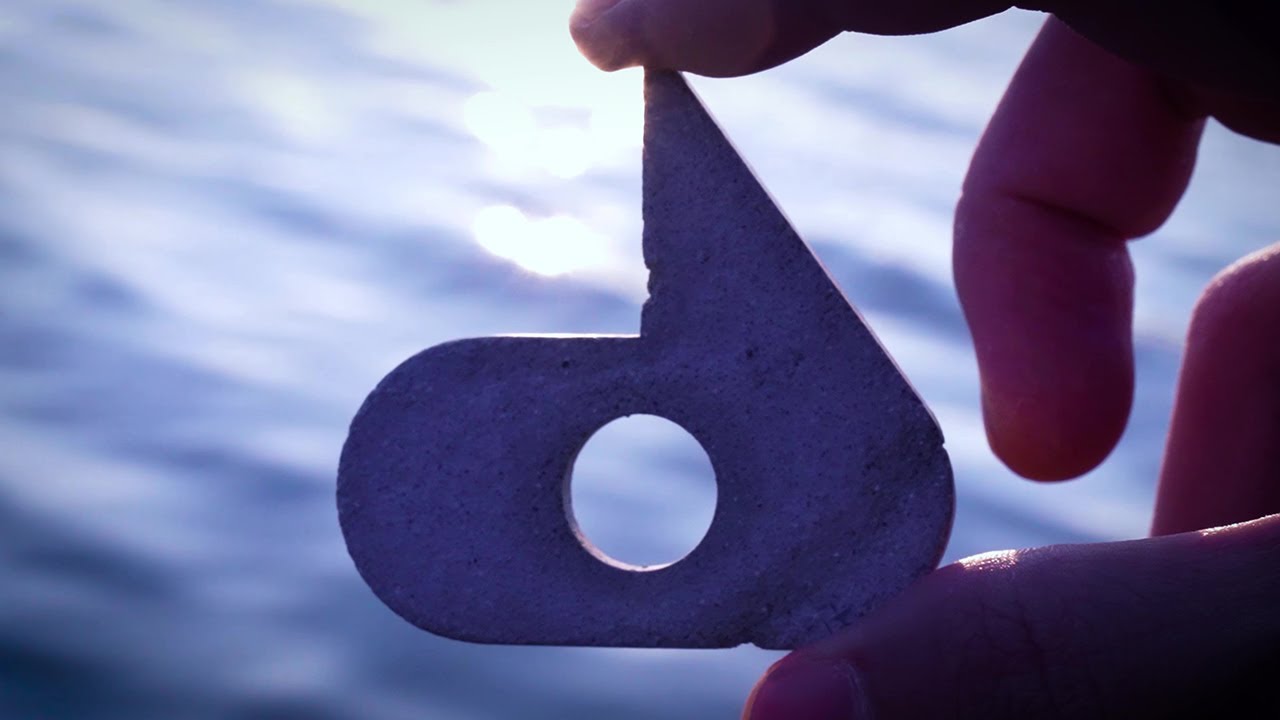
2021年には、中村勇吾氏によってJIDAのモーションアイデンティティがデザイン・制作されました。

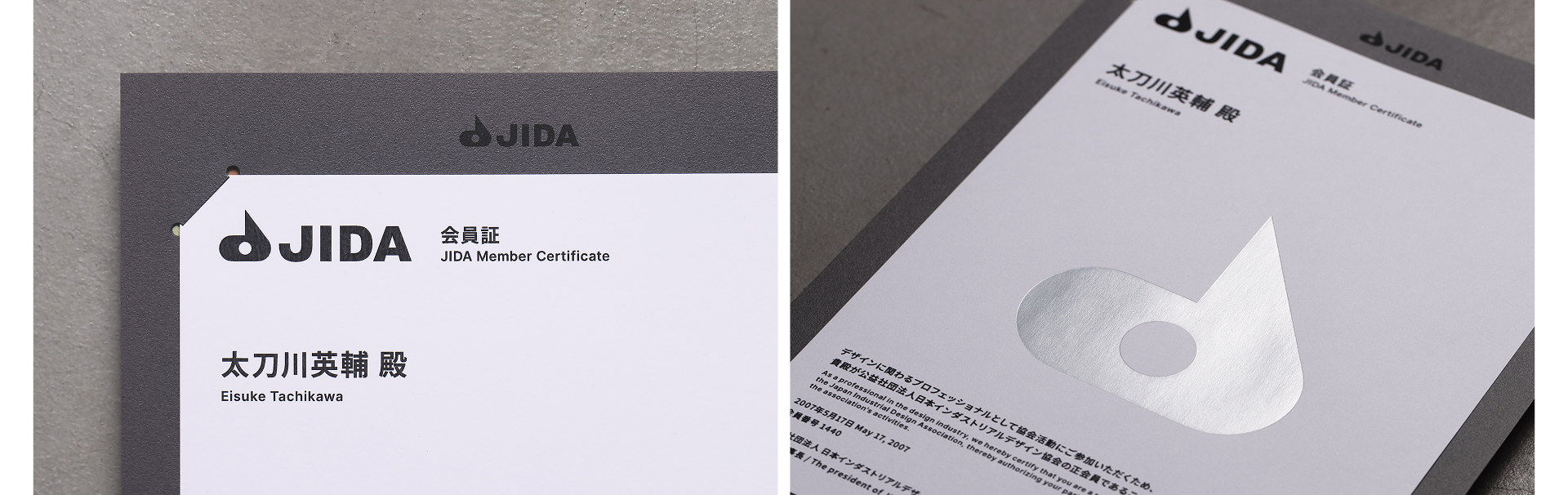
太刀川が2019年にJIDAビジョンコミッティメンバーとして提案した「Japan Industrial Designers Association」から「Japan Innovation Design Association」への名称変更案に端を発し、JIDAは2021年にはデザイナーに限定しない開かれた協会にしていくために「日本インダストリアルデザイナー協会」から「日本インダストリアルデザイン協会」に改称されました。同時に入会資格を「プロフェッショナルのデザイナー」から「産業デザインに関わるプロフェッショナル」に変更することで、エンジニア、研究者、キュレーター、素材メーカーなど、デザインを培う多分野のプロフェッショナルへと門戸が開かれました。


2024年には、JIDAが2010年に日本初のデザイン専門検定として開始した「プロダクトデザイン検定」を、より広いデザイン領域をターゲットとした「JIDAデザイン検定」としてリニューアルしました。産業のリデザインは、デザイナーという専門性を超えた共創によって初めて達成できるものであり、この検定が多くの一般の人たちにとって、デザインへの最初の一歩となるものに成長することを期待しています。
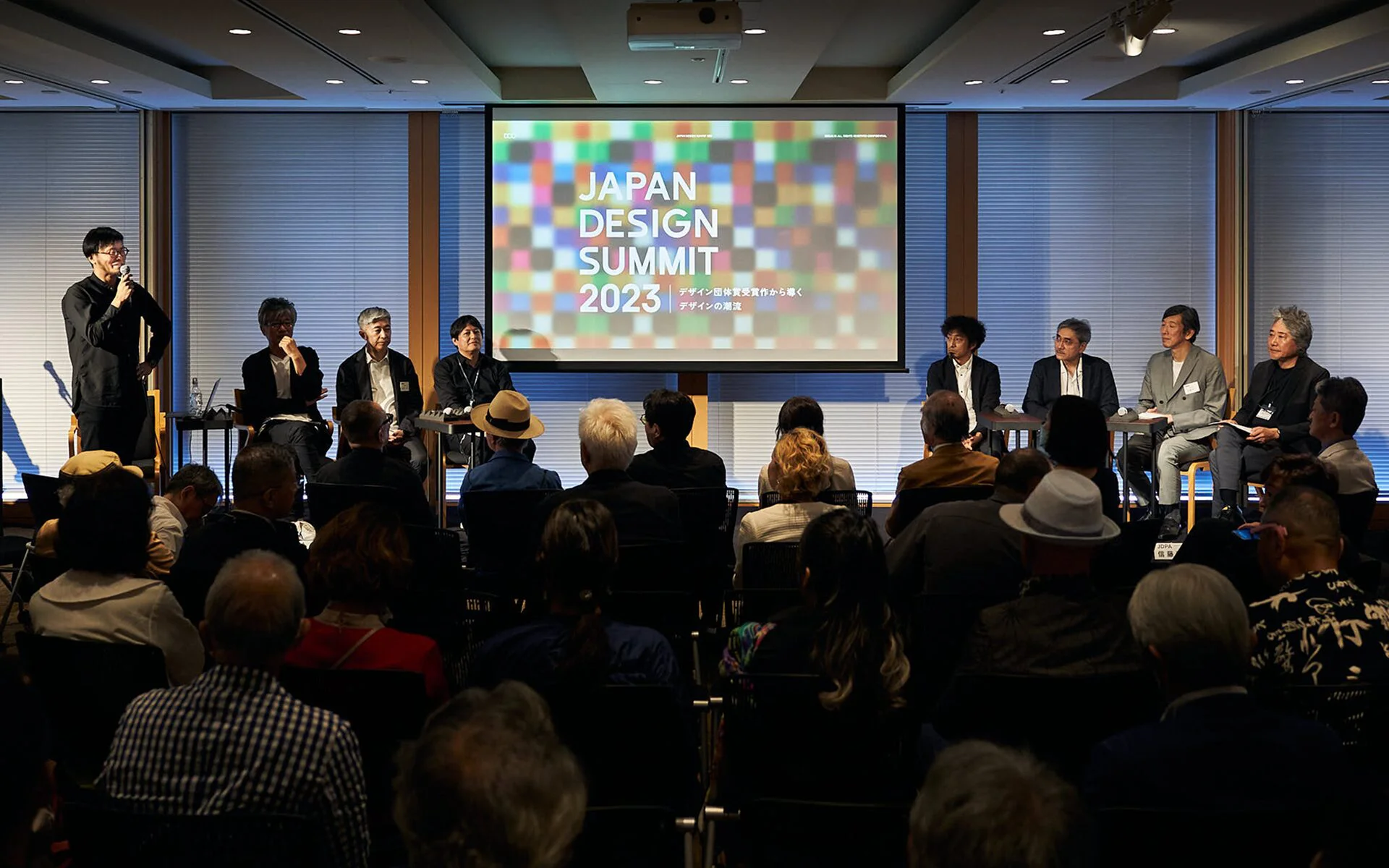

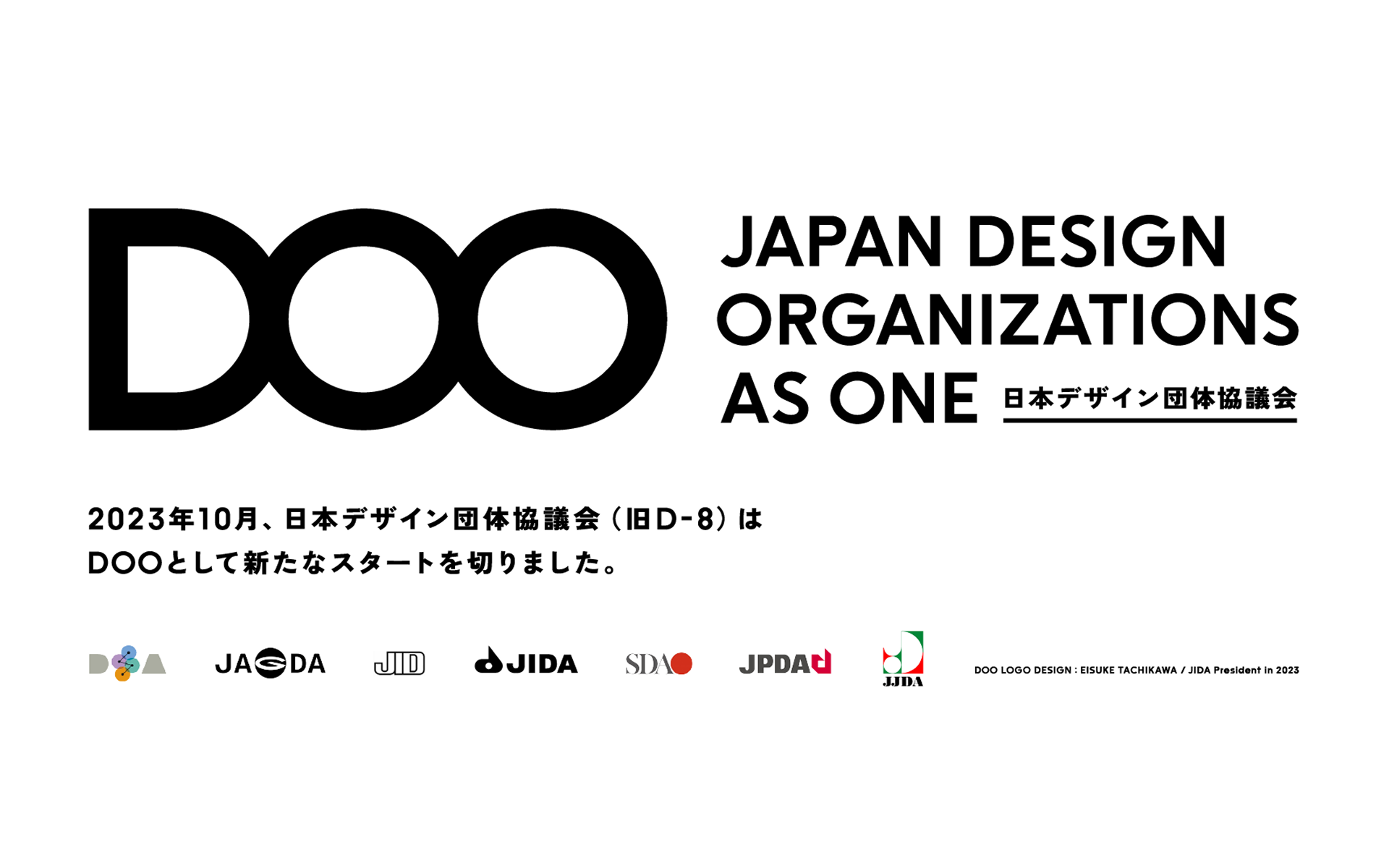
2023年までの2年間は、国内7つのデザイン団体が運営してきた「日本デザイン団体協議会(DOO・旧D8)」の幹事団体をJIDAが担い、太刀川は幹事団体理事長としてコミュニティを活性化に貢献し、各団体の結束を深めました。初の合同総会となった大規模なイベント「JAPAN DESIGN SUMMIT」の初開催を実現させ、またデザインミュージアムの実現への運動などの活動を通してプロフェッショナルデザイナー同士の関係性を強固なものとしました。
こうした連携活動の結果として、1966年から続いた「D8」という名称を「DOO」へと変更を推進し、日本のデザイン史に残る活動体の名称更新とリブランディングをリードしました。
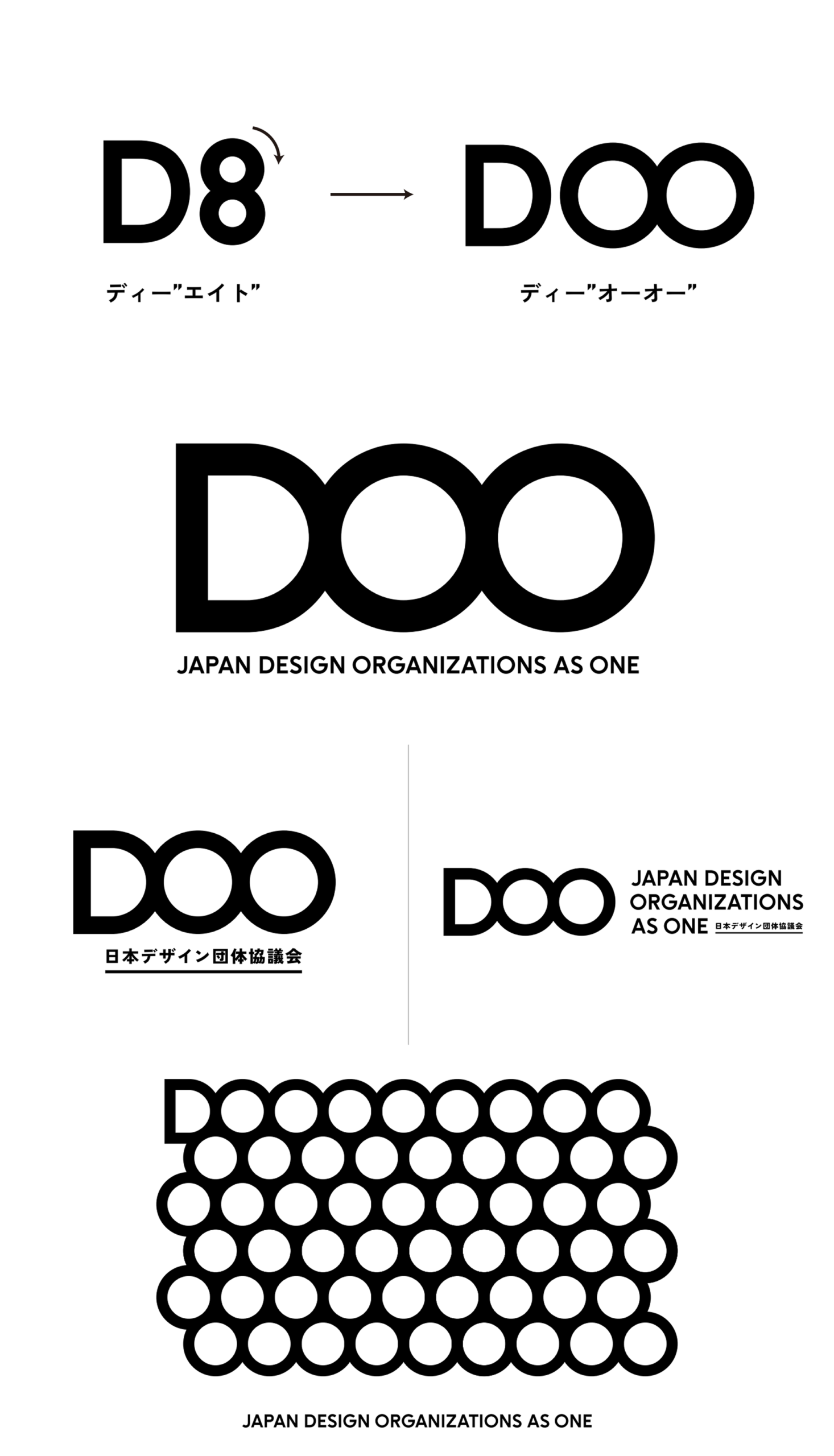
DOOは、「JAPAN DESIGN ORGANIZATIONS AS ONE」の略。従来の「D8」の8を90度回転させ、OO(∞)とすることで所属団体の数を限定せず、さまざまなデザイン団体が業界の垣根を超えてつながることを推進していくという協議会の思いを表しています。NOSIGNERは略称と英語名称の提案、およびロゴデザインを担当しました。


2023年には、国連の特殊諮問機関である「世界デザイン機構(WDO)」が主催する「世界デザイン会議東京2023」が34年ぶりに日本で開催されました。太刀川も会議の実行委員の一人として2年間の準備に携わり、「Humanity」「Planet」「Technology」「Policy」という会議における4つのテーマ設定などに寄与しました。また世界デザイン会議の会期中に行われたWDOの理事選挙において、太刀川は日本を代表して新理事に選出されました。JIDA理事長がWDO(旧ICSID)理事を兼務するのはGKデザインの創業者である榮久庵憲司氏以来、50年ぶりのこととなりました。
WHY
デザインの力は
十分に発揮されて
いるのか?
戦後の日本は、工業化を推し進めることによって急速な経済成長を果たしました。こうした発展において大きな役割を果たしたのが工業デザインであり、戦後の苦しい時期において、デザインという旗を振り、産業立国を目指した多くの先人たちがいました。
サンフランシスコ講和条約により、日本が独立を回復した1952年には、柳 宗理、剱持 勇、渡辺 力ら日本のモダンデザインの礎をつくった面々が設立メンバーに名を連ね、日本およびアジアで初となる全国規模のデザイン団体「JIDA」(公益社団法人日本インダストリアルデザイン協会)が発足されました。翌1953年には、外務大臣や経団連会長などを歴任した資本家の藤山愛一郎氏が、米国のインダストリアルデザイナー、レイモンド・ローウィの自伝『口紅から機関車まで』を翻訳するなど、産業デザインを新たな基盤として立国した日本の黎明期のビジョンが伺い知れます。

1958年には通商産業省(現・経済産業省)にデザイン課が設置され、アメリカで発展したインダストリアルデザインを日本の製造業に導入し、産業振興を図るデザイン政策が展開されていきました。1973年には、世界初の国際デザイン団体ICSID(現WDO)の創立団体に名を連ねるJIDAの誘致によって、ICSID世界デザイン会議の日本開催が実現。これに合わせてJIDAは、通商産業省に「デザインイヤー」運動の展開を呼びかけるなど、官民連動によるデザイン振興が推し進められ、こうした運動は「世界デザイン会議」が名古屋で開催された1989年まで続いていきました。
しかし、1990年代以降の日本のデザイン振興は実質民間に委ねられるようになり、奇しくもこれは日本の経済成長がスローダウンした時期と重なります。
この間も、建築からグラフィックまで日本のデザイナーは世界的に高い評価を得続けてきましたが、日本のデザイン政策は、他国との比較において、産業の中での目的が理解されておらず予算も十分ではありません。この時期にデザインへの投資を拡大した国の産業や企業は、そうではない企業などに比べて倍増していたというデータもあります。
他にも、デザインミュージアムやデザインに関する調査研究、政策提言を担うデザインカウンシルがないこと、デザイン教育の機会が乏しいことなど、さまざまな課題が指摘されています。
近年、デザインを重要な経営資源と位置づける民間企業や、デザイン政策を推進する国家からさまざまなイノベーションや世界的なヒット商品が生まれる中、日本はデザインを国の力として十分に生かせているのでしょうか。
WILL
デザインという
知恵を様々な
セクターの人が
扱えるように。
人は誰しもが、自らの手によって何かを創造し、社会に対して影響を与えられる存在です。新しいものを提案し、世の中を変えていくあらゆる行為は、広い意味での「デザイン」であると私たちは考えています。
これまでのデザインは、主に人間中心の観念によって駆動してきました。しかし、こうした人間中心のデザインが長きにわたって主流であり続けたことによって、自然との適応関係は破壊されてしまいました。
いまこそデザインには、目的のレベルでアップデートすることが求められており、これは私たち自身の創造性を進化させることにほかなりません。
人間中心のデザインから卒業し、地球上のさまざまな課題に能動的にタックルできる状況をつくり、未来のための創造的なモデルケースをつくれる人を増やしていく。
これこそNOSIGNERがさまざまなデザインプロジェクトや「進化思考」などを通じて目指し続けてきた目標であり、JIDAおよびWDOにおけるデザインの啓発活動もこの延長線上にあるものです。
これからも私たちは、社会の持続可能性に貢献できる「デザイン」という知恵や方法論をさまざまなセクターとつなぐとともに、創造的な教育を世界中に届けていくことで、持続可能な産業や社会を実現するための変化を促していきます。
INFORMATION
- What
- JIDA
- When
- 2021-2025
- Where
- Japan
- Scope
- Design strategy / Logo / Branding
CREDIT
- Design Strategy
- Eisuke Tachikawa, JIDA board
- Logo Design
- Taku Satoh
- Movie
- Yugo Nakamura
- Special Thanks
- NOSIGNER Member