PROJECT
REYO
Defined the design strategy for “REYO: Yokohama Recycling Project,” advancing a movement to enhance Yokohama’s identity as a Circular City.
HOW
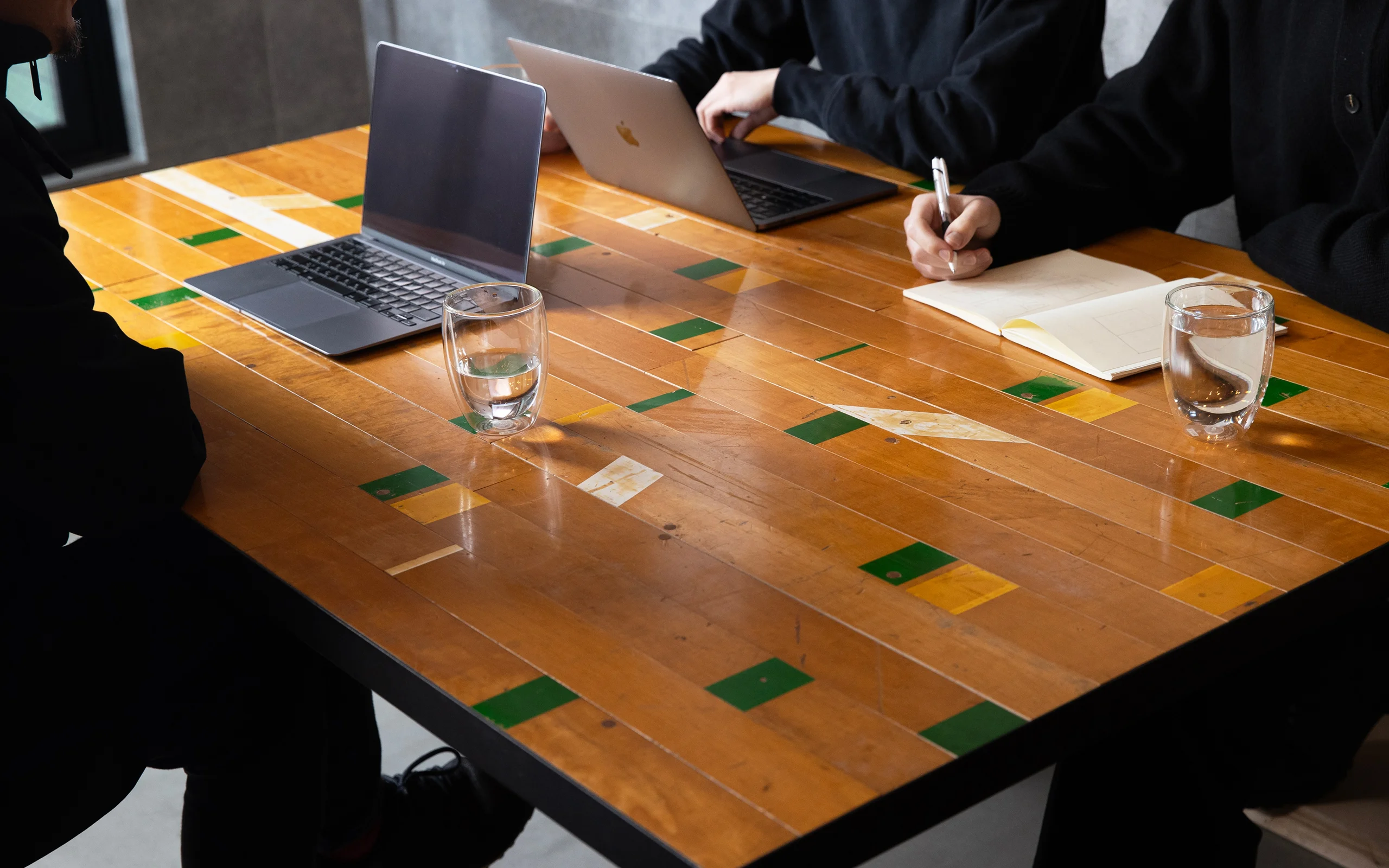
A community reviving gymnasium floors destined for disposal.
REYO: Yokohama Recycling Project is an initiative to upcycle reclaimed materials from Yokohama’s public buildings into new value.
Every year, large amounts of flooring reach the end of their life in municipal school gymnasiums. Instead of incinerating them, the Yokohama City Building Bureau aimed to extend their carbon-fixation period by reusing the wood in its original form. Small-scale efforts—such as creating furniture and small objects, hosting workshops, and collaborating with private companies—had already begun, but a unified design strategy was needed to accelerate the movement, a role that NOSIGNER came to fulfill.
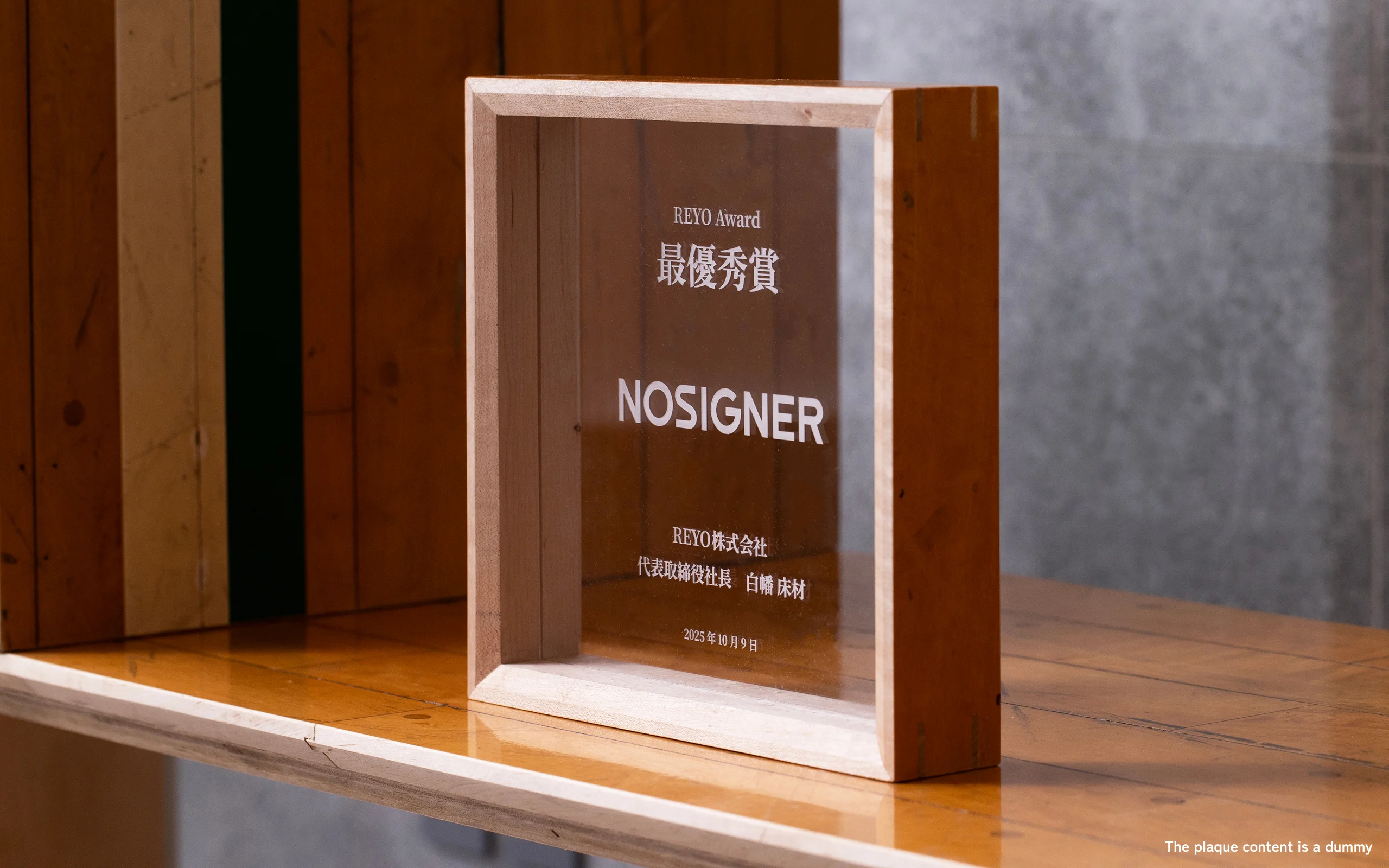
We proposed the name “REYO,” a word that echoes the Japanese pronunciation of sai-ri-you (“reuse”) while combining the ideas of Reuse and Recycle from YOKOHAMA. Under the tagline “Carrying the Materials of Memory Forward,” we developed an open-design guideline compiling the project’s philosophy, background, and examples of use. It also highlights the unique value of reclaimed hardwoods such as cherry and maple, along with the lines and marks that preserve traces of time and memory.
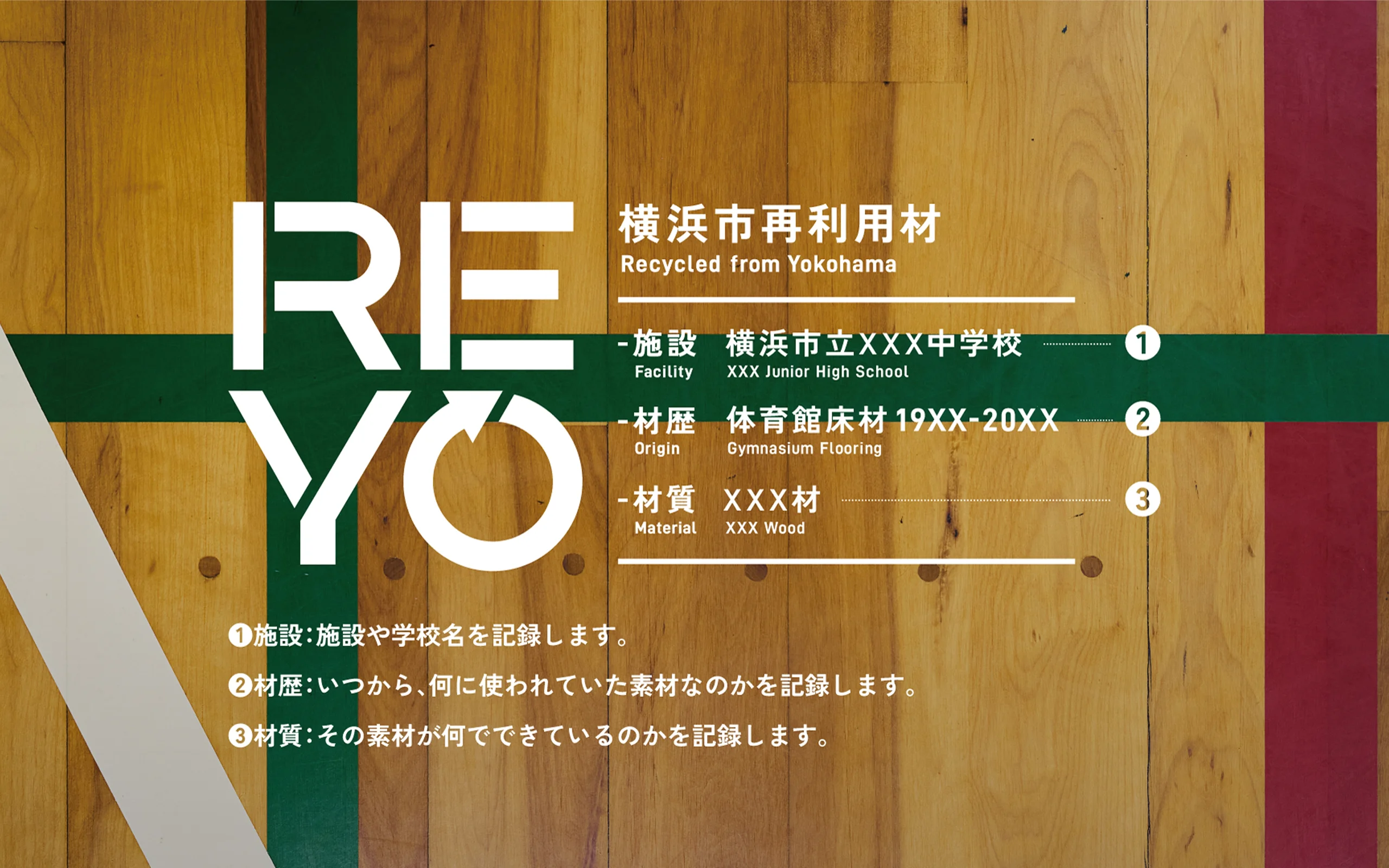
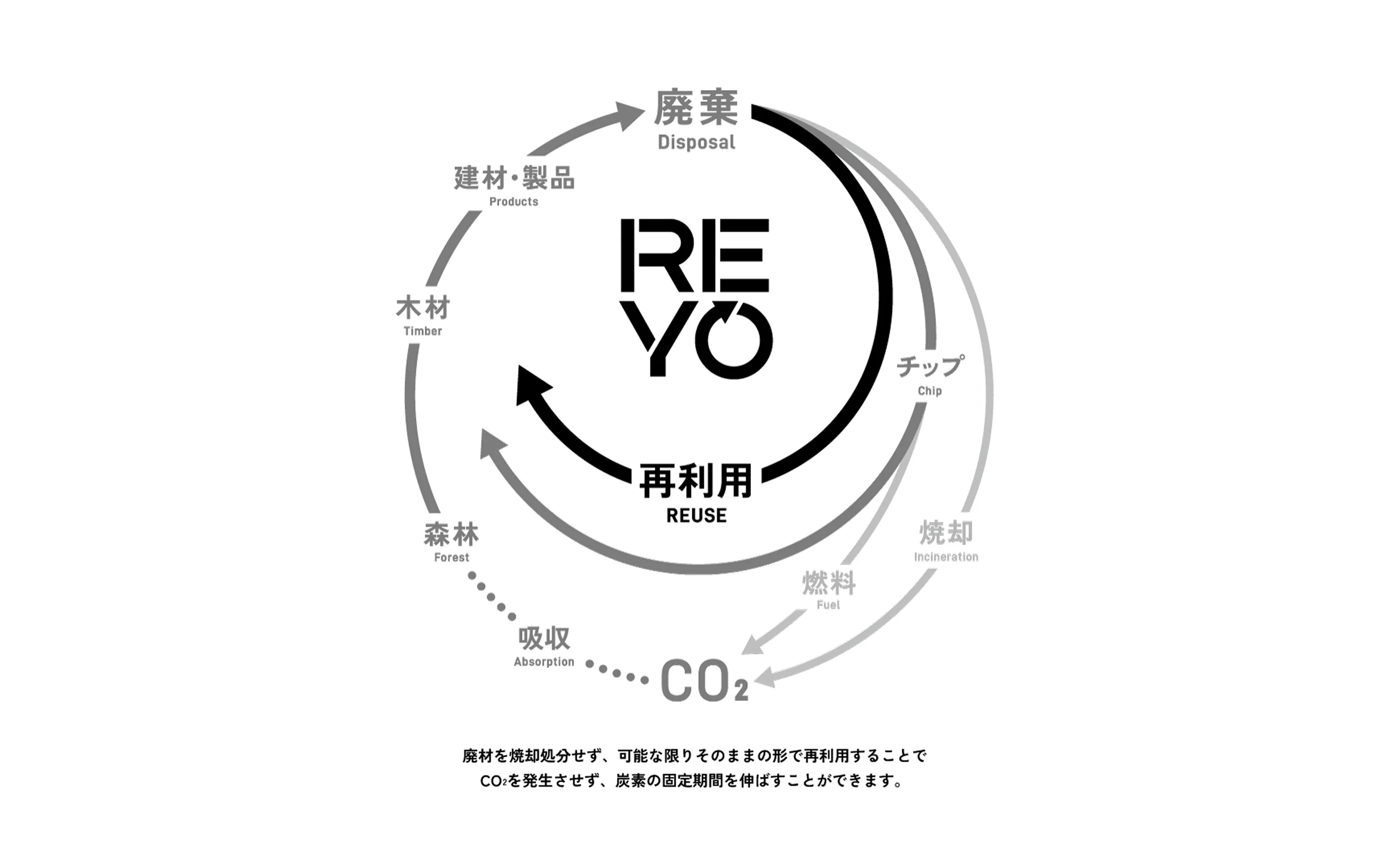
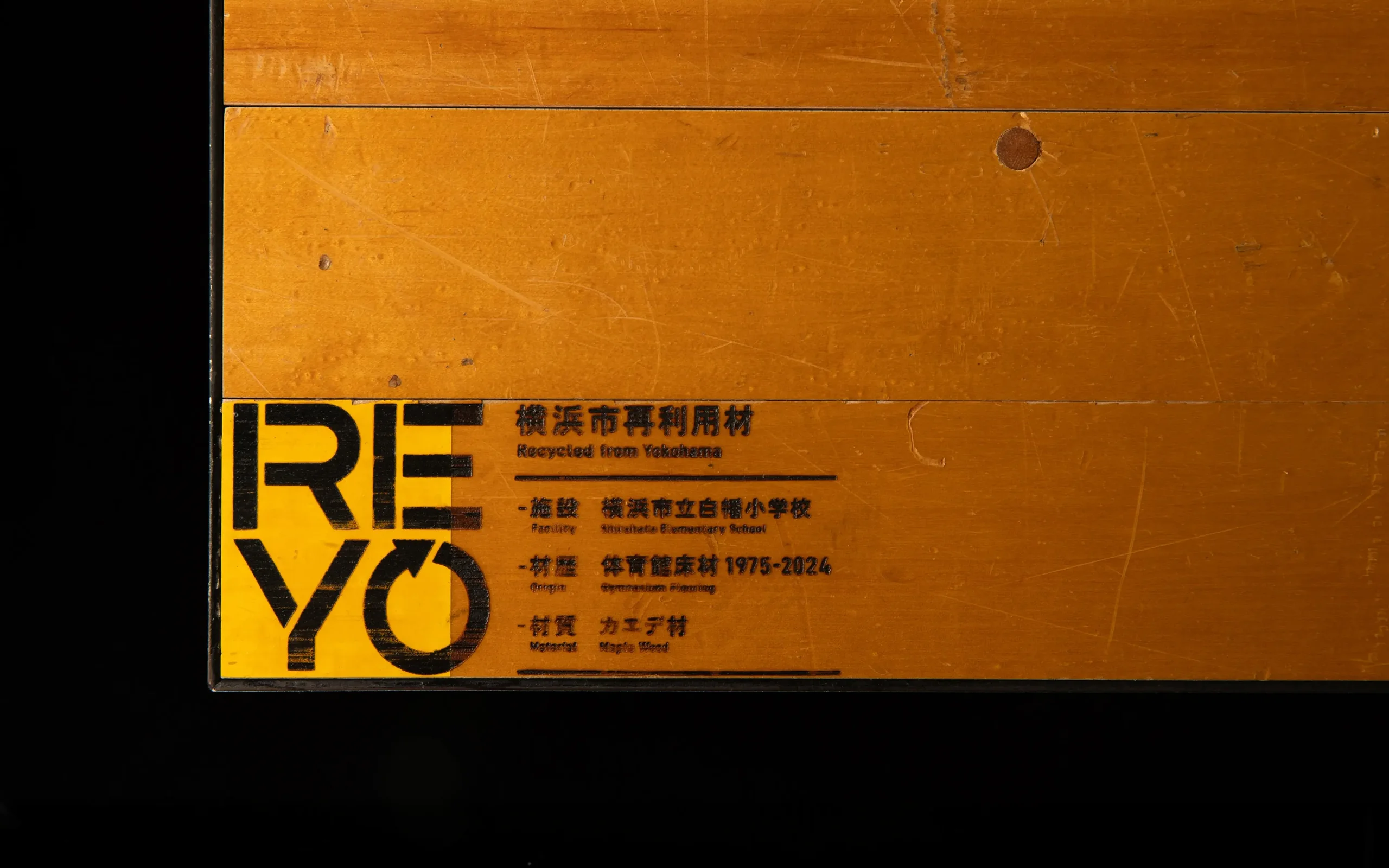
The logo expresses the project’s mission to realize a circular economy through material reuse. It integrates traceability—engraving the facility name, material type, and wood species—and is designed to be stamped directly onto the wood using NOSIGNER’s original stencil typeface.


Although still in its early stages, REYO aspires to grow into a city-wide movement that unites circular design initiatives under one name—much like YOXO, Yokohama’s innovation program that NOSIGNER branded. Through this collective effort, the project seeks to enhance Yokohama’s value as a Circular City and shape a more sustainable future.


CLIENT VOICE
チップ化して燃やすまでの期間を延ばし、木としての寿命を全うさせることが脱炭素につながります。そうした「もったいない」という想いと、脱炭素への共感がこの取組を進める意義になっています。NOSIGNERさんはそこに、「REYO」という親しみやすい名前と、廃材を「思い出の詰まった資源」と捉え直すコンセプトを提案してくれました。
特に、学校名や歴史を可視化するトレーサビリティのデザインは、単なる古材を「記憶の一部」という価値あるものに変えました。しっかりとしたブランディングを行い、様々な企業の方々に参加していただいたことで、素晴らしい製品がたくさん生まれました。私たちの部門だけではできなかったことが、こうして実現していくのは楽しいことです。
『出典:横浜市「地球1個分で暮らそう STYLE100」』
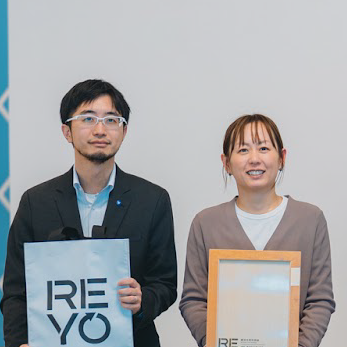
横浜市建築局
石土 健太郎/城向 咲
WHY
Must architecture, along with our memories, become waste?
Public buildings in Japan and around the world are maintained through regular renovation and repair. As a result, after a certain period of use, they are often refurbished or rebuilt—each time generating large volumes of construction waste, much of which remains perfectly reusable.
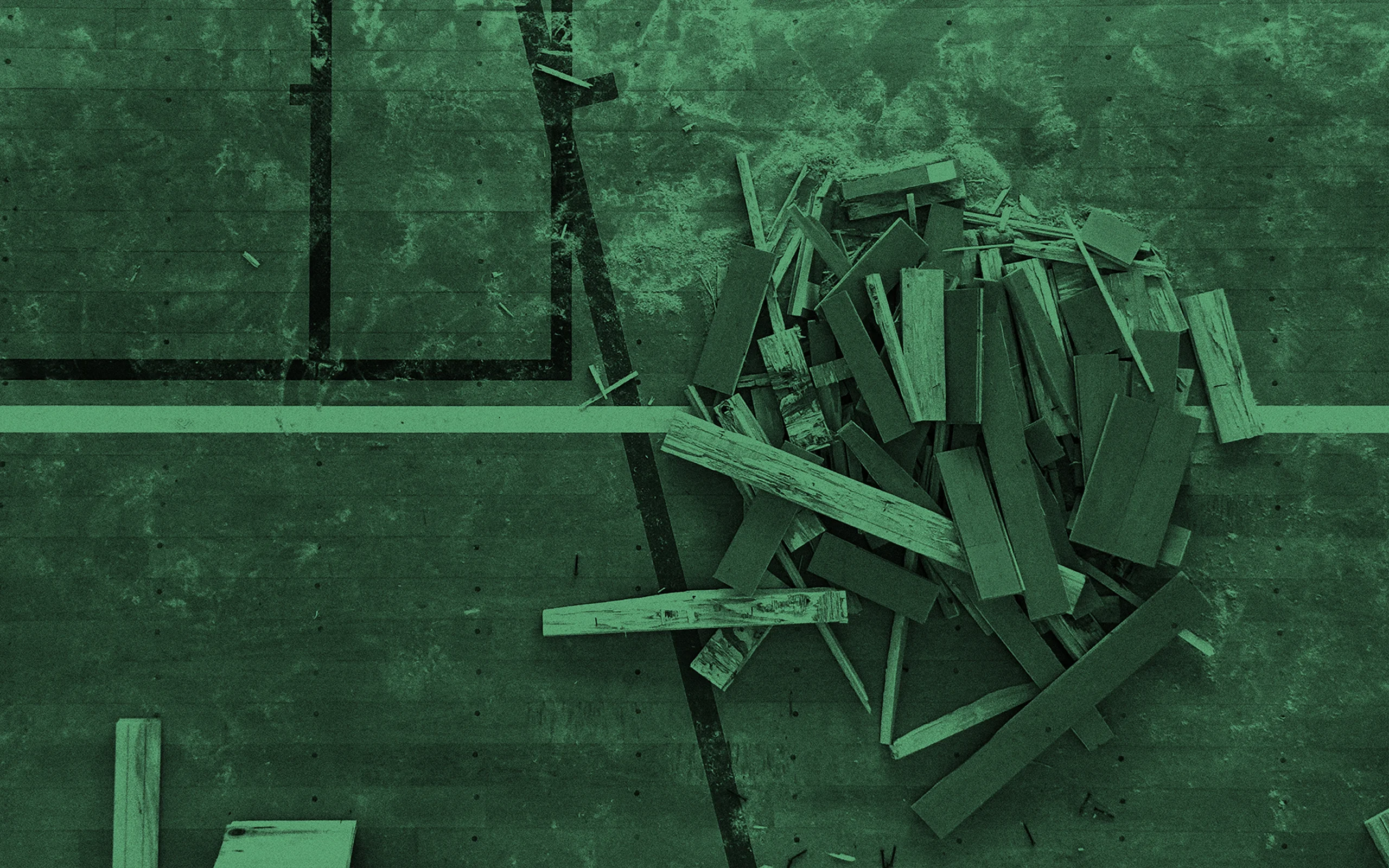
Yokohama, where NOSIGNER is based, is Japan’s largest municipality with a population of about 3.8 million and over 500 municipal elementary schools—the most of any city in the country. The gymnasium floors of these schools are replaced roughly every 40 years. Even within Yokohama alone, this process produces about 5,000 square meters of discarded flooring annually—equivalent to around ten full gymnasiums. If this amount scales proportionally with population across Japan, an estimated 165,000 square meters of flooring material may be disposed of nationwide each year.
The flooring used in public gymnasiums is typically made from hardwoods such as cherry or maple—materials that hold significant market value. Yet in practice, these woods are rarely reused as-is. Currently, around 85% of such waste is processed into wood chips and repurposed as fuel or pulp material.
Recognizing this issue, Yokohama began exploring new methods to make better use of construction waste from public buildings into resources that could carry memories forward.
The annual amount of discarded flooring wood material in Yokohama


WILL
Toward the future envisioned by Circular City Yokohama.
REYO was first unveiled through Yokohama Architecture Forum 2024, an event organized by the City of Yokohama. The debut featured exhibitions of original furniture made from reclaimed gymnasium flooring and workshops utilizing discarded materials. The circle of empathy for the project has since begun to expand, with private companies also joining the initiative to explore the potential of reused materials.
Reusing waste materials in their original form—known as cascade utilization—is one of the most sustainable approaches to realizing a circular economy. Moving forward, the project aims to expand its scope beyond gymnasium flooring to include other public building materials, fostering a culture of upcycling across the city.
Although still in its early stages, REYO aspires to grow into a city-wide movement that unites circular design initiatives under one name—much like YOXO, Yokohama’s innovation program that NOSIGNER branded. Through this collective effort, the project seeks to enhance Yokohama’s value as a Circular City and shape a more sustainable future.

INFORMATION
- What
- REYO
- When
- 2025
- Where
- Yokohama city, Tokyo
- Client
- Scope
- Branding / Logo / VI Guideline / Naming / Copywriting / Product / Furniture / Promotion Strategy support
- Award
- JAJapan Wood Design Award Top 25 (Chairman’s & Encouragement Award)2025
- SDGs
CREDIT
- Art Direction
- NOSIGNER (Eisuke Tachikawa)
- Graphic Design
- NOSIGNER (Eisuke Tachikawa, Yuta Horimoto, Tomoko Tezuka)
- Product Design
- NOSIGNER (Eisuke Tachikawa, Mahiro Kobayashi)
- Photograph
- NOSIGNER (Yuichi Hisatsugu), Masaharu Hatta