PROJECT
خلاقیت تکاملی
روششناسی خلاق الهام گرفته از تکامل بیولوژیکی. پذیرفته شده توسط بیش از ۷۰ شرکت و دانشگاه، برنده جایزه یاماموتو شیچیهی. به زبانهای چینی، کرهای و اندونزیایی ترجمه شده و در سطح جهانی گسترش یافته است.
HOW
سیستماتیک کردن آموزش خلاقیت با استفاده از تکامل بیولوژیکی.
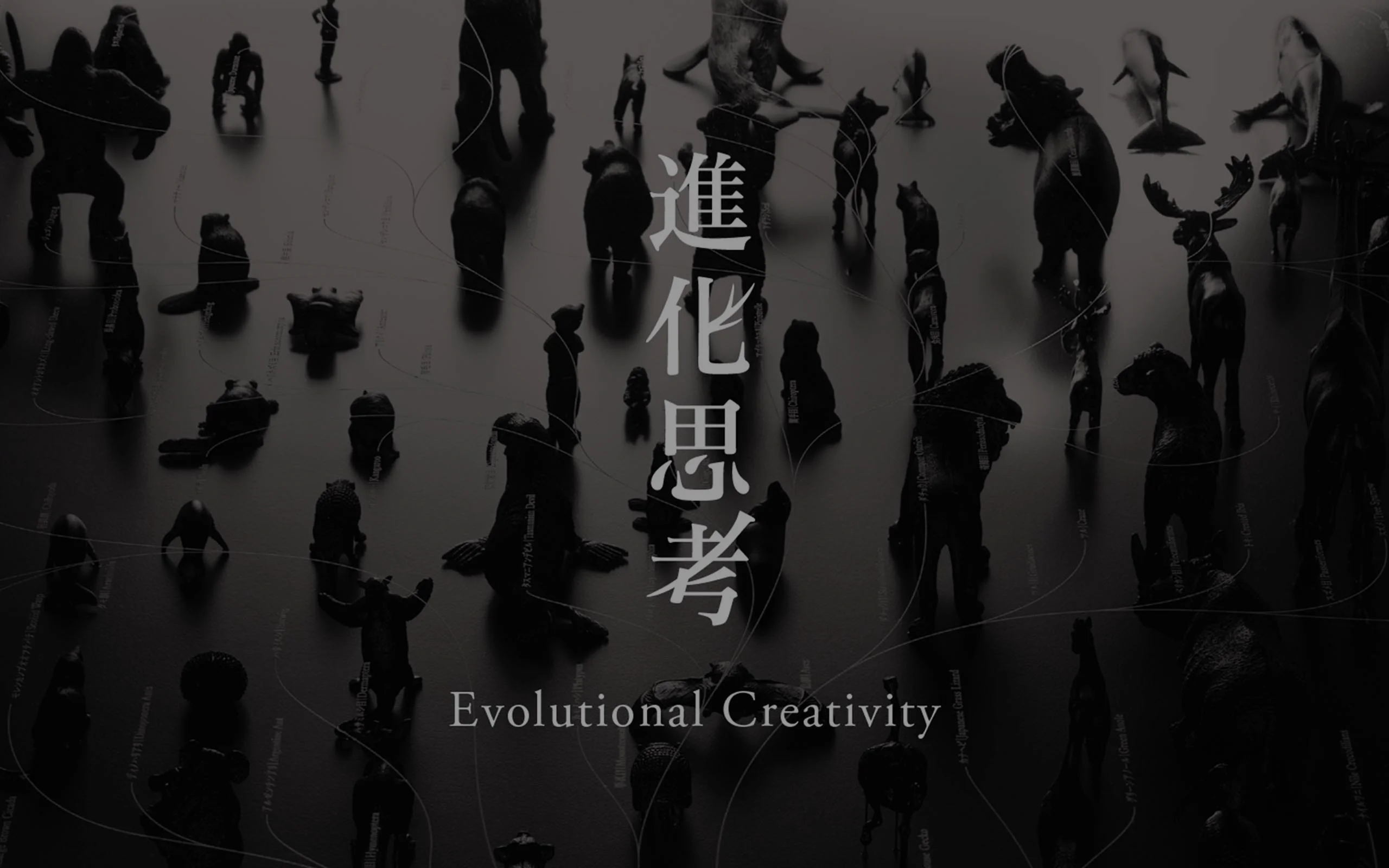
خلاقیت انسان آنقدر ویژه است که میتوان آن را پدیدهای ماوراءطبیعی در جهان طبیعی نامید. در میان دهها میلیون گونه در تاریخ ۳.۸ میلیارد ساله حیات روی زمین، هیچ گونه دیگری سطح خلاقیت ما را نشان نداده است. از آنجا که ما انسانها نیز بخشی از طبیعت هستیم، خلاقیت ما نیز باید به عنوان یک پدیده طبیعی در نظر گرفته شود.
در عین حال، وقتی به اشکال و فرمهای موجود در طبیعت نگاه میکنیم، ممکن است فکر کنیم طبیعت حتی از انسانها هم خلاقتر است. چرا چنین است؟
از این دیدگاه، ایسوکه تاچیکاوا، رئیس NOSIGNER، فکر میکند که خلاقیت انسان پدیدهای شبیه به تکامل موجودات زنده است. او به تلاش برای ساختاردهی خلاقیت بر اساس تکامل طبیعی ادامه داده است. او بدین ترتیب خلاقیت تکاملی را ابداع کرده است، روشی سیستماتیک و خلاقانه برای تفکر که کارکرد تکامل موجودات زنده را در طراحی و نوآوری به کار میبرد.
موجودات زنده از طریق جهشهایی که به طور تصادفی رخ میدهد و انتخابهایی که به دلیل ضرورت ناشی از عوامل محیطی و شرایط دیگر رخ میدهد، تکامل مییابند. این دو فرآیند به طور ژنتیکی برای نسلها تکرار میشود.
اگر خلاقیت ما به همین شکل کار کند، پس بسیاری از اختراعات و نوآوریهای بشر که جهان را متحول کردهاند، میتوانند به این فرآیندهای متناوب ناشی از تصادف و ضرورت نسبت داده شوند. هیچ قصد آگاهانهای در هر دو فرآیند تصادفی و ضروری وجود ندارد. این دو فرآیند به سادگی بین خود متناوب میشوند تا به سازگاری بهینه نزدیکتر شوند.
خلاقیت چیزی است که به طور خودمختار و بدون وابستگی به قصد آگاهانه خالق رخ میدهد. بر اساس این ایده، خلاقیت تکاملی فرآیند تناوب بین ایدههای جهشیافته متولد از تصادف دیوانهوار و غیرمتعارف و ایدههای انتخابی متولد از ضرورت سازگاری با شرایط فعلی است. این فرآیند خلاقیت متناوب برای نسلها ادامه مییابد.
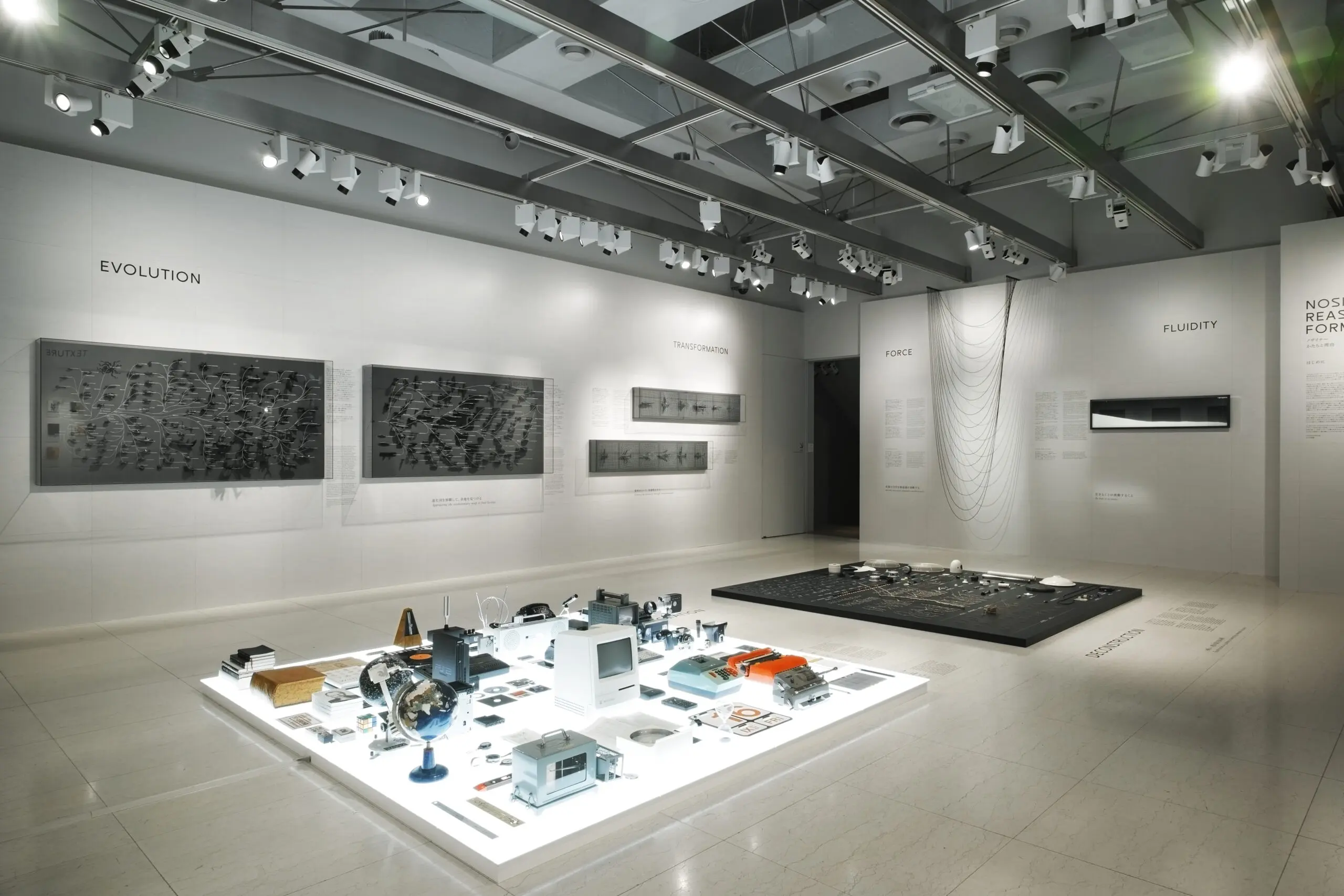

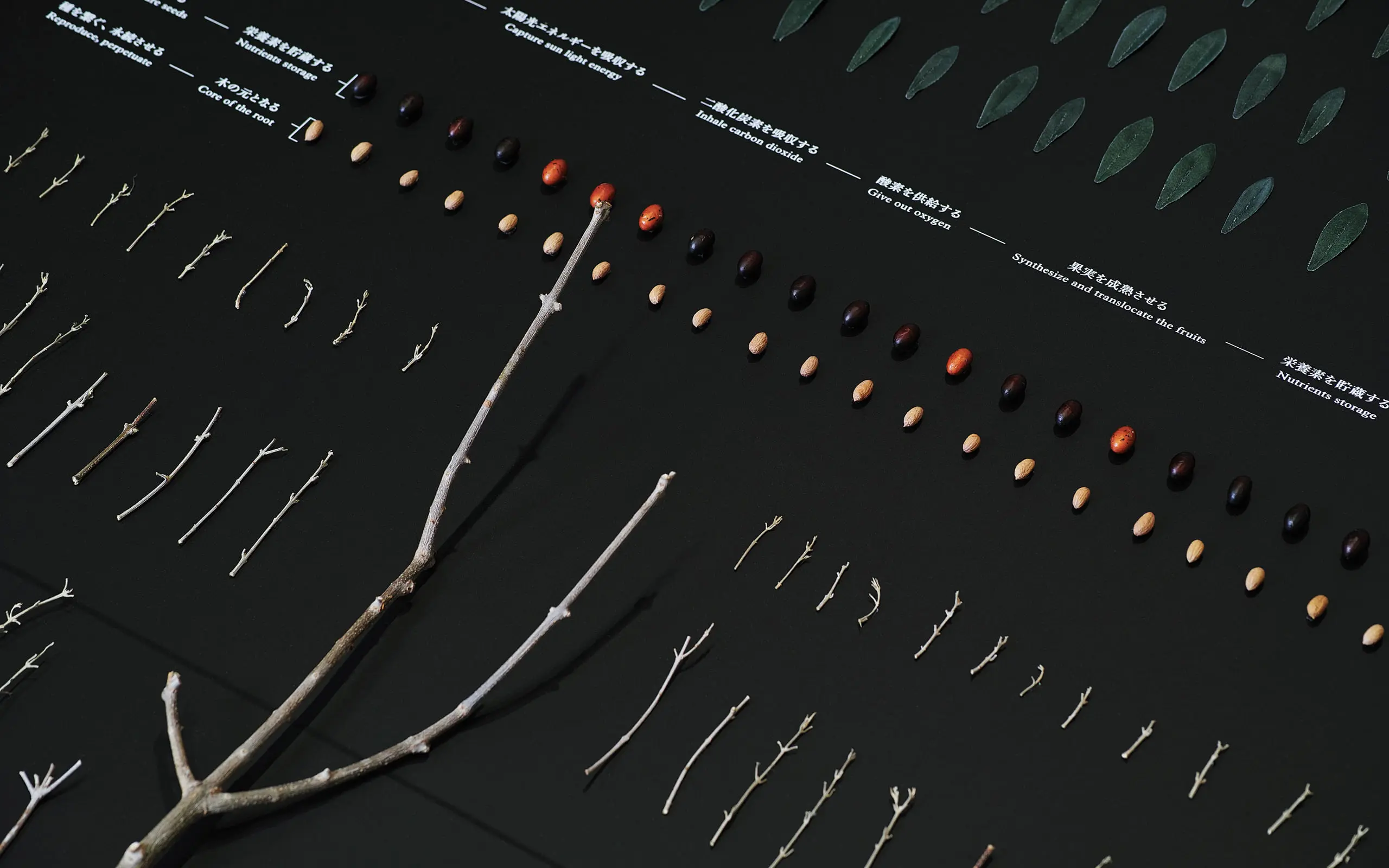
تاچیکاوا در حال مطالعه ارتباط بین طراحی و زبان بوده است، و او معتقد است که منبع خلاقیت انسان از زبان میآید. و کلید تکامل موجودات زنده، جهش DNA است که بسیار شبیه به زبان است.
خطاهای کپی DNA را میتوان به تلفظ نادرست و شنیدن غلط زبان تشبیه کرد. بر اساس این فرضیه، تاچیکاوا تئوری میکند که تکامل و خلاقیت الگوهای مشابهی از جهش تولید میکنند.
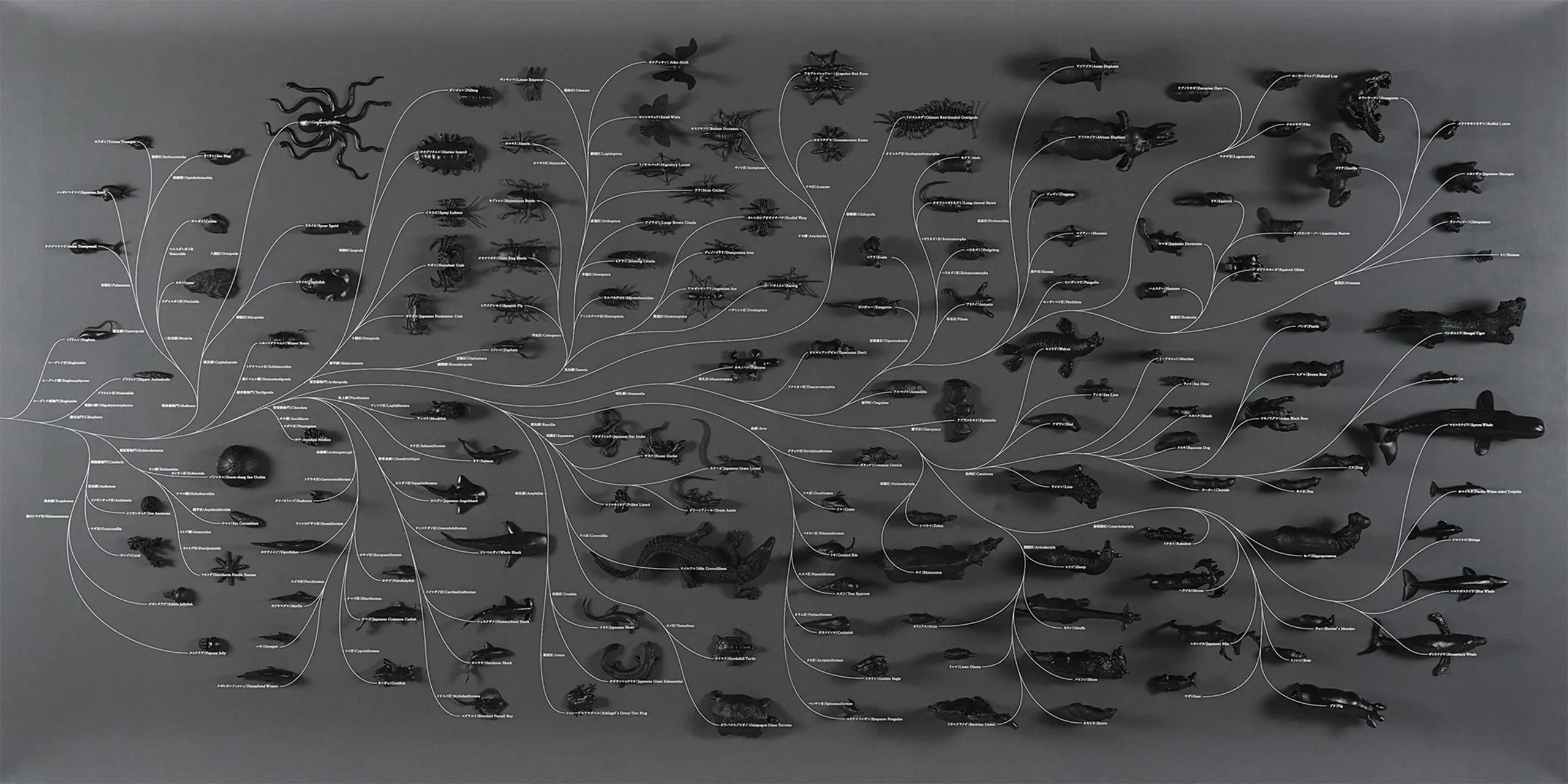
الگوهای مشابه موجود در تکامل موجودات زنده در اختراعات و فرهنگهای متنوع انسانی نیز مشهود است. خلاقیت تکاملی این الگوهای مشابه را به فرآیند خلاقیت اعمال میکند. خطاهایی که منجر به ایدههای جدید میشوند به نه نوع دستهبندی میشوند.
با استفاده از نه الگوی جهش متنوع، ناپدید، ادغام، معکوس، جدا، جایگزین، هماهنگ، انتقال و تکثیر به عنوان ابزارهایی از جعبه ابزار، میتوانیم تعداد زیادی خطای تصادفی تولید کنیم تا در مدت زمان کوتاهی ایدههای زیادی خلق کنیم. اینها ایدههای جهشیافته هستند.
پس چگونه ایده خوبی را از این نوع خطاها انتخاب کنیم؟ در دنیای طبیعی، میتوانیم مشاهده کنیم که موجودات زنده چگونه انتخابهایی را برای سازگاری با محیط خود انجام میدهند. اگر از رویکرد طولانیمدت و تصفیهشده دانشمندان طبیعی برای مشاهده دنیای طبیعی یاد بگیریم، ممکن است بتوانیم ایدههای سازگار را انتخاب کنیم.
در حین مطالعه روشهای مختلف مشاهده در علوم طبیعی، تاچیکاوا متوجه شد که تنها چهار دیدگاه وجود دارد که هم زمان و هم مکان را در بر میگیرد. هر کدام یک سیستم مشاهده بیولوژیکی تثبیتشده بود.
چهار دیدگاه عبارتند از آناتومی برای درک قسمتهای داخلی، اکوسیستم برای درک محیط خارجی، نسبنامه برای درک توسعه شجرهنامه، و پیشبینی برای تأمل در آینده با دو رویکرد پیشبینی و پسبینی. او این چهار روش سازگاری را سیستماتیک کرد و آنها را یادگیری فضایی-زمانی نامید. با تجزیه و تحلیل شرایط از طریق این چهار دیدگاه که زمان و مکان را در بر میگیرد، میتوانیم درک کنیم که جامعه چگونه تحت فشار قرار میگیرد تا انتخابهای اجتنابناپذیری را انجام دهد. سپس میتوانیم با انتخاب ایدههای محکم، متناسب با آنها مقابله کنیم.
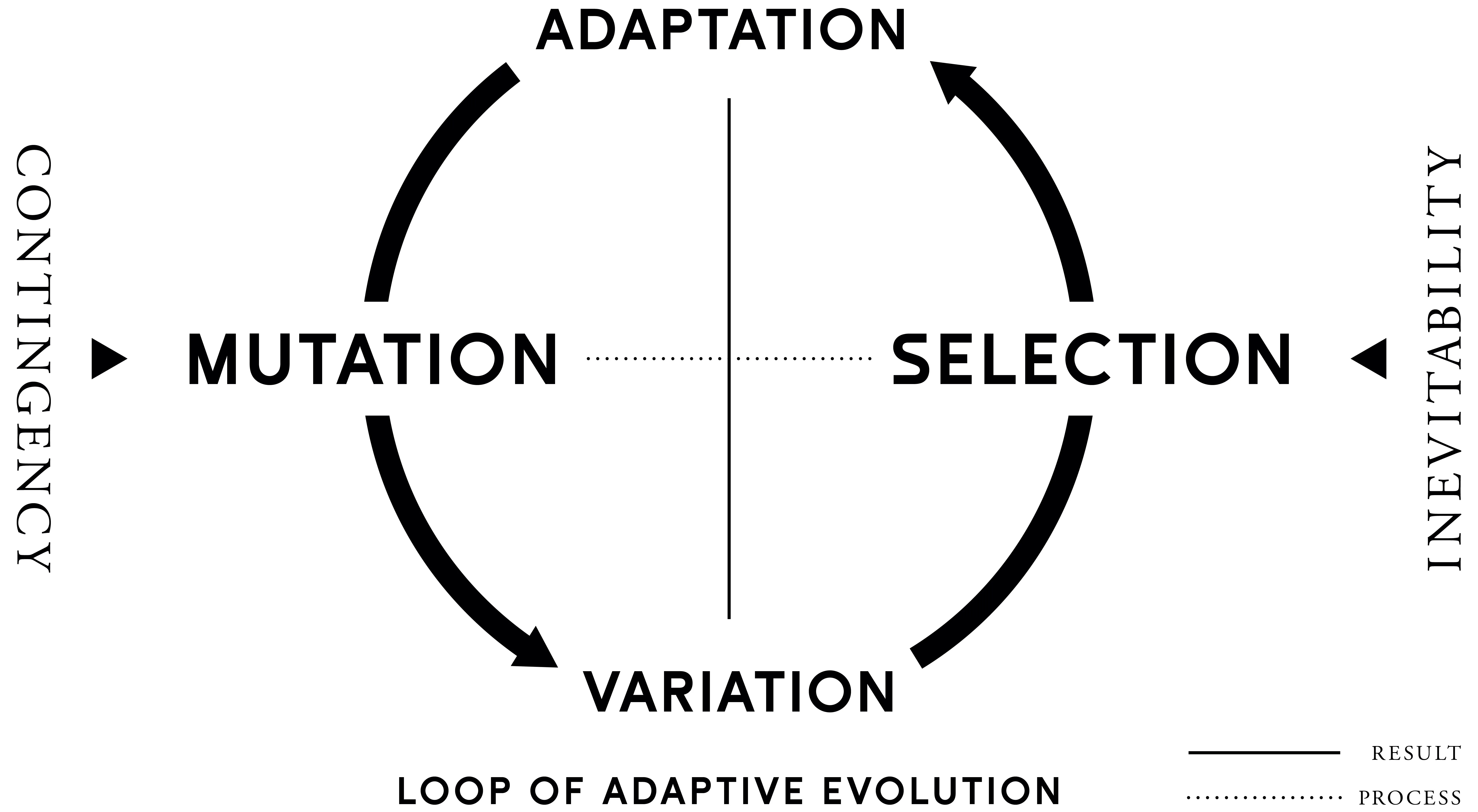
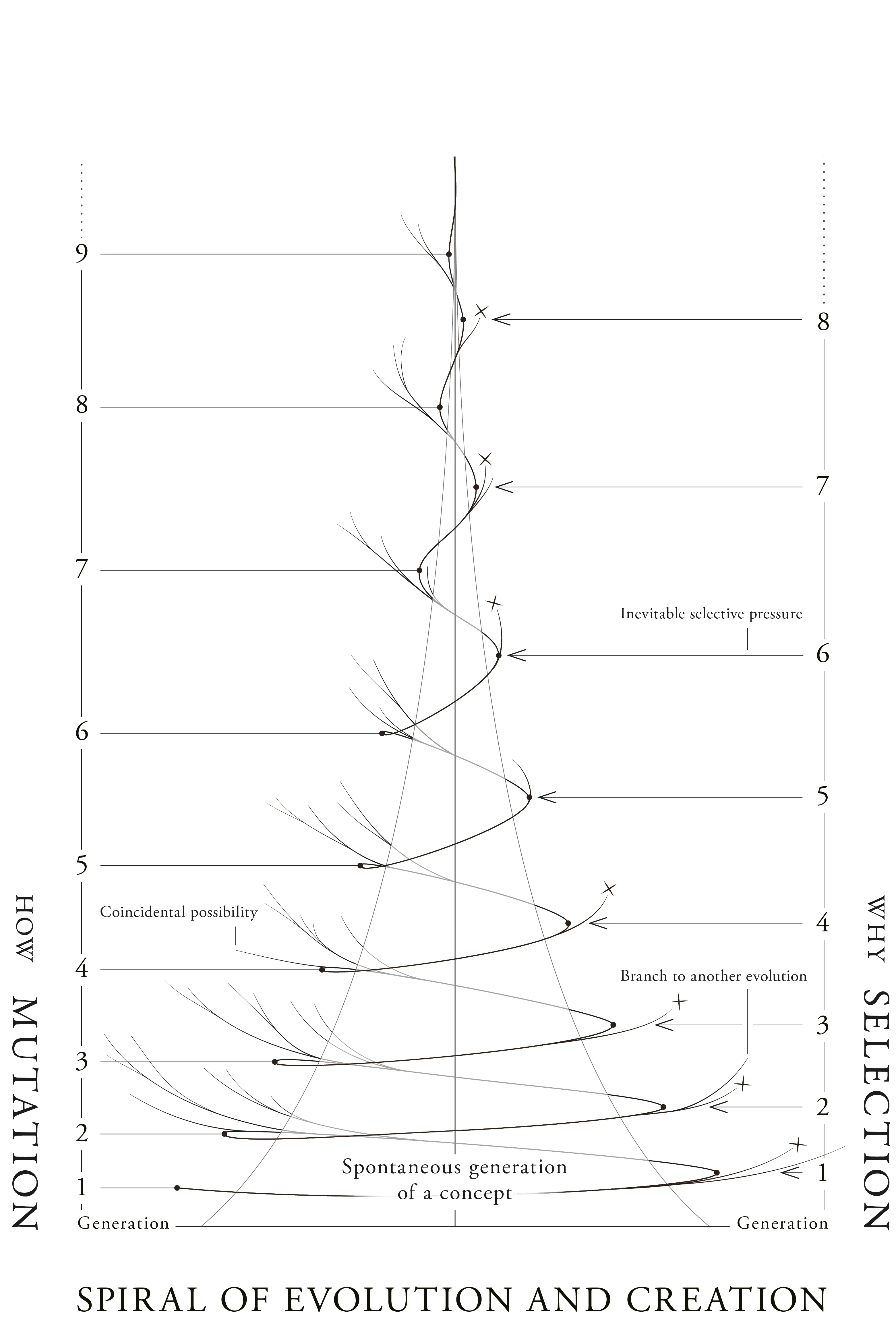
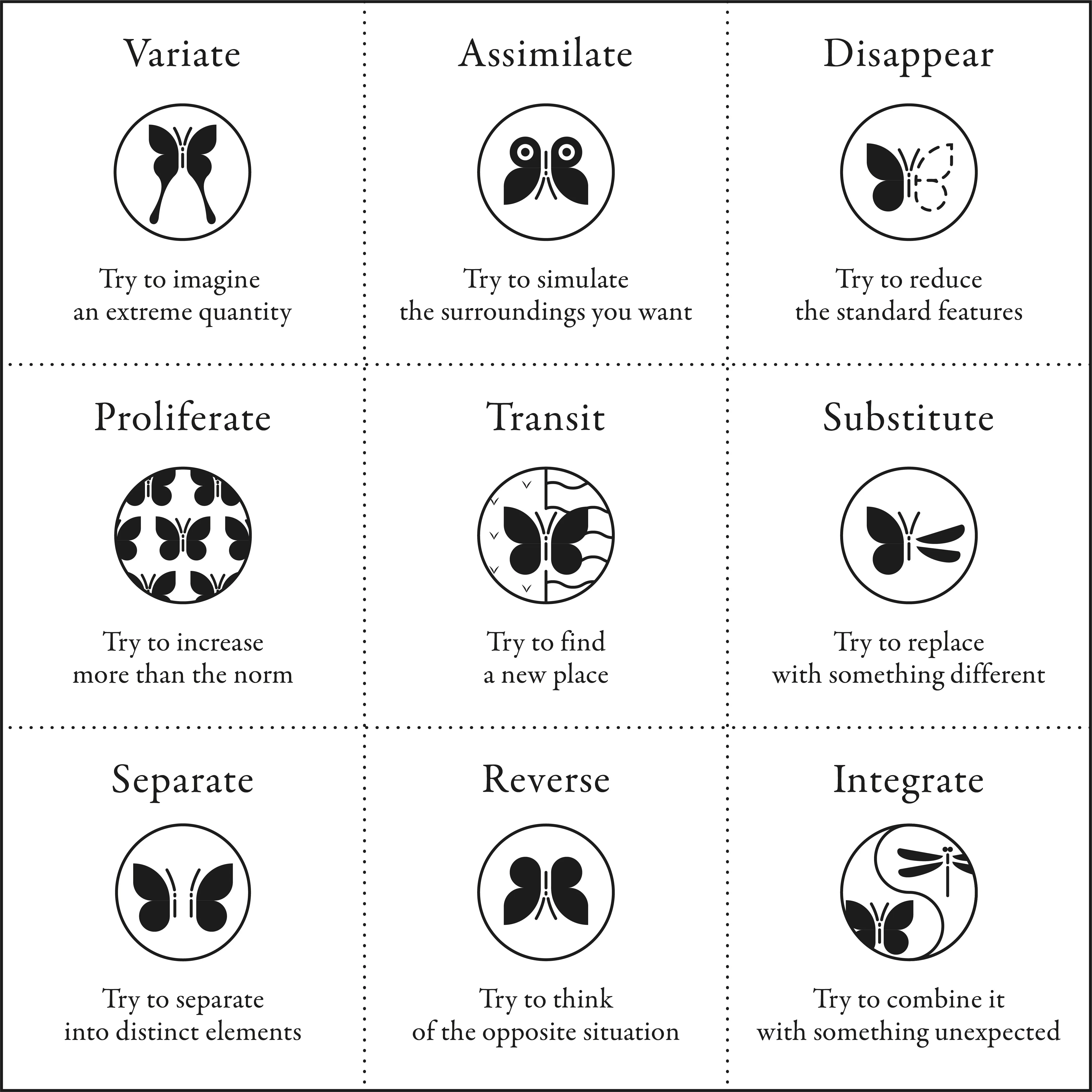
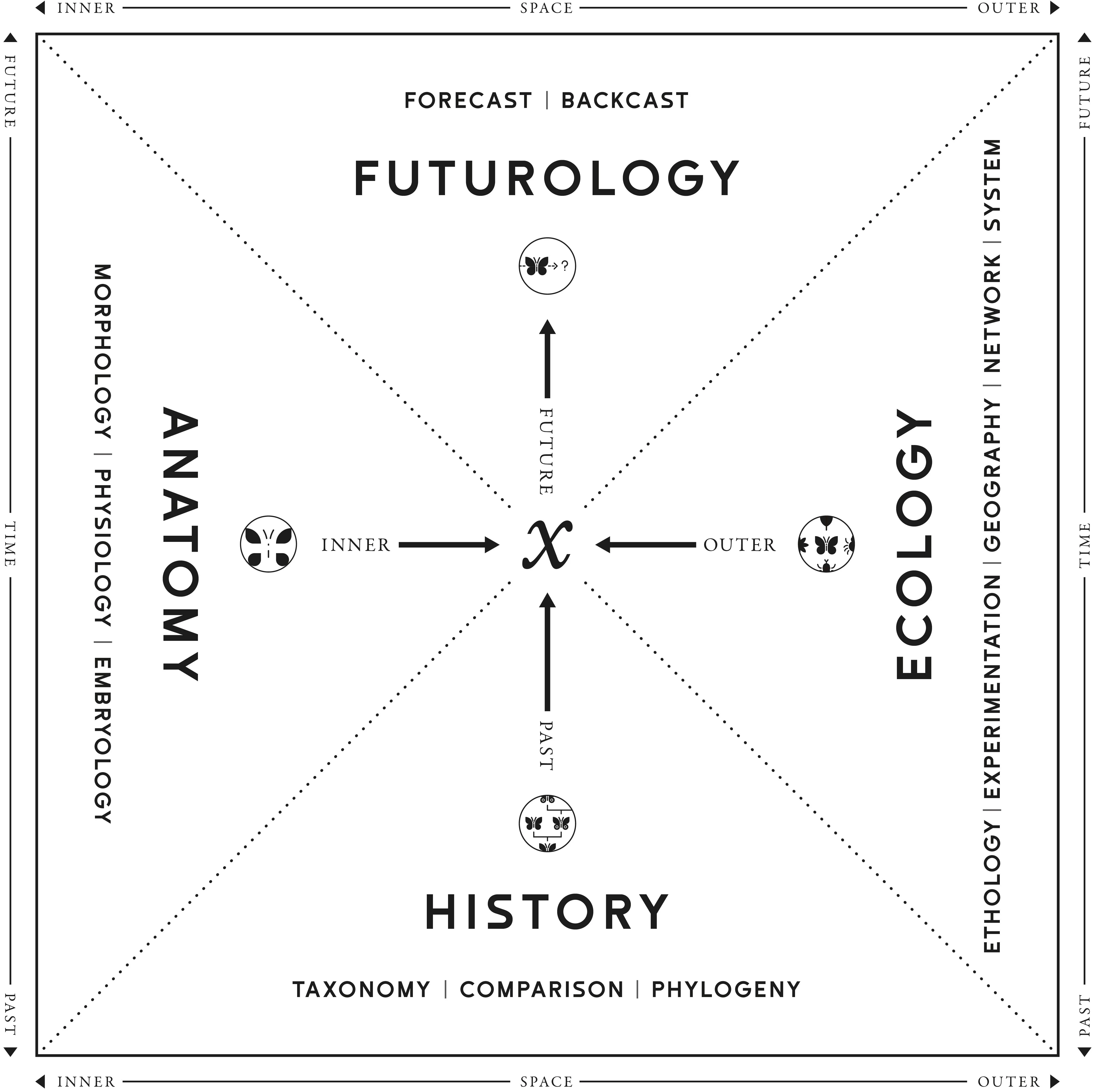
خلاقیت تکاملی روشی از تفکر است برای ایجاد مفاهیم خلاقانهای که میتوانند برای مدت طولانی زنده بمانند در حالی که از دو ایده جهش و انتخاب استفاده و بین آنها تناوب میکند.
(ویرایش اول کتاب خلاقیت تکاملی از عبارت "جهش و تطبیق" در ارجاع به جهش تصادفی و انتخاب طبیعی با هدف تطبیق استفاده کرده بود. با این حال، ویرایش تجدید نظر شده عبارت را به "جهش و انتخاب" تغییر داده است تا بیشتر با صحت علمی همراستا باشد.)
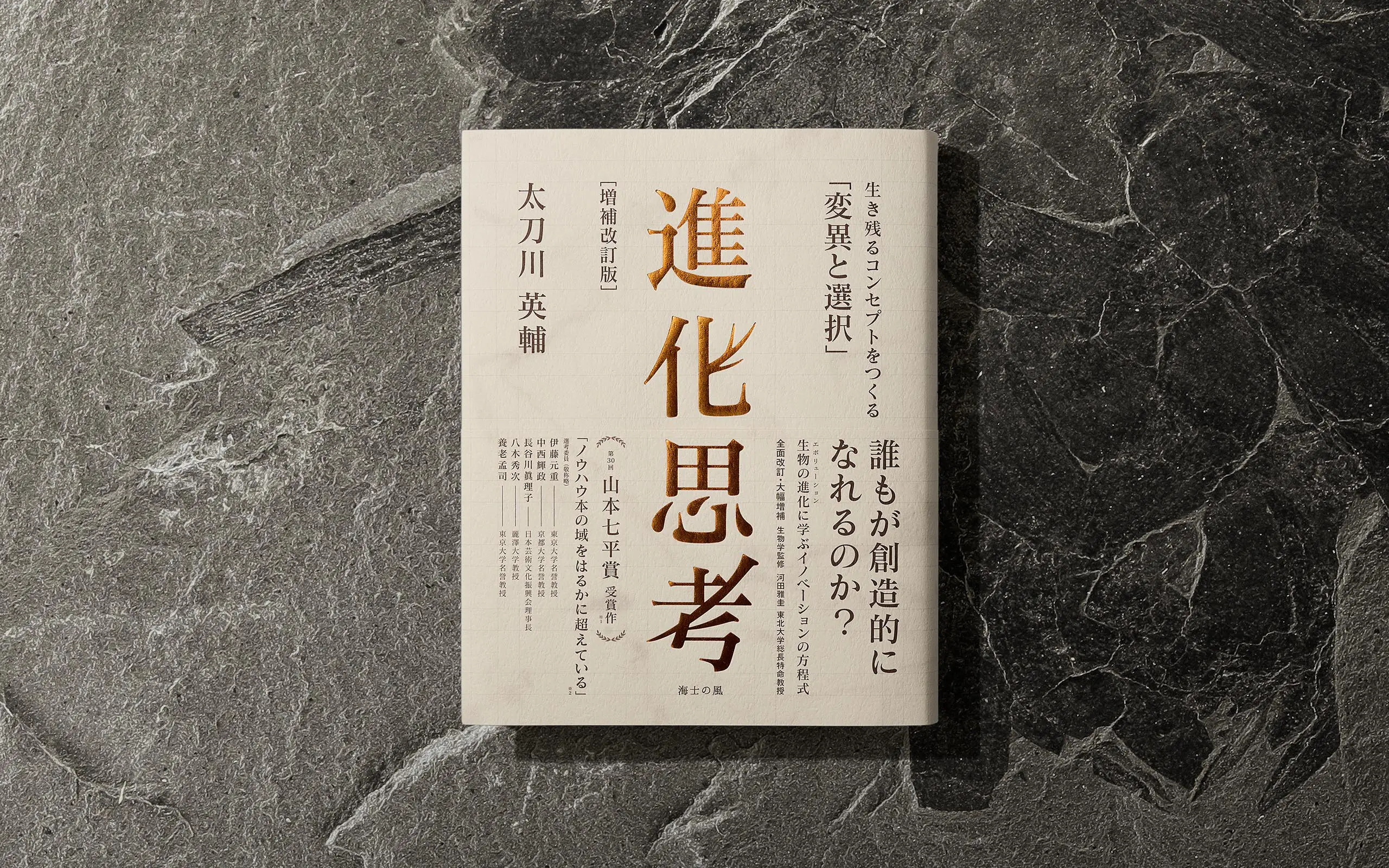
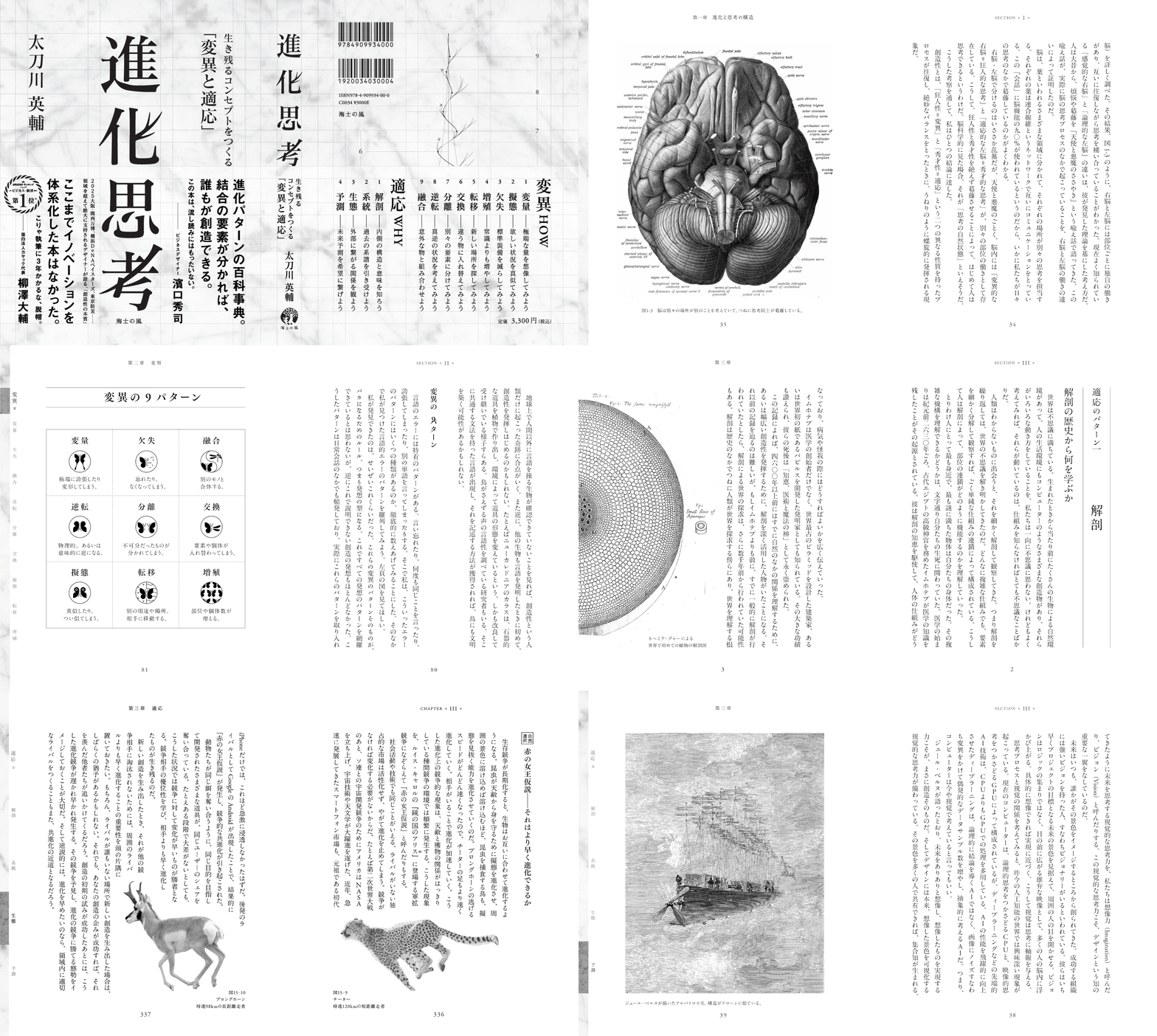
در آوریل ۲۰۲۱، کتاب خلاقیت تکاملی به عنوان اولین کتاب منتشر شده توسط آمانوکازه به فروش رسید، اولین ناشری که در آما، استان شیمانه، در جزیرهای دورافتاده با جمعیتی حدود ۲۰۰۰ نفر نزدیک مرزهای ملی تأسیس شد. علیرغم انتشار در مکانی دورافتاده، این کتاب به پرفروشترین کتاب شماره یک آمازون ژاپن در دستهبندی کسب و کار و اقتصاد تبدیل شد. در عرض یک هفته پس از انتشار، ۳۰۰۰۰ نسخه در سه چاپ فروخت. فروش کتاب همچنان به طور گسترده ادامه دارد.
این کتاب همچنین جوایز متعددی در ژاپن برنده شده است. یکی از آنها جایزه یاماموتو شیچیهی بود، جایزهای معتبر دانشگاهی که هر چند سال یکبار به کتابهای علوم انسانی که نماینده ژاپن هستند، اعطا میشود. کمیته انتخاب شامل دو زیستشناس (آناتومیست تاکشی یورو و زیستشناس تکاملی ماریکو هاسگاوا)، اقتصاددان علوم اجتماعی موتوشیگه ایتو، دانشمند علوم سیاسی ترومازا ناکانیشی، و محقق حقوق هیدتسوگو یاگی بود. کتاب تحسین دانشگاهی فراتر از علوم انسانی و طبیعی دریافت کرد.
با خلاقیت تکاملی، میخواهیم ثابت کنیم که حتی از مکانی دورافتاده نیز میتوانیم جهان را تغییر دهیم. همچنین میخواهیم این برنامه آموزش خلاقیت جدید را به سراسر جهان گسترش دهیم.
GUEST VOICE
進化にはさまざまな法則が認められている。著者はそれらを参考にして、いわゆるイノベーションの参考資料にしようとする。
各論については、本書を読んでいただくしかないが、進化における諸法則を応用して考えるという着想の新しさは、たんなるノウハウ本の域をはるかに超えている。
各項目に関して述べられる事例も生き生きとしていて、読み物としても面白い。この点は、著者が絶えず思考を止めないことを示している。地球上での三十五億年の生物進化の解答が現在のわれわれであって、その過程がわれわれを創りあげてきた。それならその過程を左右した法則が、今後の過程の進行の参考にならないはずがない。
著者の方法は基本的にはアナロジーであり、動物行動学者のコンラート・ローレンツはノーベル賞受賞講演のなかで、自分の方法はアナロジーだけだ、と述べた。いわゆる「独創性」を重視する学問研究の世界では、これをいう人は少ない。しかしイノベーションのように「独創性」が重視される局面では、アナロジーのもつ意味は重要で、本作品はその意味で貴重であり、山本七平賞に値するものといえよう。
تکامل از قوانین مختلف شناختهشدهای پیروی میکند. نویسنده از این قوانین بهعنوان پایهای استفاده میکند و هدفش ارائه مطالب مرجع ارزشمندی برای آنچه نوآوری نامیده میشود است.
در حالی که جزئیات هر مورد بهتر است با خواندن خود کتاب بررسی شود، اصالت ایده—اعمال اصول تکاملی در تفکر درباره نوآوری—بسیار فراتر از یک راهنمای معمولی "چگونه انجام دهیم" است. مثالهایی که در هر بخش ارائه شدهاند، زنده و جذاب هستند و کتاب را بهعنوان خواندنی لذتبخش میسازند. این نشاندهنده تفکر مداوم و بیوقفه نویسنده است.
۳.۵ میلیارد سال تکامل زیستی روی زمین به ما منجر شده و آنچه امروز هستیم را شکل داده است. اگر آن فرآیند توسط قوانین خاصی هدایت میشد، دلیلی وجود ندارد که همان قوانین نتوانند بهعنوان مرجعی برای فرآیندهای آینده عمل کنند.
رویکرد نویسنده اساساً قیاسی است. کونراد لورنز، جانورشناس رفتاری، زمانی در سخنرانی جایزه نوبل خود اشاره کرد که روش او صرفاً قیاسی بود. در دنیای آکادمیک که اغلب بر "اصالت" تأکید میکند، تعداد کمی این را اعتراف میکنند. با این حال، در زمینههایی که اصالت ارزشمند است—مانند نوآوری—اهمیت قیاس روشن میشود. از این نظر، این اثر بسیار ارزشمند و شایسته جایزه یاماموتو شیچیهی است.

استاد بازنشسته، دانشگاه توکیو
تاکشی یورو
منظره شهر آما توسط کاشو کنیچی
درباره طراحی کتاب
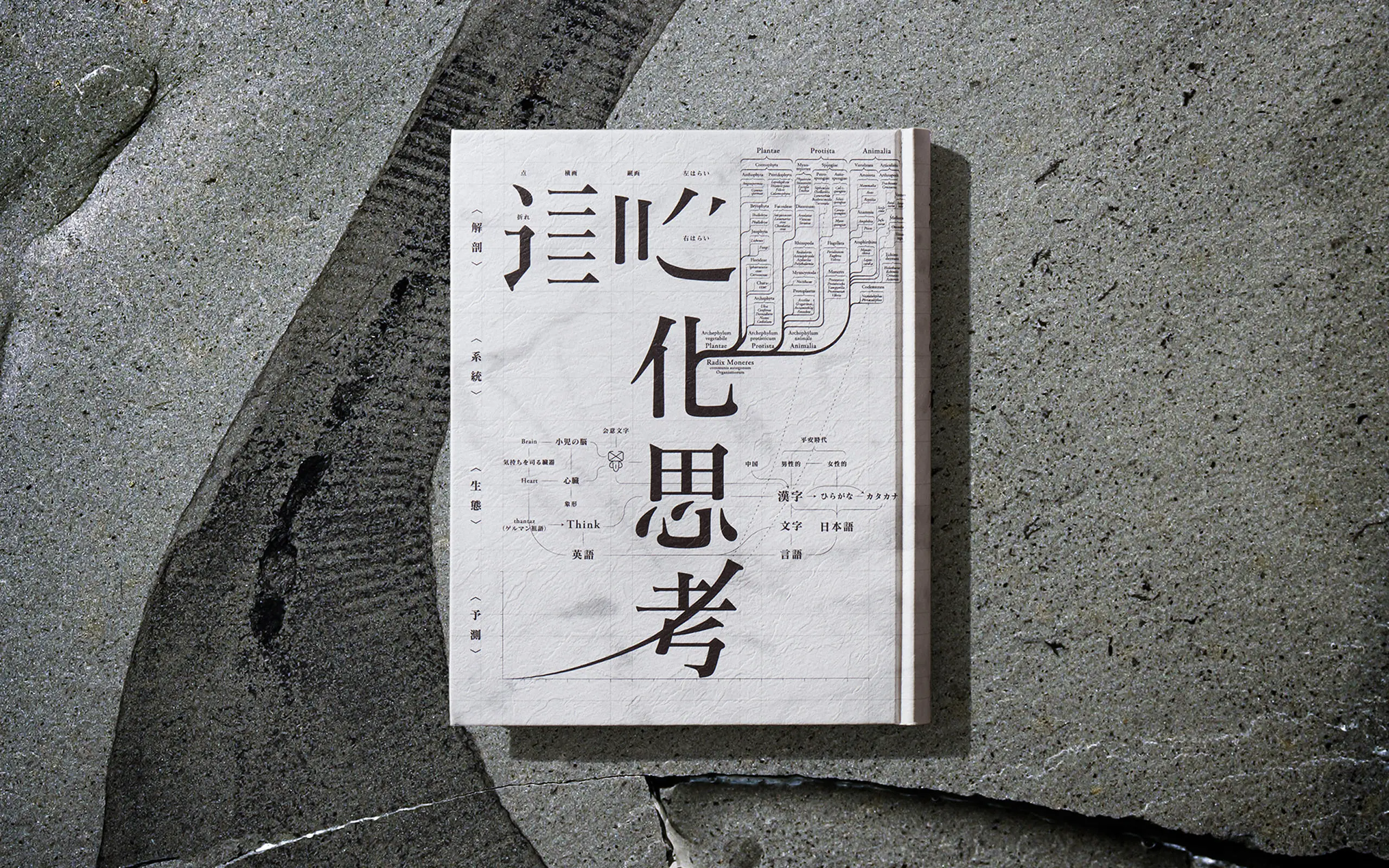
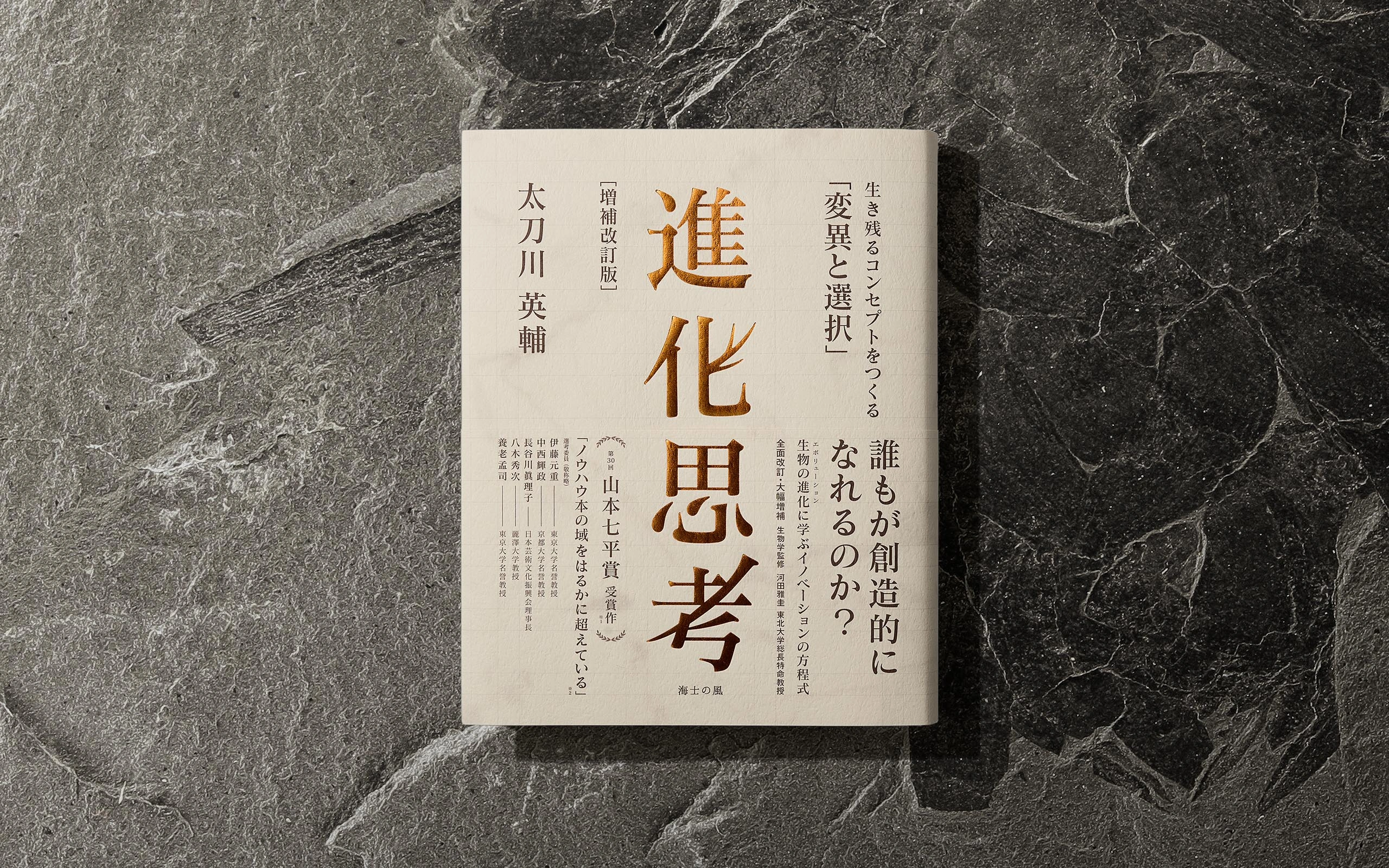
کتاب توسط تاچیکاوا، خود نویسنده طراحی شد.
او میخواست کتاب فراتر از زمان حال محبوب باقی بماند. با الهام از لایههای زمینشناسی که برای اعصار شکل گرفتهاند، تصمیم گرفت طراحی و بافتی شبیه سنگ ایجاد کند. این همچنین ادای احترامی به تحقیقات زمینشناسی جیمز هاتون بود که بر نظریه تکامل چارلز داروین تأثیر گذاشت.
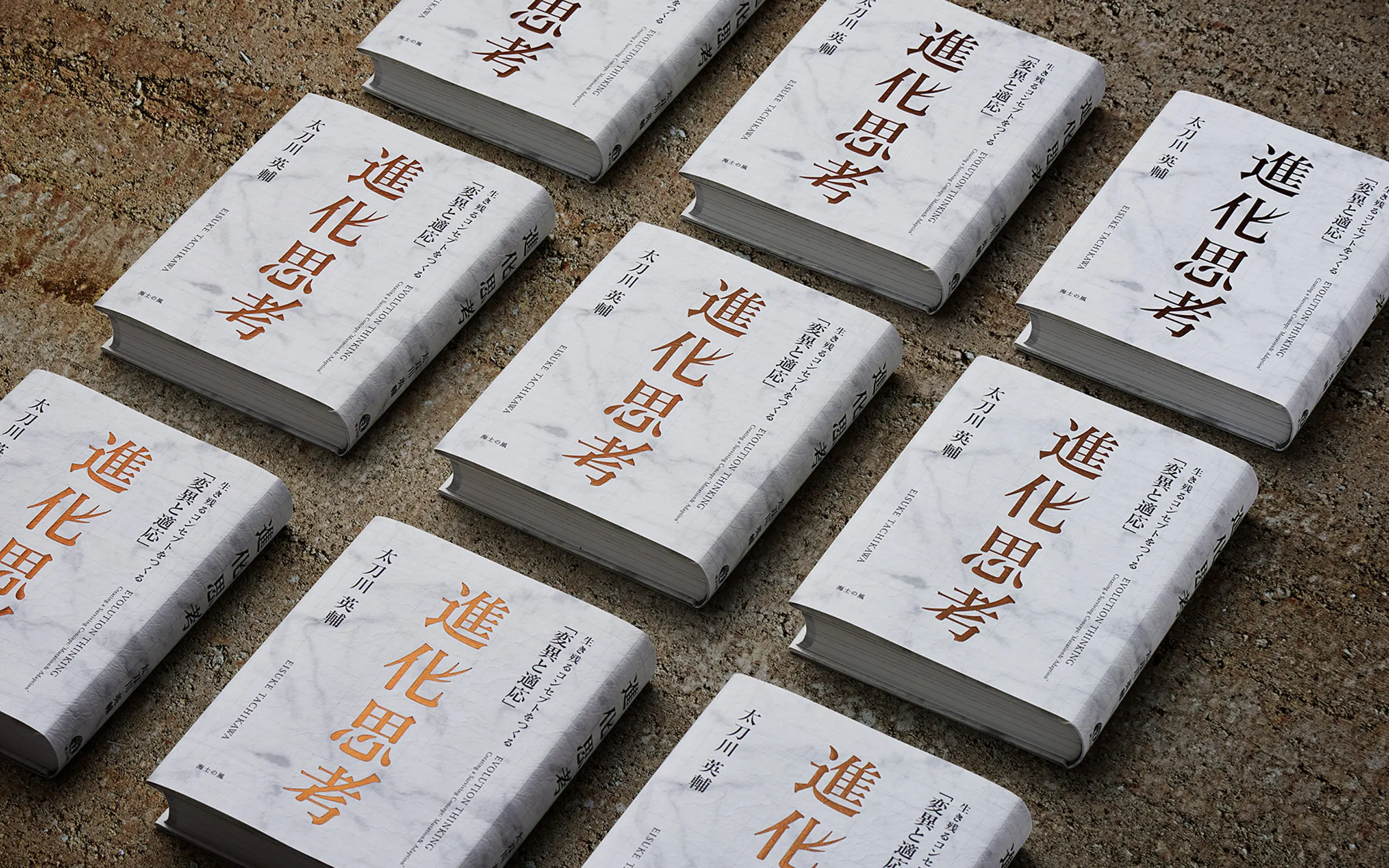
جلد کتاب از کاغذ طرحدار برجسته (به نام "ایوا-هادا" یا سطح سنگ) با بافت سنگمانند استفاده میکند که روی آن طرح مرمری چاپ شده است. از آنجایی که لبههای کتاب نیز همین طرح مرمری را دارند، کتاب ۵۰۰+ صفحهای مانند یک آجر سنگی ضخیم و محکم به نظر میرسد. همچنین، با حذف عناصر تزئینی تا حد امکان و داشتن طراحی مینیمالیستی، تن رنگی یکنواخت حفظ شده است. این طراحی کتابی جاودانه و جذاب است که تحت تأثیر هیچ روند طراحی قرار نمیگیرد.
لوگوی عنوان کتاب چهار کاراکتر کانجی (進 化 思 考) را در حال تغییر بر اساس الگوهای جهش خلاقیت تکاملی شامل تکثیر، جذب، معکوسسازی و تنوعبخشی نشان میدهد. زمانی که جلد کاغذی برداشته شود، جلد کتاب همان چهار کاراکتر کانجی را به عنوان نمایشهای بصری چهار ایده یادگیری فضایی-زمانی نشان میدهد: آناتومی، نسب، اکوسیستم و پیشبینی.
لوگوی چاپ شده ممکن است هنگام نگاه کردن مستقیم از بالا سیاه به نظر برسد، اما هنگام نگاه کردن از زاویه قهوهای به نظر میرسد. این اثر از طریق فویل مهر داغ "قهوهای قهوه" شرکت موراتا کیمپاکو ایجاد شده و طوری طراحی شده که مانند جواهراتی که به طور ملایم در مرمر میدرخشند به نظر برسد.
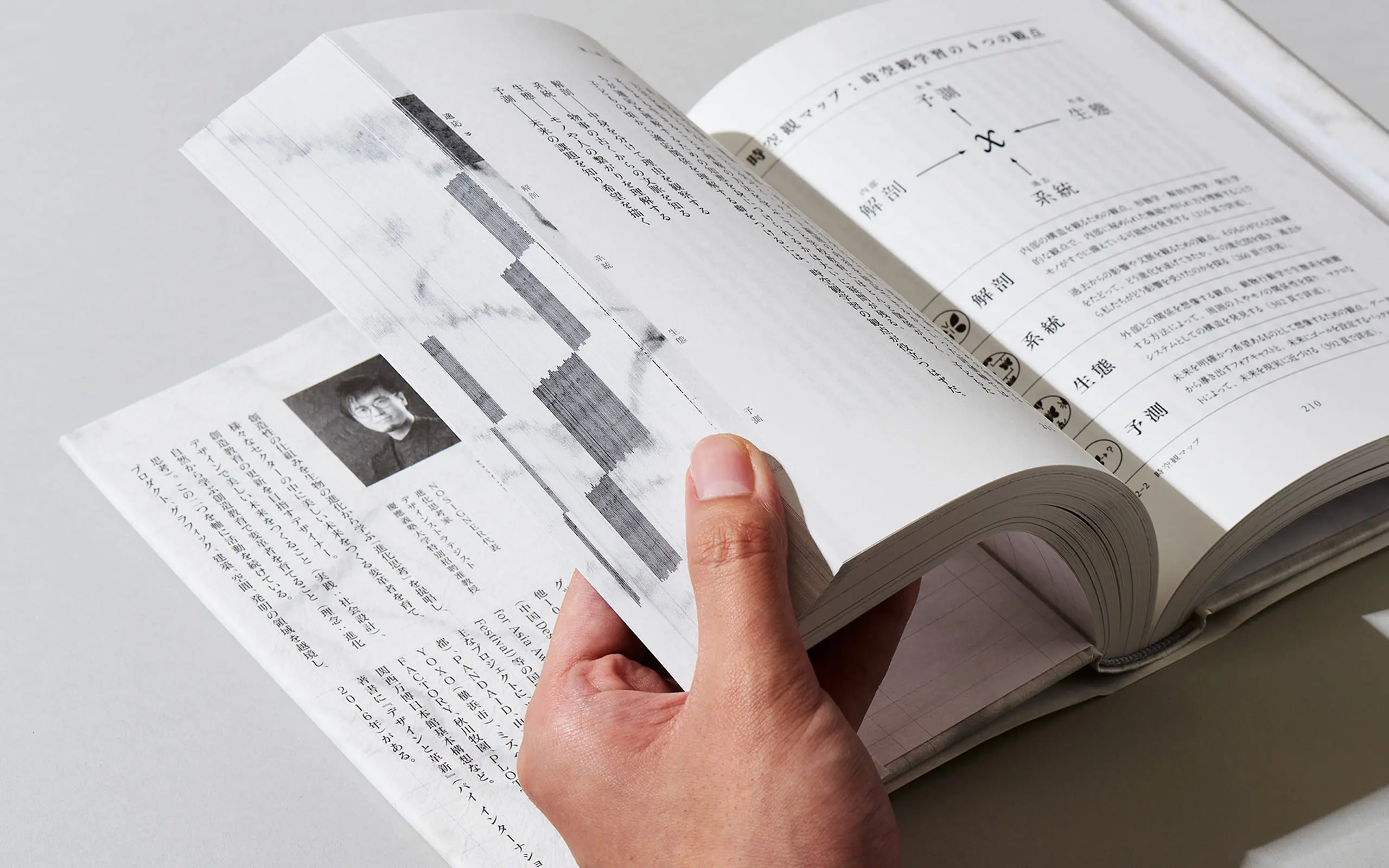
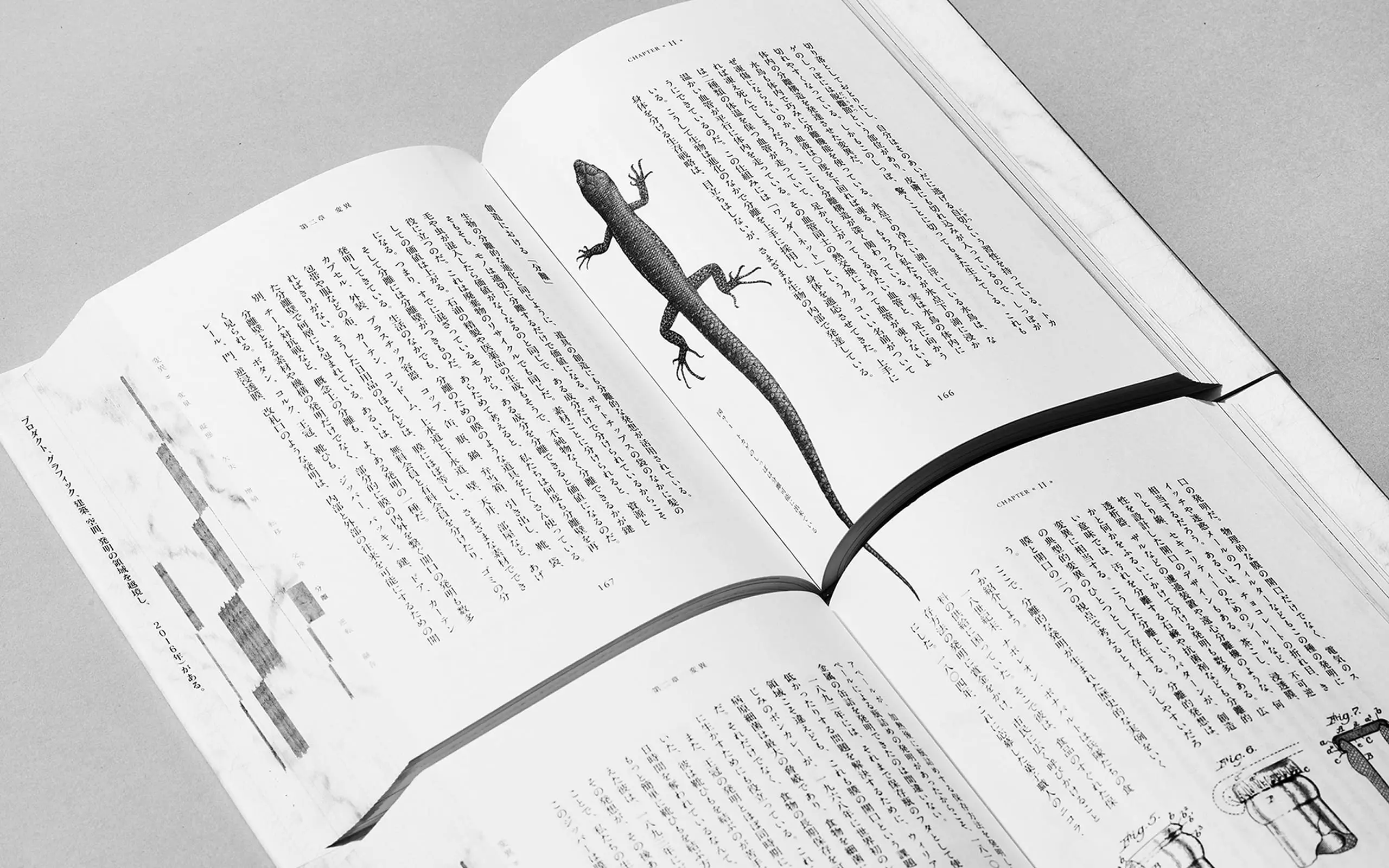
از آنجایی که تاچیکاوا هم طراح کتاب و هم نویسنده است، او توانست به طور مؤثری حروفچینی محتوای اصلی را با استفاده از متن پیچیدهای که تصاویر را در متن ادغام میکند، طراحی کند. فهرست کتاب نیز دارای الگوی مرمری است تا یافتن موضوعات و خواندن مجدد متن آسانتر شود.

WHY
آیا خلاقیت چیزی است که فقط به افراد با استعداد محدود میشود؟
در تعقیب خواستههایمان، ما انسانها خلاق شدهایم و انواع ابزارها را اختراع کردهایم و بدین ترتیب به توسعه تمدنمان کمک کردهایم. علیرغم اهمیتش، خلاقیت معمولاً به عنوان توانایی ذاتی در نظر گرفته شده که برای بروز آن به استعداد طبیعی نیاز دارد. آیا خلاقیت چیزی است که نمیتوان آن را آموخت؟
"هوش متبلور و سیال" اثر ریموند کتل

وضعیت اهداف منفرد توسعه پایدار در نقطه میانی دستور کار 2030

نمودار دانشآموزان ژاپنی که فکر میکنند خلاق هستند

افراد بیشماری هستند که فکر میکنند هیچ استعداد خلاقی ندارند چرا که در کلاس هنر نقاشی خوبی نکشیدهاند و غیره. یک نظرسنجی ناامیدکننده نشان داد که تنها هشت درصد از دانشجویان دانشگاه در ژاپن فکر میکردند که خلاق هستند.
آیا واقعاً درک کاملی از خلاقیت داریم؟ وقتی در مورد آن فکر میکنیم، ممکن است متوجه شویم که چقدر کم در مورد چگونگی عملکرد خلاقیت و اینکه چگونه میتوانیم برای آن آموزش ببینیم، میدانیم. اگر بتوانیم مکانیزم درونی خلاقیت را درک کنیم، شاید بتوانیم آن را کسب کنیم.
در سالهای اخیر، مدارس شروع به فکر کردن در مورد مشارکت فعال دانشآموزان مانند یادگیری فعال و یادگیری مبتنی بر پرسش کردهاند. این برای پرورش خلاقیت و ذهن کنجکاو است که توسط چارچوب مرسوم موضوع کلاس محدود نمیشود. حتی در دنیای تجارت، روشهای تفکری که خلاقیت را تحریک میکنند، توجه بیشتری را جلب میکنند.
اگر افراد بیشتری پروژههای خلاقانه را شروع کنند، این امر منجر به جامعهای پایدارتر و راهحلهای اساسی برای مسائل مختلف اجتماعی خواهد شد. برای این منظور، ما باید خود خلاقیت را درک کنیم و نظریه و برنامه آموزشی برای یادگیری سیستماتیک خلاقیت ایجاد کنیم.
WILL
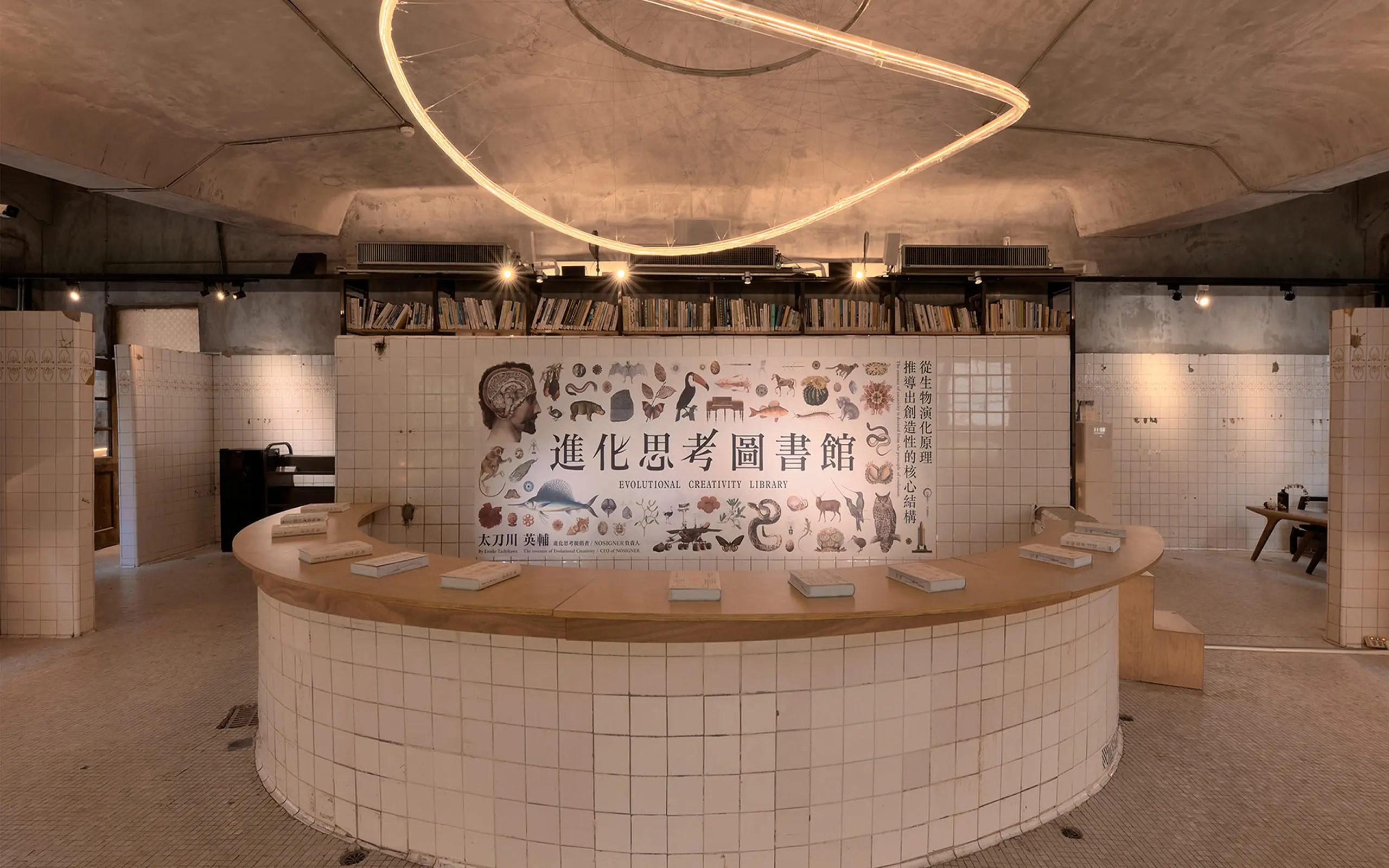
کتابخانه خلاقیت تکاملی(2023، نه فقط کتابخانه)
بهروزرسانی تدریس خلاق و غلبه بر جهانی غیرقابل تداوم.


خلاقیت تکاملی پذیرش و شناخت گستردهای به عنوان قدرتمندترین روش نوآوری جهان به دست آورده است و توسط شرکتها و مؤسسات آموزشی بزرگ ژاپنی مانند پاناسونیک، فوجیتسو، سومیتومو هاوس و دانشگاه کِیو مورد استفاده قرار گرفته است. این روش حتی به عنوان سؤالی در آزمون ورودی زبان ملی در دانشگاه دوشیشا گنجانده شده است. همانطور که افراد بیشتری این تفکر خلاق را اتخاذ میکنند و پروژههای تحولآفرینی برای پایداری تولید میکنند، دامنه تأثیر خلاقیت تکاملی همچنان گسترش مییابد. حتی متخصصان هوش مصنوعی پیشرو ژاپن، اصول خلاقیت تکاملی را در کار خود بکار میگیرند و کارگاههایی که از این روش استفاده میکنند در بزرگترین نمایشگاه زیستمحیطی حیوانات در باغ وحش کشور برگزار شده است. خلاقیت تکاملی به تدریج راه خود را به طیف گستردهای از زمینهها باز میکند و تأثیر آن همچنان رشد خواهد کرد.
علیرغم موفقیت اولیه و شناخت خلاقیت تکاملی، پیادهسازی پروژههای آموزشی واقعاً خلاق که از قوانین طبیعت الهام میگیرند هنوز در مراحل ابتدایی است.
همانطور که بشریت از طریق فناوری به پیشرفت ادامه میدهد، ما همچنین با عواقب تغییرات شدید زمینشناسی و آب و هوا و همچنین فروپاشی اکوسیستمها مواجه هستیم. ما وارد "آنتروپوسن" شدهایم، عصر زمینشناسی که در آن فعالیت انسان تأثیر عمیقی بر زمین دارد. با عبور تمدن ما از "مرز سیارهای"، نقطهای که تغییرات زیستمحیطی برگشتناپذیر و ناگهانی به احتمال واقعی تبدیل میشود، زمان بسیار مهم است. بسیار مهم است که روشهای آموزشی نوآورانه و مؤثری مانند خلاقیت تکاملی را پیادهسازی کنیم تا بقای خود را تضمین کنیم و راه را برای آیندهای پایدار هموار کنیم.
فریدریش فروبل، پیشگام آموزش کودکان خردسال که در قرن نوزدهم شکوفا شد، پایههای آموزش خلاقیت را با الهام از علوم طبیعی بنا نهاد و تأثیر قابل توجهی بر جنبشهای بعدی مانند باوهاوس داشت. با این حال، علیرغم کار پیشگامانه فروبل و باوهاوس، آموزش خلاقیت در قرن گذشته تا حد زیادی بدون تغییر باقی مانده است. هدف ما تکامل و احیای این حوزه آموزشی است تا با نیازهای همیشه در حال تغییر جامعه و محیط زیست همگام شود.
ما معتقدیم که با بهروزرسانی آموزش خلاقیت از طریق دریچه خلاقیت تکاملی، میتوانیم افراد را قادر سازیم تا به طور خلاق با مسائل اجتماعی فوری زمان ما مقابله کنند و خلاقیت هر فرد را در هر جامعهای به حداکثر برسانیم. با تجهیز افراد به ابزارهایی برای تفکر و عمل به شیوههای جدید و نوآورانه، میتوانیم به سمت حل چالشهای بزرگ پیش روی بشریت کار کنیم و آیندهای بهتر برای همه بسازیم.


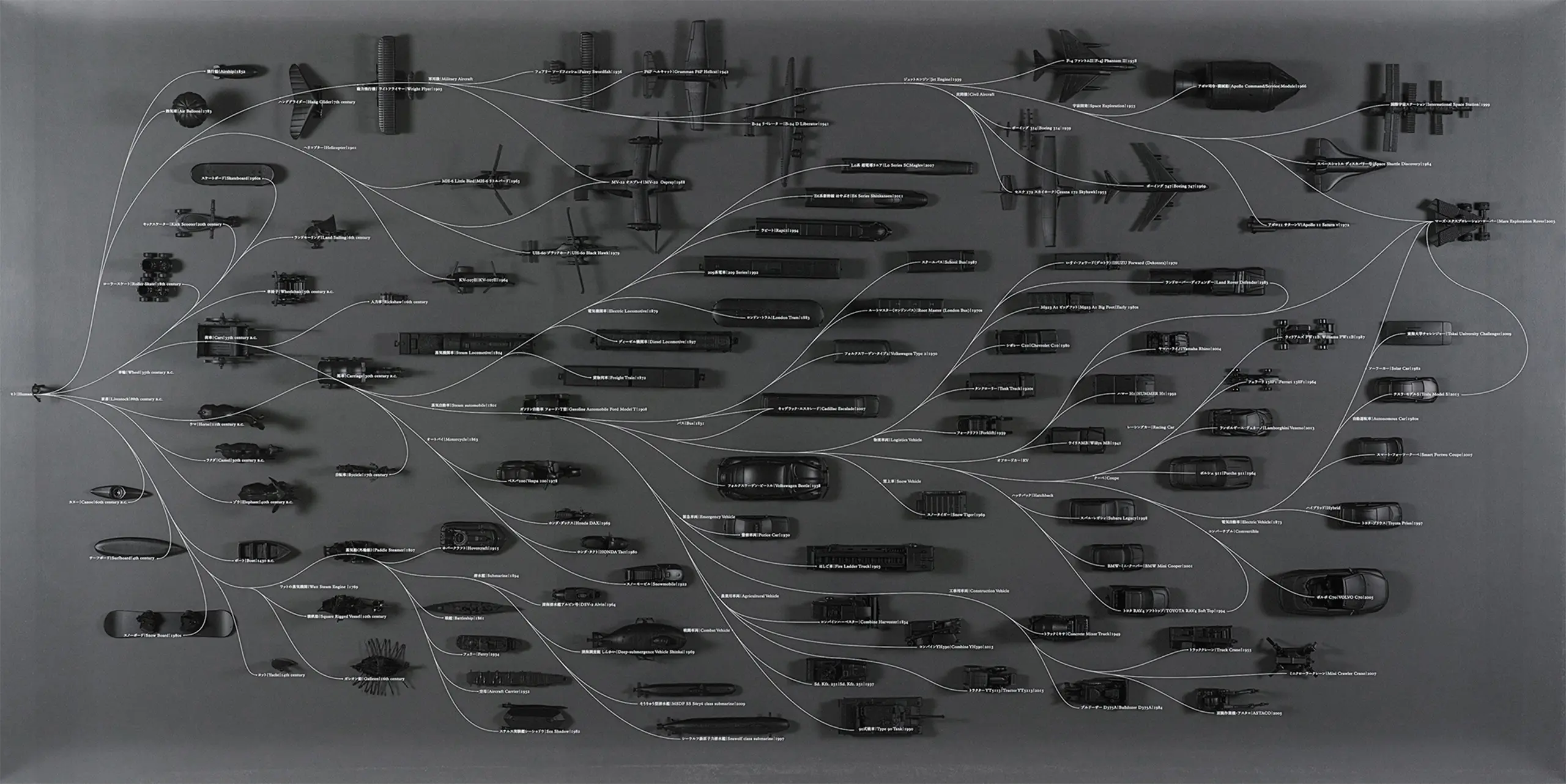
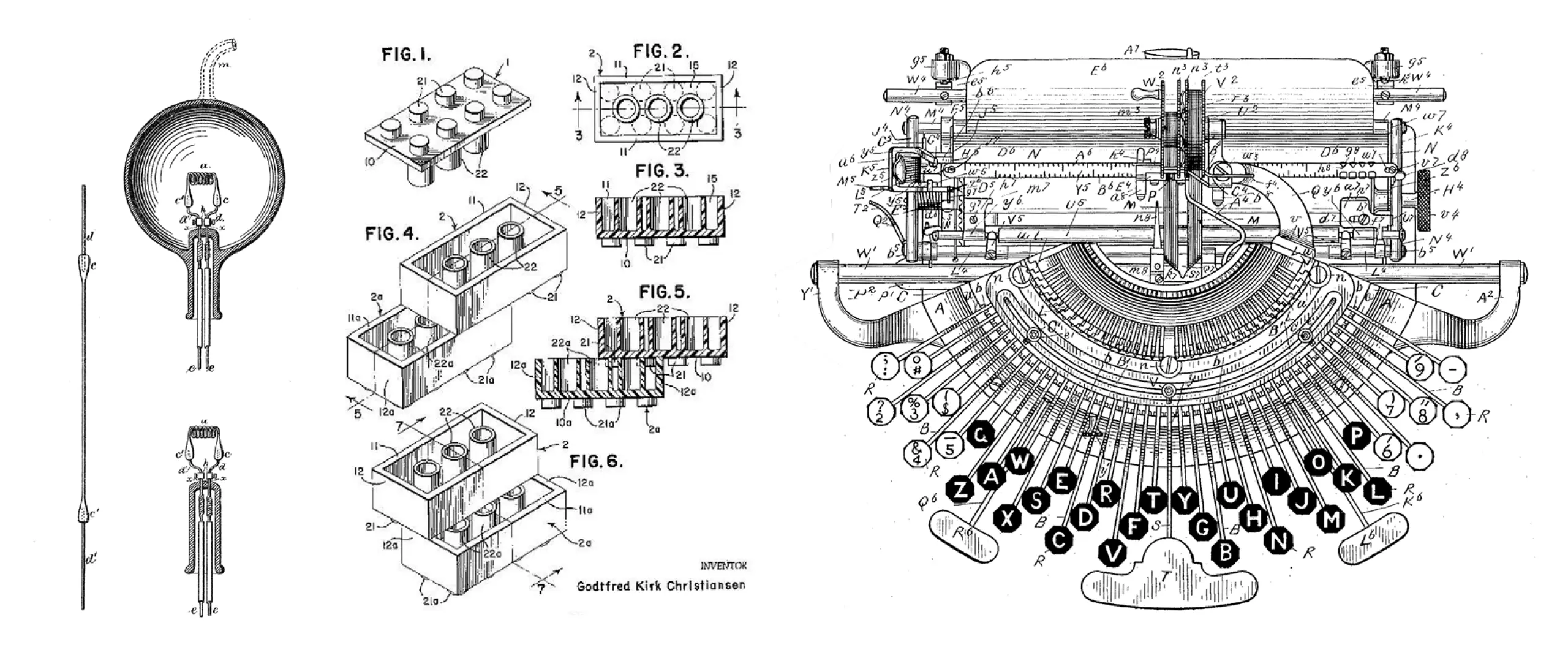
نمودار ثبت اختراع از اختراعات بشر
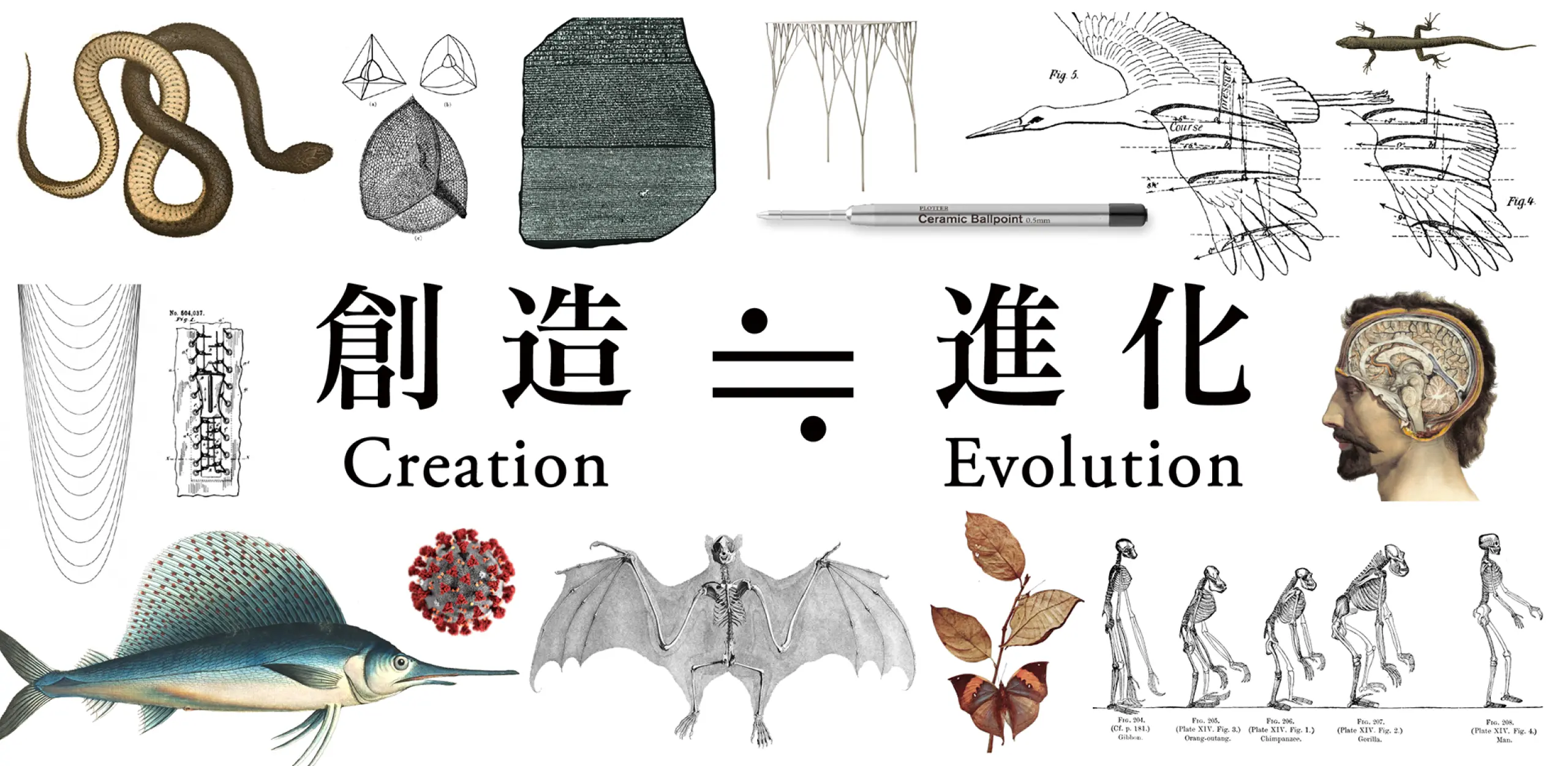
کتاب " خلاقیت تکاملی " بلافاصله پس از عرضه برای پیشسفارش در رتبهبندی کتابهای تجارت و اقتصاد آمازون به رتبه ۱ رسید و به سرعت قبل از انتشار مجدداً چاپ شد. این روش تفکر جدید که خلاقیت نهفته در درون همه را بیدار میکند چیست؟
سایتهای مرتبط /
تکامل "خلاقیت تکاملی" (بهروزرسانی شده نوامبر ۲۰۲۵)
برای اولین بار در آپریل ۲۰۲۱ منتشر شده، "خلاقیت تکاملی" به لطف تعاملات و ارتباطات متعددی که برقرار کردهایم، و همچنین حمایت و بازخوردهای خوانندگان و شرکای ما به رشد خود ادامه میدهد. در اینجا، ما تاریخچهای از "تکامل" "خلاقیت تکاملی" گردآوری کردهایم، که طیف گستردهای از واکنشها را برانگیخته است.
نوامبر ۲۰۲۵: سخنرانی کلیدی در نهمین اجلاس رهبری ۲۰۲۵ در بنگلادش
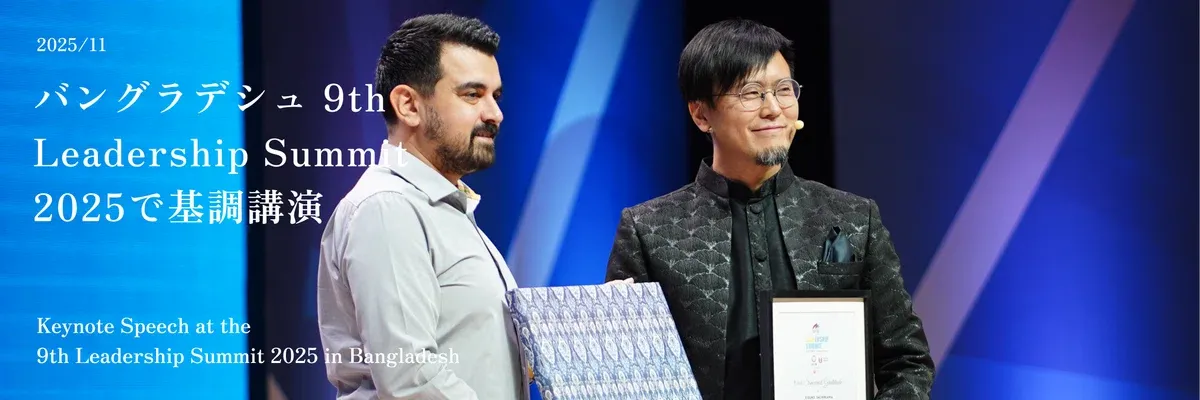
ایسوکه تاچیکاوا به عنوان سخنران اصلی در "نشست رهبری ۲۰۲۵" که در بنگلادش برگزار شد، روی صحنه رفت. این کنفرانس بینالمللی با موضوع "رهبری انعطافپذیر – رشد در میان عدم قطعیت" برگزار شد و رهبری پایدار و اخلاقی مورد نیاز در جامعهای که به سرعت در حال تغییر است را بررسی کرد. تاچیکاوا سخنرانیای درباره ماهیت رهبری در پرداختن به مسائل اجتماعی و تغییرات زیستمحیطی از منظر خلاقیت تکاملی ارائه داد.
نوامبر 2025: ارائه آنلاین در مراسم بزرگداشت دوازدهمین سالگرد طوفان یولاندا
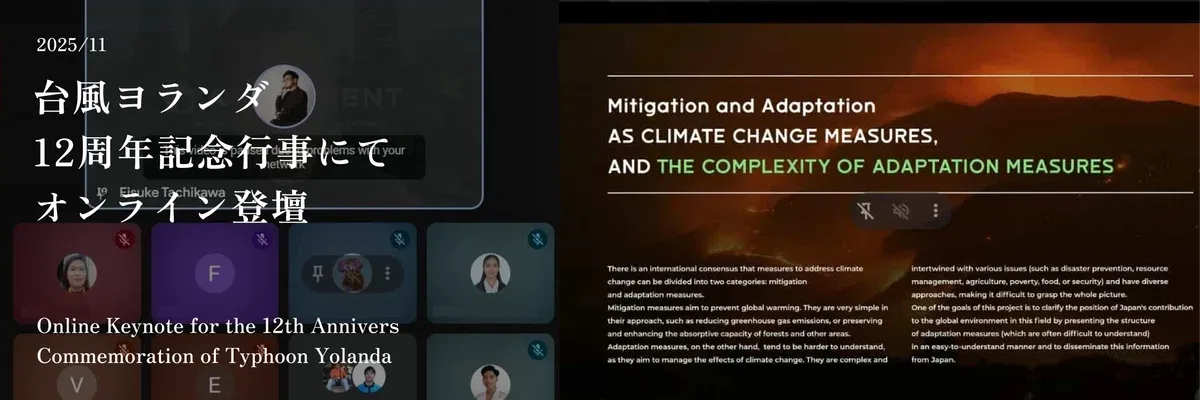
در بزرگداشت دوازدهمین سالگرد طوفان یولاندا—که باعث برخی از بدترین خسارات ثبت شده در تاریخ فیلیپین شد—ایسوکه تاچیکاوا در مراسم یادبود برگزار شده در دانشگاه ایالتی ویزایاس شرقی سخنرانی کرد. او یک سخنرانی آنلاین درباره "خلاقیت تکاملی" برای تقریباً ۴۰۰ شرکتکننده ارائه داد و دیدگاههای خلاقانهای درباره نحوه مقابله با بلایا به اشتراک گذاشت.
نوامبر ۲۰۲۵: ارائه سخنرانی ویژه برای دانشجویان تحصیلات تکمیلی دانشگاه مینروا
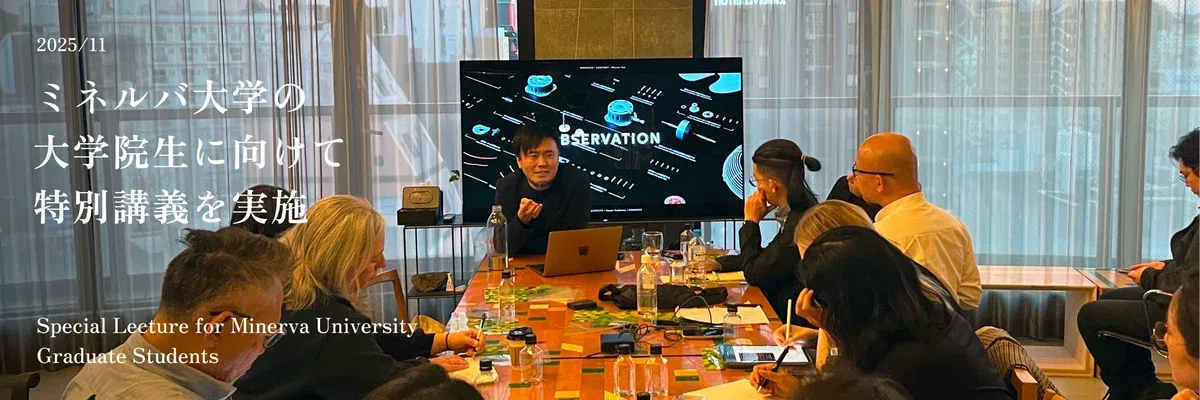
در دانشگاه مینروا—که به دلیل مدل آموزشی منحصر به فردش که شامل یادگیری در حین جابجایی بین هفت شهر در سراسر جهان است و به عنوان "نوآورترین دانشگاه جهان" انتخاب شده است—ایسوکه تاچیکاوا سخنرانی ویژهای با موضوع "خلاقیت تکاملی" برای حدود ۲۰ دانشجوی تحصیلات تکمیلی رشته "علوم تصمیمگیری" ارائه داد. دانشجویانی با پیشینههای متنوع، از جمله سیاستمداران فعلی و رهبران شرکتها، از استودیو یوکوهاما NOSIGNER—شرکتی که توسط تاچیکاوا رهبری میشود—بازدید کردند و سخنرانی به دلیل جلسه پرسش و پاسخ پرجنب و جوش سه ساعت طول کشید.
اکتبر ۲۰۲۵: ارائه در کنفرانس "نشست زیرشبکه شهرهای طراحی" که توسط شبکه شهرهای خلاق یونسکو (UCCN) میزبانی شد
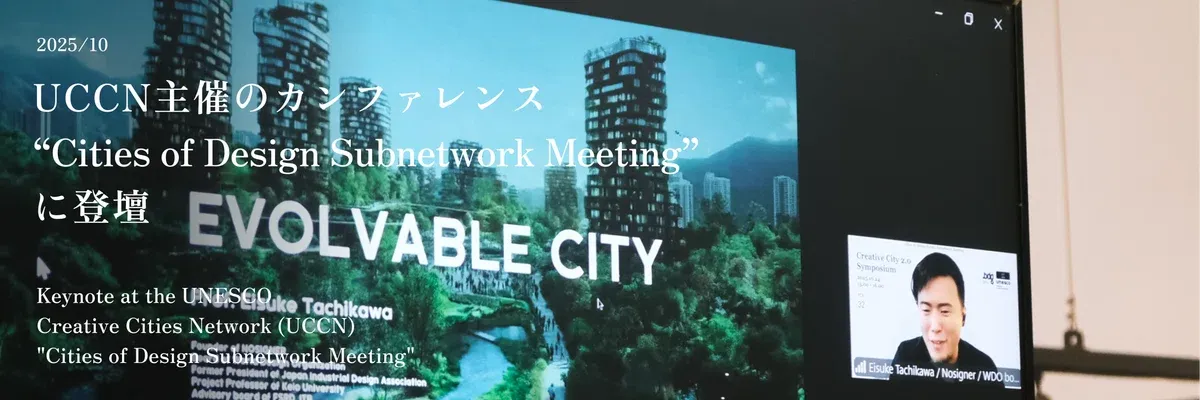
ایسوکه تاچیکاوا در "جلسه زیرشبکه شهرهای طراحی" که توسط شبکه شهرهای خلاق یونسکو (UCCN) - که هدف آن بهرهگیری از فرهنگ و خلاقیت برای توسعه پایدار شهری است - در موسسه فناوری باندونگ میزبانی شد، سخنرانی کرد. او در بحث گروهی با موضوع "شهر خلاق 2.0" شرکت کرد و دیدگاههایی درباره رویکردهای خلاقیت بر اساس "خلاقیت تکاملی" و آینده شهرهایی که با تغییرات اقلیمی سازگار میشوند، مبادله کرد.
سپتامبر ۲۰۲۵: سخنرانی کلیدی در کنفرانس بینالمللی طراحی (IDC) ۲۰۲۵ در فیلیپین
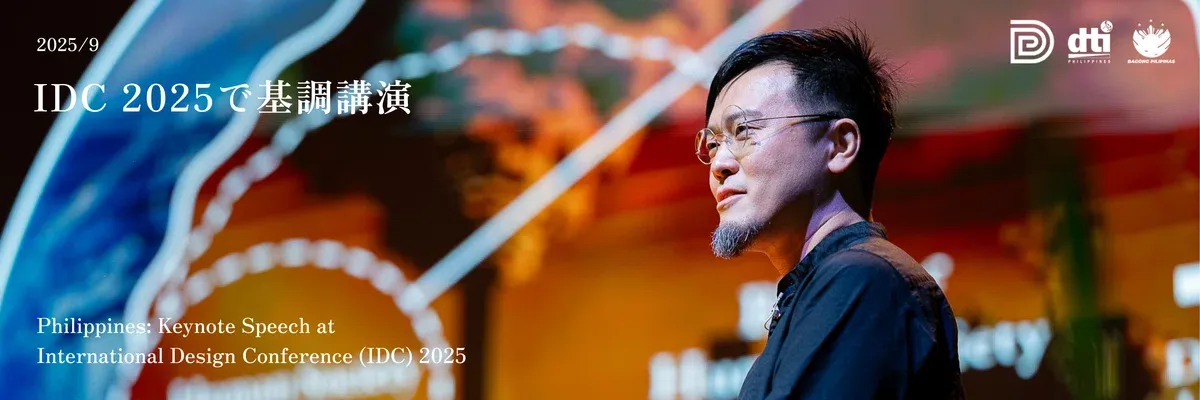
ایسوکه تاچیکاوا سخنرانی کلیدی در کنفرانس بینالمللی طراحی (IDC) ۲۰۲۵ که توسط مرکز طراحی فیلیپین، آژانس دولتی مسئول ترویج طراحی در فیلیپین، سازماندهی شده بود، ارائه کرد. او به عنوان سخنران کلیدی به این کنفرانس که با مجموعه متنوعی از سخنرانان شامل مشاوران، طراحان، محققان و مدیران اجرایی تحت عنوان "Holding the Whole" برگزار شد، دعوت شده بود و سخنرانی کلیدی درباره آموزش خلاقیت بر اساس "Evolutional Creativity" و شکل ایدهآل شهرهایی که با تغییرات اقلیمی سازگار میشوند، ارائه کرد.
ژوئیه ۲۰۲۵: دریافت بالاترین جایزه آکادمیک از موسسه فناوری بندونگ
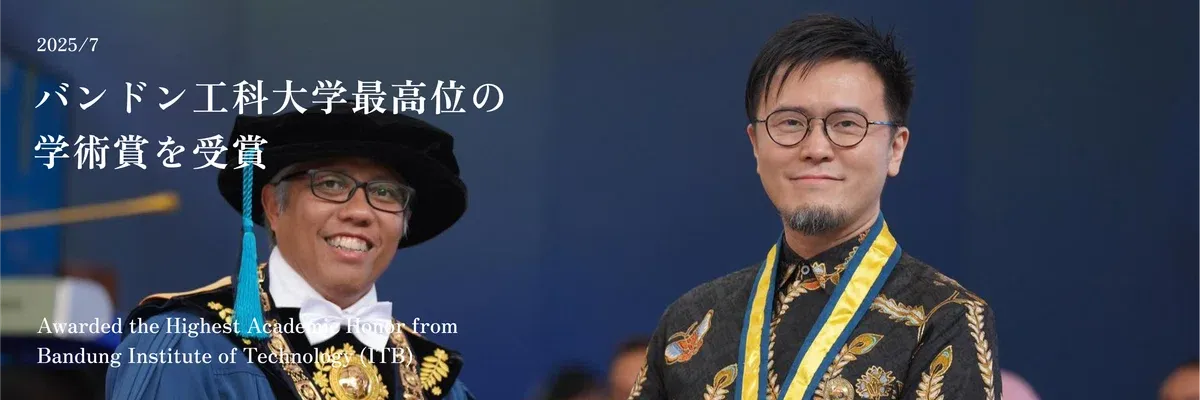
تاچیکاوا جایزه "GANESA WIDYA JASA ADIUTAMA"، بالاترین افتخار دانشگاهی اعطا شده توسط موسسه فناوری باندونگ (ITB) در اندونزی برای مشارکتهای برجسته در دانش و آموزش، دریافت کرد. این جایزه معتبر تنها به دو نفر پس از فرآیند انتخاب دقیقی از میان نامزدهای معرفی شده توسط هر دانشکده اعطا میشود؛ او بر اساس معرفی از دانشکده هنر و طراحی (FSRD) انتخاب شد.
دسامبر ۲۰۲۴: انتشار نسخه اندونزیایی *خلاقیت تکاملی*
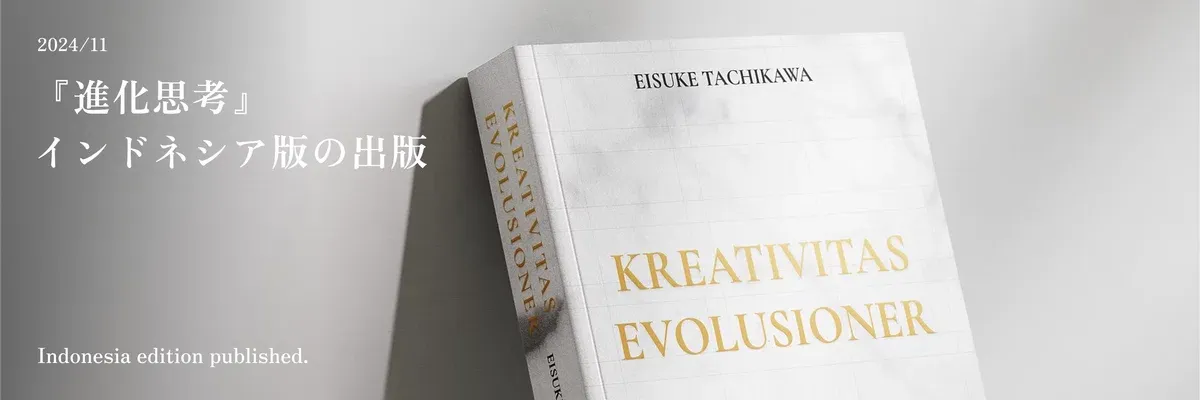
نسخه اندونزیایی کتاب *خلاقیت تکاملی* توسط انتشارات اندونزیایی "SiMPUL" تحت نظارت موسسه فناوری باندونگ (ITB)، یکی از دانشگاههای پیشرو اندونزی، منتشر شد.
علاوه بر این، به منظور بزرگداشت انتشار کتاب، نمایشگاه و سخنرانی یادبود در مرکز طراحی ITB برگزار شد، و همچنین نمایشگاه و کارگاهی در فضای هنری جاکارتا "
آپریل ۲۰۲۴: سومین سالگرد انتشار "خلاقیت تکاملی"
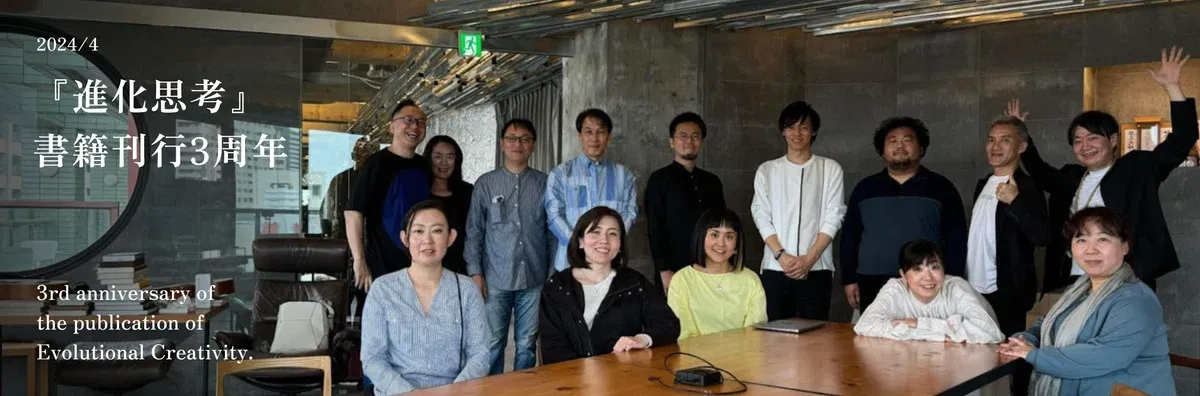
«خلاقیت تکاملی» که توسط ایجادکنندهاش ایسوکه تاچیکاوا پس از سالها تحقیق سیستمبندی شده است، حتی امروزه نیز به تکامل خود ادامه داده و از زمان انتشار ویرایش اول کتاب، بازخوردهای گستردهای از افراد زیادی - شامل حمایت، تشویق، انتقاد و پیشنهاد - دریافت کرده است.
علاوه بر این، جامعهای از خوانندگان متشکل از بیش از ۱۰۰ خواننده مشتاق همچنان فعالیت میکند و اصول خلاقیت تکاملی در کار و زندگی روزمره کاربردکنندگانش به کار عملی گرفته میشود.
مارس 2024: سخنرانی در وزارت اقتصاد، تجارت و صنعت برای دانشجویان دانشکده بازرگانی استنفورد
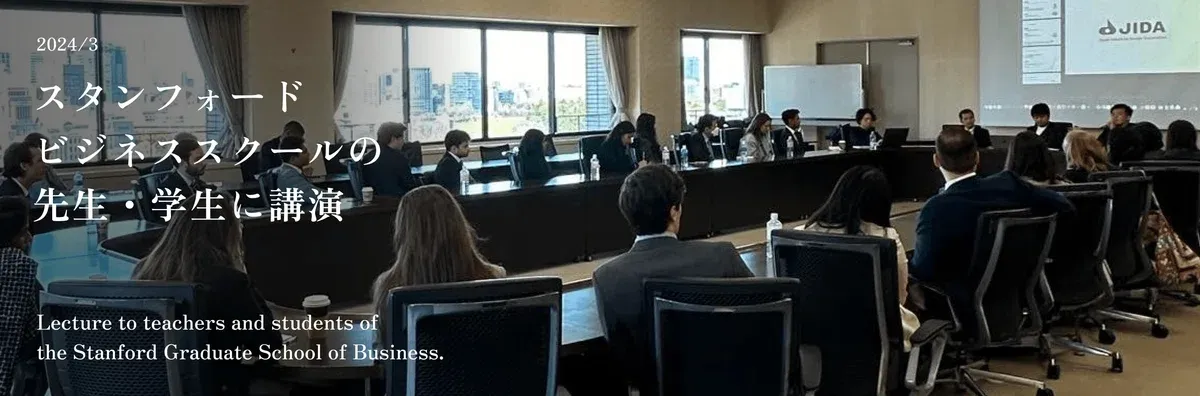
تاچیکاوا درباره طراحی ژاپنی و خلاقیت تکاملی برای حدود ۳۰ دانشجو و عضو هیأت علمی دانشکده کسبوکار فارغالتحصیلان استنفورد در وزارت اقتصاد، تجارت و صنعت سخنرانی کرد. این سخنرانی بخشی از تور مطالعاتی دانشکده به ژاپن بود، برنامهای که برای بررسی رابطه بین رشد سریع اقتصادی ژاپن و طراحی، و همچنین وضعیت فعلی استارتاپها طراحی شده بود.
دسامبر ۲۰۲۳: انتشار *خلاقیت تکاملی [نسخه توسعه یافته و بازنگری شده]*
![با نظارت زیستشناختی زیستشناس تکاملی ماساکی کاواتا (استاد ویژه رئیس دانشگاه توهوکو)، *خلاقیت تکاملی [نسخه توسعهیافته و بازنگریشده]*—نتیجه بیش از یک سال بحث و گفتگو با متخصصان مختلف—منتشر شده است. با در نظر گیری انتقادات و بازخوردهای دریافتشده در مورد نسخه اول، این نسخه بازنگریشده با محتوای جدید از دیدگاه خلاقیت توسعه یافته است. این کتاب ۵۰ صفحه رشد کرده و به ۵۶۰ صفحه رسیده و به کتابی تکامل یافته که حتی خواندنیتر و جامعتر است.](https://cdn.nosigner.com/2026/04/1734599638-jF4gAOTkHsD2E5zeqdZly7fK.webp)
با نظارت زیستشناختی زیستشناس تکاملی ماساکی کاواتا (استاد ویژه رئیس دانشگاه توهوکو)،
اکتبر 2023: ارائه مقاله در کنفرانس بینالمللی مجمع طراحی جهانی
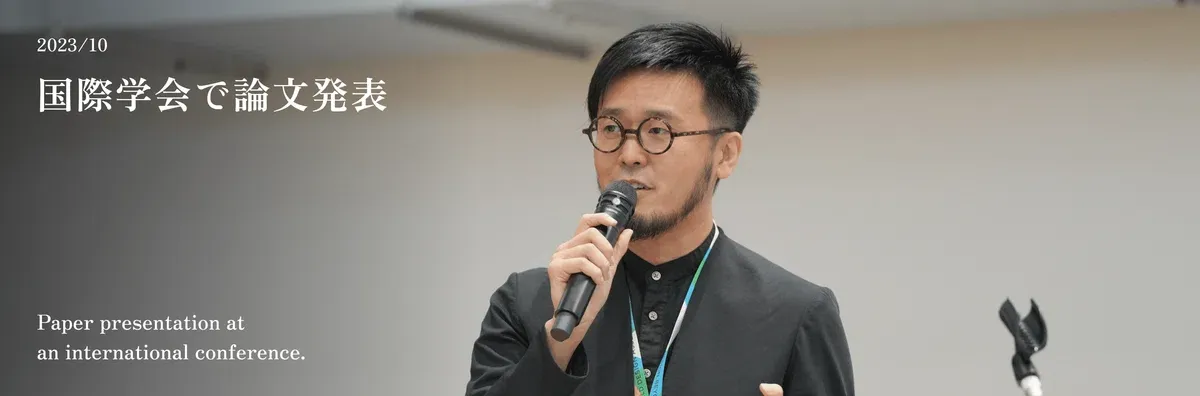
در
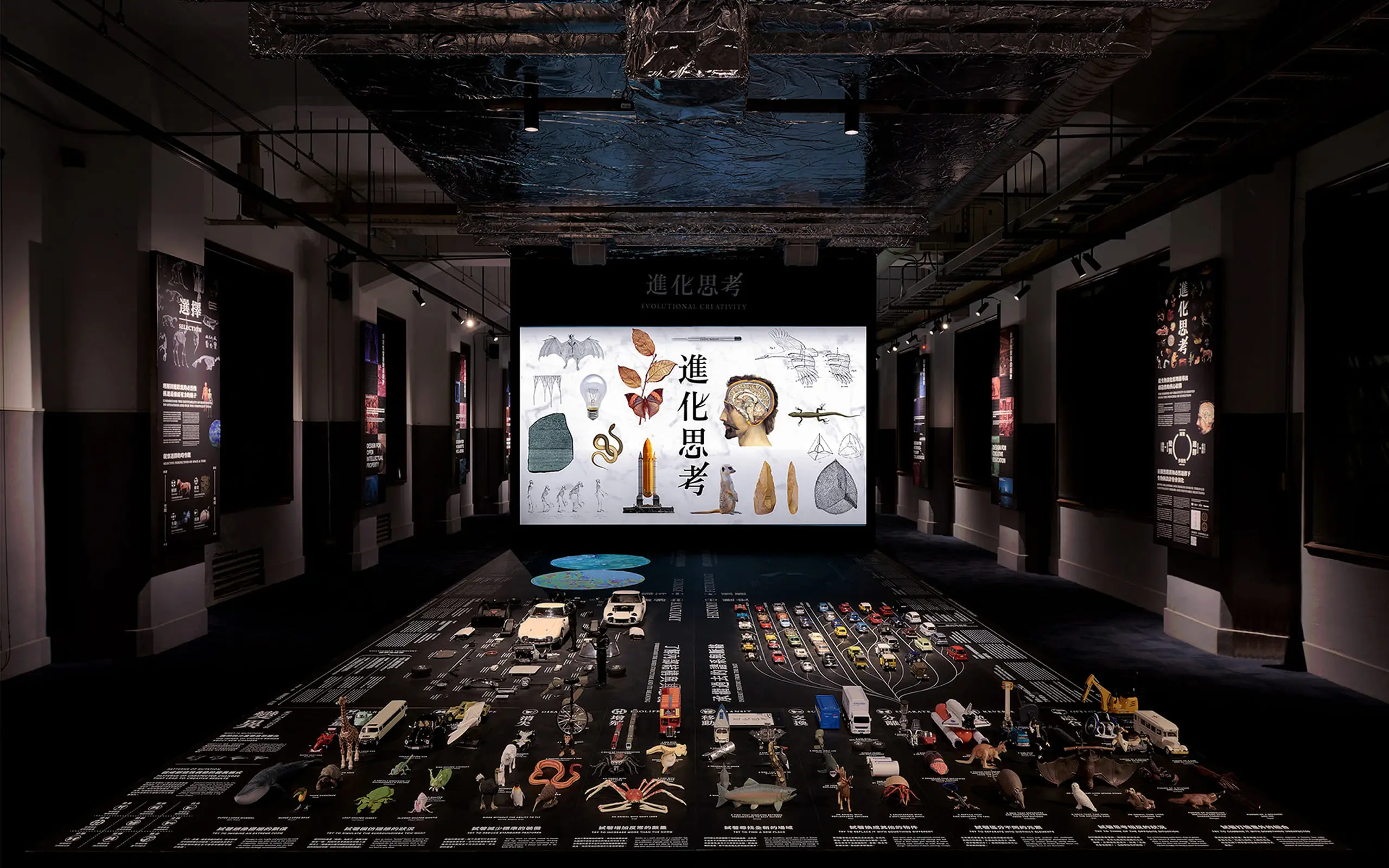
سپتامبر 2023: نمایشگاه در موزه طراحی تایوان برگزار شد
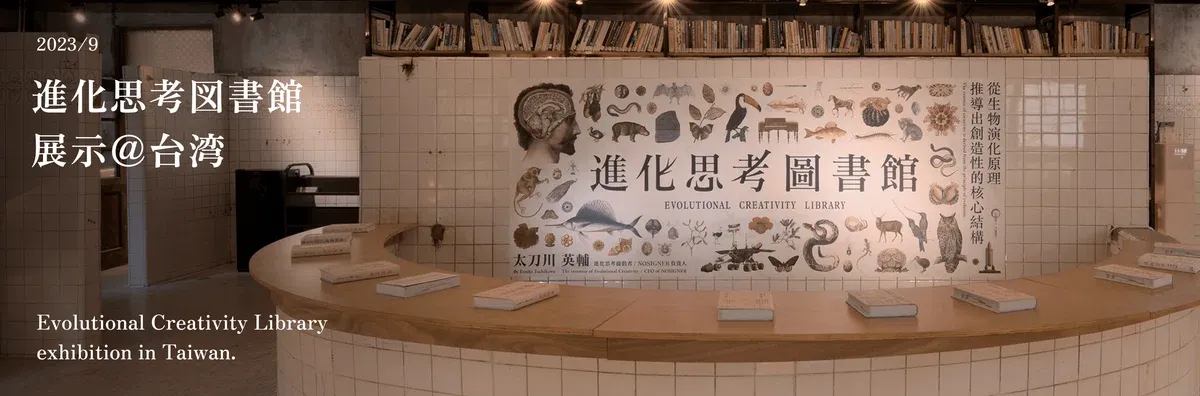
همزمان با انتشار نسخه تایوانی کتاب *خلاقیت تکاملی*، نمایشگاهی توسط NOSIGNER با عنوان
سپتامبر ۲۰۲۳: انتشار نسخه تایوانی "خلاقیت تکاملی"
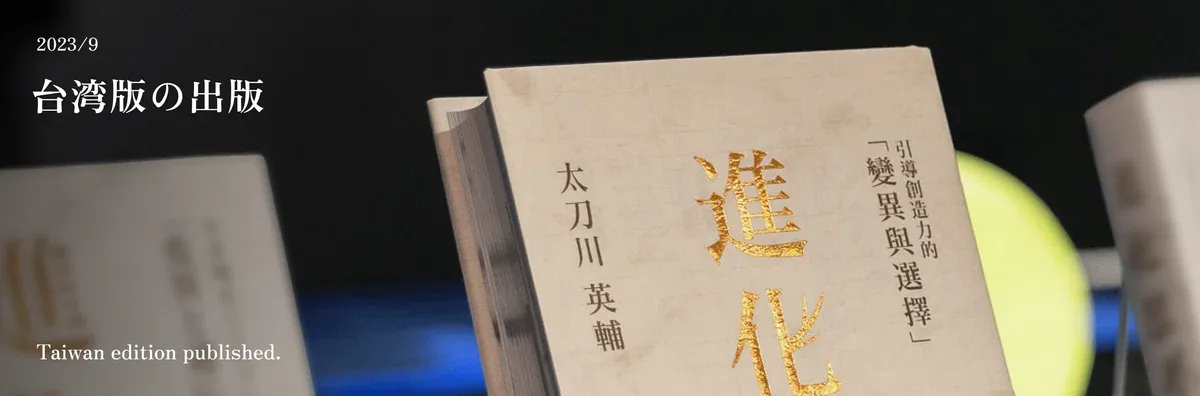
پس از نسخه کرهای،
ژوئن ۲۰۲۳: انتشار نسخه کرهای "خلاقیت تکاملی"
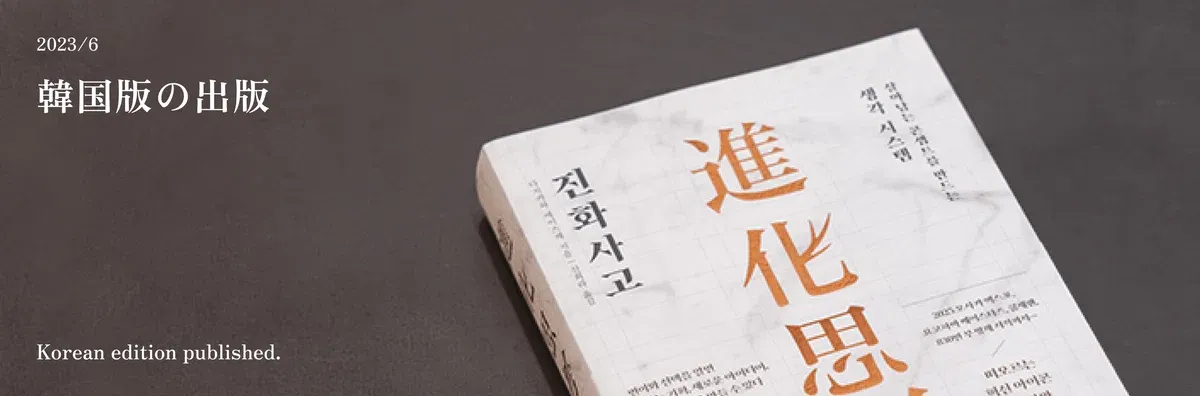
ارائه در کنفرانسی که توسط UNESCO-MGIEP میزبانی شده
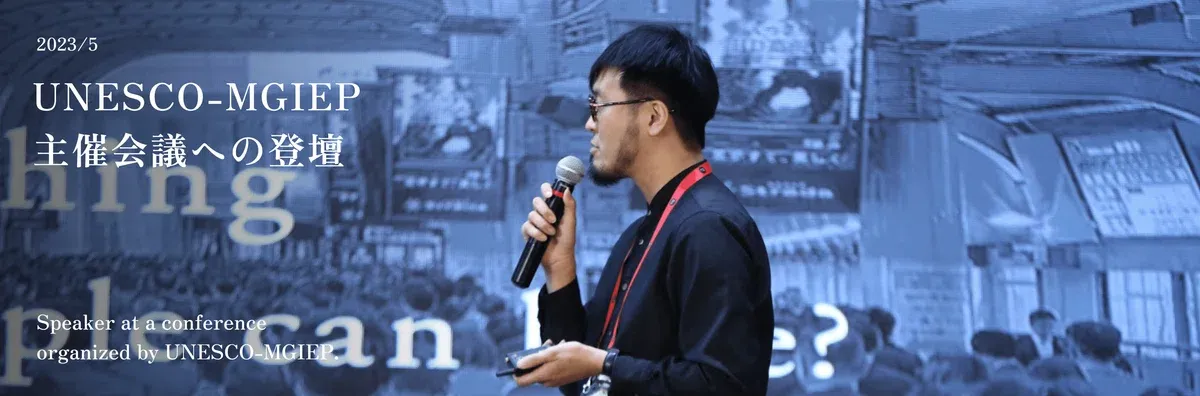
تاچیکاوا برای سخنرانی در کنفرانس "آموزش برای شکوفایی در واقعیت ترکیبی" دعوت شد، که توسط UNESCO-MGIEP (موسسه مهاتما گاندی سازمان آموزشی، علمی و فرهنگی ملل متحد برای آموزش صلح و توسعه پایدار) سازماندهی شده بود و محققان، پژوهشگران، معلمان، سیاستگذاران و نمایندگان بخش خصوصی مشهوری از سراسر جهان را گرد هم آورده بود. او ارائهای درباره "خلاقیت تکاملی" در بخش "تفکر طراحی و خلاقیت در آموزش" ارائه داد. این کنفرانس همچنین اولین کنفرانس بینالمللی مبتنی بر اهداف شکوفایی پایدار بود.
2023، آگوست 2023: سخنرانی در موسسه فناوری باندونگ (ITB)، اندونزی
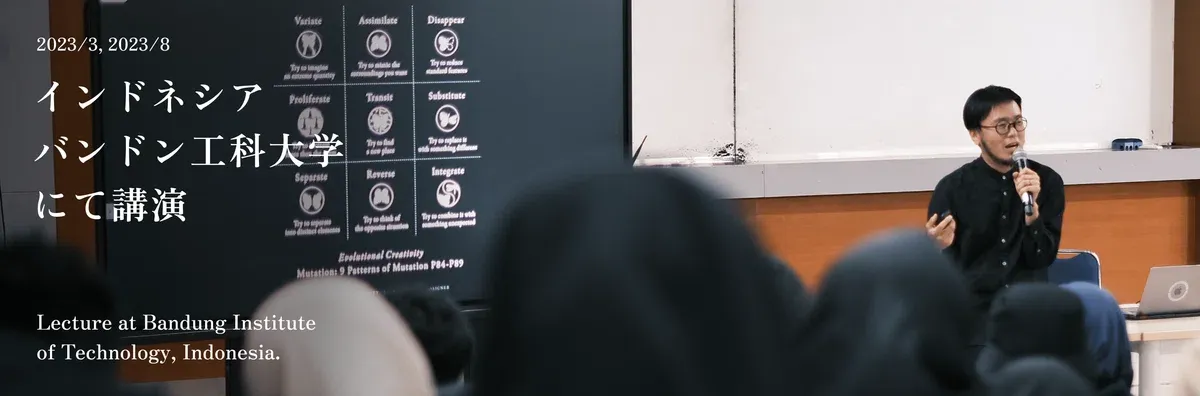
تاچیکاوا در مؤسسه تکنولوژی باندونگ (ITB)، برترین مؤسسه آموزش عالی اندونزی، درباره خلاقیت تکاملی سخنرانی ارائه داد. به دلیل استقبال مثبت از این محتوا، تصمیم گرفته شد که نسخه اندونزیایی "خلاقیت تکاملی" منتشر شود. پس از
مارس ۲۰۲۳: ریاست انجمن "تفکر درباره آینده آموزش عالی"
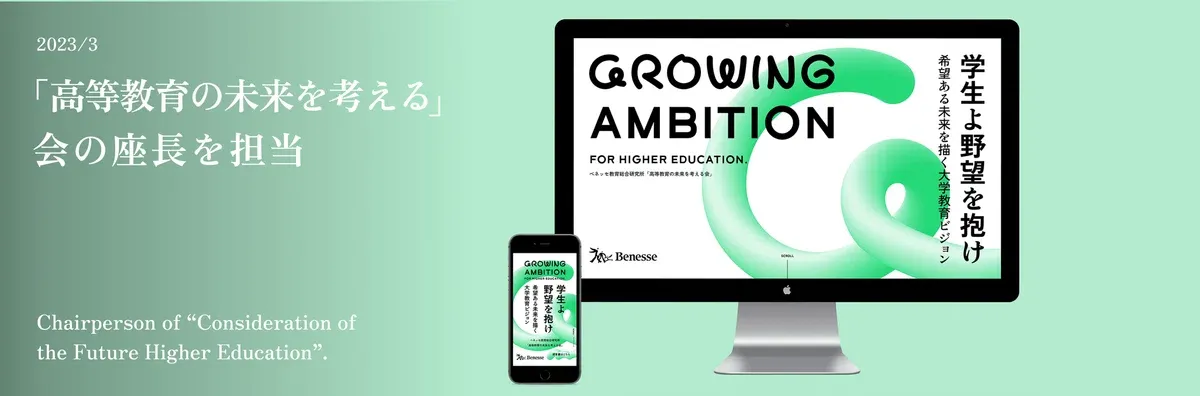
ایسوکه تاچیکاوا به عنوان رئیس انجمن "تفکر درباره آینده آموزش عالی" که توسط مؤسسه تحقیقات آموزشی Benesse برگزار شد، خدمت کرد، جایی که اعضای درگیر در شیوههای آموزشی پیشرو، آینده آموزش دانشگاهی را مورد بحث قرار دادند. پس از چهار دور بحث میزگرد با اعضای کمیته، پیشنهادی شامل چشماندازی برای آموزش دانشگاهی که آیندهای امیدوارکننده را متصور میشود، تدوین شد. تحت اصل راهنمای آموزشی جدید "
نوامبر ۲۰۲۲: دریافت جایزه "شو یاماگوچی" در جوایز خالقان قلم
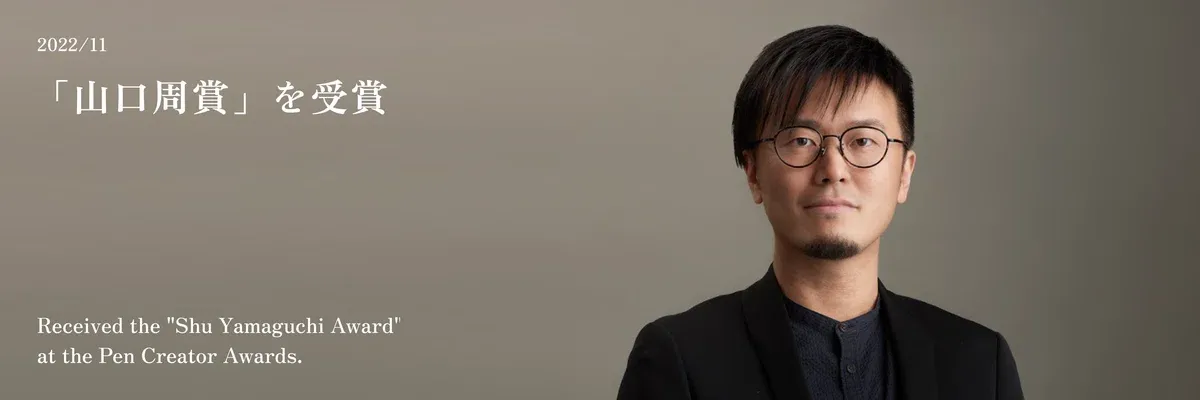
ایسوکه تاچیکاوا جایزه "شو یاماگوچی" را در "
نوامبر 2022: در برنامهای از NHK برای گفتگو با آناتومیست Takeshi Yoro ظاهر شد
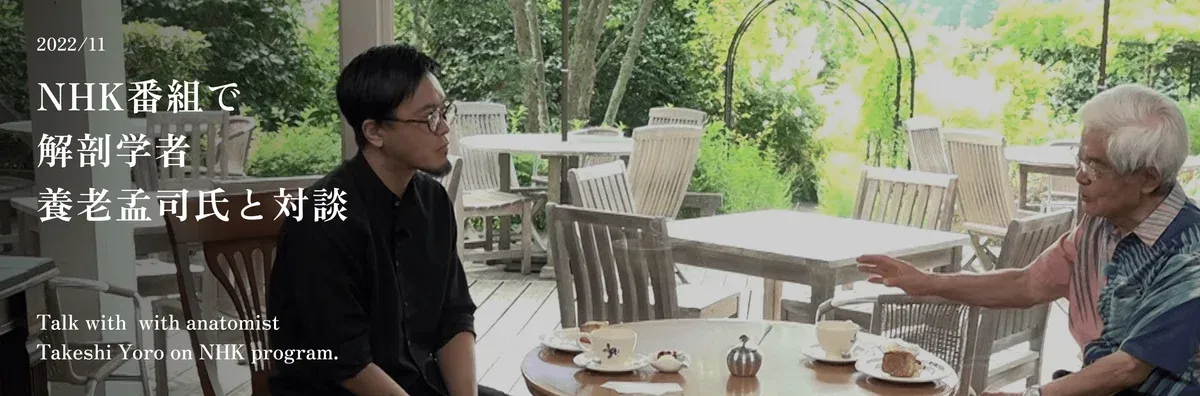
او در کنار آناتومیست تاکشی یورو در برنامه محبوب NHK به نام "Switch Interview" ظاهر شد، برنامهای که در آن دو نفر از حوزههای مختلف کاری از محل کار یکدیگر دیدن میکنند و ضمن "جابهجایی" بین نقشهای گوینده و شنونده، گفتوگو میکنند. در بخش دوم برنامه، من دکتر یورو را که نزدیک به ۶۰ سال از دوران دانشجوییاش را صرف کاوش در "اشکال موجودات زنده" کرده است، به استودیوی NOSIGNER دعوت کردم. ضمن معرفی مفهوم "خلاقیت تکاملی"، در مورد کارم به عنوان طراحی صحبت کردم که از طریق رویکردهای مختلف به دنبال شکل بوده است.
: پروژه راهاندازی نسخه بازنگری شده
پروژهای برای انتشار نسخه بازنگریشده آغاز شده است که هدف آن تصفیه بیشتر کتاب به عنوان روشی برای تفکر خلاق و گنجاندن دقیق بینشهای علمی است. برای این بازنگری، ما پروفسور ماساکی کاواتا، استاد ویژه رئیس دانشگاه توهوکو و متخصص در تکامل و بومشناسی، را به عنوان سردبیر ناظر دعوت کردیم تا تکامل کتاب "Evolutional Creativity" را همراهی کند. اخیراً کتاب جدیدی از پروفسور کاواتا در توضیح زیستشناسی تکاملی منتشر شده است، لطفاً آن را نیز مطالعه کنید.
برای نویسنده نیز، این فرصت ارزشمندی بود تا زیستشناسی تکاملی را از چنین متخصص برجستهای مانند پروفسور کاواتا به صورت عمیق دوباره بیاموزد.
می 2022: گفتگو با دکتر آکیرا یوشینو، برنده جایزه نوبل
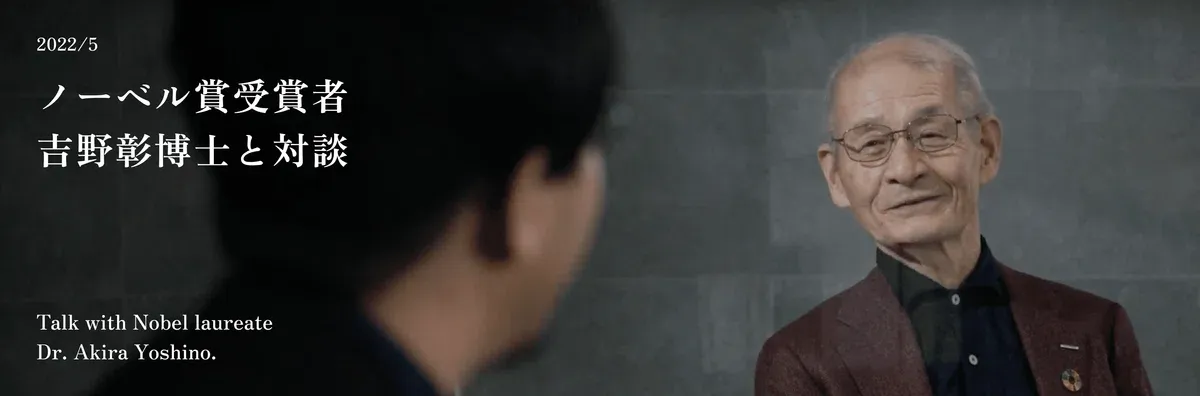
در رویدادی به مناسبت صدمین سالگرد آساهی کاسه، من افتخار گفتگو با دکتر آکیرا یوشینو (عضو افتخاری آساهی کاسه)، مخترع باتری لیتیوم-یون و برنده جایزه نوبل شیمی را داشتم. ویدیوی سخنرانی تاچیکاوا با عنوان "خلاقیت تکاملی" و گفتگوی او با دکتر یوشینو برای تقریباً 40000 کارمند گروه آساهی کاسه پخش شد. این رویداد نه تنها آرزوی دیرینه تاچیکاوا برای گفتگو با دکتر یوشینو را برآورده کرد، بلکه فرصتی بود تا این پیام را به همه اعضای آساهی کاسه منتقل کند که "کنجکاوی" و "دانش" هر فرد است که تخیل را غنی میکند و 100 سال آینده را شکل میدهد.
مارس ۲۰۲۲: حضور در برنامه "شب تغییرات رادیکال: مدرسه آموزش مهندسی" شبکه NHK E-Tele
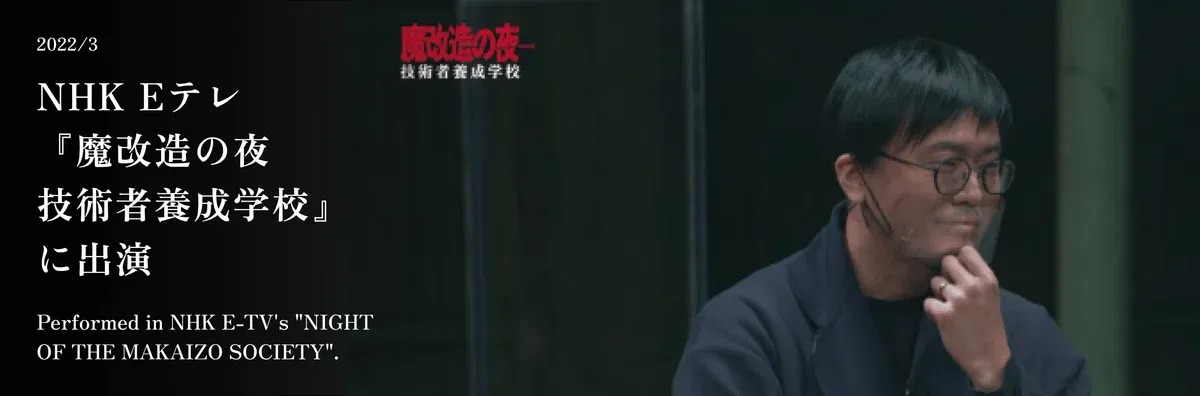
ایسوکه تاچیکاوا به عنوان "مربی طراحی (خلق)" در برنامه محبوب "شب تغییرات رادیکال: مدرسه آموزش مهندسی" شبکه NHK E-Tele حضور یافت. او با موضوع "تغییر جادویی یک مخلوطکن"، کارگاه بارش فکری برای خلق یک "مخلوطکنی که آب میوه را به دوردست پرتاب میکند" را رهبری کرد و نه الگوی "جهش" از "خلاقیت تکاملی" را به عنوان راهنما برای تولید ایده معرفی کرد.
فوریه ۲۰۲۲: دریافت جایزه ویژه در "جوایز کتاب مهندس فناوری اطلاعات ۲۰۲۲"
در دستهبندی کتابهای تجاری جوایز
2022-2023 در سؤالات آزمون ورودی مدارس اتخاذ شد
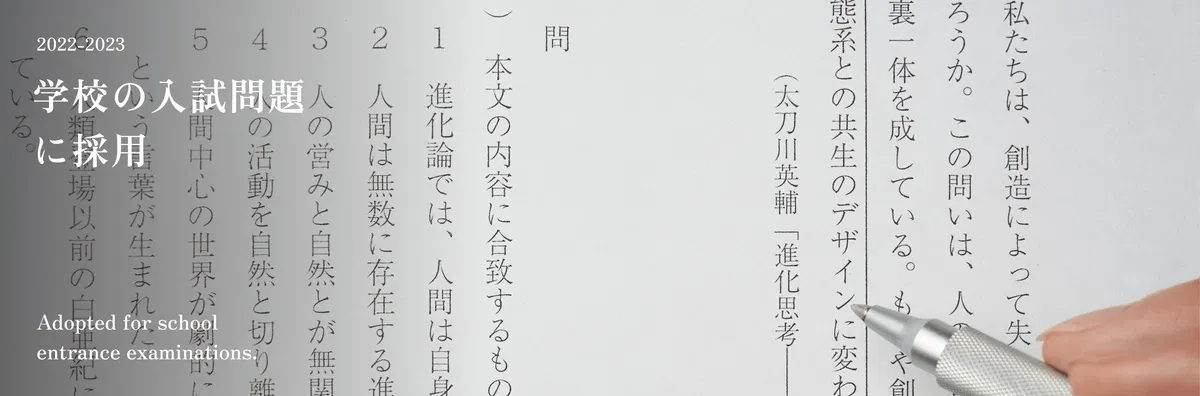
بخشهایی از خلاقیت تکاملی همچنان به عنوان مطالب آزمونهای مدرسه استفاده میشود و در آزمونهای ورودی زبان ژاپنی دانشگاه دوشیشا و آزمونهای ورودی دبیرستان در استان ناگانو ظاهر میشود.
نوامبر ۲۰۲۱: برنده جایزه یاماموتو شیچیهی
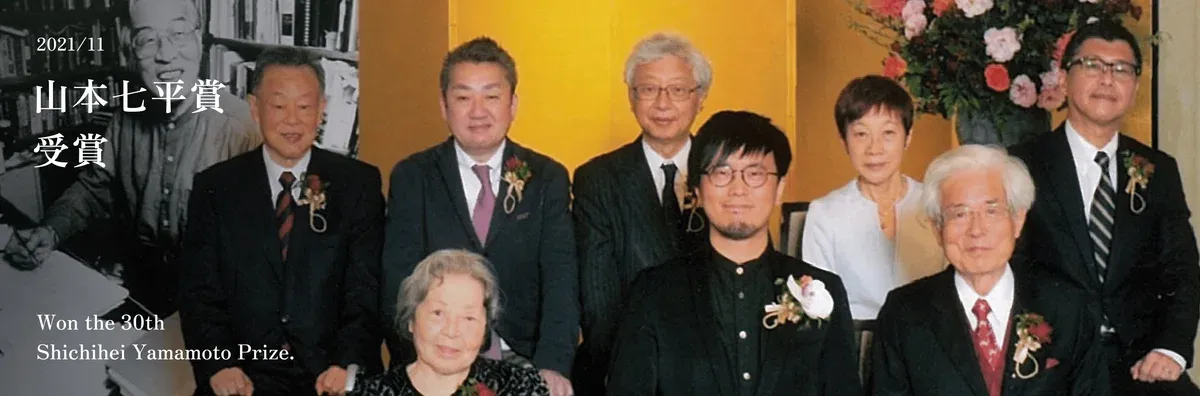
ما جایزه
در حالی که "خلاقیت تکاملی" به عنوان روشی برای پرورش نوآوران و هدایت نوآوری توجه جلب کرده است، برنده شدن این جایزه معتبر آکادمیک ژاپن - که کمیته انتخاب آن شامل آناتومیست تاکشی یورو، زیستشناس تکاملی ماریکو هاسگاوا، اقتصاددان موتوشیگه ایتو، دانشمند علوم سیاسی ترومسا ناکانیشی، و حقوقدان شوجی یاگی است - به آن اجازه داده است تا از منظر آکادمیک به عنوان روش تفکری جدید که خلاقیت را از دیدگاه تکاملی کشف میکند، شناخته شود.
آوریل ۲۰۲۱: انتشار کتاب *خلاقیت تکاملی*
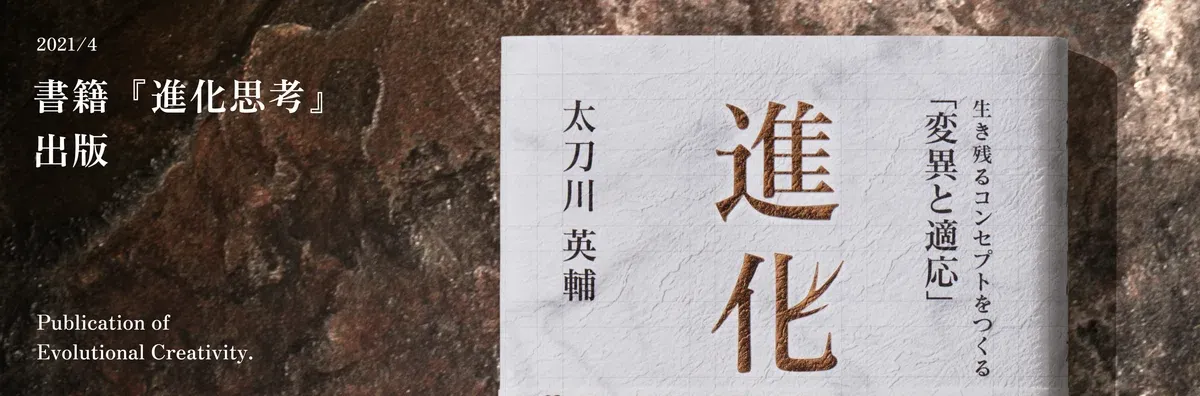
ما این کتاب را با هدف انتقال مفاهیم و روششناسی خلاقیت تکاملی به مخاطبان گستردهای، از جمله بخش کسبوکار، و تشویق کاربرد آن در تولید ایده در همه زمینهها، مانند توسعه کسبوکار، طراحی و هنر، منتشر کردیم.
این کتاب که مملو از عکسها و تصاویر فراوان در مورد تکامل بیولوژیکی و خلاقیت انسانی، به همراه 50 "اثر خلاقیت تکاملی" است که خوانندگان میتوانند در حین مطالعه تمرین کنند—که به طور جامع مفاهیم و روشهای عملی خلاقیت تکاملی را پوشش میدهد—پرفروش شد. روششناسی خلاقیت تکاملی به شرکتهای بزرگ و موسسات آموزشی گسترش یافت و حتی در آزمونهای ورودی دانشگاهها و دبیرستانها به کار گرفته شده است.
"خلاقیت تکاملی" مفهومی است که تاچیکاوا سالها پیش از انتشار کتاب در سال ۲۰۲۱ در حال توسعه آن بود. در ادامه خلاصهای از مسیری که منجر به انتشار "خلاقیت تکاملی" شد، ارائه شده است.
همکاری با برنامه تلویزیونی "The Direxon" شبکه NHK
ما در پروژهای برای برنامه تلویزیونی NHK
آگوست 2020: راهاندازی "مدرسه خلاقیت تکاملی"
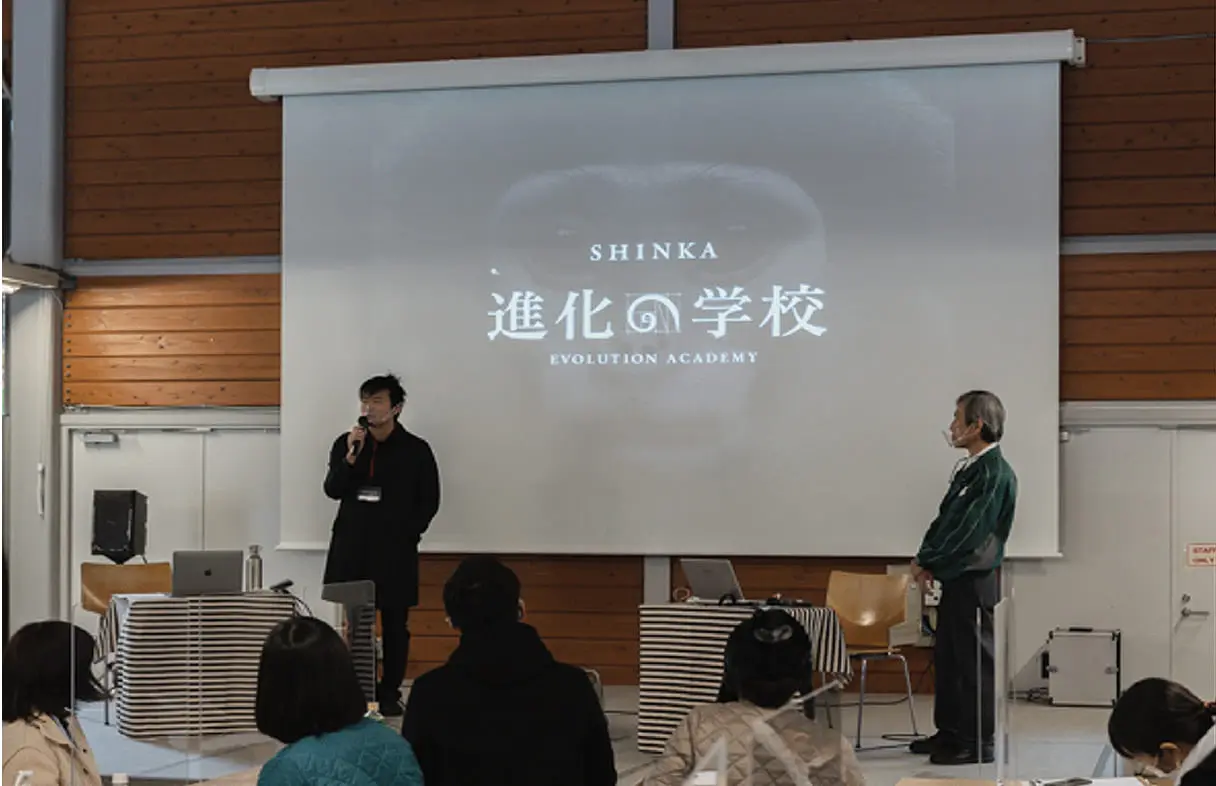
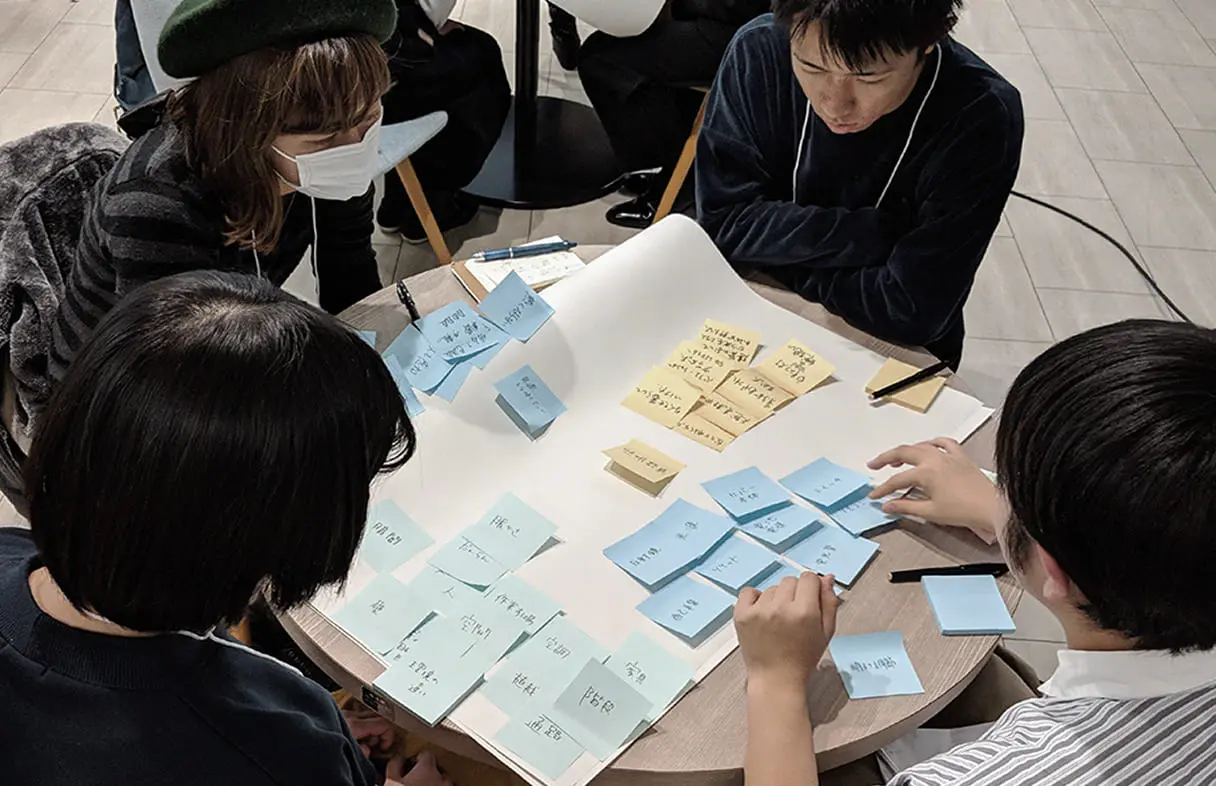
یک دوره آنلاین از طریق تلاشهای داوطلبانه تاکاشی یامادا و سایر اعضایی که خلاقیت تکاملی را مطالعه کرده بودند، راهاندازی شد. "مدرسه خلاقیت تکاملی" به عنوان دورهای طراحی شد تا بذرهای خلاقیت را در بخشهای مختلف جامعه بکارد. این مدرسه برنامه آموزشی است که به شرکتکنندگان کمک میکند تا ایدههای جدید برای ایجاد کسبوکار را از طریق سخنرانیها و کارگاههای خلاقیت تکاملی تصفیه کنند.
"مدرسه خلاقیت تکاملی" گروه متنوعی از شرکتکنندگان را جذب کرده است، از جمله مدیران شرکتها، کارکنانی که قصد پیشبرد نوآوری را دارند، و معلمان مدارس و کارمندان دولتی که به دنبال درگیری در عمل خلاقانه هستند. تا به حال، این برنامه تقریباً ۱۰۰۰ فارغالتحصیل تولید کرده است.
این برنامه به طیف گستردهای از شرکتکنندگان، از شرکتها و سازمانها تا افراد، ارائه میشود و برای توسعه محصول و توسعه منابع انسانی استفاده میشود. بسیاری از فارغالتحصیلان همچنان به صورت هفتگی ملاقات میکنند تا آموزش خلاقیت را از طریق خلاقیت تکاملی کشف کنند.
2019: شروع نوشتن کتاب *خلاقیت تکاملی*
پس از ملاقات با آقای آبه و آقای هارادا در "Kokuri! Camp"، آنها تصمیم گرفتند انتشارات "Ami no Kaze" را در شهر آمی، استان شیمانه راهاندازی کنند. آنها با ایده تبدیل کردن *Evolutional Creativity* به اولین کتاب خود به من نزدیک شدند و به این ترتیب فرآیند نوشتاری سه ساله آغاز شد.
سپتامبر ۲۰۱۸: انتشار مقاله "Evolutional Creativity" در *DIAMOND Harvard Business Review*
مقالهای با حدود ۱۰۰۰۰ کاراکتر که خلاصهای از "Evolutional Creativity" ارائه میداد در
۲۰۱۸: راهاندازی کارگاه «خلاقیت تکاملی»
پس از کسب بینشهای بسیاری از طریق نمایشگاه، تاچیکاوا "دستور زبان طراحی" را توسعه داد و "خلاقیت تکاملی" را راهاندازی کرد، کارگاهی که برای یادگیری فرآیند خلاق از تکامل بیولوژیکی طراحی شده بود. در اولین کارگاه که در "Cocri! Camp"—گردهمایی رهبران و متخصصان از بخشها و زمینههای مختلف—برگزار شد، او با تاکاشی یامادا که بعداً "مدرسه تکامل" را راهاندازی کرد؛ یوجی آبه، ناشر کتاب *خلاقیت تکاملی*؛ و ایجی هارادا از انتشارات ایجی ملاقات کرد. متعاقباً، کارگاه در شرکتهای مختلف برگزار شد و "خلاقیت تکاملی" به عنوان روششناسی نوآوری پذیرفته شد.
نوامبر 16–اکتبر 31، 2016: نمایشگاه گالری گرافیک گینزا "NOSIGNER: فرم و دلیل"
تاچیکاوا که به خلاقیت اشکال طبیعی—که هیچ زبانی ندارند—که از انسانها فراتر میرود علاقهمند شده بود، شروع به کاوش در نقاط مشترک میان تکامل زیستی و خلاقیت انسانی کرد. در نمایشگاه "NOSIGNER: Form and Reason" که در گالری گرافیک گینزا (ggg) برگزار شد، او آثاری ارائه داد که تکامل و خلقت را در تضاد قرار میداد و به دلایل پشت اشکال و روشهای تصور طراحی میپرداخت.
2012 شروع تدریس دوره "گرامر طراحی"
پس از ورود به بازار کار و تعهد کامل به حرفه طراح، تاچیکاوا شروع به تدریس "دستور زبان طراحی" در دانشگاه هنرهای زیبای موساشینو کرد، دورهای که محتوای پایاننامه کارشناسی ارشد او را گسترش داد. این دوره که بعداً به شامل جلسات برای متخصصان شاغل گسترش یافت، شهرت قوی کسب کرد و منجر به پذیرش آن در i.school دانشگاه توکیو و کاربرد آن در ابتکارات نوآوری در شرکتهای مختلف شد.
پایاننامه کارشناسی ارشد "شناخت زبانی طراحی"
INFORMATION
- What
- Evolutional Creativity
- When
- 2016-
- Where
- Japan
- Scope
- Branding / Branding Strategy / Logo / Edition / Business card / Motion logo / Promotional items / Infographics / Photograph / Book cover and inner page design / Exhibition / Poster / Concept Development
- Award
- The 30th Shichihei Yamamoto Prize2021
- ITB GANESHA WIDYA JASA ADIUTAMA2024
- SDGs







CREDIT
- Inventor
- Eisuke Tachikawa
- Thanks
Amanokaze (kazetotuchito Inc. ),Eiji Press Inc. , NOSIGNER staffs,Ginza Graphic Gallery , Yuichi Hisatsugu, Kunihiko Sato