PROJECT
Asia Institute of Innovation
Led the revitalization of the Asia Innovation University, which cultivates global leaders who contribute to the future of the planet from the far corners of Asia.
HOW
A University for Innovation and Sustainability Immersed in Nature.
At Asia Institute of Innovation, a diverse student body—primarily Cambodian and Japanese—master the digital skills required for the AI era and the sustainable innovations essential to the planet’s future. Hope is emerging from this frontier, with graduates securing roles at GAFAM headquarters and winning national programming competitions in Cambodia. Immersed in the wilderness, far from urban centers, students experience natural ecosystems firsthand. This environment, where peers of different nationalities and backgrounds collaborate, offers a prime opportunity to hone practical skills in English and programming while cultivating a vision for a sustainable future.

As climate change makes coexistence with nature a global imperative, Tachikawa advocated that future leaders must master both “Sustainability” and “Innovation.” Leveraging its location within a national park where environmental shifts are felt firsthand, he proposed integrating ecology and sustainability into the technology and entrepreneurship curriculum. By specializing in “Sustainable Innovation,” the university established a unique global identity.

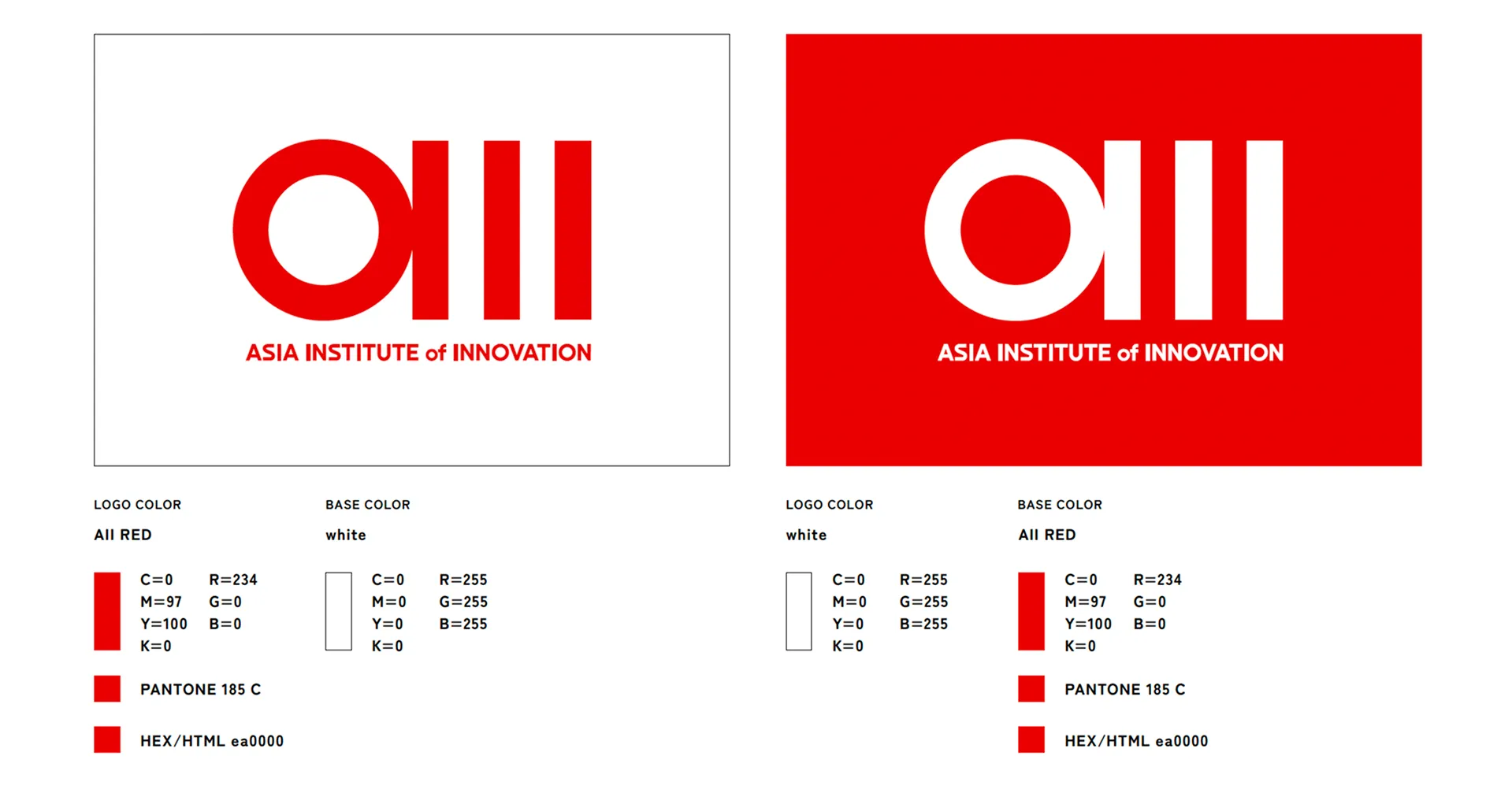
Under this concept, the university began its new chapter, fostering leaders for sustainable innovation. Renamed “Asia Institute of Innovation,” its logo renders the acronym “AIII” (Asia Institute of Innovation International) through circular and square motifs. These forms symbolize the university’s dualities: Nature and Technology, Sustainability and Innovation, and Japan and the Global Community.


WHY
A University for Innovation and Sustainability Immersed in Nature.
Japan is often characterized by a lack of racial and cultural diversity due to its geographical and linguistic background. During the era of rapid economic growth—when the population shared clear, collective goals—this homogeneity fostered a unity that became a core strength in Japan’s rise as a global economic power. However, in today’s globalized world, addressing complex, planet-scale challenges requires collaboration among individuals with diverse values and cultural perspectives.
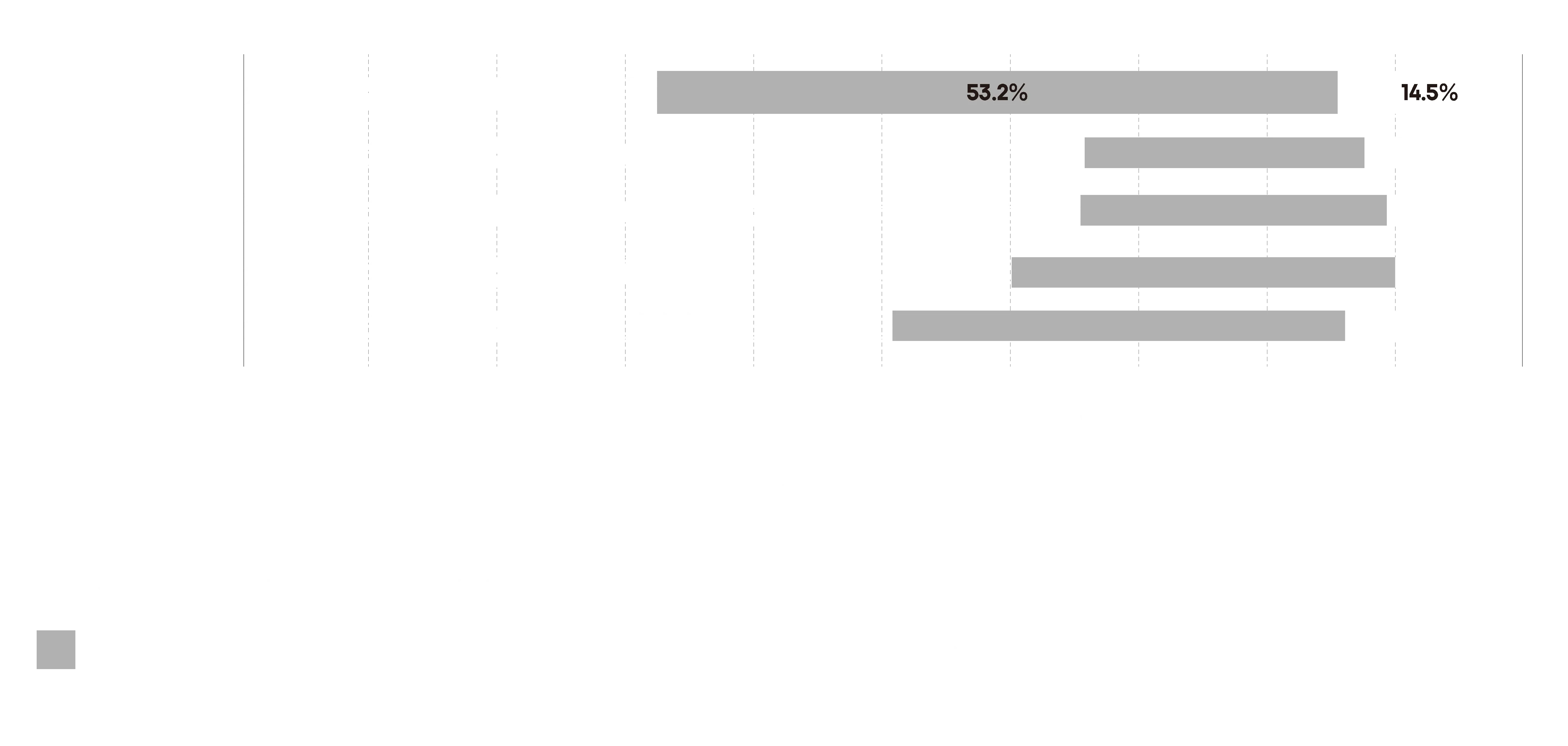
In recent years, Japan has seen a declining interest in the international experience necessary to cultivate the next generation of global leaders. This trend is driven by economic stagnation, diminishing international competitiveness, and anxieties regarding linguistic and cultural barriers. The number of students pursuing long-term study abroad, including degree programs, is on the decline. According to a Cabinet Office survey, over half of respondents aged 13 to 29 stated they “have no desire to study abroad.” This lack of outward ambition is striking compared to countries like the United States and South Korea, where only about 20% feel the same.
Young people in Japan tend to have little interest in studying abroad
In the IMD’s “World Digital Competitiveness Ranking,” Japan’s ranking has fallen year by year since 2009
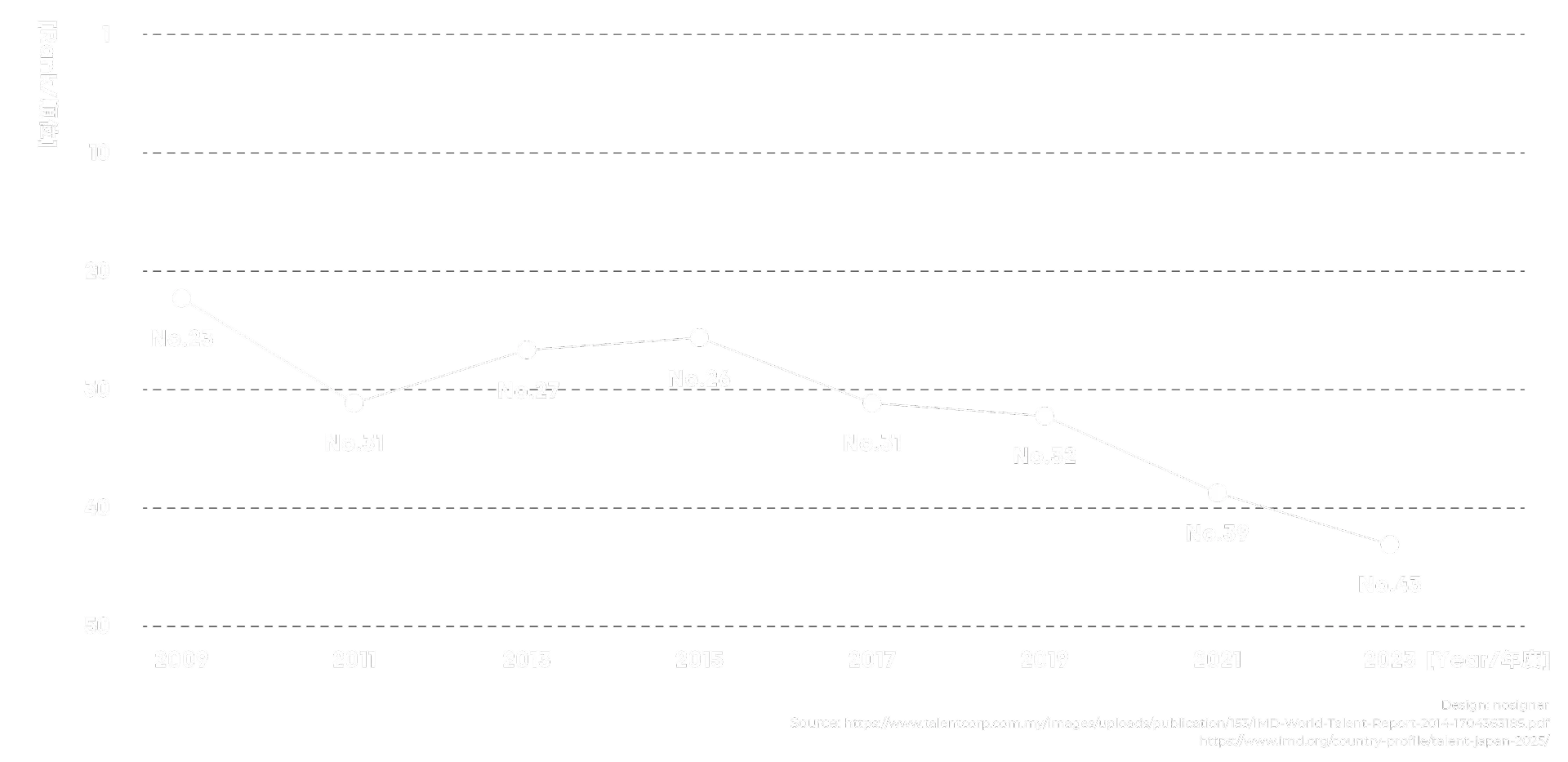
The “World Talent Ranking” by the Swiss business school IMD reflects this reality: Japan’s standing has plummeted from 23rd in 2009 to 43rd in 2024. Similarly, in IMD’s “World Digital Competitiveness Ranking,” Japan ranks 32nd overall, with specific indicators such as “International Experience of Senior Managers” (64th), “Digital/Technological Skills” (63rd), and “Attraction of Highly Skilled Foreign Talent” (54th) placing it on par with developing nations. Education, the essential foundation for reversing these trends, is also under-supported; Japan’s public spending on education accounts for only 8% of total government expenditure—the third-lowest among the 36 OECD member countries.
Falling significantly behind the global standard in “English proficiency” and “digital skills”—both indispensable in modern society—and marked by a lower sense of international contribution compared to its peers, Japan faces a critical turning point. To cultivate leaders capable of contributing to the world from such a climate, a new paradigm of educational environments is urgently required.
WILL
Cultivating Global Innovators in Harmony with Nature.
At Asia Institute of Innovation, a diverse student body—primarily Cambodian and Japanese—master the digital skills required for the AI era and the sustainable innovations essential to the planet’s future. Hope is emerging from this frontier, with graduates securing roles at GAFAM headquarters and winning national programming competitions in Cambodia. Immersed in the wilderness, far from urban centers, students experience natural ecosystems firsthand. This environment, where peers of different nationalities and backgrounds collaborate, offers a prime opportunity to hone practical skills in English and programming while cultivating a vision for a sustainable future.
We hope that from this Asian frontier, a new generation of global leaders and social innovators will emerge—individuals equipped with diverse perspectives to tackle planetary challenges and contribute to the future of our world.
INFORMATION
- What
- Asia Institute of Innovation
- When
- 2024
- Where
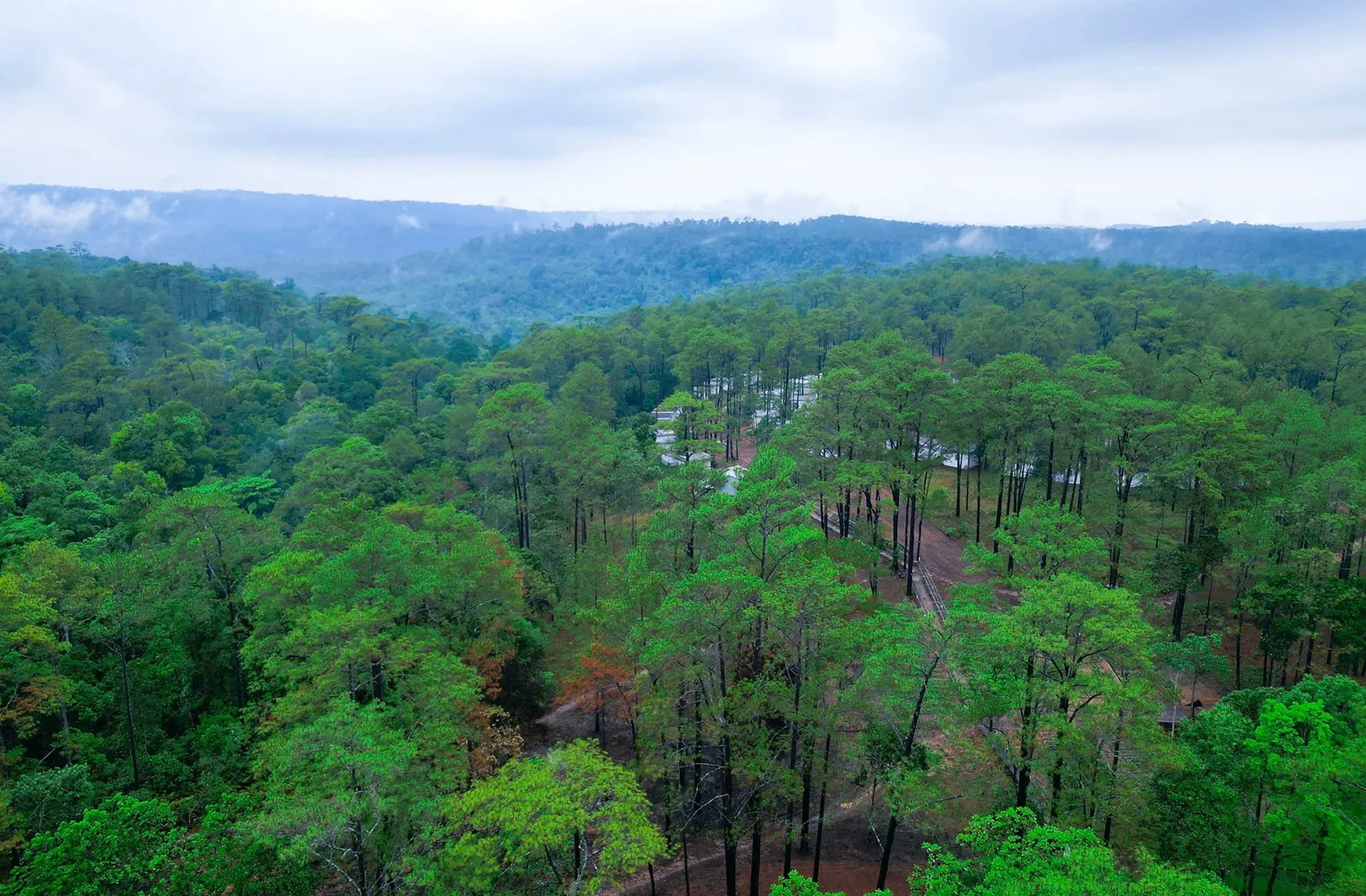
- Kirirom, Cambodia
- Client
- Scope
- Re-branding / Branding Strategy / Logo
- SDGs
CREDIT
- Art Direction
- NOSIGNER (Eisuke Tachikawa)
- Graphic Design
- NOSIGNER (Eisuke Tachikawa, Yuta Horimoto)