PROJECT
ЕВОЛЮЦІЙНА ТВОРЧІСТЬ
Креативна методологія навчання на основі біологічної еволюції. Прийнята 70+ компаніями та університетами, переможець премії Ямамото Сітіхей. Перекладена китайською, корейською, індонезійською мовами, поширюється по всьому світу.
HOW
Систематизація освіти творчості з використанням біологічної еволюції.
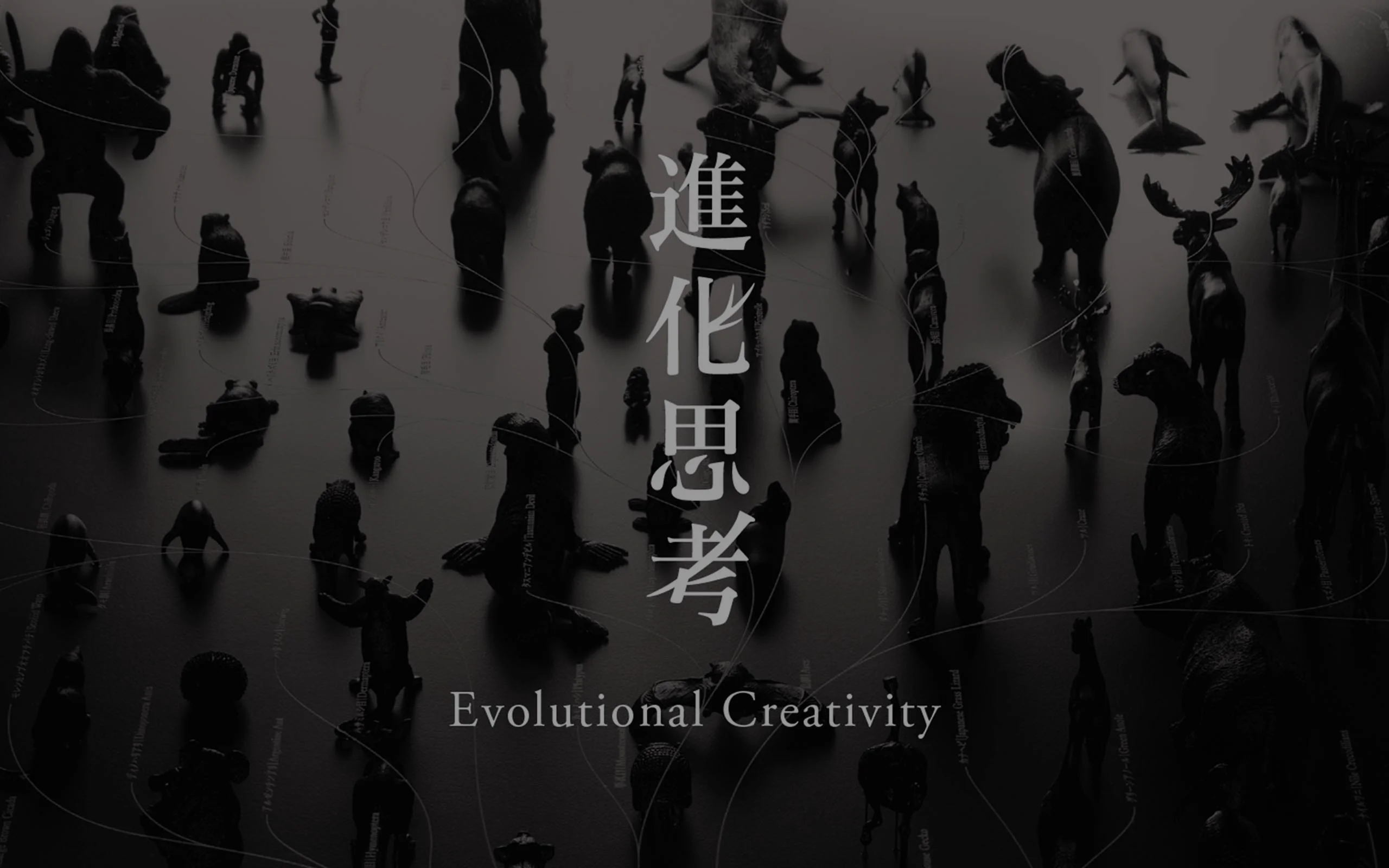
Людська творчість настільки особлива, що її можна назвати паранормальним явищем у природному світі. Серед десятків мільйонів видів за 3,8 мільярдів років історії життя на Землі немає інших видів, які б демонстрували наш рівень творчості. Оскільки ми, люди, також є частиною природи, нашу творчість також слід розглядати як природне явище.
Водночас, коли ми дивимося на форми та конфігурації в природі, ми можемо подумати, що природа є навіть більш творчою, ніж люди. Чому так?
З цієї точки зору Ейсуке Тачікава, керівник NOSIGNER, вважає, що людська творчість є явищем, подібним до еволюції живих істот. Він продовжував намагатися структурувати творчість на основі природної еволюції. Таким чином він створив Еволюційну Творчість, систематизований метод творчого мислення, який застосовує механізми еволюції живих істот до дизайну та інновацій.
Живі істоти еволюціонують завдяки мутаціям, які відбуваються випадково, та завдяки відбору, який відбувається за необхідністю через фактори навколишнього середовища та інші умови. Ці два процеси повторюються генетично протягом поколінь.
Якщо наша творчість працює так само, то багато винаходів та інновацій людства, які революціонізували світ, можна віднести до цих чергових процесів, спричинених випадковістю та необхідністю. У обох процесах - випадковому та необхідному - немає свідомого наміру. Два процеси просто чергуються між собою, щоб наблизитися до оптимальної адаптації.
Творчість - це те, що відбувається автономно, не залежно від свідомого наміру творця. Базуючись на цій ідеї, Еволюційна Творчість - це процес чергування між Мутованими ідеями, народженими з божевільної та нетрадиційної випадковості, та Селективними ідеями, народженими з необхідності адаптації до поточних умов. Цей чергований творчий процес триває протягом поколінь.

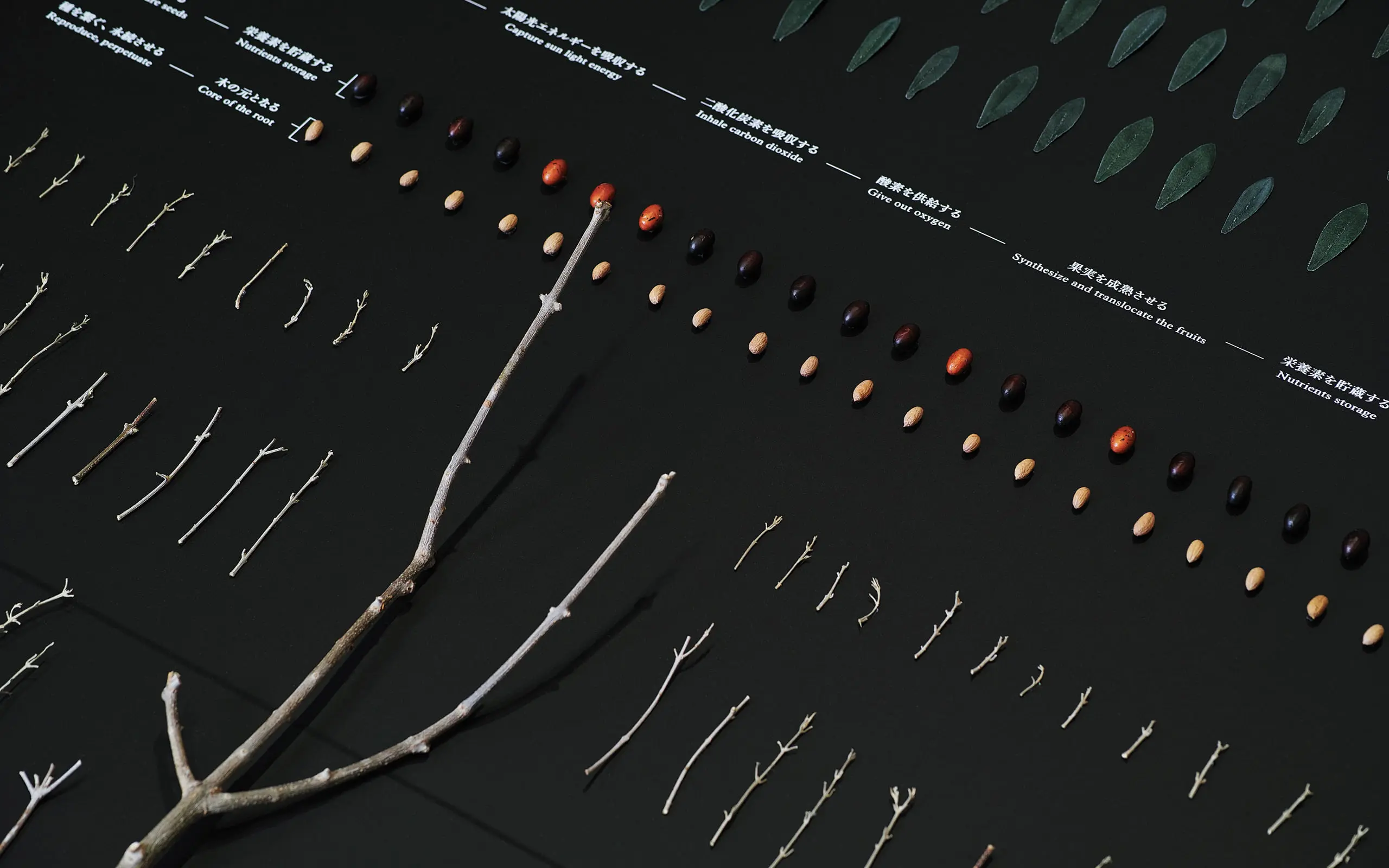
Тачікава вивчав зв'язок між дизайном і мовою, і він вірить, що джерелом людської творчості є мова. А ключем до еволюції живих істот є мутація ДНК, яка дуже схожа на мову.
Помилки копіювання ДНК можна порівняти з неправильною вимовою та неправильним сприйняттям мови на слух. Виходячи з цього припущення, Тачікава теоретизує, що еволюція та творчість виробляють схожі патерни мутації.
Схожі патерни, знайдені в еволюції живих істот, також очевидні в різноманітних людських винаходах і культурах. Еволюційна Творчість застосовує ці схожі патерни до творчого процесу. Помилки, що призводять до нових ідей, категоризуються на дев'ять типів.
Використовуючи дев'ять мутаційних патернів Варіювати, Зникати, Інтегрувати, Обертати, Розділяти, Заміщувати, Асимілювати, Транзит та Проліферувати як інструменти з набору інструментів, ми можемо генерувати велику кількість випадкових помилок для створення багатьох ідей за короткий проміжок часу. Це мутовані ідеї.
Отже, як ми обираємо хорошу ідею з цих типів помилок? У природному світі ми можемо спостерігати, як живі істоти роблять вибір для адаптації до свого середовища. Якщо ми навчимося з довго відточеного підходу природознавця до спостереження за природним світом, ми могли б обирати адаптивні ідеї.
Вивчаючи різні методи спостереження в природничих науках, Тачікава помітив, що було лише чотири перспективи, що охоплювали як час, так і простір. Кожна з них була усталеною біологічною системою спостереження.
Чотири перспективи - це Анатомія для розуміння внутрішніх частин, Екосистема для розуміння зовнішнього середовища, Родовід для розуміння розвитку генеалогії та Прогнозування для роздумів про майбутнє з двома підходами Прогноз і Зворотний прогноз. Він систематизував ці чотири Адаптивні методи та назвав їх Просторово-Часове Навчання. Аналізуючи умови через ці чотири перспективи, що охоплюють час і простір, ми можемо зрозуміти, як суспільство зазнає тиску для прийняття неминучих рішень, які воно приймає. Тоді ми можемо відповідно протистояти їм, обираючи міцні ідеї.
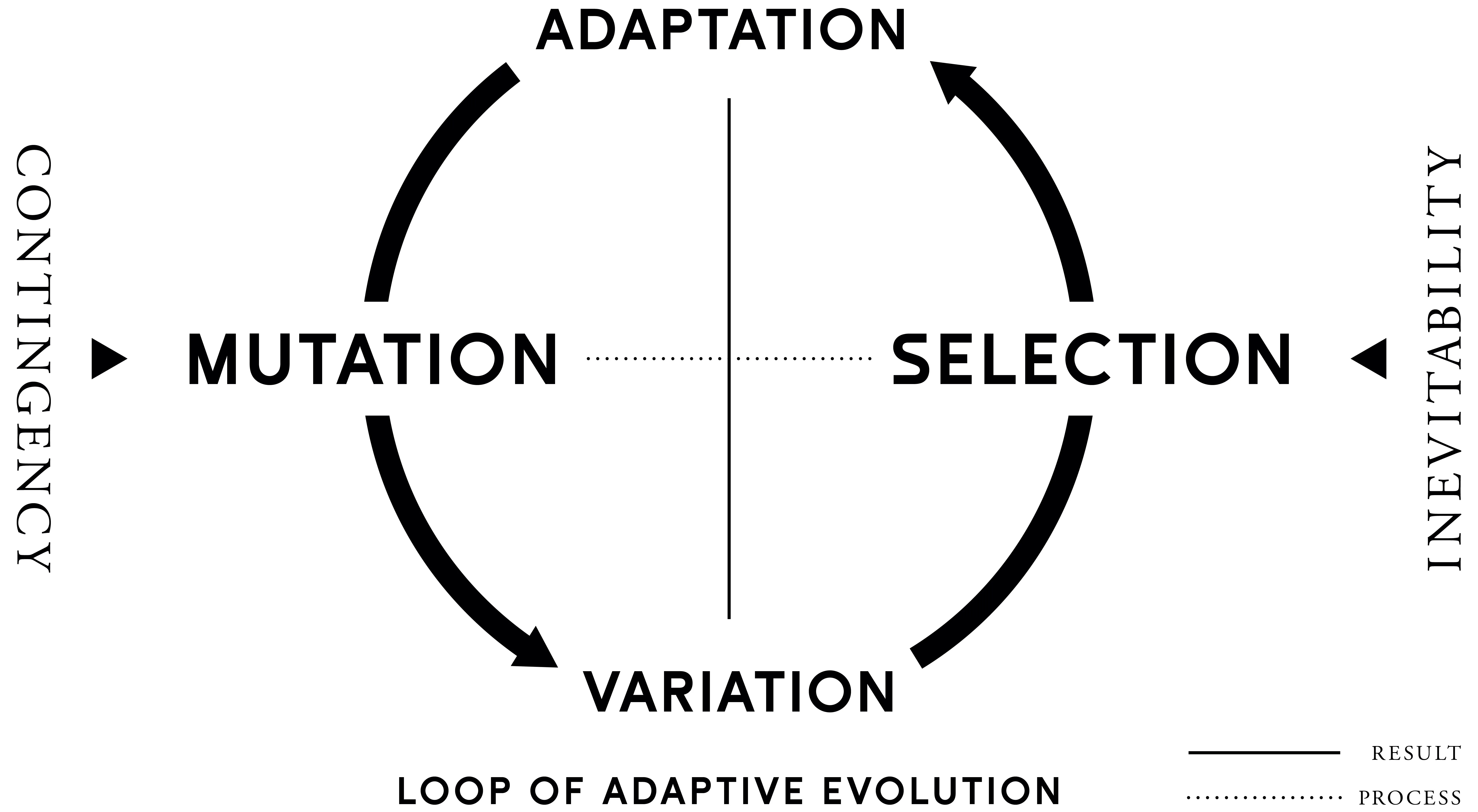
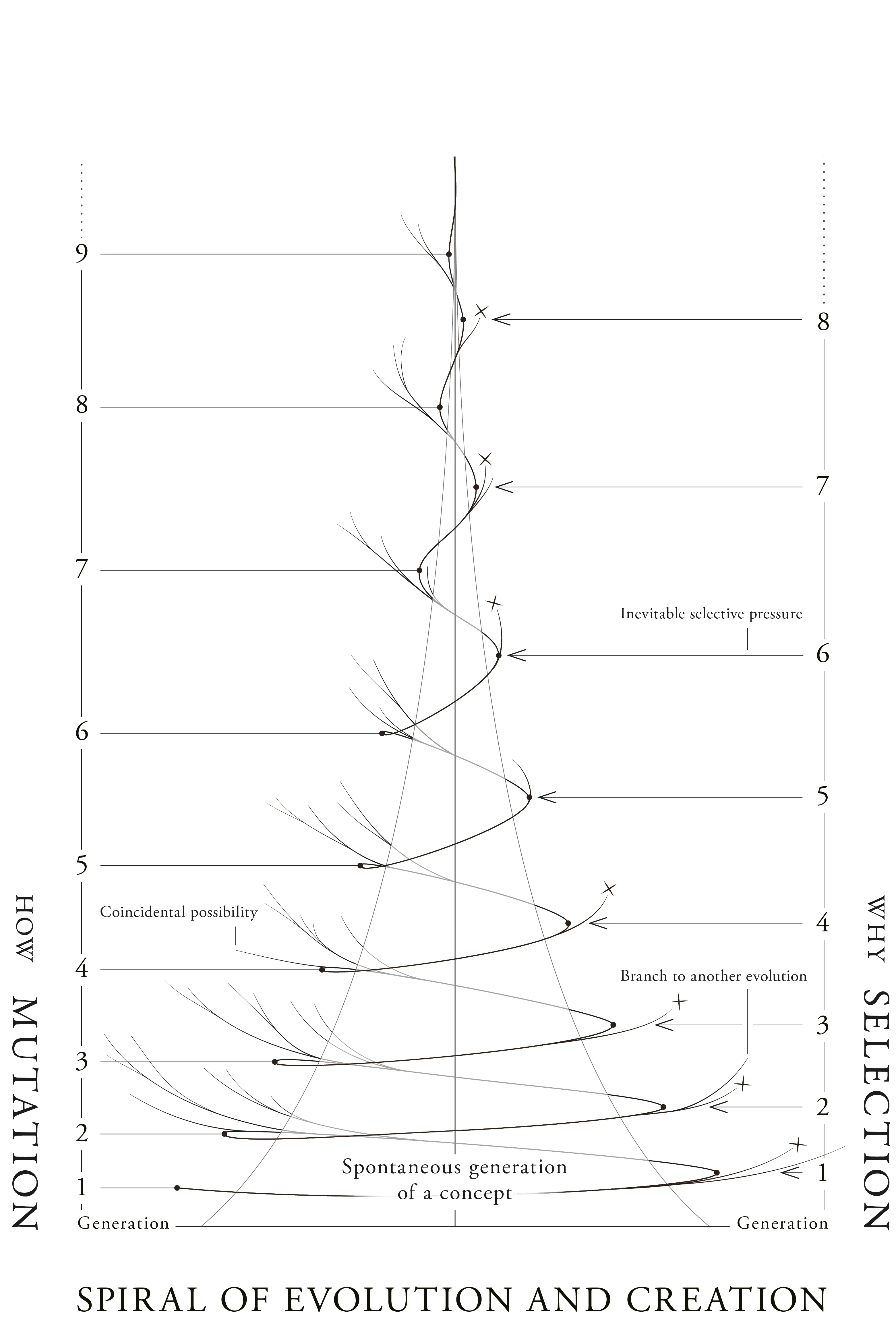
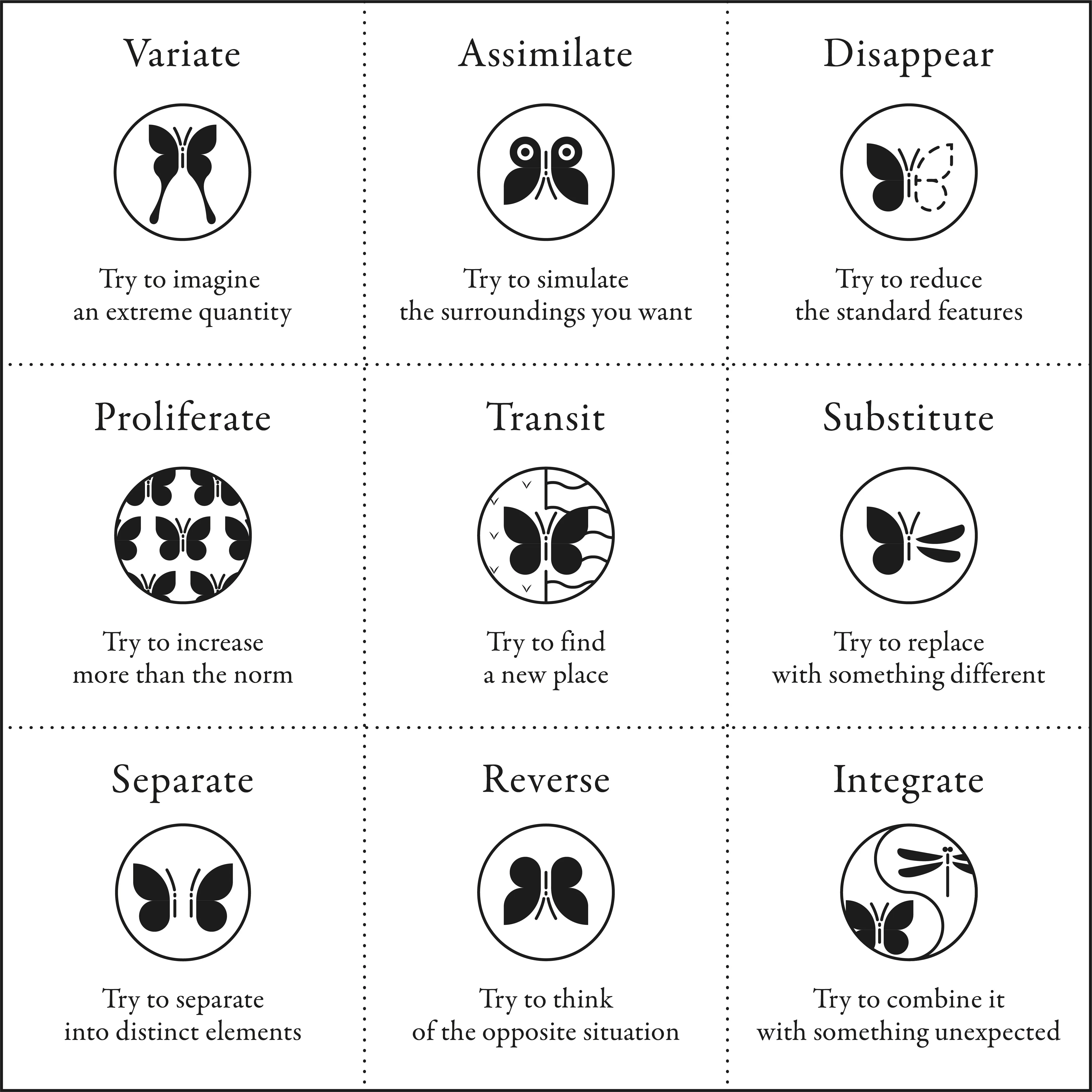
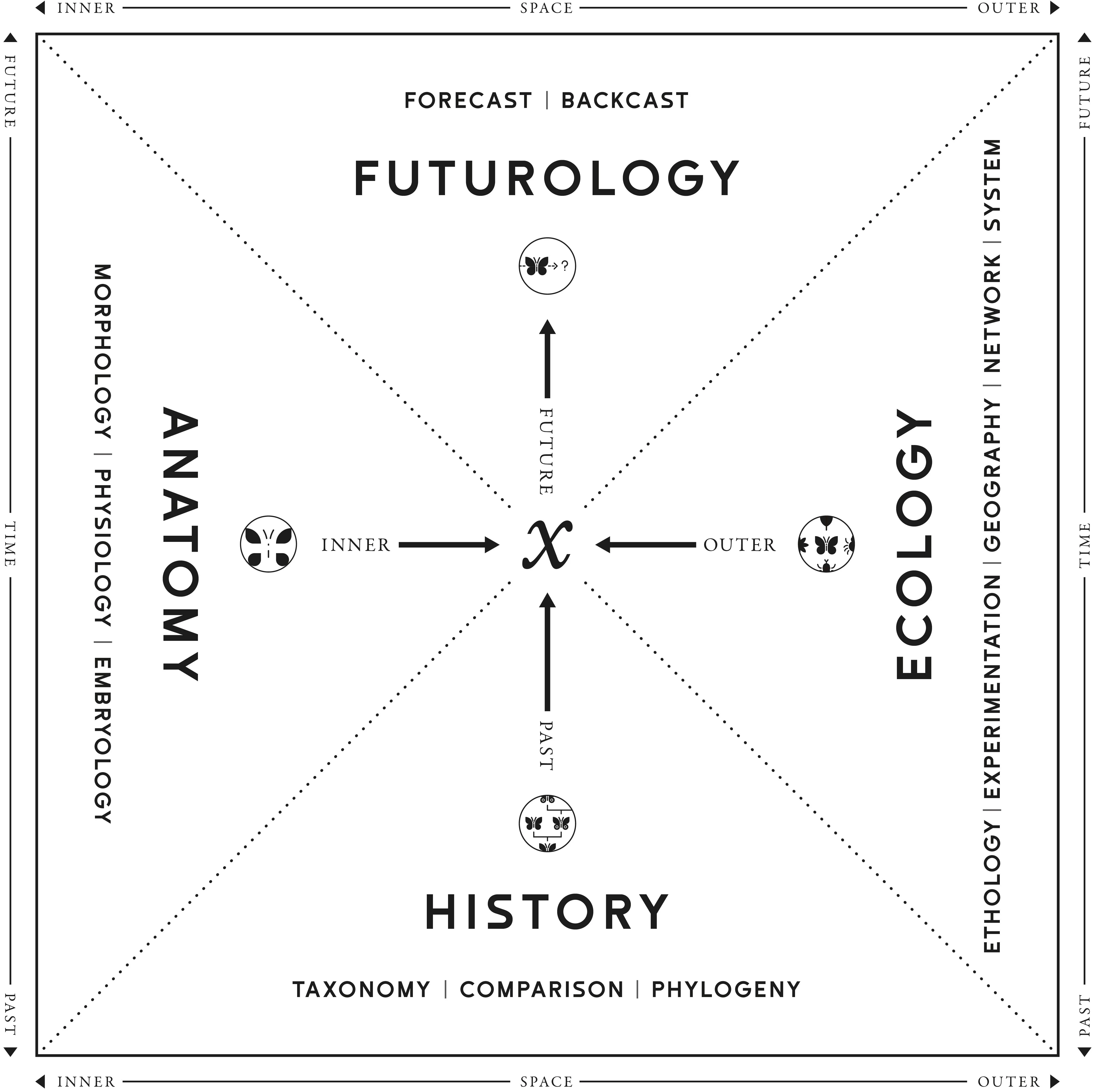
Еволюційна креативність — це спосіб мислення для створення креативних концепцій, які можуть вижити протягом тривалого часу, використовуючи та чергуючи дві ідеї мутації та селекції.
(У першому виданні книги «Еволюційна креативність» використовувався вираз «мутація та адаптація» з посиланням на випадкову мутацію та природний відбір, що спрямовані на адаптацію. Однак у переглянутому виданні вираз було змінено на «мутація та селекція» для більшої відповідності академічній коректності.)
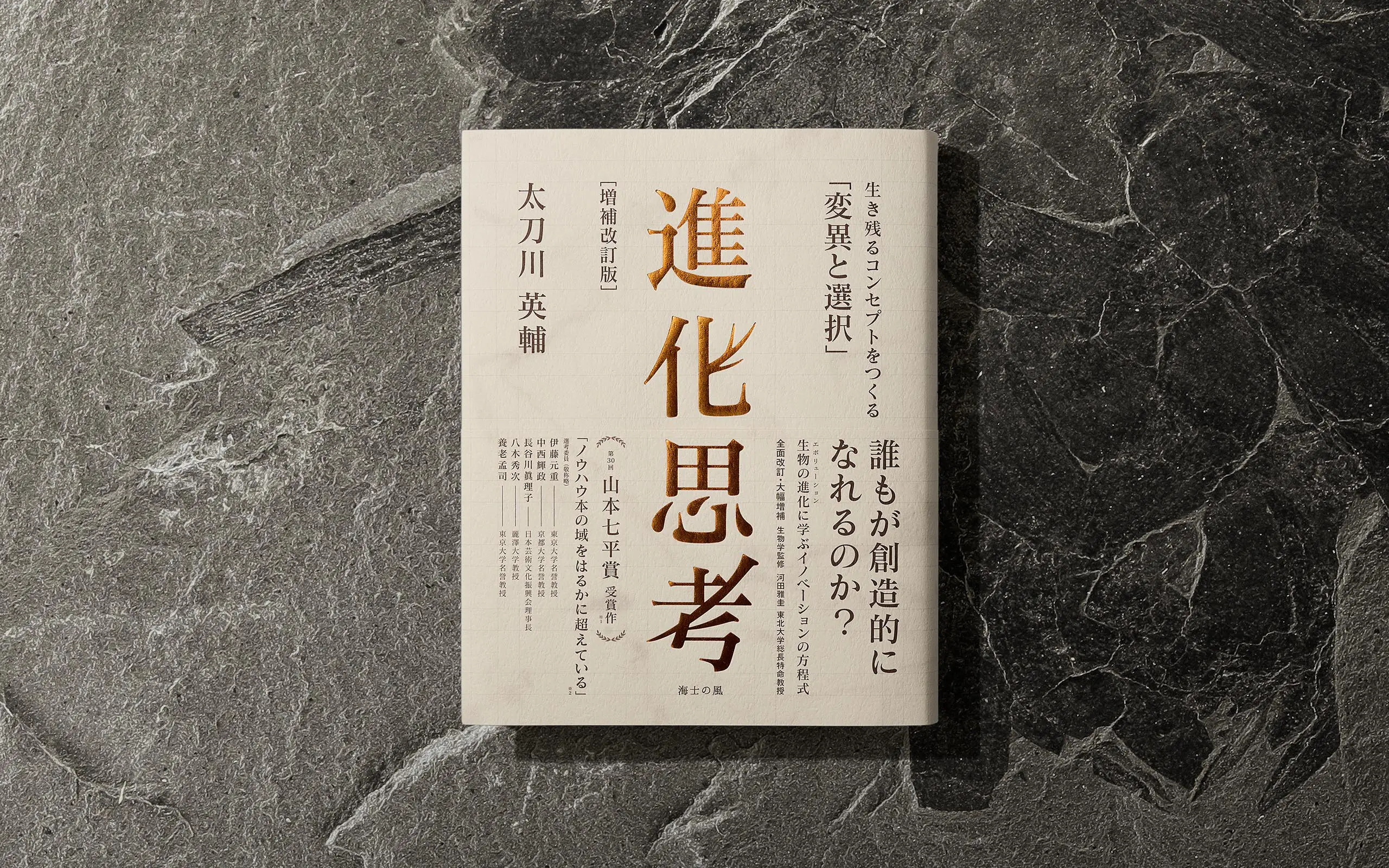
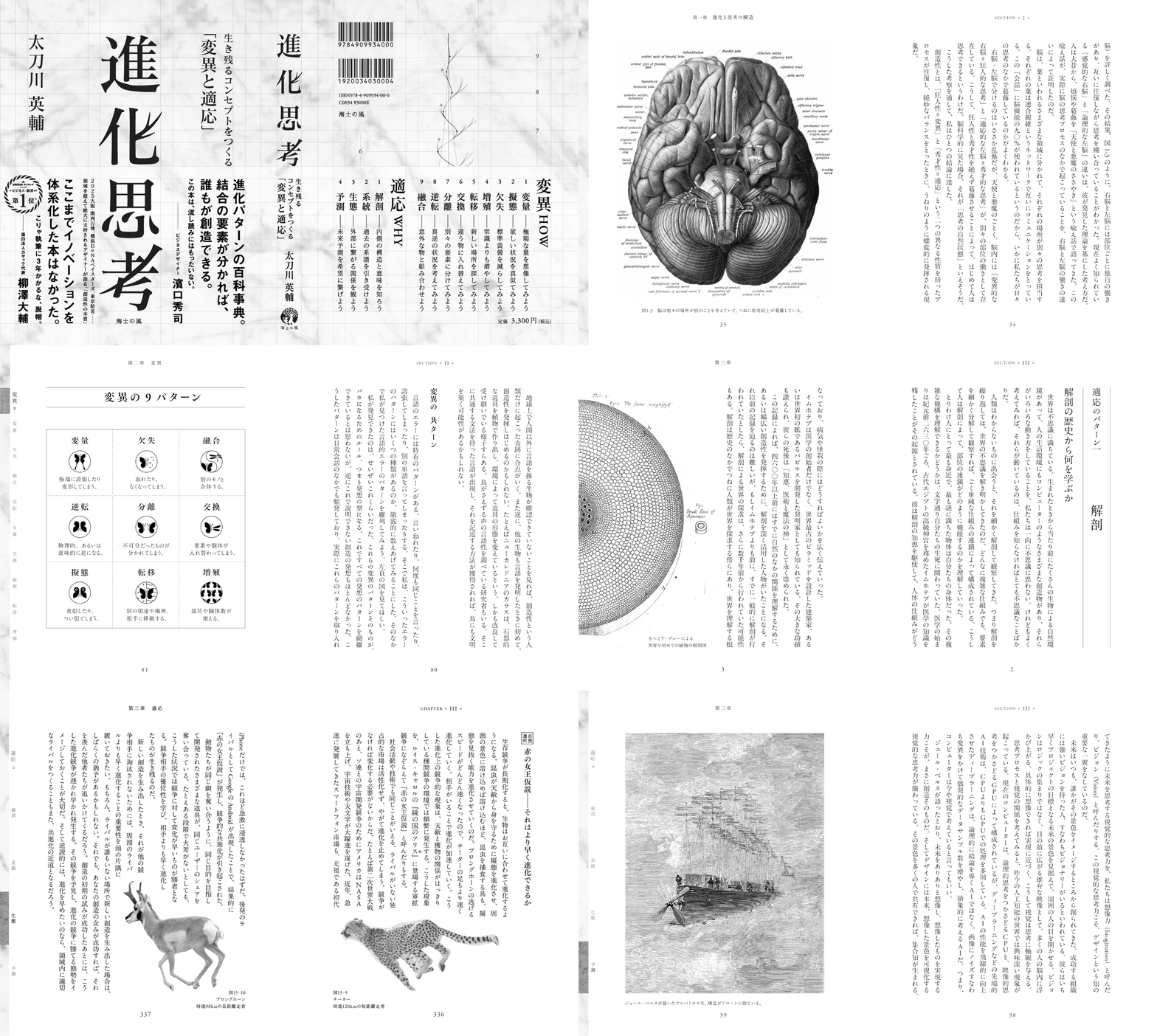
У квітні 2021 року "Еволюційна Творчість" надійшла у продаж як перша книга, видана Amanokaze, першим видавництвом, заснованим в Ама, префектура Шімане, на віддаленому острові з населенням близько 2000 осіб поблизу національного кордону. Незважаючи на те, що книга була опублікована у віддаленому місці, вона стала бестселером №1 Amazon Japan у категорії "Бізнес & Економіка". Протягом одного тижня після виходу було продано 30 000 примірників у трьох тиражах. Продажі книги продовжують широко зростати.
Книга також отримала численні нагороди в Японії. Однією з них була премія Ямамото Шічіхей, престижна академічна нагорода, яка присуджується раз на кілька років книгам з гуманітарних наук, що уособлюють Японію. До складу відбіркової комісії входили два біологи (анатом Такеші Йоро та еволюційний біолог Маріко Хасегава), економіст соціальних наук Мотошіге Іто, політолог Терумаса Наканіші та правознавець Хідецугу Ягі. Книга отримала академічне визнання за межами гуманітарних та природничих наук.
З "Еволюційною Творчістю" ми хочемо довести, що можемо змінити світ навіть з віддаленого місця. Ми також хочемо поширити цю нову освітню програму творчості у всьому світі.
VOICE
Еволюція підпорядковується різноманітним визнаним законам. Автор спирається на ці закони як на фундамент, прагнучи надати цінний довідковий матеріал для так званих інновацій.
Хоча специфіку кожного випадку найкраще досліджувати, читаючи саму книгу, оригінальність ідеї—застосування еволюційних принципів до мислення про інновації—далеко перевершує типовий практичний посібник. Приклади, представлені в кожному розділі, яскраві та захоплюючі, що робить книгу приємною для читання. Це відображає безперервне та невпинне мислення автора.
3,5 мільярда років біологічної еволюції на Землі привели до нас, сформували тих, ким ми є сьогодні. Якщо цей процес керувався певними законами, немає причин, чому ті самі закони не могли б слугувати довідником для процесів, які ще попереду.
Підхід автора по суті аналогічний. Конрад Лоренц, етолог, одного разу зауважив у своїй Нобелівській лекції, що його метод був суто аналогічним. В академічному світі, який часто підкреслює "оригінальність", мало хто б це визнав. Проте в контекстах, де цінується оригінальність—таких як інновації—значення аналогії стає зрозумілим. У цьому сенсі ця робота є надзвичайно цінною та гідною премії Ямамото Сітіхея.
Науково-дослідний інститут Йоро, Лтд. /
Професор емеритус, Токійський університет
Такеші Йоро

Про дизайн книги
Книга була розроблена самим Тачікавою, автором.
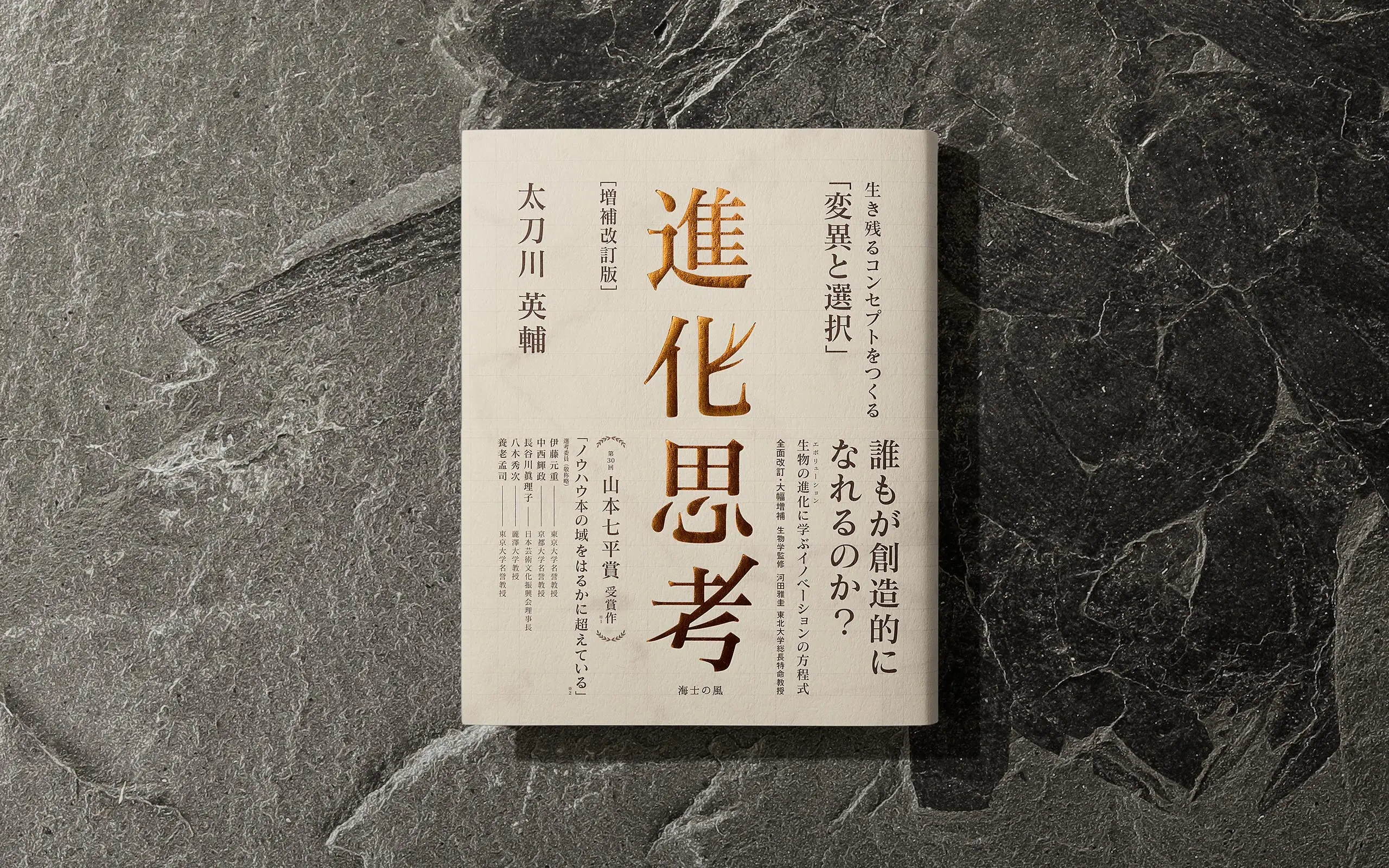
Він хотів, щоб книга продовжувала бути улюбленою поза межами сучасних часів. Натхненний геологічними пластами, що формувалися протягом еонів, він вирішив зробити дизайн і текстуру схожими на камінь. Це також було данью геологічним дослідженням Джеймса Хаттона, який вплинув на теорію еволюції Чарльза Дарвіна.
Обкладинка книги використовує тиснений узорчастий папір (під назвою "Iwa-hada" або поверхня каменю) з кам'янистою текстурою, на якій надруковано мармуровий візерунок. Оскільки краї книги також мають той самий мармуровий візерунок, книга з понад 500 сторінками виглядає як товста і міцна кам'яна цегла. Також, усуваючи декоративні елементи якомога більше і маючи мінімалістський дизайн, підтримується однорідний колірний тон. Це позачасовий, привабливий дизайн книги, який не піддається жодним дизайнерським тенденціям.
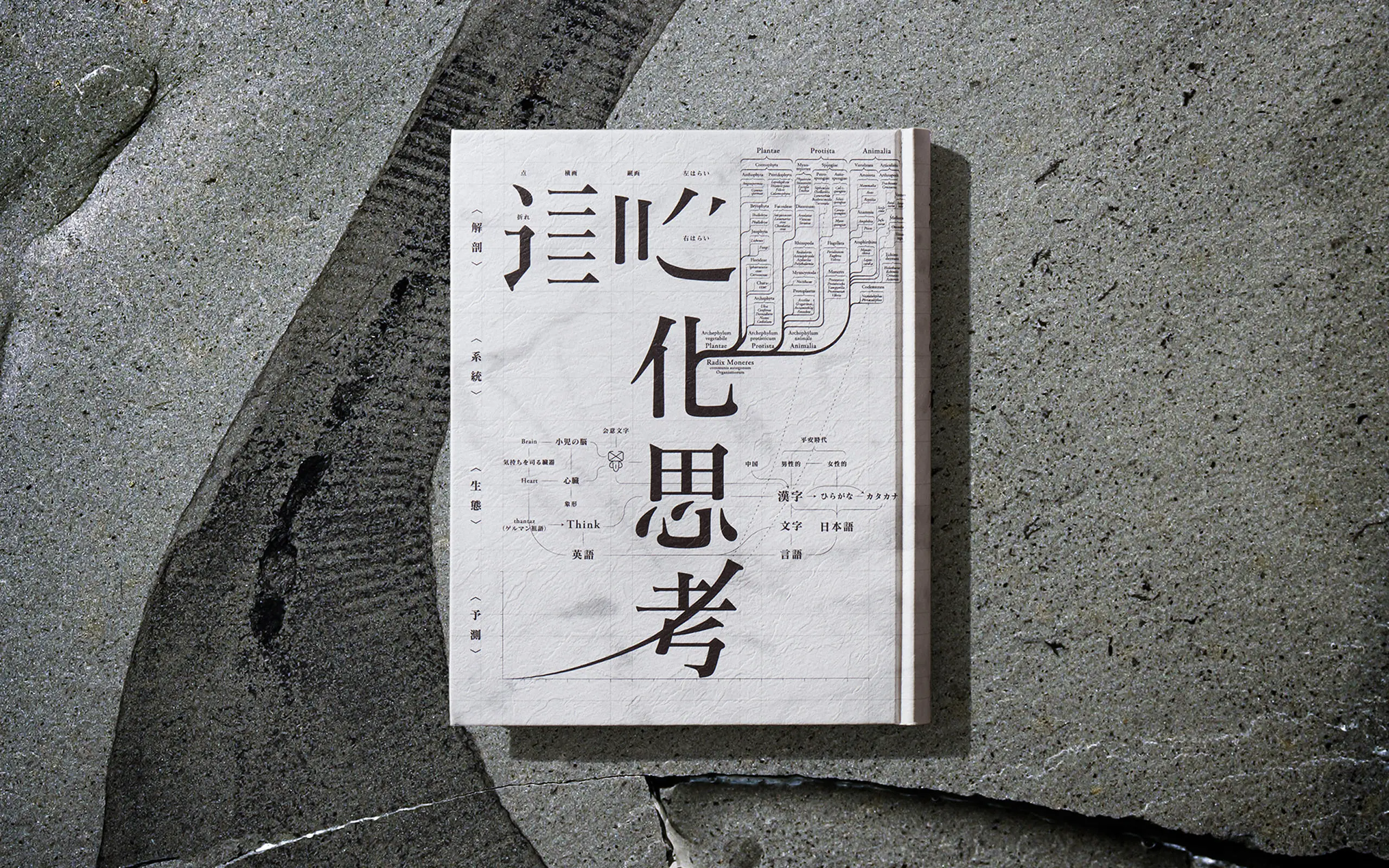
Логотип назви книги показує чотири ієрогліфи кандзі (進 化 思 考) в переході, заснованому на паттернах мутації Еволюційної Креативності: Розмноження, Асиміляція, Реверс та Варіація. Коли паперова обкладинка знімається, обкладинка книги показує ті ж чотири ієрогліфи кандзі як візуальні представлення чотирьох ідей просторово-часового навчання: Анатомія, Родовід, Екосистема та Прогнозування.
Надрукований логотип може виглядати чорним при погляді прямо зверху, але він здається коричневим при погляді під кутом. Цей ефект був створений завдяки фользі для гарячого тиснення "кавово-коричневого" кольору компанії Murata Kimpaku і розроблений так, щоб виглядати як слабо блискучі коштовності, вбудовані в мармур.

Оскільки Тачікава є одночасно дизайнером книги та автором, він міг ефективно спроєктувати верстку основного змісту, використовуючи обтікання тексту для інтеграції ілюстрацій у текст. Покажчик книги також має мармуровий візерунок, щоб полегшити пошук тем і повторне читання тексту.
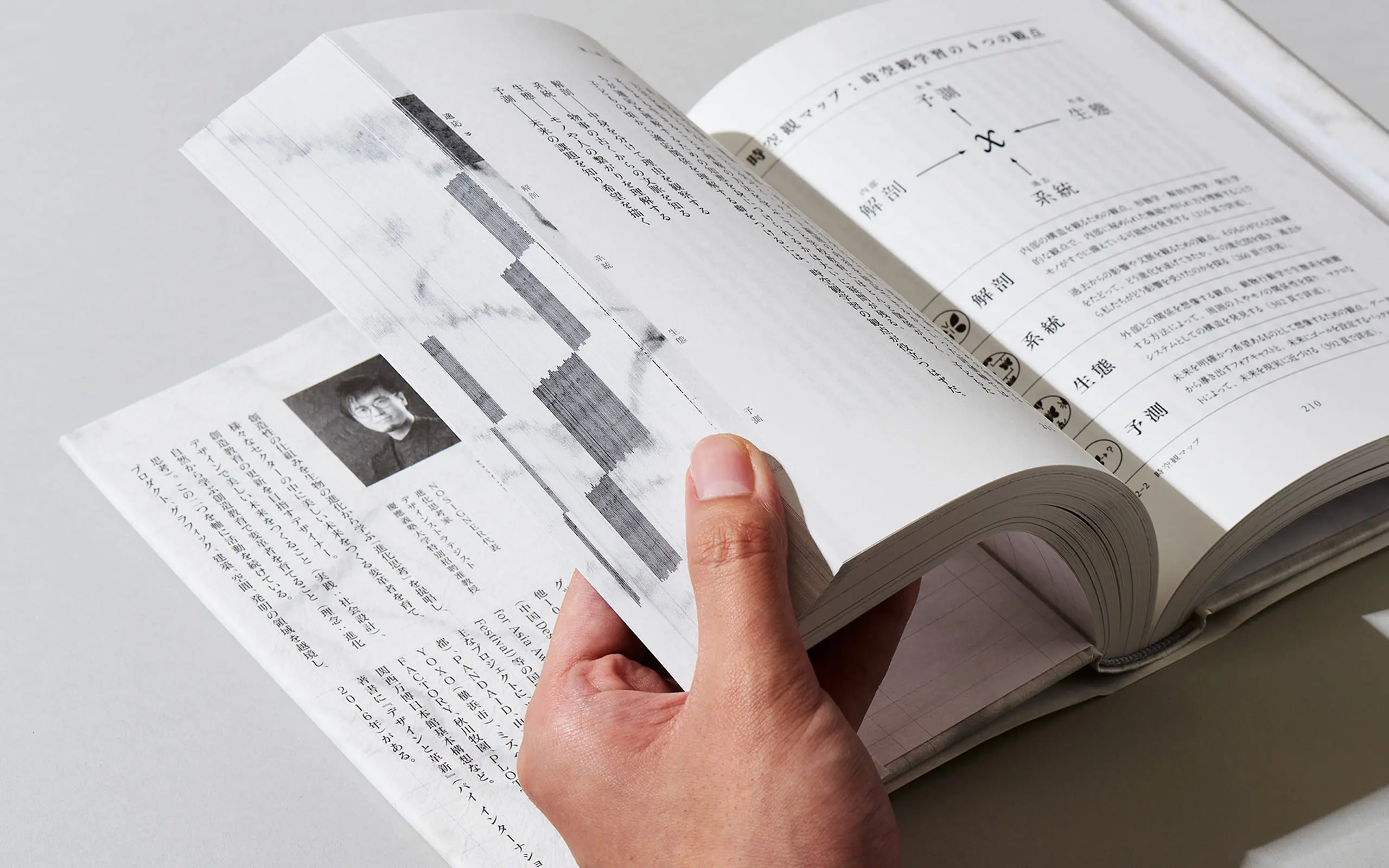
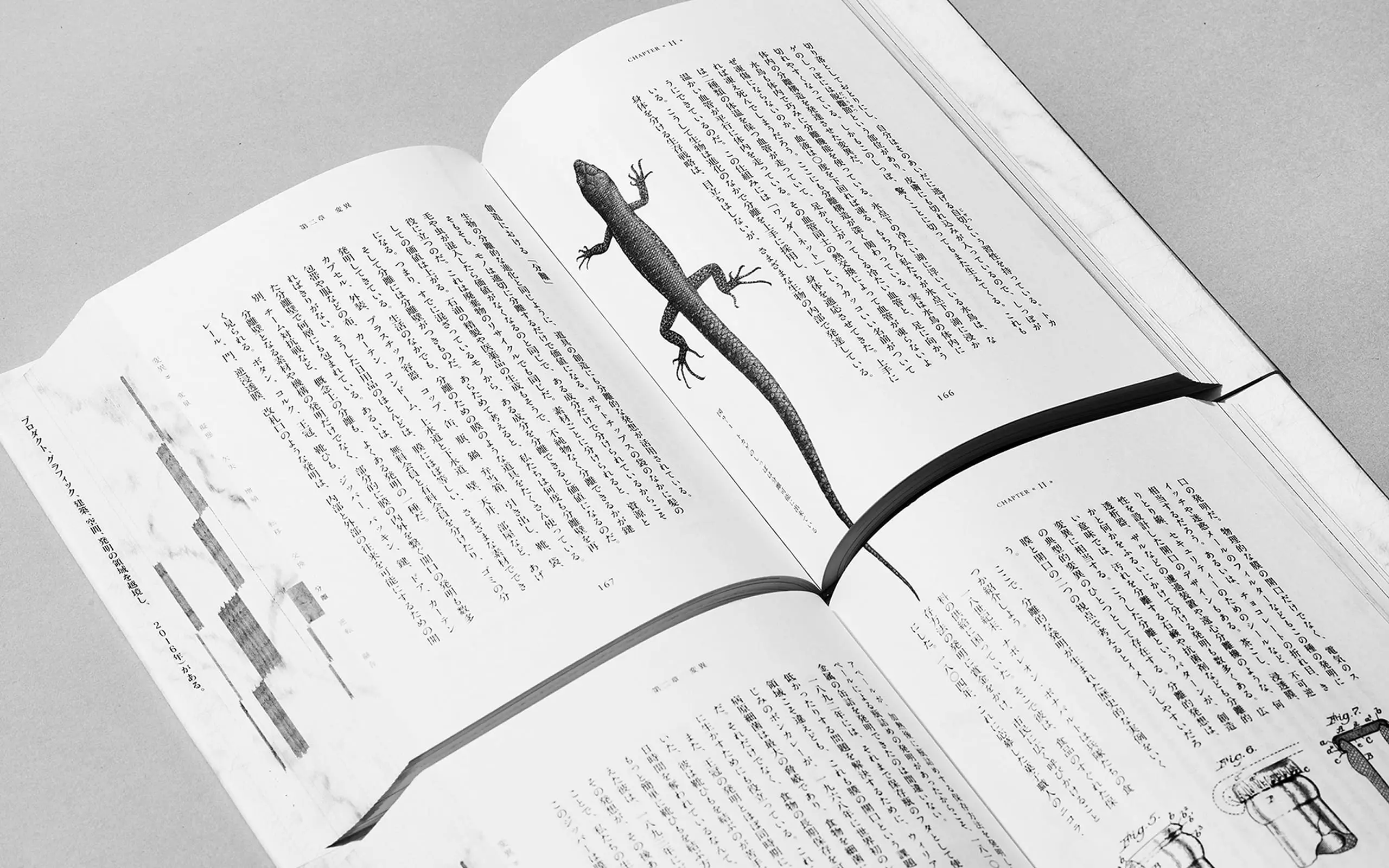
Використовуючи той факт, що книга виникла з творчих семінарів у компаніях та університетах, вона включає 50 майстер-класів, які заохочують творче мислення. Замість того, щоб бути лише підручником для читання, ви також можете спробувати втілити свої творчі ідеї на практиці. Незважаючи на те, що книга має понад 500 сторінок, вона легко читається та зручна у використанні. Її можна використовувати як частий довідник або енциклопедію для пошуку інформації з тем "творчості" та "біологічної еволюції".
WHY
Чи обмежена креативність лише тими, хто має талант?
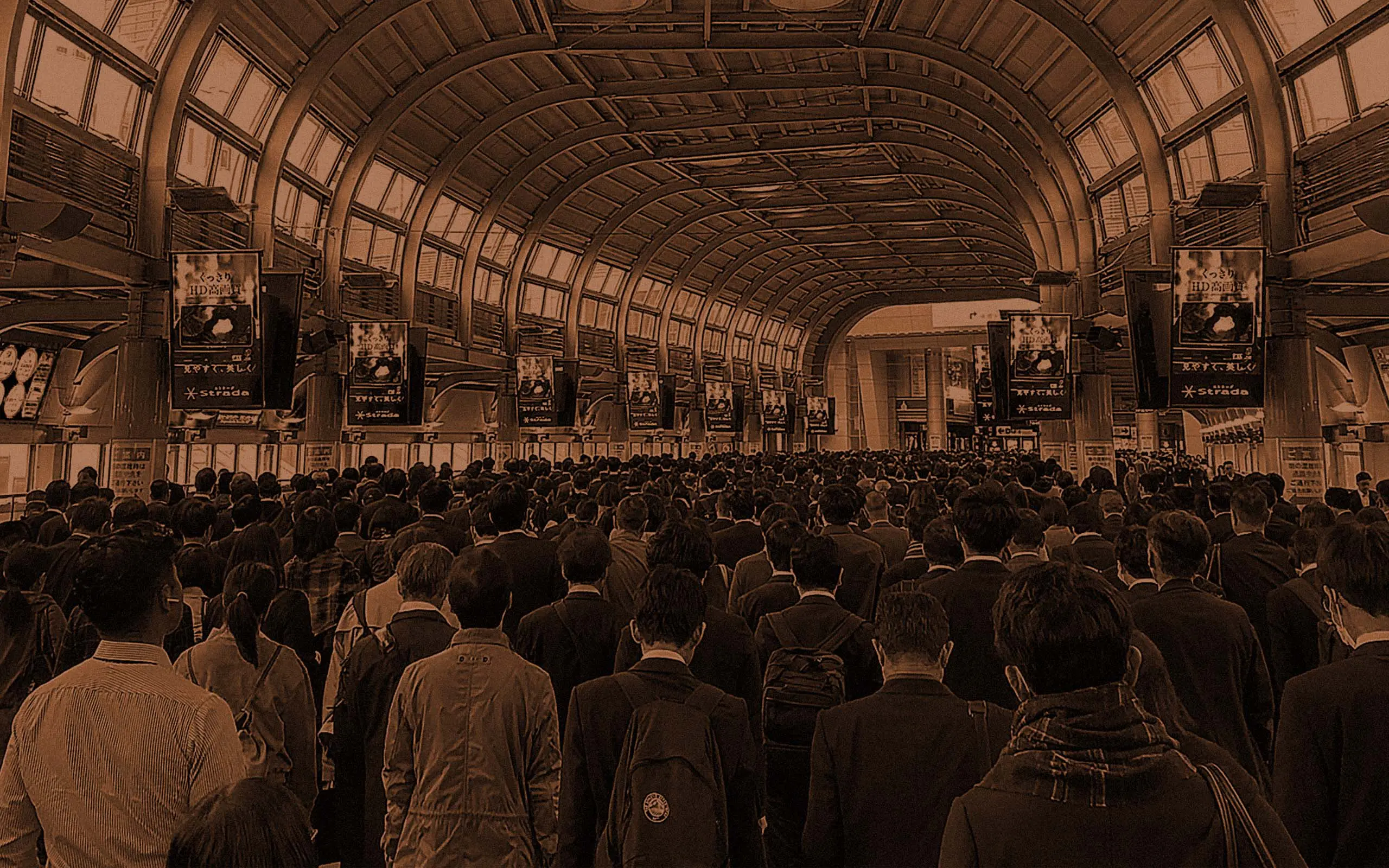
У прагненні задовольнити свої потреби ми, люди, стали творчими та винайшли всілякі інструменти, тим самим сприяючи розвитку нашої цивілізації. Незважаючи на свою важливість, творчість зазвичай розглядається як вроджена здібність, що потребує природного таланту для її прояву. Чи є творчість тим, чого неможливо навчитися?
"Кристалізований та рідкий інтелект" Реймонда Каттелла

Стан окремих цілей ЦСР на середині шляху до виконання Порядку денного на 2030 рік

Діаграма японських студентів, які вважають себе творчими

Існує незліченна кількість людей, які вважають, що у них немає творчих здібностей, тому що вони погано малювали на уроках мистецтва тощо. Одне розчарувальне дослідження показало, що лише вісім відсотків студентів коледжів в Японії вважали, що вони творчі.
Чи справді ми ґрунтовно розуміємо творчість? Коли ми замислюємося над цим, ми можемо усвідомити, як мало ми знаємо про те, як працює творчість і як ми можемо навчитися їй. Якщо ми зможемо зрозуміти внутрішні механізми творчості, ми зможемо оволодіти нею.
В останні роки школи почали думати про активну участь студентів, таку як активне навчання та навчання на основі досліджень. Це для розвитку творчості та допитливого розуму, не обмеженого звичайними рамками навчального предмета. Навіть у діловому світі методи мислення, які стимулюють творчість, привертають більше уваги.
Якщо у нас буде більше людей, які розпочинають творчі проекти, це призведе до більш сталого суспільства та базових рішень для різних соціальних проблем. З цією метою нам потрібно зрозуміти саму творчість та встановити теорію і освітню програму для систематичного вивчення творчості.
WILL
Оновлення творчого навчання та подолання нестійкого світу.
Еволюційна Творчість здобула широке визнання та прийняття як найпотужніший у світі метод інновацій, будучи прийнятою великими японськими компаніями та освітніми установами, такими як Panasonic, Fujitsu, Sumitomo House та Університет Кейо. Цей метод навіть було включено як питання до вступного іспиту з національної мови в Університеті Досіша. Оскільки все більше і більше людей приймають це креативне мислення і створюють трансформаційні проекти для сталого розвитку, охоплення Еволюційної Творчості продовжує розширюватися. Навіть експерти провідного штучного інтелекту Японії включають принципи Еволюційної Творчості у свою роботу, а семінари з використанням цього методу проводилися на найбільшій екологічній виставці тварин країни в зоопарку. Еволюційна Творчість поступово проникає в широкий спектр галузей, і її вплив буде продовжувати зростати.
Незважаючи на ранній успіх та визнання Еволюційної Творчості, впровадження справді креативних освітніх проектів, які черпають натхнення від законів природи, все ще перебуває в зародковому стані.
Оскільки людство продовжує розвиватися через технології, ми також стикаємося з наслідками драматичних змін геології та клімату, а також з колапсом екосистем. Ми увійшли в "Антропоцен", геологічну епоху, в якій людська діяльність має глибокий вплив на Землю. Оскільки наша цивілізація перевищила "планетарну межу", точку, в якій незворотні та раптові екологічні зміни стають реальною можливістю, час має вирішальне значення. Вкрай важливо, щоб ми впроваджували інноваційні та ефективні освітні методи, такі як Еволюційна Творчість, для забезпечення нашого виживання та прокладання шляху до сталого майбутнього.


Вузьке вираження творчості людства призвело до кризи краху цивілізації, проте наша творчість залишається нашим єдиним засобом виживання на землі. Важливо, щоб ми зрозуміли сутність творчості і використали її в повній мірі для вирішення різних проблем та створення сталого суспільства. Зараз настав час для нас поглибитись у розуміння творчості та застосувати її до рішень, які сприяють співіснуванню між людиною та навколишнім середовищем.
Фрідріх Фребель, піонер дошкільної освіти, який процвітав у 19 столітті, заклав основу для освіти творчості, черпаючи натхнення з природничих наук, і мав значний вплив на пізніші рухи, такі як Баухаус. Однак, незважаючи на новаторську роботу Фребеля та Баухауса, освіта творчості залишилась значною мірою незмінною протягом останнього століття. Наша мета - розвивати та оживляти цю сферу освіти, щоб йти в ногу з постійно змінюваними потребами суспільства та навколишнього середовища.
Ми віримо, що оновлюючи освіту творчості через призму Еволюційної Творчості, ми можемо надати людям можливість творчо вирішувати нагальні соціальні проблеми нашого часу та максимально розкривати творчість кожної людини в кожній спільноті. Озброївши людей інструментами для мислення та дій у нові та інноваційні способи, ми можемо працювати над вирішенням великих викликів, що стоять перед людством, та будуванням кращого майбутнього для всіх.
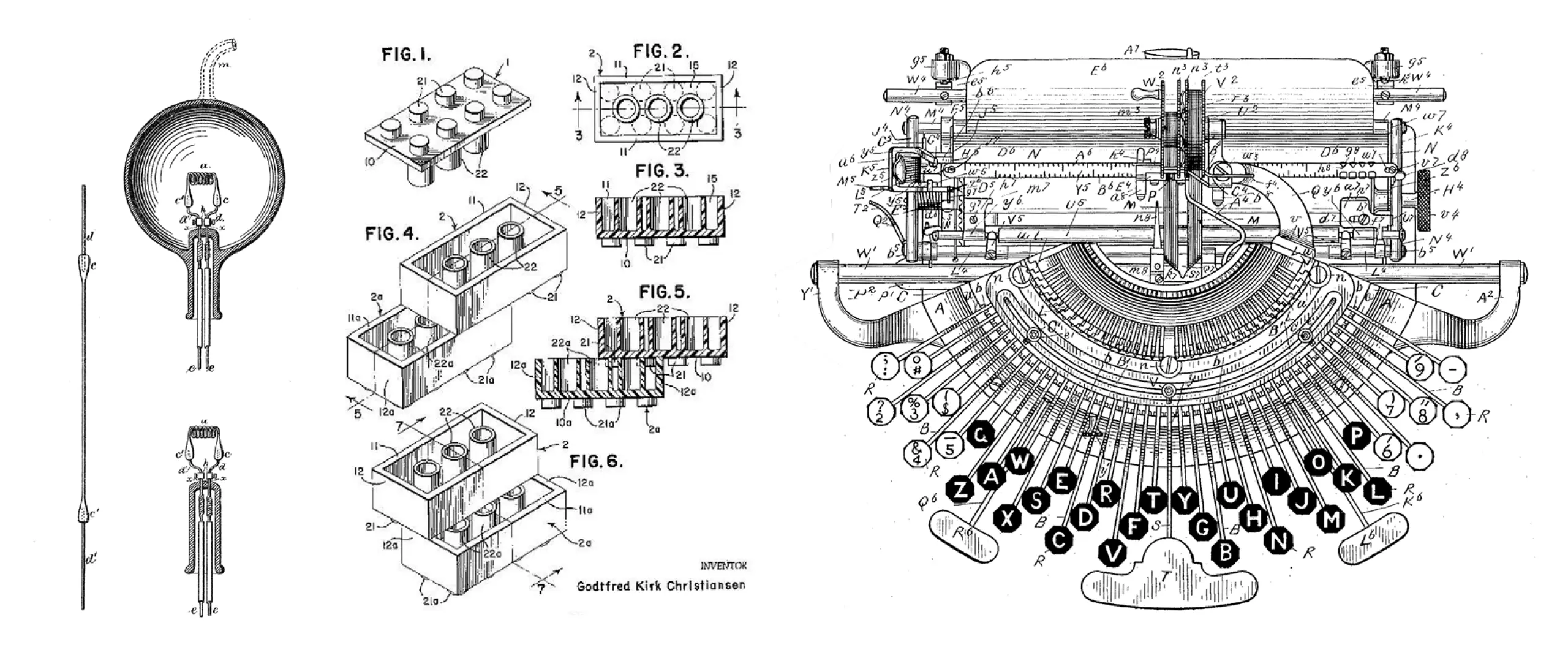
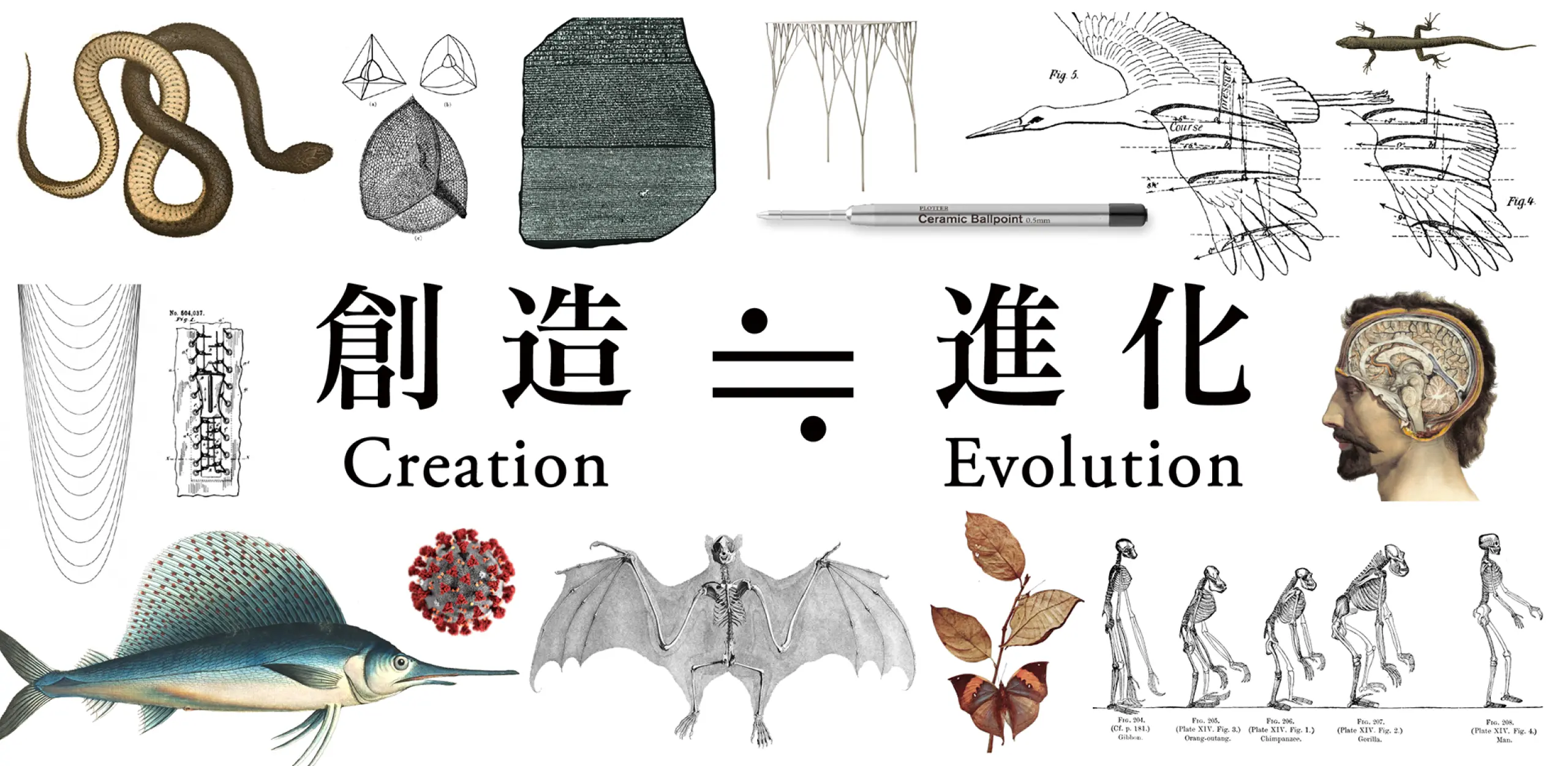


Книга " Evolutional Creativity " зайняла 1-е місце в рейтингу книг з бізнесу та економіки Amazon невдовзі після того, як надійшла у продаж за попереднім замовленням, і була швидко перевидана ще до офіційного випуску. Що це за новий спосіб мислення, який пробуджує творчість, що дрімає всередині кожного?
Пов'язані сайти /
Еволюція "Еволюційної Креативності" (Оновлено листопад 2025)
Листопад 2025: Ключова промова на 9-му Саміті лідерства 2025 в Бангладеш
Ейсуке Тачікава виступив у якості ключового доповідача на "Саміті лідерства 2025", що проводився в Бангладеш. Проведена під девізом "Стійке лідерство – процвітання в умовах невизначеності", ця міжнародна конференція досліджувала сталий і етичний тип лідерства, необхідний у швидкозмінному суспільстві. Тачікава виголосив промову про природу лідерства в розв'язанні соціальних проблем і екологічних змін з точки зору Еволюційної креативності.
Листопад 2025: Онлайн-презентація на заході з нагоди 12-ї річниці тайфуну Йоланда
З нагоди 12-ї річниці тайфуну Йоланда, який спричинив одні з найгірших руйнувань, коли-небудь зафіксованих на Філіппінах, Ейсуке Тачікава виступив на комеморативному заході, що проводився в Університеті Східних Вісай. Він прочитав онлайн-лекцію про "Еволюційну креативність" приблизно 400 учасникам, поділившись креативними поглядами на те, як протистояти стихійним лихам.
Листопад 2025: Прочитав спеціальну лекцію для аспірантів Університету Мінерва
В Університеті Мінерва – відомому своєю унікальною освітньою моделлю, що передбачає навчання під час переміщення між сімома містами світу і який було обрано "найбільш інноваційним університетом у світі" – Ейсуке Тачікава прочитав спеціальну лекцію про "Еволюційну креативність" приблизно 20 аспірантам, що спеціалізуються на "Науці про прийняття рішень". Студенти з різноманітним досвідом, включаючи діючих політиків і корпоративних лідерів, відвідали студію NOSIGNER у Йокогамі – фірму, яку очолює Тачікава – і лекція тривала три години через жваву сесію запитань і відповідей.
Жовтень 2025: Презентація на конференції "Зустріч підмережі міст дизайну", організованій Мережею креативних міст ЮНЕСКО (UCCN)
Ейсуке Тачікава виступив на "Зустрічі підмережі міст дизайну", організованій Мережею креативних міст ЮНЕСКО (UCCN) – яка має на меті використати культуру та креативність для сталого міського розвитку – в Бандунгському технологічному інституті. Він взяв участь у панельній дискусії на тему "Креативне місто 2.0", обмінюючись поглядами на підходи до креативності на основі "Еволюційної креативності" та майбутнє міст, що адаптуються до зміни клімату.
Вересень 2025: Ключова промова на Міжнародній конференції з дизайну (IDC) 2025 на Філіппінах
Ейсуке Тачікава виголосив ключову промову на Міжнародній конференції з дизайну (IDC) 2025, організованій Центром дизайну Філіппін, урядовою агенцією, відповідальною за просування дизайну на Філіппінах. Запрошений у якості ключового доповідача на конференцію, яка представила різноманітний склад доповідачів, включаючи консультантів, дизайнерів, дослідників і бізнес-керівників під девізом "Обіймаючи ціле", він виголосив ключову промову про освіту креативності на основі "Еволюційної креативності" та ідеальну форму міст, що адаптуються до зміни клімату.
Липень 2025: Отримав найвищу академічну нагороду Бандунгського технологічного інституту
Він був нагороджений "Нагородою GANESA WIDYA JASA ADIUTAMA", найвищою академічною відзнакою, яку надає Бандунгський технологічний інститут (ITB) в Індонезії за видатний внесок у знання та освіту. Ця престижна нагорода надається лише двом особам після суворого процесу відбору з кандидатів, номінованих кожним факультетом; його було обрано на основі номінації від Факультету мистецтва та дизайну (FSRD).
Листопад 2024: Публікація індонезійського видання *Еволюційна креативність*
Індонезійське видання книги *Еволюційна креативність* було опубліковано індонезійським видавничим домом "SiMPUL" під наглядом Бандунгського технологічного інституту (ITB), одного з провідних університетів Індонезії.
Крім того, з нагоди публікації книги в ITB Design Center були проведені виставка та пам'ятна лекція, а також виставка та майстер-клас у джакартському арт-просторі "
Квітень 2024: 3-я річниця публікації "Еволюційної креативності"
"Еволюційна креативність", систематизована її автором, Ейсуке Тачікавою, після років дослідження, продовжує еволюціонувати навіть сьогодні, отримавши широкий спектр відгуків – включаючи підтримку, заохочення, критику та пропозиції – від багатьох людей з моменту публікації першого видання книги.
Крім того, читацька спільнота, сформована понад 100 ентузіастами, залишається активно залученою, а принципи Еволюційної креативності застосовуються на практиці в роботі та повсякденному житті її прихильників.
Березень 2024: Лекція в Міністерстві економіки, торгівлі та промисловості для студентів Стенфордської бізнес-школи
Тачікава прочитав лекцію про японський дизайн і Еволюційну креативність приблизно 30 студентам і викладачам Стенфордської аспірантської школи бізнесу в Міністерстві економіки, торгівлі та промисловості. Ця лекція була частиною навчального туру школи до Японії, програми, розробленої для дослідження зв'язку між швидким економічним зростанням Японії та дизайном, а також поточного стану стартапів.
Грудень 2023: Публікація *Еволюційна креативність [Розширене та переглянуте видання]*
З біологічним наглядом еволюційного біолога Масакі Кавати (професор за особливим призначенням при президенті Університету Тохоку),
Жовтень 2023: Презентація доповіді на Міжнародній конференції Всесвітньої асамблеї дизайну
На
Вересень 2023: Виставка в Тайванському музеї дизайну
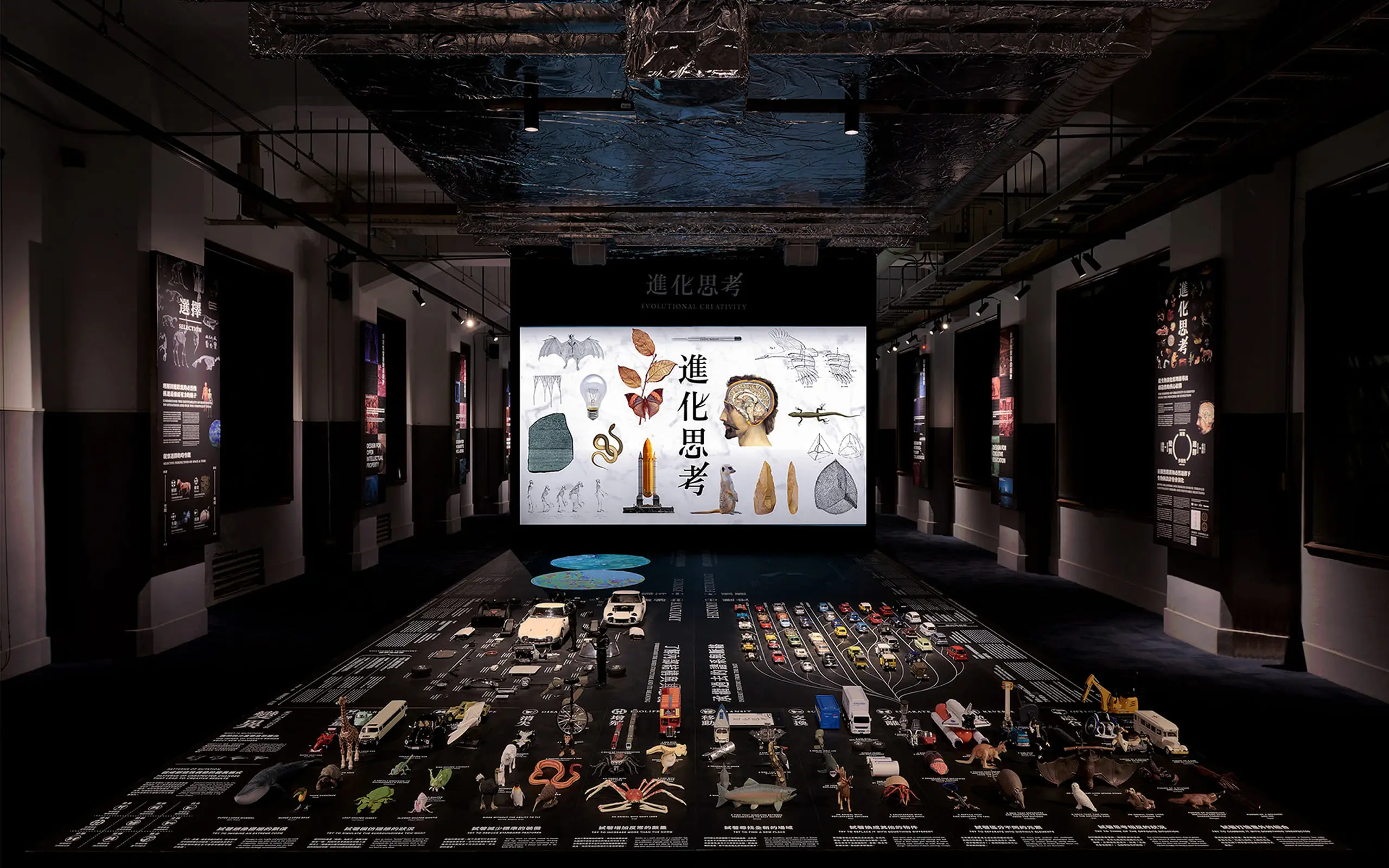
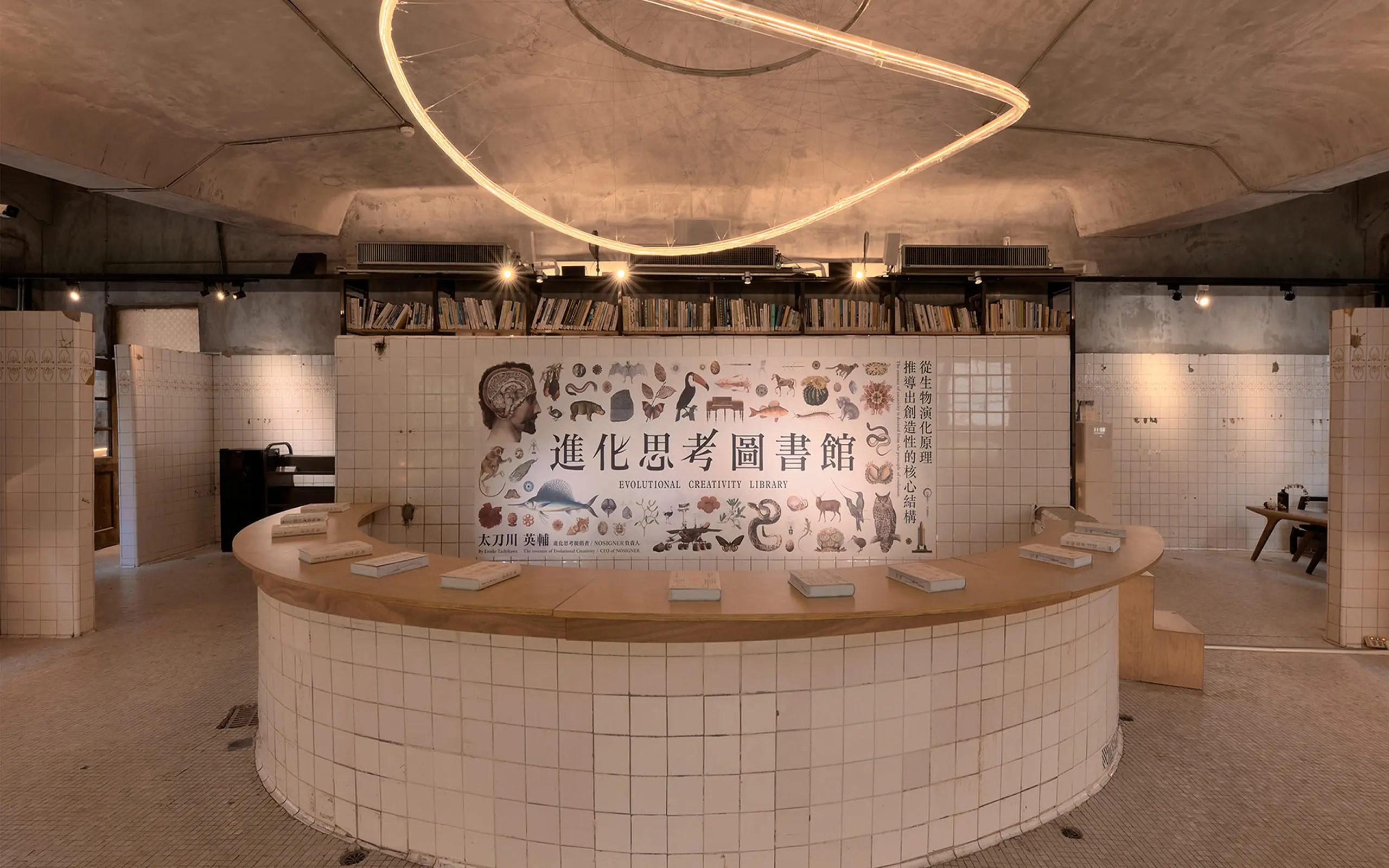
Одночасно з публікацією тайванського видання книги *Еволюційна креативність*, виставка NOSIGNER під назвою
Вересень 2023: Публікація тайванського видання "Еволюційної креативності"
Після корейського видання,
Червень 2023: Публікація корейського видання "Еволюційної креативності"
Травень 2023: Презентація на конференції, організованій ЮНЕСКО-MGIEP
Тачікава був запрошений виступити на конференції "Освіта для процвітання в змішаній реальності", організованій ЮНЕСКО-MGIEP (Інститут освіти для миру та сталого розвитку ім. Махатми Ганді Організації Об'єднаних Націй з питань освіти, науки та культури), яка об'єднала відомих учених, дослідників, вчителів, політиків і представників приватного сектора з усього світу. Він виголосив презентацію про "Еволюційну креативність" під час сесії "Дизайн-мислення та креативність в освіті". Ця конференція також була першою міжнародною конференцією, заснованою на Цілях сталого процвітання.
Березень 2023, серпень 2023: Лекція в Бандунгському технологічному інституті (ITB), Індонезія
Тачікава прочитав лекцію про Еволюційну креативність у Бандунгському технологічному інституті (ITB), провідній установі вищої освіти Індонезії. Через позитивне сприйняття цього контенту було вирішено опублікувати індонезійськомовне видання "Еволюційної креативності". Після
Березень 2023: Очолив форум "Роздуми про майбутнє вищої освіти"
Ейсуке Тачікава виступив головою форуму "Роздуми про майбутнє вищої освіти", організованого Інститутом освітніх досліджень Benesse, де члени, що займаються передовими освітніми практиками, обговорювали майбутнє університетської освіти. Після чотирьох раундів круглих столів з членами комітету було складено пропозицію, що окреслює бачення університетської освіти, яке передбачає обнадійливе майбутнє. Під новим освітнім керівним принципом "
Листопад 2022: Отримав "Нагороду Шу Ямагучі" на Pen Creator Awards
Ейсуке Тачікава отримав "Нагороду Шу Ямагучі" на "
Листопад 2022: З'явився в програмі NHK для діалогу з анатомом Такеші Йоро
Він з'явився поряд з анатомом Такеші Йоро в популярній програмі NHK "Switch Interview", в якій дві людини, що працюють у різних сферах, відвідують робочі місця один одного та ведуть діалог, "перемикаючись" між ролями мовця та слухача. У другій частині програми я запросив доктора Йоро – який провів майже 60 років з часів студентства, досліджуючи "форми живих істот" – до студії NOSIGNER. Представляючи концепцію "Еволюційної креативності", я говорив про свою роботу як дизайнера, який переслідував форму через різноманітні підходи.
Червень 2022: Проект запуску переглянутого видання
Почався проект публікації переглянутого видання, що має на меті додатково вдосконалити книгу як метод креативного мислення та точно включити наукові знання. Для цього перегляду ми запросили професора Масакі Кавату, професора за особливим призначенням при президенті Університету Тохоку та експерта з еволюції та екології, виконувати роль наглядового редактора, супроводжуючи еволюцію книги "Еволюційна креативність". Нова книга професора Кавати, що пояснює еволюційну біологію, була нещодавно опублікована, тому, будь ласка, також ознайомтеся з нею.
Для автора це також була неоціненна можливість глибоко переосмислити еволюційну біологію від такого видатного експерта, як професор Кавата.
Травень 2022: Діалог з лауреатом Нобелівської премії доктором Акірою Йошіно
На заході з нагоди 100-ї річниці Asahi Kasei я мав честь вступити в діалог з доктором Акірою Йошіно (Почесний співробітник Asahi Kasei), винахідником літій-іонної батареї та лауреатом Нобелівської премії з хімії. Відео лекції Тачікави про "Еволюційну креативність" та його діалог з доктором Йошіно було транслировано приблизно 40 000 співробітників групи Asahi Kasei. Ця подія не лише здійснила давню мрію Тачікави вступити в діалог з доктором Йошіно, але й послужила можливістю передати всім у Asahi Kasei повідомлення, що "саме 'цікавість' та 'знання' кожної людини збагачують уяву та формують наступні 100 років."
Березень 2022: З'явився в NHK E-Tele "Ніч радикальних модифікацій: Школа підготовки інженерів"
Ейсуке Тачікава з'явився як "Інструктор з дизайну (творчості)" в популярній програмі NHK E-Tele "Ніч радикальних модифікацій: Школа підготовки інженерів". З темою "Магічна модифікація блендера" він провів мозковий штурм для створення "блендера, який стріляє соком на далекі відстані", представивши дев'ять "мутаційних" шаблонів з "Еволюційної креативності" як підказки для генерування ідей.
Лютий 2022: Отримав спеціальну нагороду на "IT Engineer Book Awards 2022"
У категорії бізнес-книг
2022–2023: Прийнято в питаннях вступних іспитів до школи
Витяги з *Еволюційної креативності* були прийняті як матеріал для вступних іспитів до кількох шкіл, включаючи тему для вступного іспиту з японської мови в Університеті Дошіша.
Листопад 2021: Переможець премії Ямамото Шічіхей
Ми отримали
Хоча "Еволюційна креативність" привернула увагу як метод виховання інноваторів і стимулювання інновацій, виграш цієї престижної японської академічної нагороди – до комітету з відбору якої входять анатом Такеші Йоро, еволюційний біолог Маріко Хасегава, економіст Мотошіге Ітo, політолог Терумаса Наканіші та правознавець Шуджі Ягі – дозволив їй отримати визнання з академічної точки зору як новий спосіб мислення, що розплутує креативність з еволюційної точки зору.
Квітень 2021: Публікація книги *Еволюційна креативність*
Ми опублікували цю книгу з метою донести концепції та методологію Еволюційної креативності до широкої аудиторії, включаючи бізнес-сектор, та заохотити її застосування для генерування ідей у всіх сферах, таких як розвиток бізнесу, дизайн та мистецтво.
Наповнена багатством фотографій і ілюстрацій біологічної еволюції та людської креативності, а також 50 "Роботами з еволюційної креативності", які читачі можуть практикувати під час читання, ця книга – яка всебічно охоплює концепції та практичні методи Еволюційної креативності – стала бестселером. Методологія Еволюційної креативності поширилася на великі корпорації та освітні установи і навіть була прийнята у вступних іспитах до університетів і середніх шкіл.
"Еволюційна креативність" – це концепція, яку Тачікава плекав протягом багатьох років до публікації книги в 2021 році. Нижче наведено резюме шляху, що привів до публікації *Еволюційної креативності*.
2021: Співпраця з телепрограмою NHK "The Direxon"
Ми співпрацювали над проектом для телепрограми NHK
Серпень 2020: Запуск "Школи еволюції"
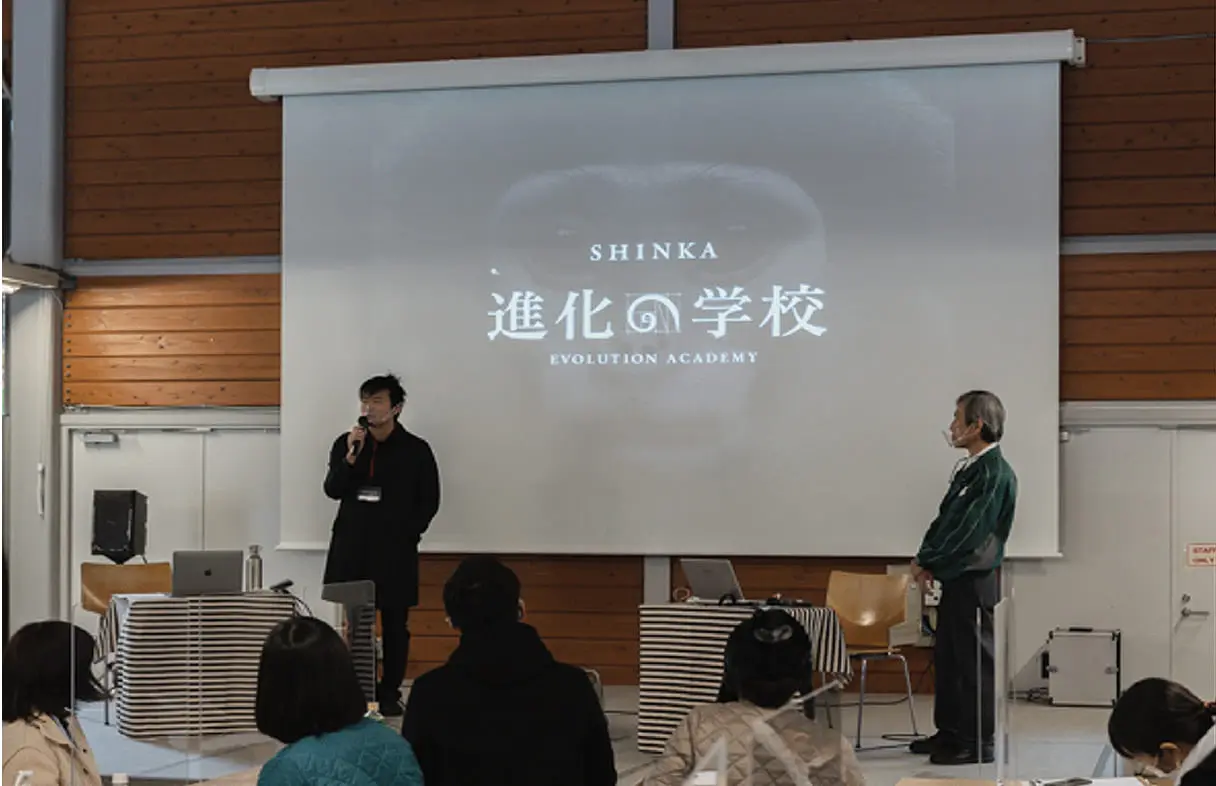
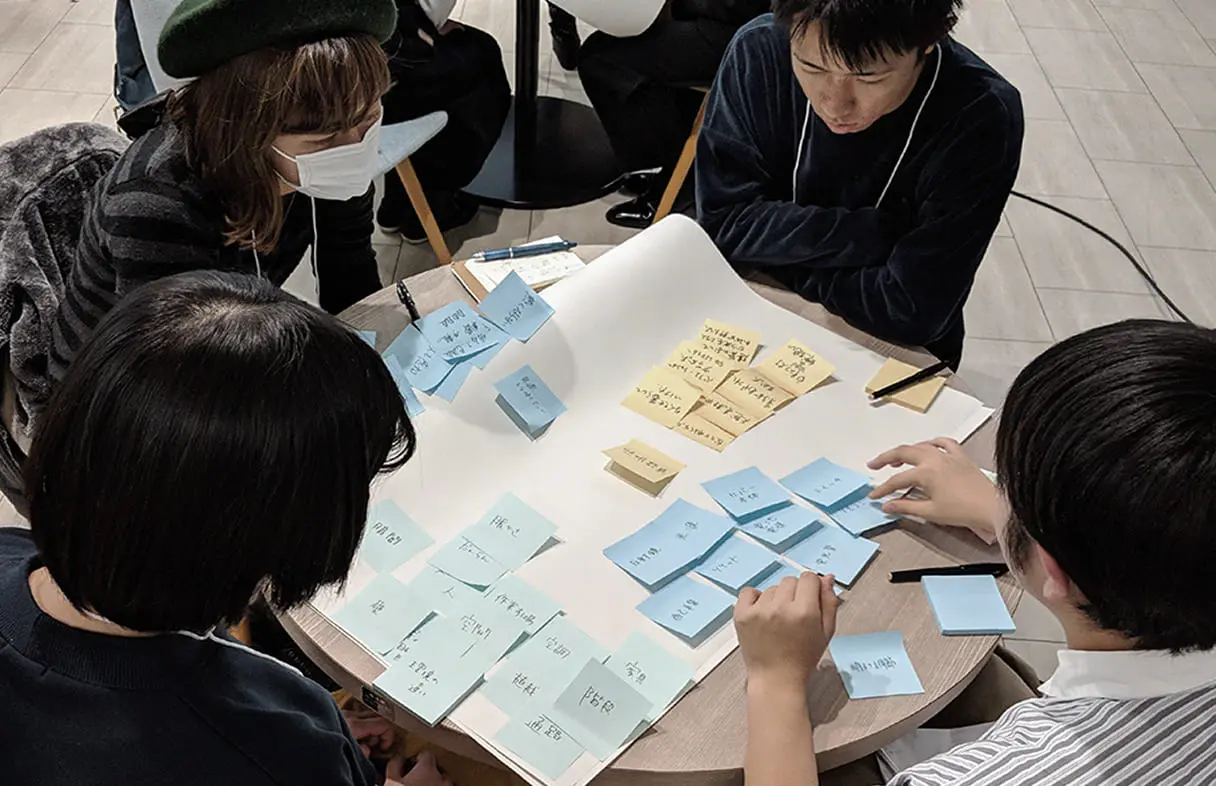
Онлайн-курс був запущений завдяки добровільним зусиллям Такаші Ямади та інших членів, які вивчали Еволюційну креативність. "Школа еволюції" почалася як курс, розроблений для посіву насіння креативності в різних секторах суспільства. Ця школа є навчальною програмою, яка допомагає учасникам вдосконалювати нові ідеї для створення бізнесу через лекції та майстер-класи з Еволюційної креативності.
"Школа еволюції" привернула різноманітну групу учасників, включаючи корпоративних керівників, співробітників, що прагнуть стимулювати інновації, та шкільних вчителів і державних службовців, що прагнуть займатися креативною практикою. На сьогоднішній день програма підготувала приблизно 1000 випускників.
Програма пропонується широкому колу учасників, від корпорацій і організацій до окремих осіб, і використовується для розробки продуктів і розвитку людських ресурсів. Багато випускників продовжують зустрічатися щотижня для дослідження освіти креативності через Еволюційну креативність.
2019: Почав писати книгу *Еволюційна креативність*
Після зустрічі з паном Абе і паном Харадою на "Kokuri! Camp" вони вирішили запустити видавничий дім "Ami no Kaze" в місті Амі, префектура Шімане. Вони звернулися до мене з ідеєю зробити *Еволюційну креативність* їхньою першою книгою, і таким чином почався трирічний процес написання.
Вересень 2018: Стаття про "Еволюційну креативність" опублікована в *DIAMOND Harvard Business Review*
Стаття приблизно на 10 000 символів, що підсумовує огляд "Еволюційної креативності", була опублікована в
2018: Запуск майстер-класу "Еволюційна креативність"
Отримавши багато знань через виставку, Тачікава розробив "Граматику дизайну" та запустив "Еволюційну креативність", майстер-клас, розроблений для вивчення креативного процесу з біологічної еволюції. На першому майстер-класі, проведеному на "Cocri! Camp" – зборах лідерів і експертів з різних секторів і сфер – він зустрів Такаші Яваду, який пізніше запустив "Школу еволюції"; Юджі Абе, видавця *Еволюційної креативності*; та Ейджі Хараду з Eiji Publishing. Згодом майстер-клас проводився в різних компаніях, і "Еволюційна креативність" почала прийматися як методологія інновацій.
16 вересня – 31 жовтня 2016: Виставка "No-Designer: Форма та розум"
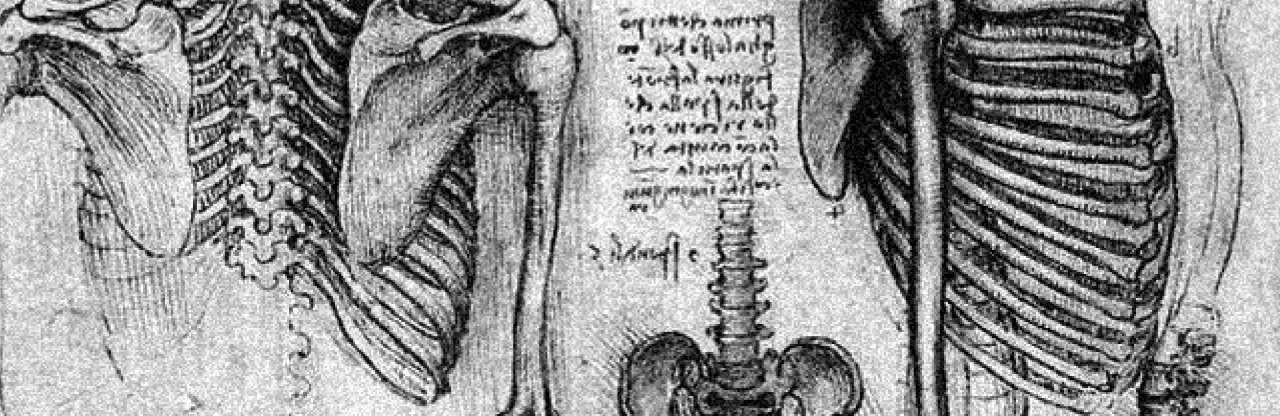
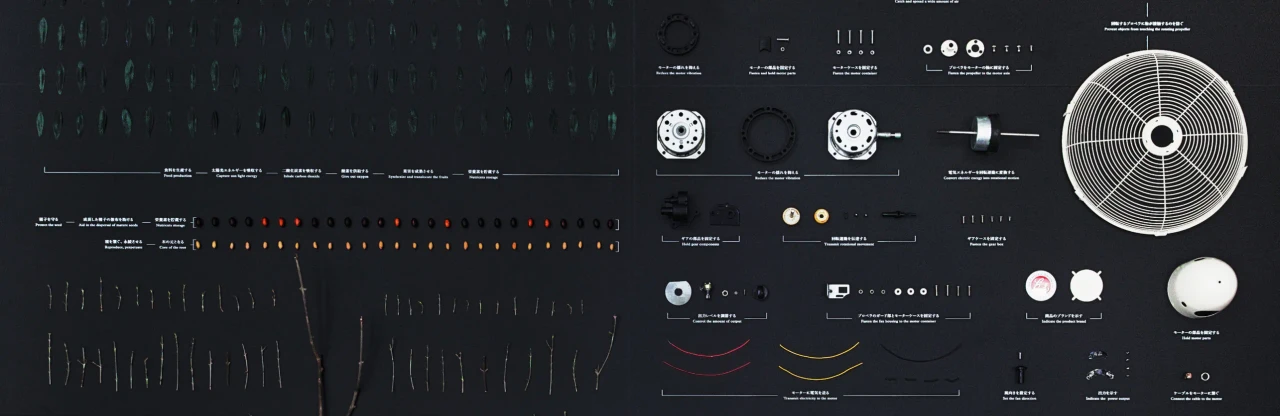
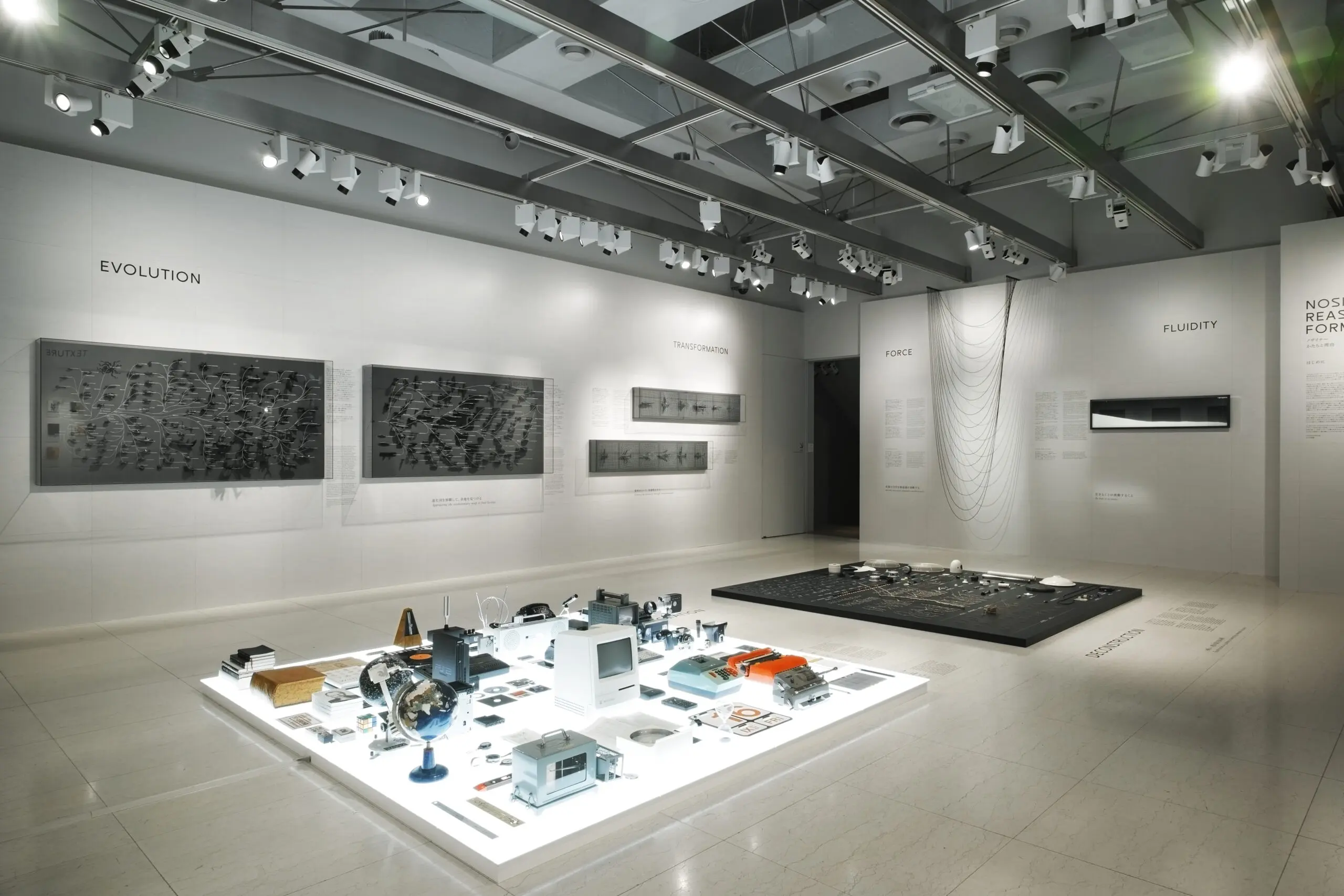
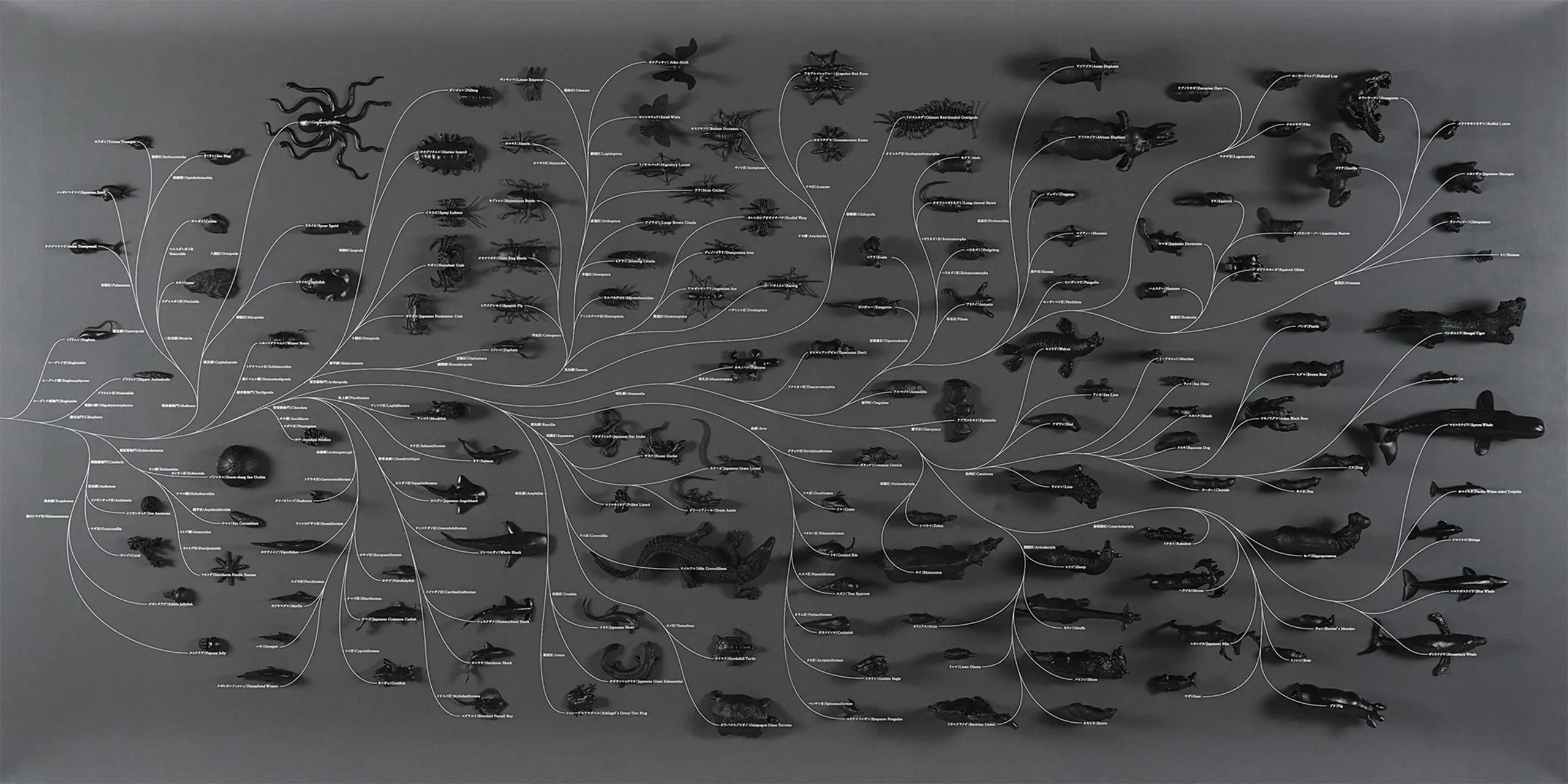
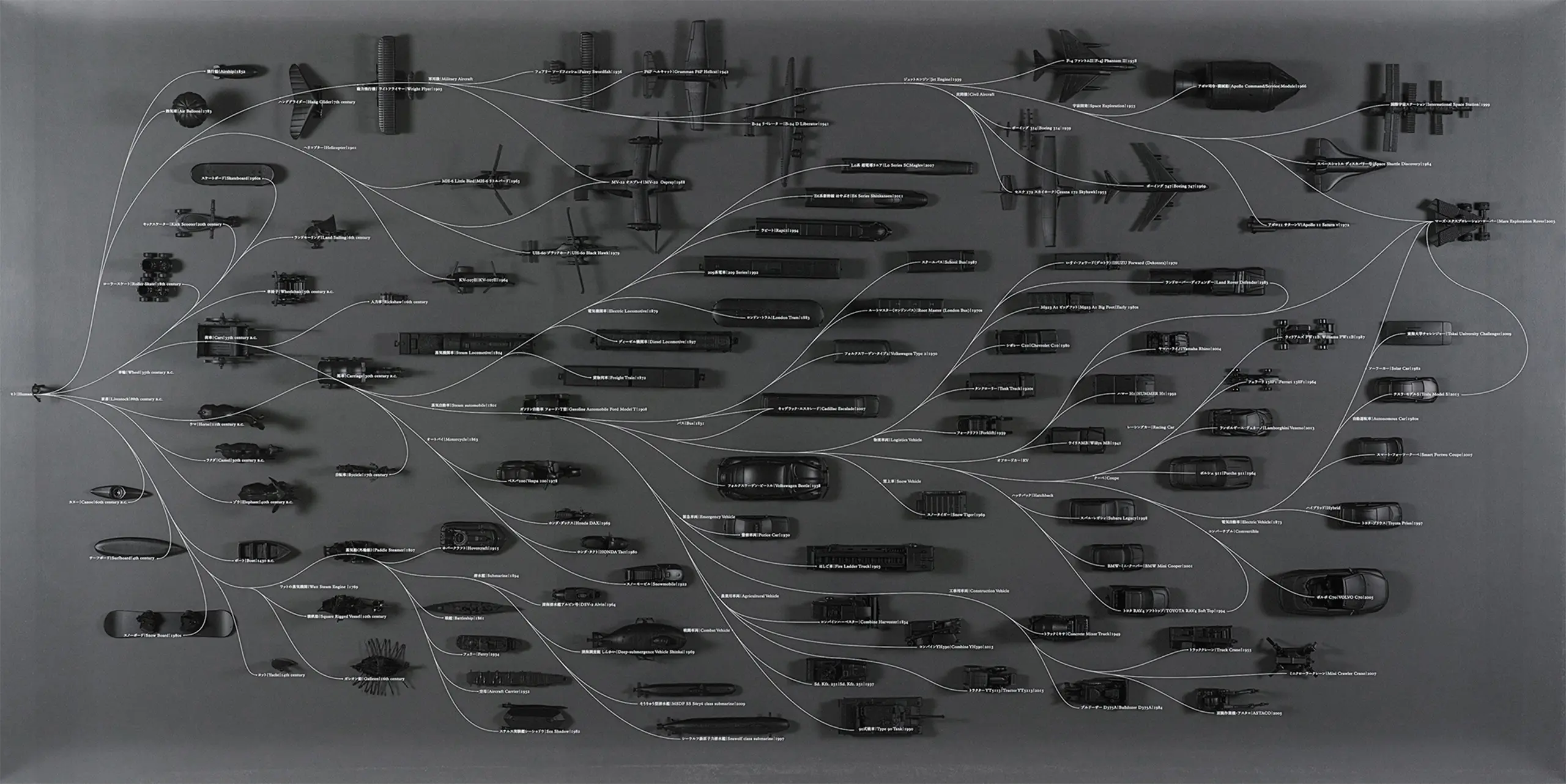
Тачікава, який зацікавився креативністю природних форм – які не володіють мовою – що перевершує людську, почав досліджувати спільності між біологічною еволюцією та людською креативністю. На виставці "No-Designer: Форма та розум", проведеній у Ginza Graphic Gallery (ggg), він представив роботи, що протиставляли еволюцію та творчість, заглиблюючись у причини форм і методи для задумування дизайну.
2012 Почав викладати курс "Граматика дизайну"
Після вступу на роботу та повного занурення в кар'єру дизайнера, Тачікава почав викладати "Граматику дизайну" в Художньому університеті Мусашіно, курс, який розширив зміст його магістерської дисертації. Курс, який пізніше розширився, включивши сесії для працюючих професіоналів, здобув сильну репутацію, що привело до його прийняття в i.school Токійського університету та його застосування в інноваційних ініціативах різних компаній.
2006: Написав магістерську дисертацію "Лінгвістичне пізнання дизайну"
Витоки Еволюційної креативності лежать у магістерській дисертації Тачікави "Лінгвістичне пізнання дизайну", яку він завершив під час вивчення архітектури як аспірант. Зосереджуючись на процесі, яким ідеї та концепції виникають – темі, якою він давно цікавився – дисертація вивчала цей процес з лінгвістичної точки зору, базуючись на припущенні, що мова служить спусковим механізмом для натхнення.
Листопад 2025: Основна доповідь на 9-му Саміті лідерства 2025 у Бангладеш
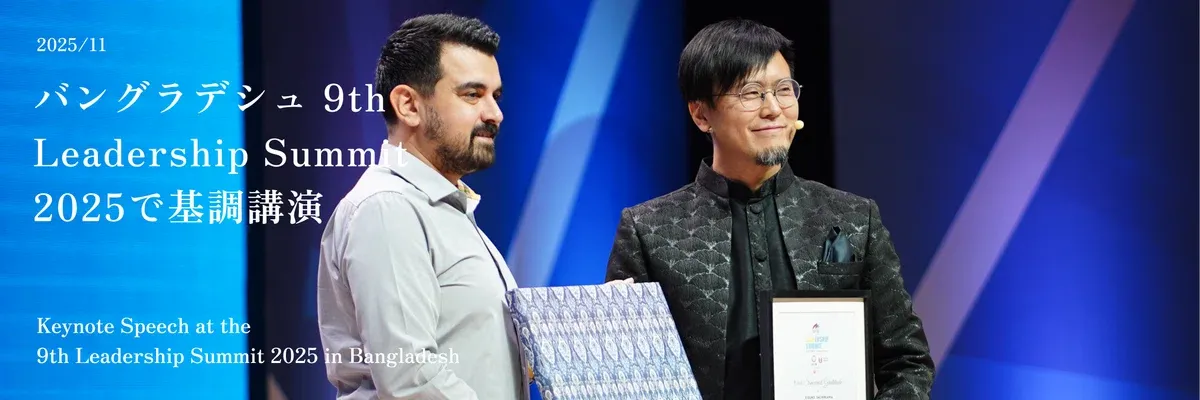
Ейсуке Тачікава виступив як програмний доповідач на "Саміті лідерства 2025", що проходив у Бангладеш. Проведена під гаслом "Стійке лідерство – процвітання в умовах невизначеності", ця міжнародна конференція досліджувала сталий та етичний тип лідерства, необхідний у швидко мінливому суспільстві. Тачікава виголосив промову про природу лідерства в розв'язанні соціальних проблем та екологічних змін з позиції Еволюційної креативності.
Листопад 2025: Онлайн-презентація на 12-ту річницю тайфуну Йоланда
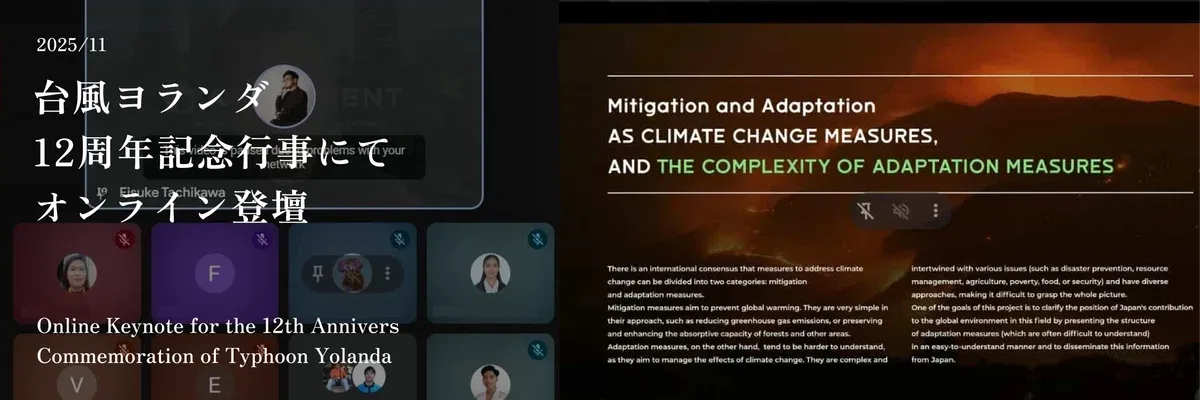
До 12-ї річниці тайфуну Йоланда — який завдав одних з найгірших збитків, коли-небудь зареєстрованих на Філіппінах — Ейсуке Тачікава виступив на пам'ятній події, що відбулася в Університеті Східних Вісайя. Він прочитав онлайн-лекцію на тему "Еволюційна креативність" для приблизно 400 учасників, поділившись творчими перспективами того, як протистояти катастрофам.
Листопад 2025: Прочитав спеціальну лекцію для аспірантів Університету Мінерва
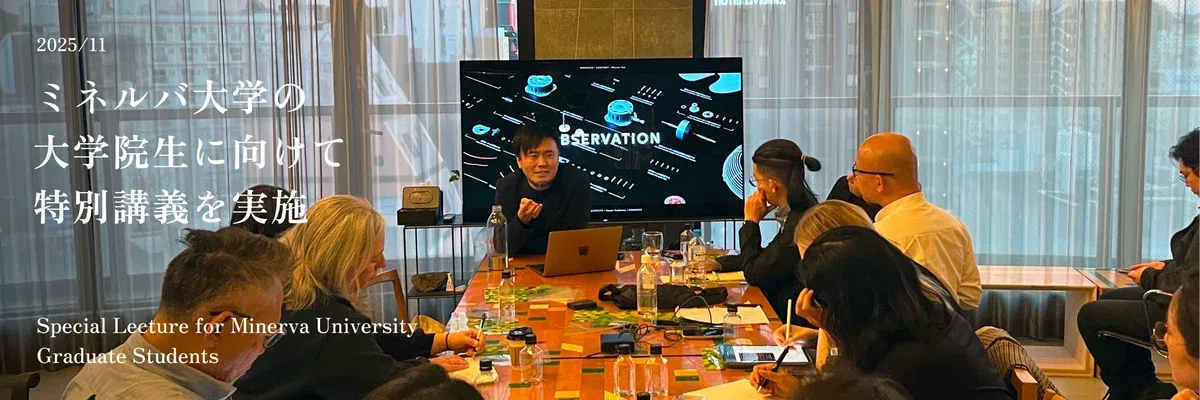
В Університеті Мінерва — відомому своєю унікальною освітньою моделлю, яка передбачає навчання з переміщенням між сімома містами світу і який було обрано як "найінноваційніший університет світу" — Ейсуке Тачікава прочитав спеціальну лекцію на тему "Еволюційна креативність" для приблизно 20 аспірантів за спеціальністю "Наука прийняття рішень". Студенти з різним походженням, включаючи чинних політиків та корпоративних лідерів, відвідали йокогамську студію NOSIGNER — компанії, якою керує Тачікава — і лекція тривала три години через жваву сесію запитань і відповідей.
Жовтень 2025: Презентація на конференції "Cities of Design Subnetwork Meeting", організованій Мережею креативних міст ЮНЕСКО (UCCN)
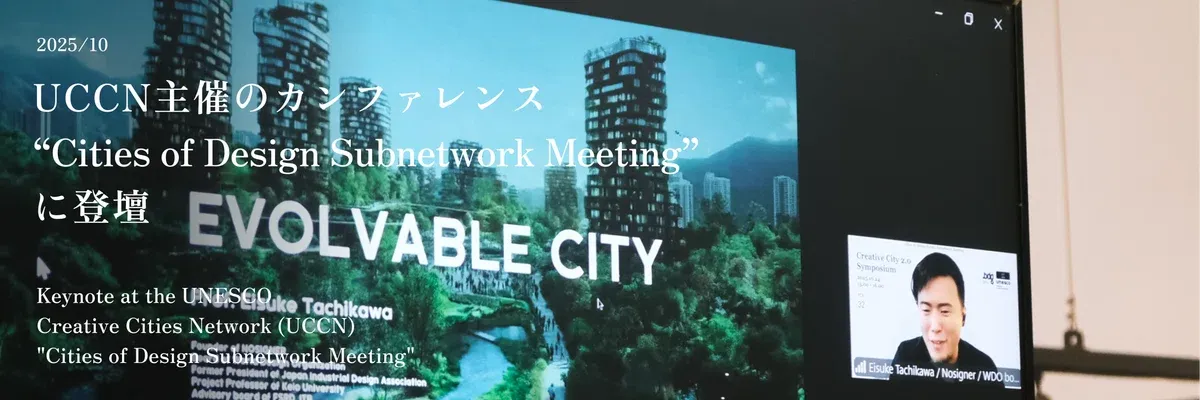
Ейсуке Тачікава виступив на "Зустрічі підмережі міст дизайну", організованій Мережею креативних міст ЮНЕСКО (UCCN) — яка має на меті використання культури та креативності для сталого розвитку міст — у Бандунзькому технологічному інституті. Він взяв участь у панельній дискусії на тему "Креативне місто 2.0", обмінюючись поглядами щодо підходів до креативності на основі "Еволюційної креативності" та майбутнього міст, що адаптуються до зміни клімату.
Вересень 2025: Ключова промова на Міжнародній конференції з дизайну (IDC) 2025 на Філіппінах
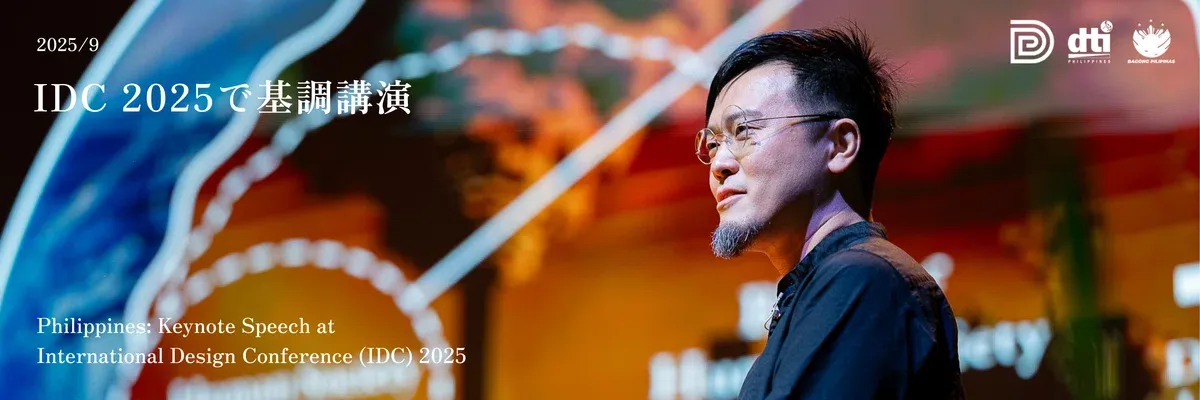
Ейсуке Тачікава виголосив основну доповідь на Міжнародній конференції з дизайну (IDC) 2025, організованій Центром дизайну Філіппін, урядовою установою, відповідальною за просування дизайну на Філіппінах. Запрошений як основний доповідач на конференцію, яка представила різноманітний склад спікерів, включаючи консультантів, дизайнерів, дослідників та керівників бізнесу під темою "Утримуючи ціле", він виголосив основну доповідь про креативну освіту на основі "Еволюційної креативності" та ідеальної форми міст, що адаптуються до зміни клімату.
Липень 2025: Отримано найвищу академічну нагороду Бандунзького технологічного інституту
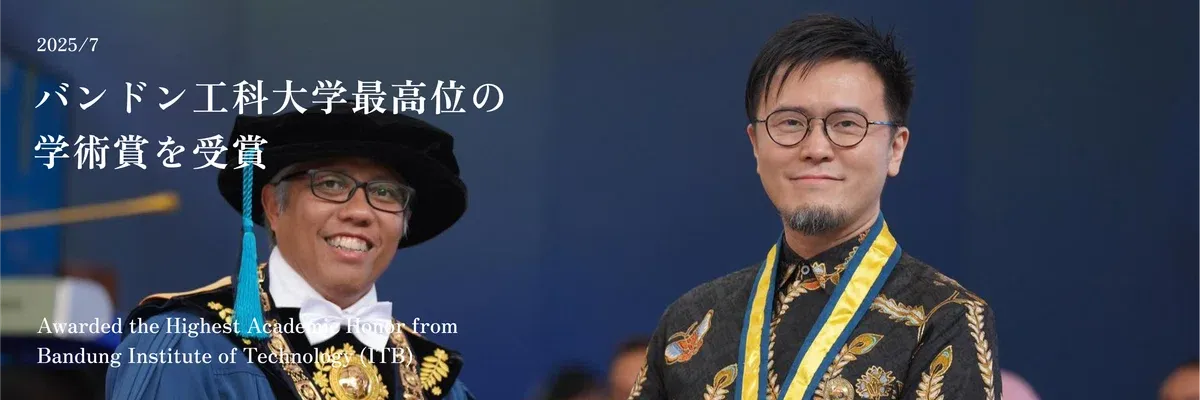
Тачікава був нагороджений премією "GANESA WIDYA JASA ADIUTAMA", найвищою академічною честю, що надається Бандунзьким технологічним інститутом (ITB) в Індонезії за видатний внесок у знання та освіту. Ця престижна нагорода присуджується лише двом особам після ретельного відбору з кандидатів, номінованих кожним факультетом; він був обраний на основі номінації від Факультету мистецтва та дизайну (FSRD).
грудень 2024: Публікація індонезійського видання *Evolutional Creativity*
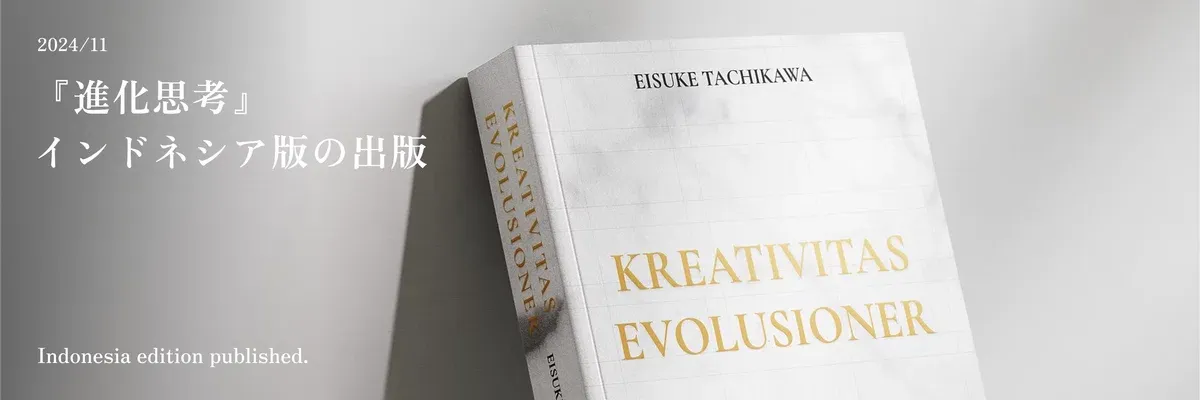
Індонезійське видання книги *Evolutional Creativity* було опубліковане індонезійським видавництвом "SiMPUL" під наглядом Бандунзького технологічного інституту (ITB), одного з провідних університетів Індонезії.
Крім того, на честь публікації книги в Дизайн-центрі ITB була проведена виставка та пам'ятна лекція, а також виставка та майстер-клас у джакартському арт-просторі "
Квітень 2024: 3-тя річниця публікації "Еволюційна креативність"
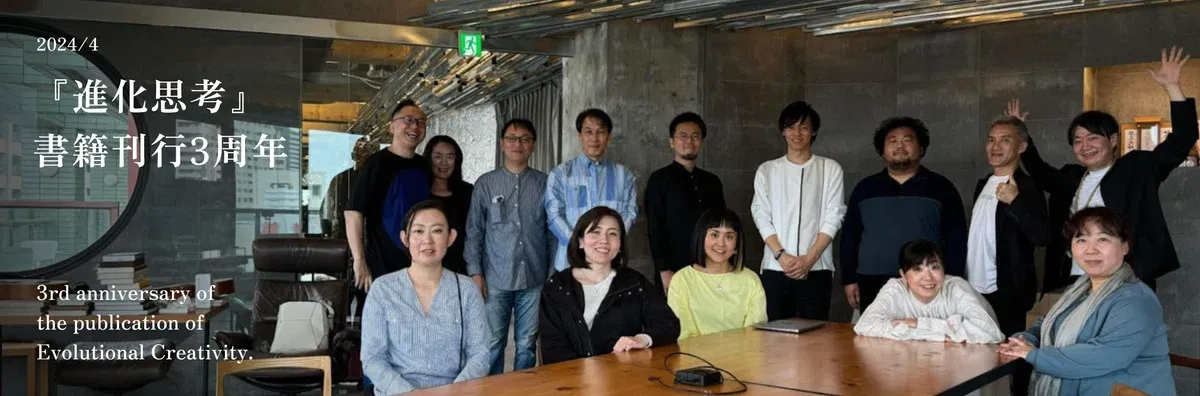
"Еволюційна креативність", систематизована її автором Ейсуке Тачікавою після років досліджень, продовжує розвиватися й сьогодні, отримавши широкий спектр відгуків — включаючи підтримку, заохочення, критику та пропозиції — від багатьох людей з моменту публікації першого видання книги.
Крім того, спільнота читачів, сформована понад 100 ентузіастами, залишається активно залученою, і принципи Еволюційної креативності впроваджуються на практиці в роботі та повсякденному житті її прихильників.
Березень 2024: Лекція в Міністерстві економіки, торгівлі та промисловості для студентів Стенфордської школи бізнесу
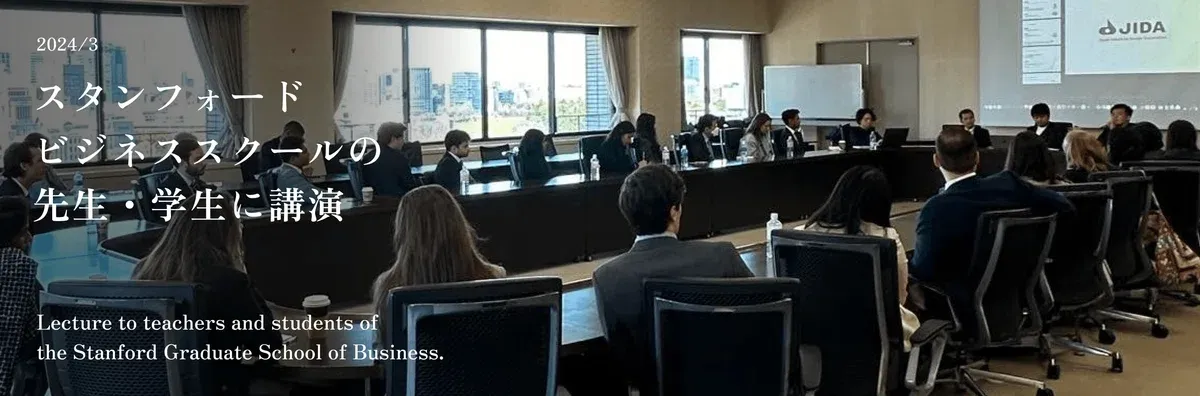
Тачікава провів лекцію з японського дизайну та Еволюційної Креативності для приблизно 30 студентів та викладачів Стенфордської бізнес-школи в Міністерстві економіки, торгівлі та промисловості. Ця лекція була частиною навчального туру школи до Японії, програми, розробленої для дослідження зв'язку між швидким економічним зростанням Японії та дизайном, а також поточним станом стартапів.
Грудень 2023: Публікація *Evolutional Creativity [Expanded and Revised Edition]*
![За біологічного нагляду еволюційного біолога Масакі Кавата (професора за спеціальним призначенням президента Університету Тохоку), опубліковано *Еволюційна креативність [Розширене та переглянуте видання]*—результат понад річних обговорень з різними експертами. Враховуючи критику та відгуки щодо першого видання, це переглянуте видання було розширено новим контентом з перспективи креативності. Воно збільшилося на 50 сторінок до 560 сторінок, еволюціонувавши в книгу, яка є ще більш читабельною та змістовною.](https://cdn.nosigner.com/2026/04/1734599638-jF4gAOTkHsD2E5zeqdZly7fK.webp)
За біологічного нагляду еволюційного біолога Масакі Кавата (професора за спеціальним призначенням президента Університету Тохоку),
Жовтень 2023: Презентація доповіді на Міжнародній конференції Всесвітньої асамблеї дизайну
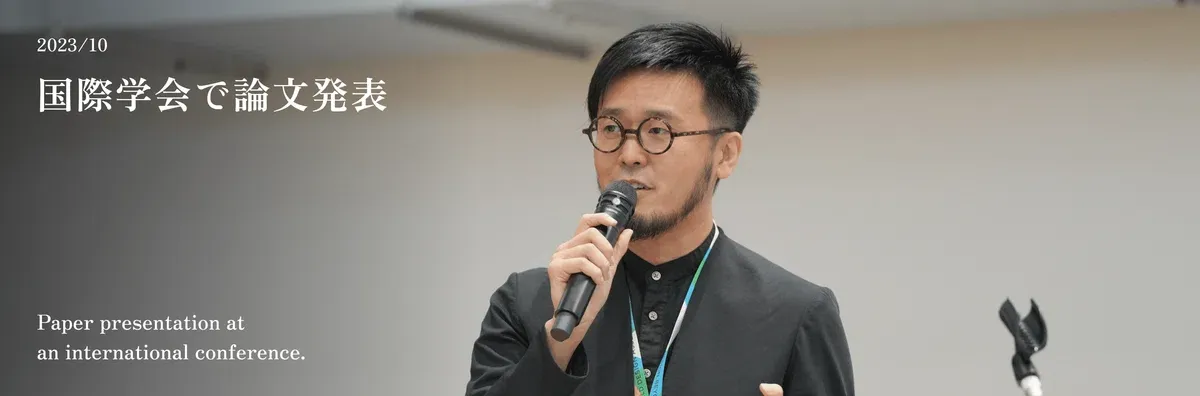
На
Вересень 2023: Виставка проведена в Тайванському музеї дизайну
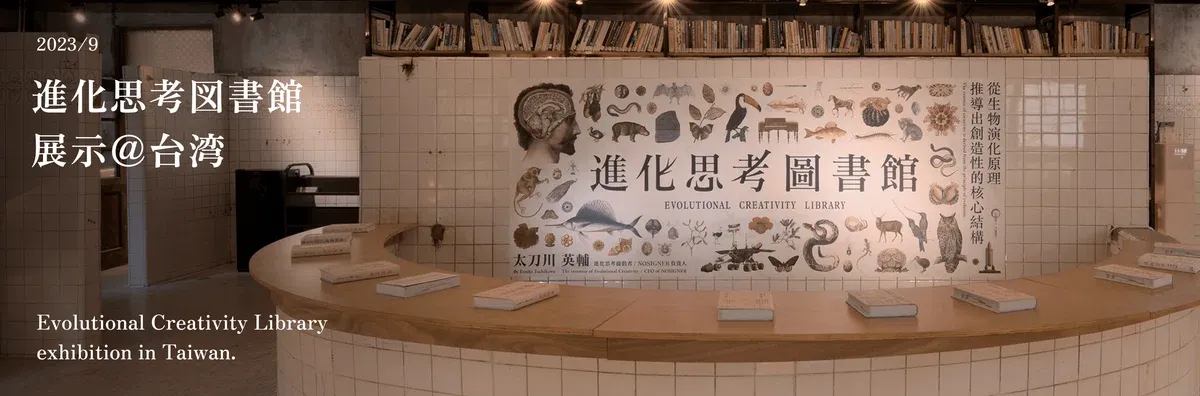
Одночасно з публікацією тайванського видання книги *Еволюційна творчість* у Музеї дизайну Тайваню, яким керує Тайванський інститут дослідження дизайну, відбулася виставка NOSIGNER під назвою
Вересень 2023: Публікація тайванського видання "Evolutional Creativity"
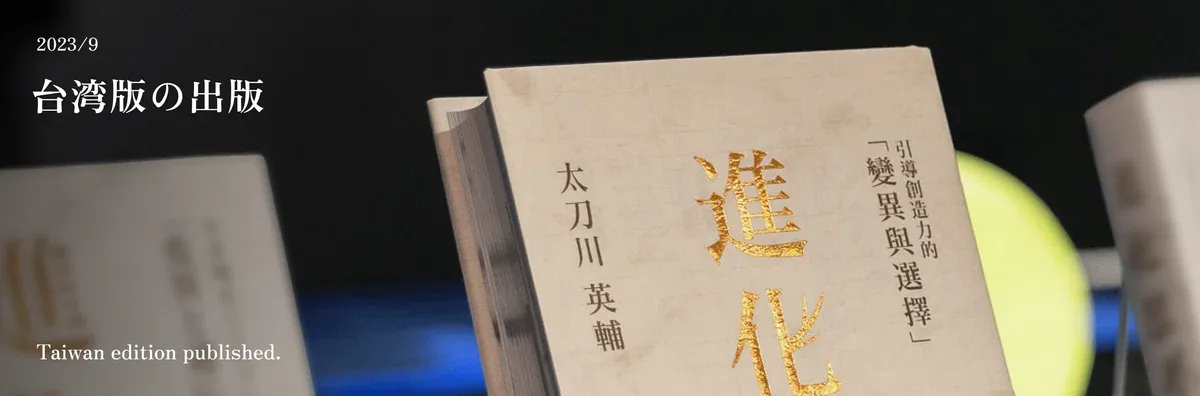
Після корейського видання
Червень 2023: Публікація корейського видання "Evolutional Creativity"
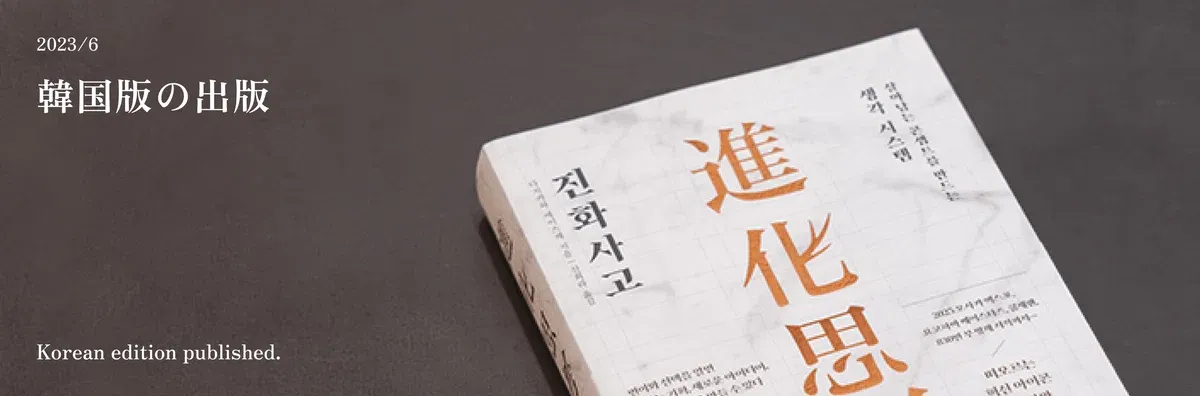
Корейське видання
Презентація на конференції, організованій UNESCO-MGIEP

Тачікава був запрошений виступити на конференції "Освіта для процвітання у змішаній реальності", організованій UNESCO-MGIEP (Інститут освіти для миру та сталого розвитку імені Махатми Ганді Організації Об'єднаних Націй з питань освіти, науки та культури), яка об'єднала відомих вчених, дослідників, вчителів, політиків та представників приватного сектору з усього світу. Він виступив з презентацією "Еволюційна креативність" під час сесії "Дизайн-мислення та креативність в освіті". Ця конференція також стала першою міжнародною конференцією, заснованою на Цілях сталого процвітання.
2023, серпень 2023: Лекція в Бандунзькому технологічному інституті (ITB), Індонезія
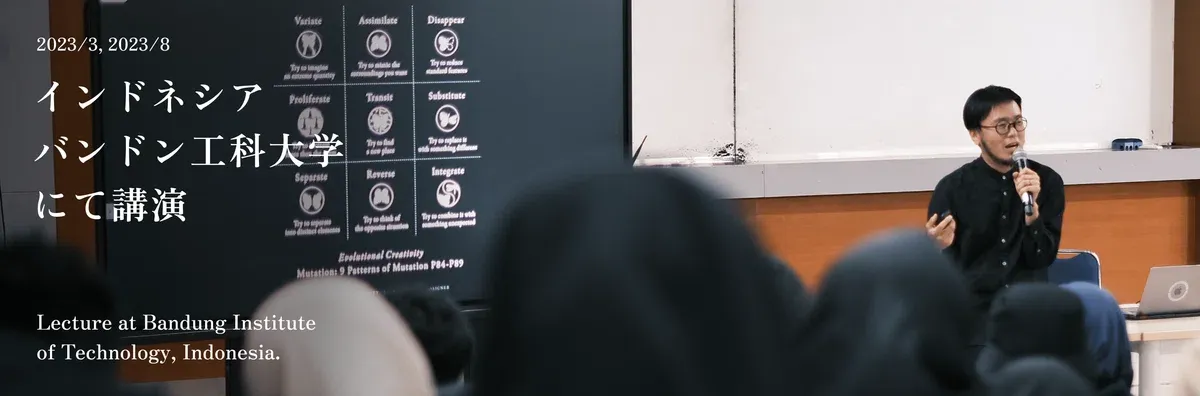
Тачікава прочитав лекцію про Еволюційну Креативність у Бандунгському технологічному інституті (ITB), провідному закладі вищої освіти Індонезії. Через позитивне сприйняття цього контенту було прийнято рішення опублікувати видання "Еволюційної Креативності" індонезійською мовою. Після
Березень 2023: Очолював форум "Думаючи про майбутнє вищої освіти"
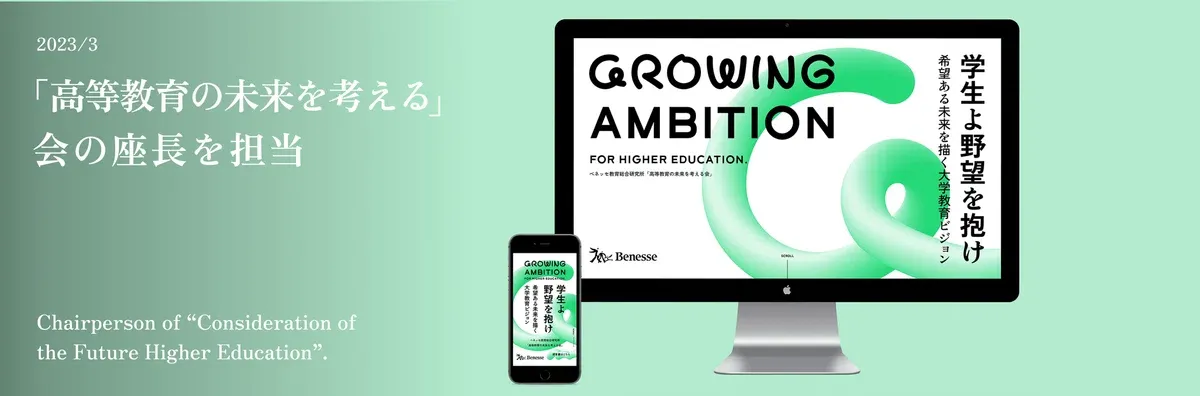
Ейсуке Тачікава виступив головою форуму "Роздуми про майбутнє вищої освіти", організованого Інститутом освітніх досліджень Benesse, де учасники, залучені до передових освітніх практик, обговорювали майбутнє університетської освіти. Після чотирьох раундів круглих столів з членами комітету була складена пропозиція, що окреслює бачення університетської освіти, яка передбачає обнадійливе майбутнє. Під новим освітнім керівним принципом "
Листопад 2022: Отримав нагороду "Shu Yamaguchi Award" на церемонії Pen Creator Awards
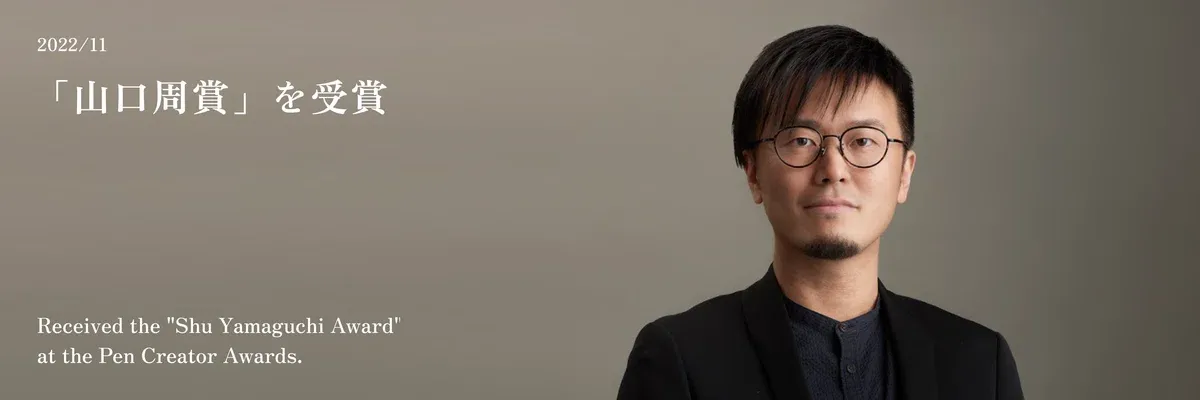
Ейсуке Тачікава отримав "Нагороду Шу Ямаґучі" на "
Листопад 2022: Взяв участь у програмі NHK для діалогу з анатомом Такеші Йоро
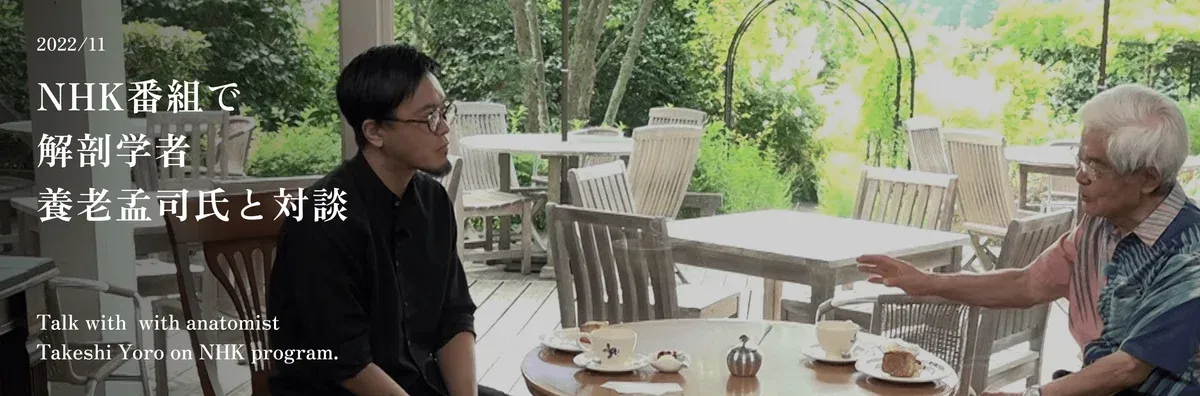
Він з'явився разом з анатомом Такеші Йоро в популярній програмі NHK "Switch Interview", в якій двоє людей, що працюють у різних сферах, відвідують робочі місця одне одного та ведуть діалог, "змінюючись" ролями доповідача та слухача. У другій частині програми я запросив доктора Йоро — який провів майже 60 років з часів навчання, досліджуючи "форми живих істот" — до студії NOSIGNER. Представляючи концепцію "Еволюційної Креативності", я розповідав про свою роботу як дизайнера, який досліджував форму через різні підходи.
: Проект запуску переглянутого видання
Розпочався проект з публікації переглянутого видання, що має на меті подальше вдосконалення книги як методу креативного мислення та точне включення наукових досліджень. Для цього перегляду ми запросили професора Масакі Кавата, професора спеціального призначення при президенті Університету Тохоку та експерта з еволюції та екології, виконувати роль головного редактора, супроводжуючи еволюцію книги "Evolutional Creativity". Нещодавно була опублікована нова книга професора Кавата, що пояснює еволюційну біологію, тому будь ласка, також ознайомтеся з нею.
Для автора це також була безцінна можливість глибоко переосмислити еволюційну біологію під керівництвом такого визначного експерта, як професор Кавата.
Травень 2022: Діалог з лауреатом Нобелівської премії доктором Акірою Йошино
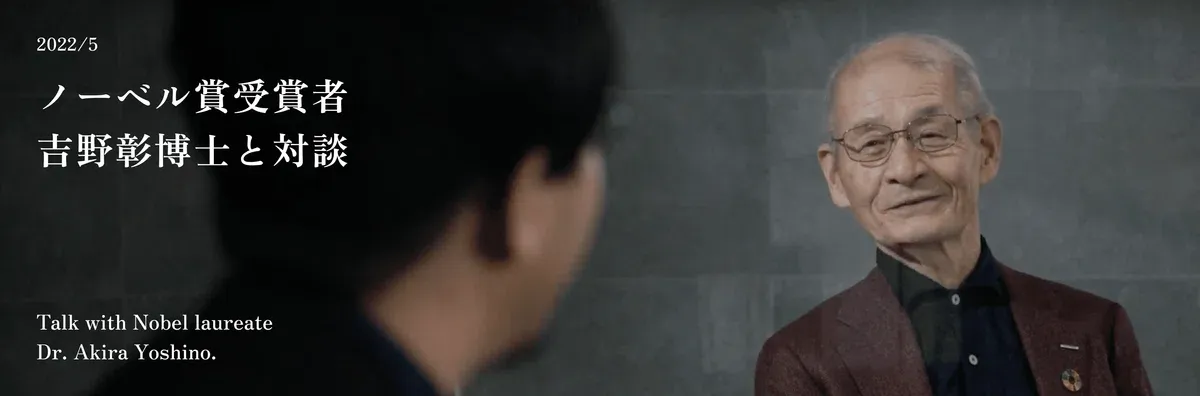
На заході з нагоди 100-річчя Asahi Kasei я мав честь взяти участь у діалозі з доктором Акірою Йошино (почесний співробітник Asahi Kasei), винахідником літій-іонної батареї та лауреатом Нобелівської премії з хімії. Відео лекції Тачикави на тему "Еволюційна творчість" та його діалог з доктором Йошино було транслировано приблизно 40 000 співробітників групи Asahi Kasei. Ця подія не лише здійснила давню мрію Тачикави провести діалог з доктором Йошино, але й стала можливістю донести до всіх співробітників Asahi Kasei повідомлення про те, що саме "цікавість" і "знання" кожної людини збагачують уяву та формують наступні 100 років.
Березень 2022: З'явився на NHK E-Tele в програмі "Ніч радикальних модифікацій: Школа підготовки інженерів"
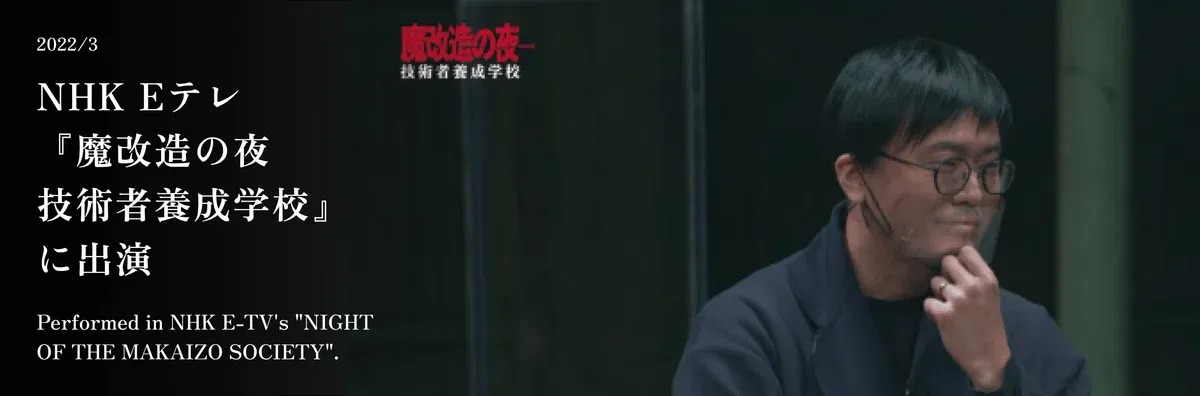
Ейсуке Тачікава з'явився як "Інструктор з дизайну (творчості)" у популярній програмі NHK E-Tele "Ніч радикальних модифікацій: Школа підготовки інженерів". З темою "Магічна модифікація блендера" він провів мозковий штурм-воркшоп для створення "блендера, який стріляє соком на далеку відстань", представивши дев'ять шаблонів "мутації" з "Еволюційної креативності" як підказки для генерації ідей.
Лютий 2022: Отримав спеціальну нагороду на "IT Engineer Book Awards 2022"
У категорії бізнес-книг
2022-2023 Прийнято до вступних іспитів школи
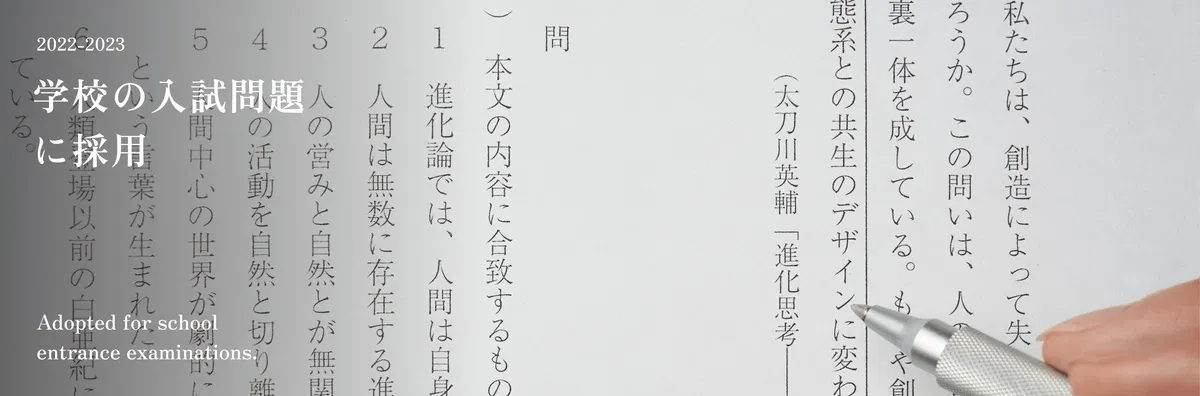
Уривки з Evolutional Creativity продовжують використовуватися як матеріал для шкільних іспитів, з'являючись в іспитах з японської мови для вступу до Університету Досіся та вступних іспитах до старшої школи в префектурі Нагано.
Листопад 2021: Переможець премії Ямамото Шічіхей
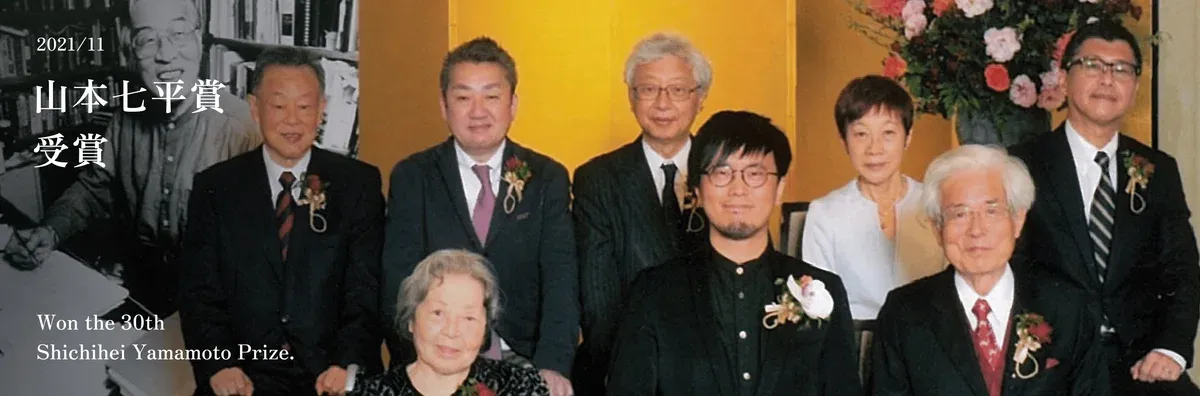
Ми отримали
Хоча "Еволюційна креативність" привернула увагу як метод виховання новаторів та стимулювання інновацій, отримання цієї престижної японської академічної нагороди—до відбіркового комітету якої входять анатом Такеші Йоро, еволюційний біолог Маріко Хасегава, економіст Мотосіге Іто, політолог Терумаса Наканісі та правознавець Сюдзі Ягі—дозволило їй здобути визнання з академічної точки зору як новому способу мислення, що розкриває креативність з еволюційної перспективи.
квітень 2021: Публікація книги *Evolutional Creativity*
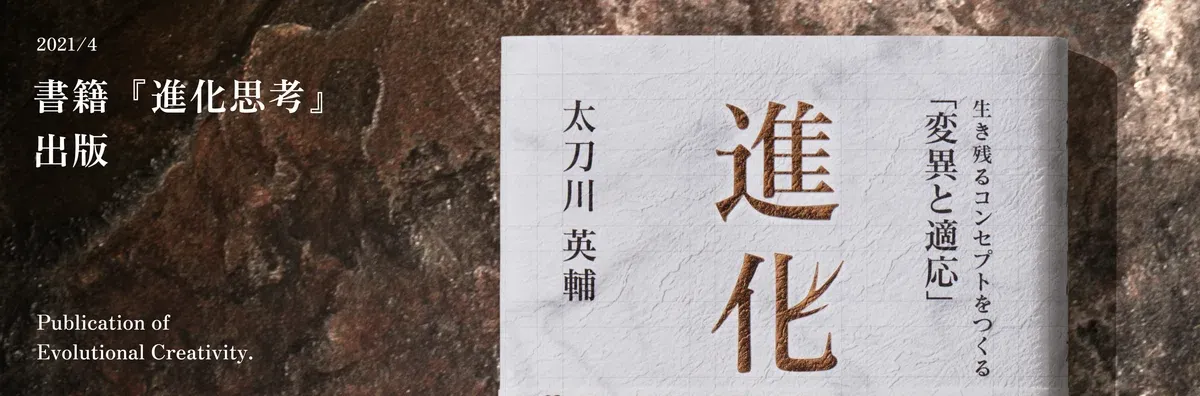
Ми опублікували цю книгу з метою донесення концепцій та методології еволюційної креативності до широкої аудиторії, включаючи бізнес-сектор, та заохочення її застосування для генерації ідей у всіх сферах, таких як розвиток бізнесу, дизайн та мистецтво.
Наповнена безліччю фотографій та ілюстрацій про біологічну еволюцію та людську креативність, а також 50 "робіт з еволюційної креативності", які читачі можуть практикувати під час читання, ця книга — яка всебічно охоплює концепції та практичні методи еволюційної креативності — стала бестселером. Методологія еволюційної креативності поширилася у великих корпораціях та освітніх закладах і навіть була впроваджена у вступних іспитах для університетів та старших шкіл.
"Еволюційна креативність" - це концепція, яку Тачікава розвивав протягом багатьох років до публікації книги у 2021 році. Нижче наведено короткий огляд шляху, що привів до публікації "Еволюційної креативності".
Співпраця з телевізійною програмою NHK "The Direxon"
Ми співпрацювали над проектом для телепрограми NHK
Серпень 2020: Запуск "Школи еволюційної творчості"
Онлайн-курс було запущено завдяки добровільним зусиллям Такаші Ямади та інших членів, які вивчали Еволюційну Креативність. "Школа Еволюційної Креативності" почалася як курс, розроблений для посіву насіння креативності в різних секторах суспільства. Ця школа є навчальною програмою, яка допомагає учасникам відшліфувати нові ідеї для створення бізнесу через лекції та воркшопи з Еволюційної Креативності.
"Школа Еволюційної Креативності" залучила різноманітну групу учасників, включаючи керівників корпорацій, співробітників, які прагнуть стимулювати інновації, а також шкільних вчителів та державних службовців, які прагнуть займатися творчою практикою. На сьогоднішній день програма випустила приблизно 1000 випускників.
Програма пропонується широкому колу учасників, від корпорацій та організацій до окремих осіб, і використовується для розробки продуктів та розвитку людських ресурсів. Багато випускників продовжують зустрічатися щотижня для дослідження освіти креативності через Еволюційну Креативність.
2019: Почав писати книгу *Evolutional Creativity*
Після зустрічі з паном Абе та паном Харада на "Kokuri! Camp" вони вирішили заснувати видавництво "Ami no Kaze" в місті Амі, префектура Сімане. Вони звернулися до мене з ідеєю зробити *Evolutional Creativity* їхньою першою книгою, і так почався трирічний процес написання.
Вересень 2018: Стаття про "Evolutional Creativity" опублікована в *DIAMOND Harvard Business Review*
Стаття приблизно на 10 000 символів, що узагальнює огляд "Evolutional Creativity", була опублікована в
2018: Запуск воркшопу "Еволюційна креативність"
Отримавши багато інсайтів через виставку, Тачікава розробив "Граматику дизайну" та запустив "Еволюційну креативність" — семінар, призначений для вивчення творчого процесу з біологічної еволюції. На першому семінарі, який проходив у "Cocri! Camp" — зборі лідерів та експертів з різних секторів та галузей — він зустрів Такаші Ямаду, який пізніше запустив "Школу еволюції"; Юдзі Абе, видавця *Еволюційної креативності*; та Ейдзі Хараду з Eiji Publishing. Згодом семінар проводився в різних компаніях, і "Еволюційна креативність" почала використовуватися як методологія інновацій.
Листопад 16–жовтень 31, 2016: Виставка в Ginza Graphic Gallery "NOSIGNER: Форма і розум"
Тачікава, який зацікавився творчістю природних форм—які не мають мови—що перевершує людську, почав досліджувати спільні риси між біологічною еволюцією та людською творчістю. На виставці "NOSIGNER: Form and Reason", що проходила в Ginza Graphic Gallery (ggg), він представив роботи, які протиставляли еволюцію та створення, заглиблюючись у причини форм та методи концептуалізації дизайну.
2012 Почав викладати курс "Граматика дизайну"
Після вступу на роботу та повної відданості своїй кар'єрі дизайнера, Тачікава почав викладати "Граматику дизайну" в Університеті мистецтв Мусашіно — курс, який розширив зміст його магістерської дисертації. Курс, який пізніше розширився та включив сесії для працюючих професіоналів, здобув міцну репутацію, що призвело до його впровадження в i.school Токійського університету та застосування в інноваційних ініціативах різних компаній.
Магістерська дисертація "Лінгвістичне пізнання дизайну"
Витоки "Еволюційної креативності" можна простежити до магістерської дисертації Тачікави "Лінгвістичне пізнання дизайну", яку він написав під час навчання архітектури як аспірант у лабораторії Кенго Куми в Університеті Кейо. Зосереджуючись на процесі виникнення ідей та концепцій — темі, яка довго його цікавила — дисертація розглядала цей процес з лінгвістичної перспективи, базуючись на припущенні, що мова служить тригером для натхнення.
INFORMATION
- What
- Evolutional Creativity
- When
- 2016-
- Where
- Japan
- Scope
- Branding / Branding Strategy / Logo / Edition / Business card / Motion logo / Promotional items / Infographics / Photograph / Book cover and inner page design / Exhibition / Poster / Concept Development
- Award
- The 30th Shichihei Yamamoto Prize2021
- ITB GANESHA WIDYA JASA ADIUTAMA2024
- SDGs






CREDIT
- Inventor
- Eisuke Tachikawa
- Thanks
Amanokaze (kazetotuchito Inc. ),Eiji Press Inc. , NOSIGNER staffs,Ginza Graphic Gallery , Yuichi Hisatsugu, Kunihiko Sato