PROJECT
ความคิดสร้างสรรค์แบบวิวัฒนาการ
วิธีการสร้างสรรค์ที่เรียนรู้จากวิวัฒนาการทางชีววิทยา นำไปใช้โดยบริษัทและมหาวิทยาลัยกว่า 70 แห่ง ได้รับรางวัล Yamamoto Shichihei Prize แปลเป็นภาษาจีน เกาหลี อินโดนีเซีย และแพร่หลายไปทั่วโลก
HOW
การจัดระบบการศึกษาความคิดสร้างสรรค์โดยใช้วิวัฒนาการทางชีววิทยา
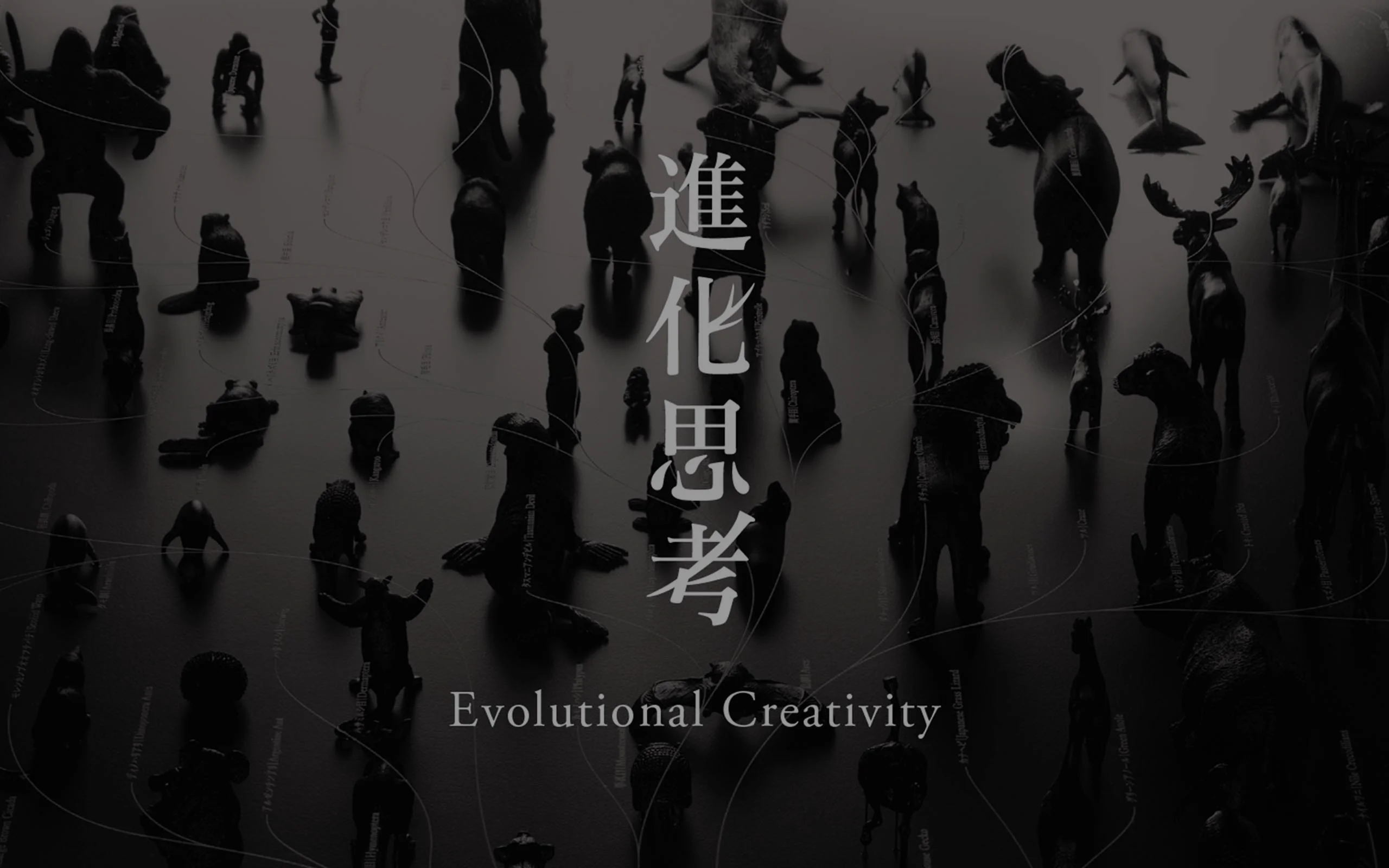
ความคิดสร้างสรรค์ของมนุษย์มีความพิเศษมากจนสามารถเรียกได้ว่าเป็นปรากฏการณ์เหนือธรรมชาติในโลกธรรมชาติ ในบรรดาสิ่งมีชีวิตหลายสิบล้านชนิดในประวัติศาสตร์ชีวิตบนโลก 3.8 พันล้านปี ไม่มีสิ่งมีชีวิตชนิดอื่นใดที่แสดงระดับความคิดสร้างสรรค์เทียบเท่ากับเรา เนื่องจากเราผู้เป็นมนุষย์ก็เป็นส่วนหนึ่งของธรรมชาติ ความคิดสร้างสรรค์ของเราจึงควรถูกมองว่าเป็นปรากฏการณ์ทางธรรมชาติด้วย
ในขณะเดียวกัน เมื่อเรามองไปที่รูปร่างและรูปแบบต่างๆ ในธรรมชาติ เราอาจคิดว่าธรรมชาติมีความคิดสร้างสรรค์มากกว่ามนุษย์ซะอีก ทำไมเป็นเช่นนั้น
จากมุมมองนี้ ไอซึเกะ ทาชิคาว่า หัวหน้าของ NOSIGNER คิดว่าความคิดสร้างสรรค์ของมนุษย์เป็นปรากฏการณ์ที่คล้ายคลึงกับวิวัฒนาการของสิ่งมีชีวิต เขาได้พยายามสร้างโครงสร้างความคิดสร้างสรรค์อย่างต่อเนื่องโดยอิงจากวิวัฒนาการทางธรรมชาติ เขาจึงได้คิดค้น Evolutional Creativity ซึ่งเป็นวิธีคิดสร้างสรรค์ที่มีระบบและนำหลักการทำงานของวิวัฒนาการของสิ่งมีชีวิตมาประยุกต์ใช้กับการออกแบบและนวัตกรรม
สิ่งมีชีวิตวิวัฒนาการผ่านการกลายพันธุ์ที่เกิดขึ้นโดยบังเอิญและการคัดเลือกที่เกิดขึ้นโดยความจำเป็นเนื่องจากปัจจัยสิ่งแวดล้อมและเงื่อนไขอื่นๆ กระบวนการทั้งสองนี้เกิดขึ้นซ้ำๆ ทางพันธุกรรมเป็นรุ่นต่อรุ่น
หากความคิดสร้างสรรค์ของเราทำงานในลักษณะเดียวกัน การประดิษฐ์และนวัตกรรมของมนุษยชาติหลายอย่างที่ปฏิวัติโลกก็สามารถอ้างอิงได้ถึงกระบวนการสลับกันเหล่านี้ที่เกิดจากเหตุบังเอิญและความจำเป็น ไม่มีเจตนาที่มีสติในกระบวนการที่บังเอิญและจำเป็นทั้งคู่ กระบวนการทั้งสองเพียงแค่สลับกันไปมาเพื่อเข้าใกล้การปรับตัวที่เหมาะสมที่สุด
ความคิดสร้างสรรค์เป็นสิ่งที่เกิดขึ้นเองโดยไม่ขึ้นอยู่กับเจตนาที่มีสติของผู้สร้างสรรค์ จากแนวคิดนี้ Evolutional Creativity คือกระบวนการสลับสับเปลี่ยนระหว่างแนวคิดที่กลายพันธุ์ซึ่งเกิดจากเหตุบังเอิญที่บ้าคลั่งและแปลกใหม่ กับแนวคิดเลือกสรรที่เกิดจากความจำเป็นในการปรับตัวให้เข้ากับสภาวะปัจจุบัน กระบวนการความคิดสร้างสรรค์ที่สลับกันนี้ดำเนินต่อไปเป็นรุ่นต่อรุ่น

ทาชิคาวะได้ศึกษาความเชื่อมโยงระหว่างการออกแบบและภาษา และเขาเชื่อว่าแหล่งกำเนิดของความคิดสร้างสรรค์ของมนุษย์มาจากภาษา และกุญแจสำคัญของวิวัฒนาการของสิ่งมีชีวิตคือการกลายพันธุ์ของดีเอ็นเอซึ่งคล้ายกับภาษามาก
ข้อผิดพลาดในการคัดลอกดีเอ็นเอสามารถเปรียบได้กับการออกเสียงผิดและการได้ยินผิดของภาษา จากสมมติฐานนี้ ทาชิคาวะทำทฤษฎีว่าวิวัฒนาการและความคิดสร้างสรรค์สร้างรูปแบบการกลายพันธุ์ที่คล้ายกัน
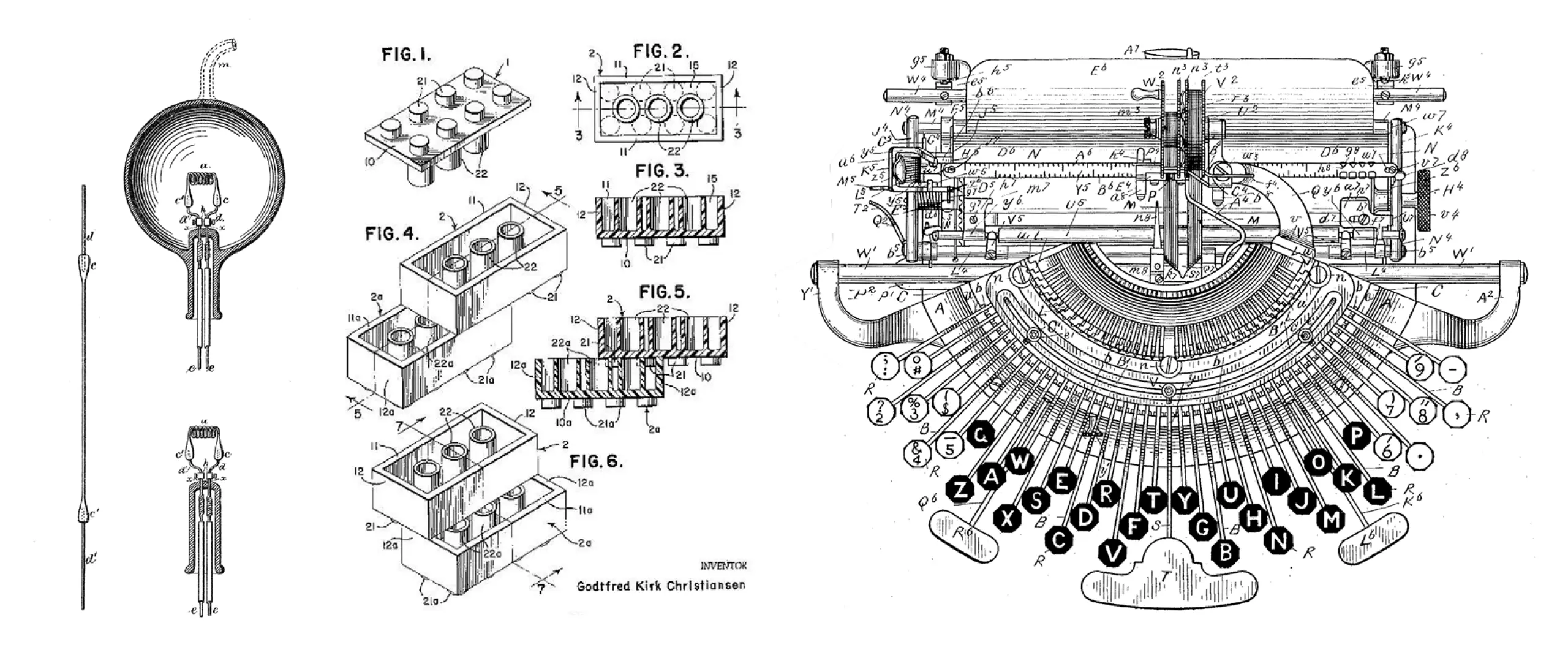
รูปแบบที่คล้ายกันที่พบในวิวัฒนาการของสิ่งมีชีวิตยังปรากฏชัดเจนในสิ่งประดิษฐ์และวัฒนธรรมของมนุษย์ที่หลากหลาย Evolutional Creativity ประยุกต์ใช้รูปแบบที่คล้ายกันเหล่านี้กับกระบวนการสร้างสรรค์ ข้อผิดพลาดที่ส่งผลให้เกิดแนวคิดใหม่ถูกจัดหมวดหมู่เป็นเก้าประเภท
โดยการใช้รูปแบบการกลายพันธุ์เก้าแบบของ Variate, Disappear, Integrate, Reverse, Separate, Substitute, Assimilate, Transit และ Proliferate เป็นเครื่องมือจากกล่องเครื่องมือ เราสามารถสร้างข้อผิดพลาดเชิงบังเอิญได้จำนวนมากเพื่อสร้างแนวคิดมากมายในเวลาสั้นๆ เหล่านี้คือแนวคิดที่กลายพันธุ์
แล้วเราเลือกแนวคิดที่ดีจากข้อผิดพลาดเหล่านี้ได้อย่างไร? ในโลกธรรมชาติ เราสามารถสังเกตได้ว่าสิ่งมีชีวิตเลือกอย่างไรเพื่อปรับตัวเข้ากับสิ่งแวดล้อม หากเราเรียนรู้จากแนวทางที่นักวิทยาศาสตร์ธรรมชาติได้พัฒนาอย่างยาวนานในการสังเกตโลกธรรมชาติ เราอาจสามารถเลือกแนวคิดที่ปรับตัวได้
ขณะศึกษาวิธีการสังเกตต่างๆ ในวิทยาศาสตร์ธรรมชาติ ทาชิคาวะสังเกตเห็นว่ามีมุมมองเพียงสี่มุมมองที่ครอบคลุมทั้งเวลาและพื้นที่ แต่ละมุมมองเป็นระบบการสังเกตทางชีววิทยาที่ได้รับการยอมรับ
สี่มุมมองคือ Anatomy เพื่อเข้าใจส่วนภายใน Ecosystem เพื่อเข้าใจสิ่งแวดล้อมภายนอก Lineage เพื่อเข้าใจการพัฒนาของลำดับวงศ์ตระกูล และ Prediction เพื่อไตร่ตรองอนาคตด้วยแนวทาง Forecast และ Backcast ทั้งสอง เขาได้จัดระบบวิธี Adaptative ทั้งสี่นี้และตั้งชื่อว่า Spatial-Temporal Learning โดยการวิเคราะห์เงื่อนไขผ่านสี่มุมมองที่ครอบคลุมเวลาและพื้นที่เหล่านี้ เราสามารถเข้าใจได้ว่าสังคมถูกกดดันให้ตัดสินใจเลือกที่หลีกเลี่ยงไม่ได้อย่างไร จากนั้นเราจึงสามารถตอบโต้อย่างเหมาะสมโดยการเลือกแนวคิดที่แข็งแกร่ง
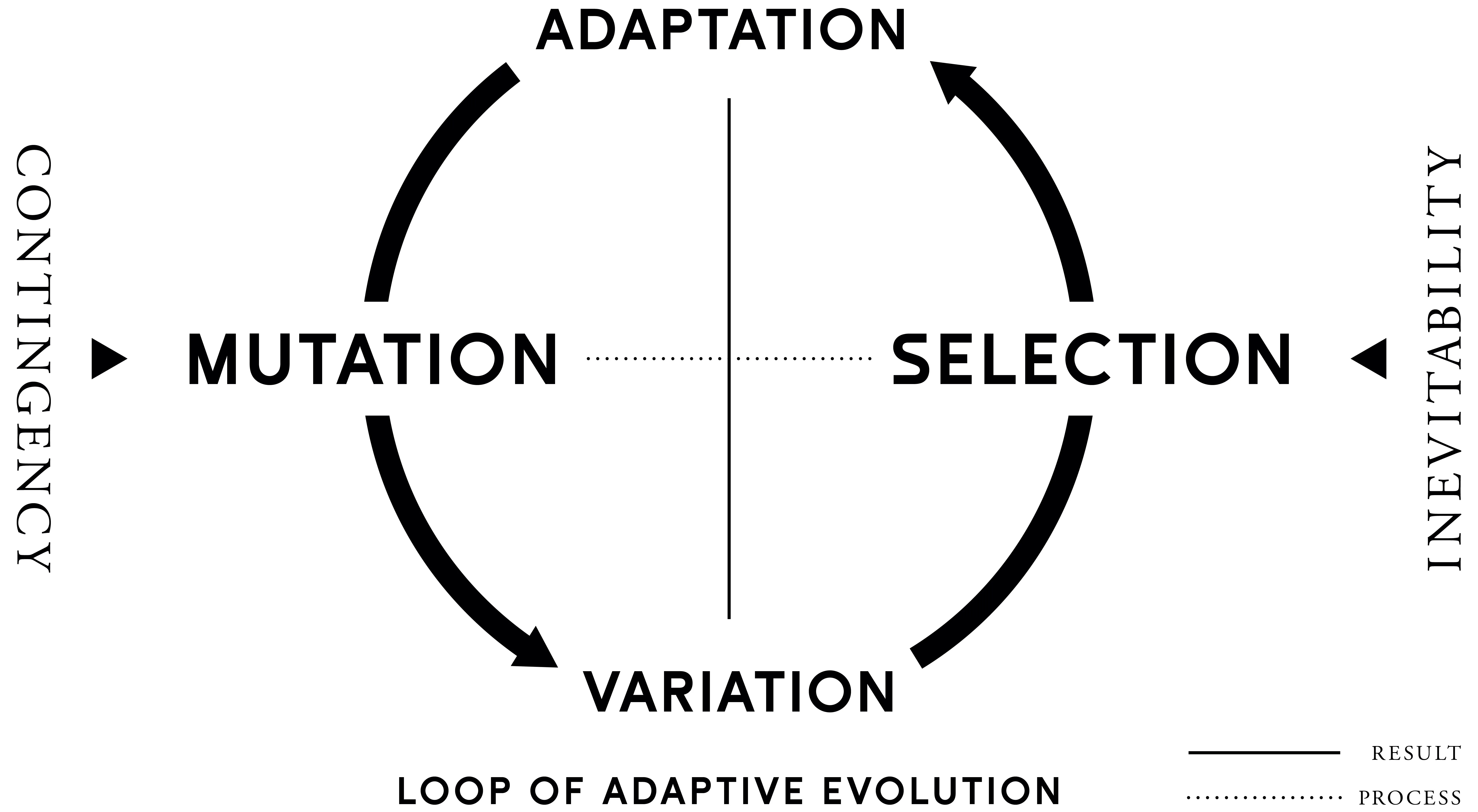
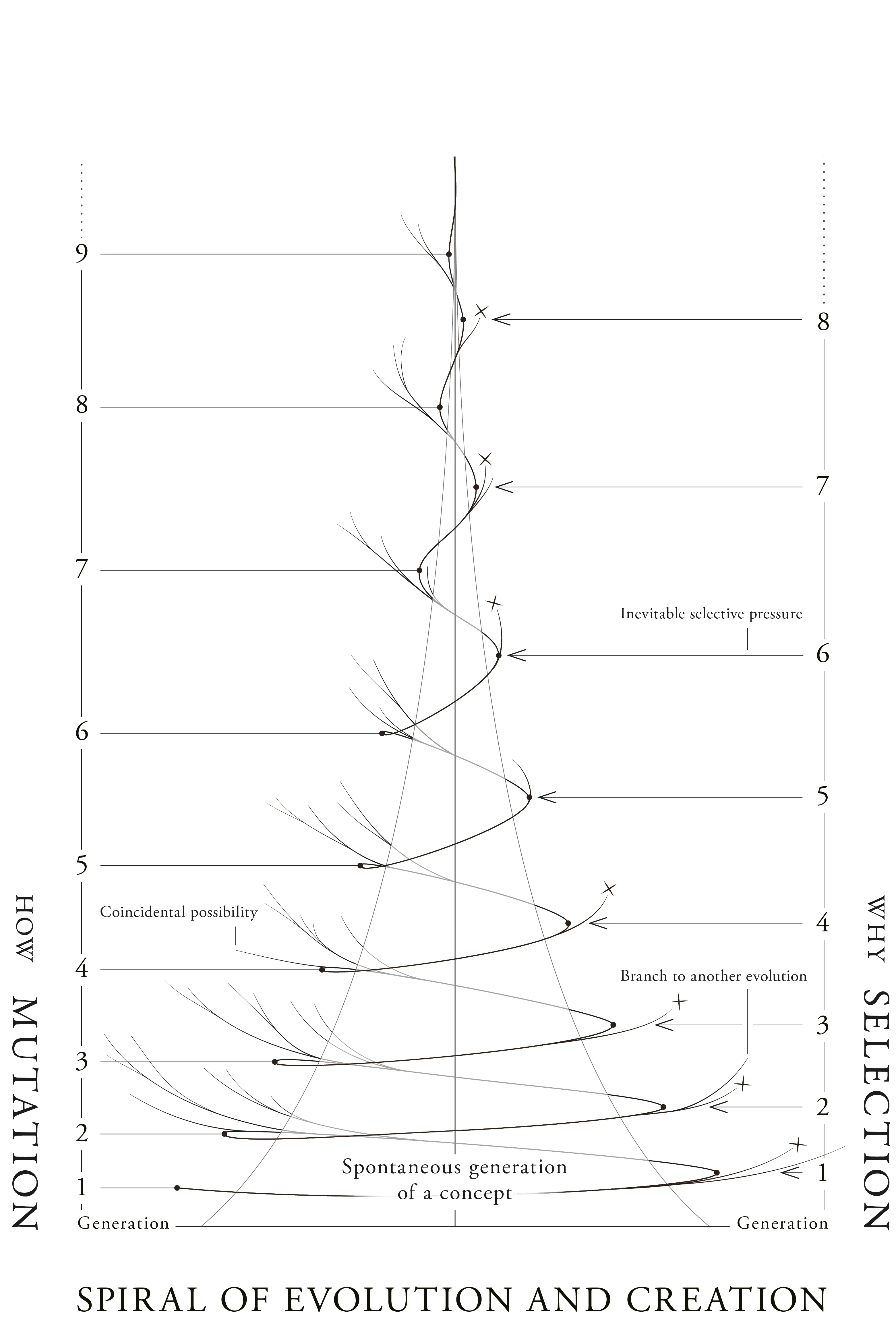
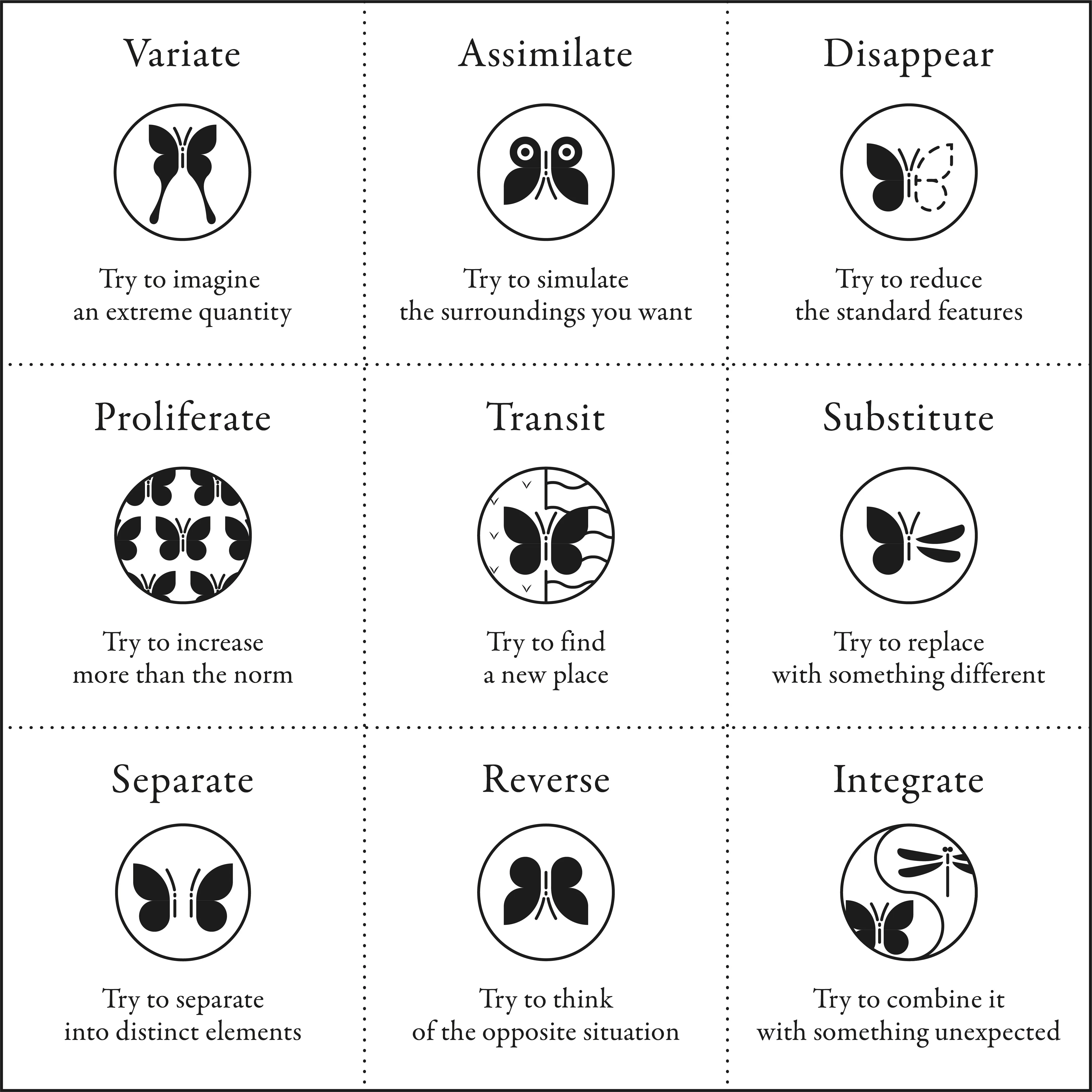
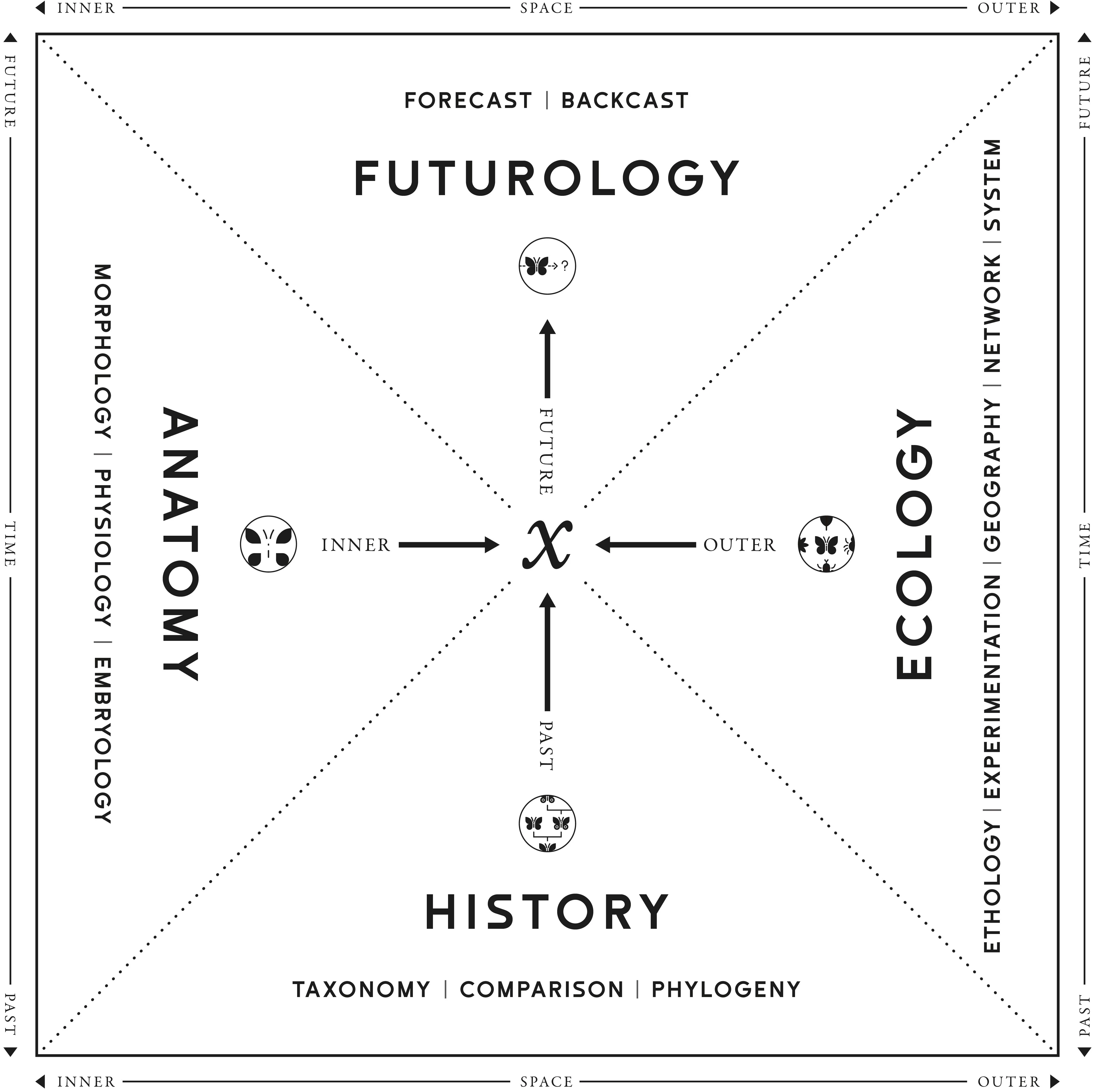
Evolutional Creativity เป็นวิธีคิดในการสร้างแนวคิดสร้างสรรค์ที่สามารถอยู่รอดได้เป็นเวลานาน โดยใช้และสลับไปมาระหว่างแนวคิดสองประการ คือ Mutation และ Selection
(หนังสือ Evolutional Creativity ฉบับแรกใช้คำว่า "mutation and adaptation" เพื่ออ้างถึงการกลายพันธุ์โดยบังเอิญและการคัดเลือกโดยธรรมชาติที่มุ่งหวังการปรับตัว อย่างไรก็ตาม ฉบับปรับปรุงได้เปลี่ยนการแสดงออกเป็น "mutation and selection" เพื่อให้สอดคล้องกับความถูกต้องทางวิชาการมากขึ้น)
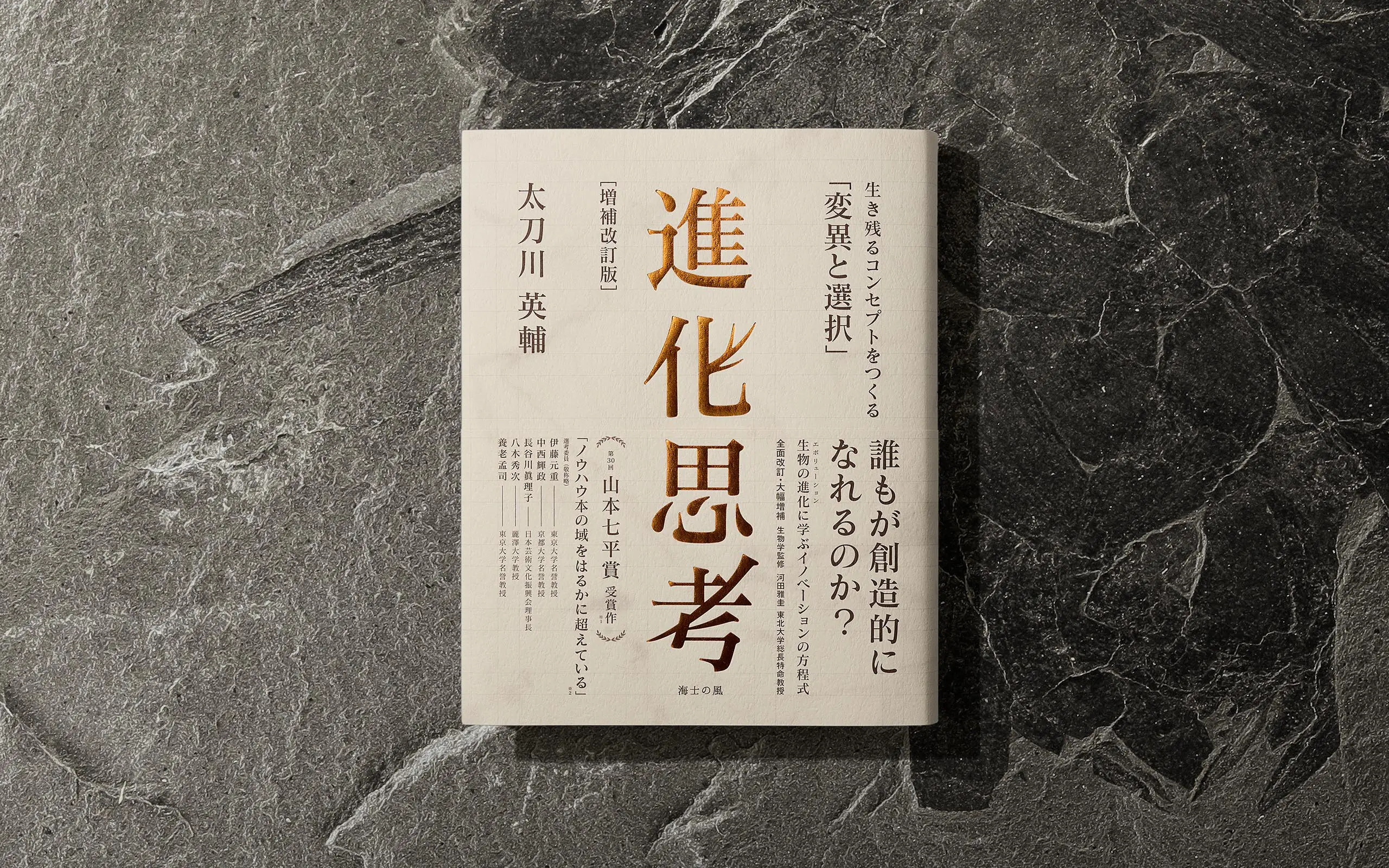
ในเดือนเมษายน 2021 หนังสือ Evolutional Creativity ได้เข้าสู่ตลาดเป็นหนังสือเล่มแรกที่ตีพิมพ์โดย Amanokaze ซึ่งเป็นสำนักพิมพ์แห่งแรกที่ก่อตั้งขึ้นใน Ama จังหวัดชิมาเนะ บนเกาะห่างไกลที่มีประชากรประมาณ 2,000 คนใกล้ชายแดนของประเทศ แม้ว่าจะตีพิมพ์ในสถานที่ห่างไกล แต่หนังสือเล่มนี้กลายเป็นหนังสือขายดีอันดับ 1 ในหมวดธุรกิจและเศรษฐศาสตร์ของ Amazon Japan ภายในหนึ่งสัปดาห์หลังจากการเปิดตัว หนังสือขายได้ 30,000 เล่มในการพิมพ์สามครั้ง การขายหนังสือยังคงขยายตัวอย่างกว้างขวาง
หนังสือเล่มนี้ยังได้รับรางวัลมากมายในญี่ปุ่น หนึ่งในนั้นคือรางวัล Yamamoto Shichihei ซึ่งเป็นรางวัลทางวิชาการอันทรงเกียรติที่มอบให้ทุกไม่กี่ปีแก่หนังสือมนุษยศาสตร์ที่เป็นตัวแทนของญี่ปุ่น คณะกรรมการคัดเลือกประกอบด้วยนักชีววิทยาสองคน (นักกายวิภาคศาสตร์ Takeshi Yoro และนักชีววิทยาวิวัฒนาการ Mariko Hasegawa) นักเศรษฐศาสตร์สังคมศาสตร์ Motoshige Ito นักรัฐศาสตร์ Terumasa Nakanishi และนักกฎหมาย Hidetsugu Yagi หนังสือได้รับการยกย่องทางวิชาการเหนือกว่ามนุษยศาสตร์และวิทยาศาสตร์
ด้วย Evolutional Creativity เราต้องการพิสูจน์ว่าเราสามารถเปลี่ยนแปลงโลกได้แม้จากสถานที่ห่างไกล เรายังต้องการเผยแพร่โปรแกรมการศึกษาความคิดสร้างสรรค์แบบใหม่นี้ไปทั่วโลก
VOICE
วิวัฒนาการเป็นไปตามกฎเกณฑ์ที่ได้รับการยอมรับหลากหลายประการ ผู้เขียนใช้กฎเกณฑ์เหล่านี้เป็นรากฐาน โดยมีเป้าหมายที่จะให้วัสดุอ้างอิงที่มีค่าสำหรับสิ่งที่เรียกว่านวัตกรรม
แม้ว่ารายละเอียดของแต่ละกรณีจะสำรวจได้ดีที่สุดโดยการอ่านหนังสือเล่มนี้เอง แต่ความคิดริเริ่มของแนวคิด—การประยุกต์หลักการวิวัฒนาการเข้ากับการคิดเกี่ยวกับนวัตกรรม—นั้นเหนือกว่าคู่มือแนะนำทั่วไปอย่างมาก ตัวอย่างที่นำเสนอในแต่ละส่วนนั้นสดใสและน่าสนใจ ทำให้หนังสือเล่มนี้สนุกในการอ่าน สิ่งนี้สะท้อนถึงการคิดที่ต่อเนื่องและไม่ย่อท้อของผู้เขียน
วิวัฒนาการทางชีววิทยา 3.5 พันล้านปีบนโลกได้นำไปสู่เรา หล่อหลอมให้เราเป็นในสิ่งที่เราเป็นในวันนี้ หากกระบวนการนั้นถูกชี้นำโดยกฎเกณฑ์บางประการ ก็ไม่มีเหตุผลที่กฎเกณฑ์เดียวกันนั้นจะไม่สามารถใช้เป็นข้อมูลอ้างอิงสำหรับกระบวนการที่จะเกิดขึ้นในอนาคต
แนวทางของผู้เขียนเป็นการเปรียบเทียบโดยพื้นฐาน คอนราด ลอเรนซ์ นักพฤติกรรมศาสตร์สัตว์ เคยกล่าวในการบรรยายรับรางวัลโนเบลของเขาว่าวิธีการของเขาเป็นการเปรียบเทียบอย่างแท้จริง ในโลกวิชาการซึ่งมักเน้น "ความคิดริเริ่ม" นั้น น้อยคนที่จะยอมรับสิ่งนี้ แต่ในบริบทที่ให้ความสำคัญกับความคิดริเริ่ม—เช่นในนวัตกรรม—ความสำคัญของการเปรียบเทียบจะชัดเจน ในแง่นี้ งานชิ้นนี้มีค่าสูงและสมควรได้รับรางวัลยามาโมโตะ ชิชิเฮอิ
สถาบันวิจัยโยโระ จำกัด /
ศาสตราจารย์เกียรติคุณ มหาวิทยาลัยโตเกียว
ทาเคชิ โยโระ

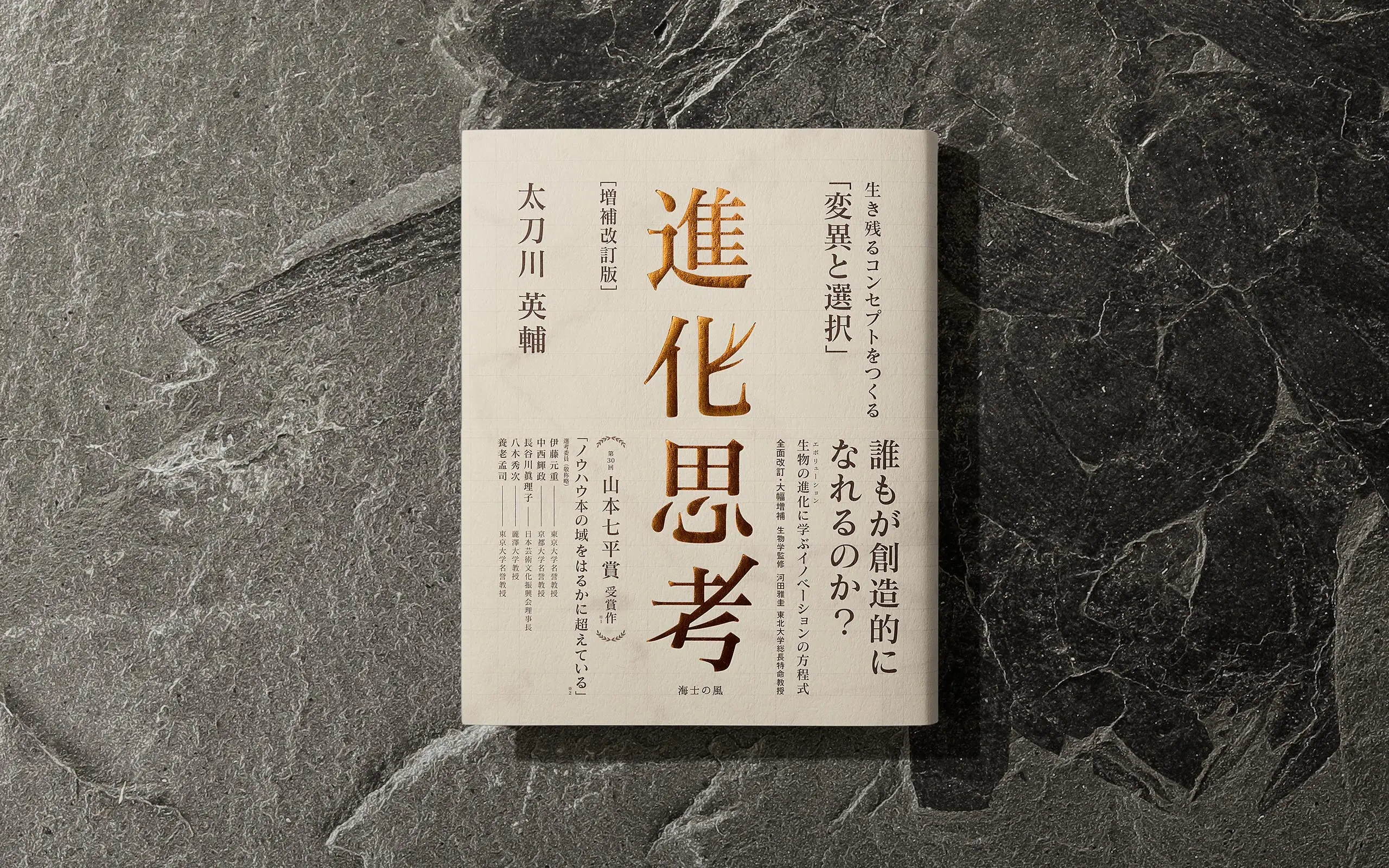
เกี่ยวกับการออกแบบหนังสือ
หนังสือเล่มนี้ออกแบบโดย Tachikawa ผู้เขียนเอง
เขาต้องการให้หนังสือเล่มนี้ยังคงเป็นที่รักแม้ในยุคสมัยต่างๆ ในอนาคต ด้วยแรงบันดาลใจจากชั้นธรณีวิทยาที่สะสมตัวมาเป็นเอออน เขาจึงตัดสินใจเลือกการออกแบบและพื้นผิวที่เหมือนหิน นอกจากนี้ยังเป็นการแสดงความเคารพต่องานวิจัยทางธรณีวิทยาของ James Hutton ผู้ที่มีอิทธิพลต่อทฤษฎีวิวัฒนาการของ Charles Darwin
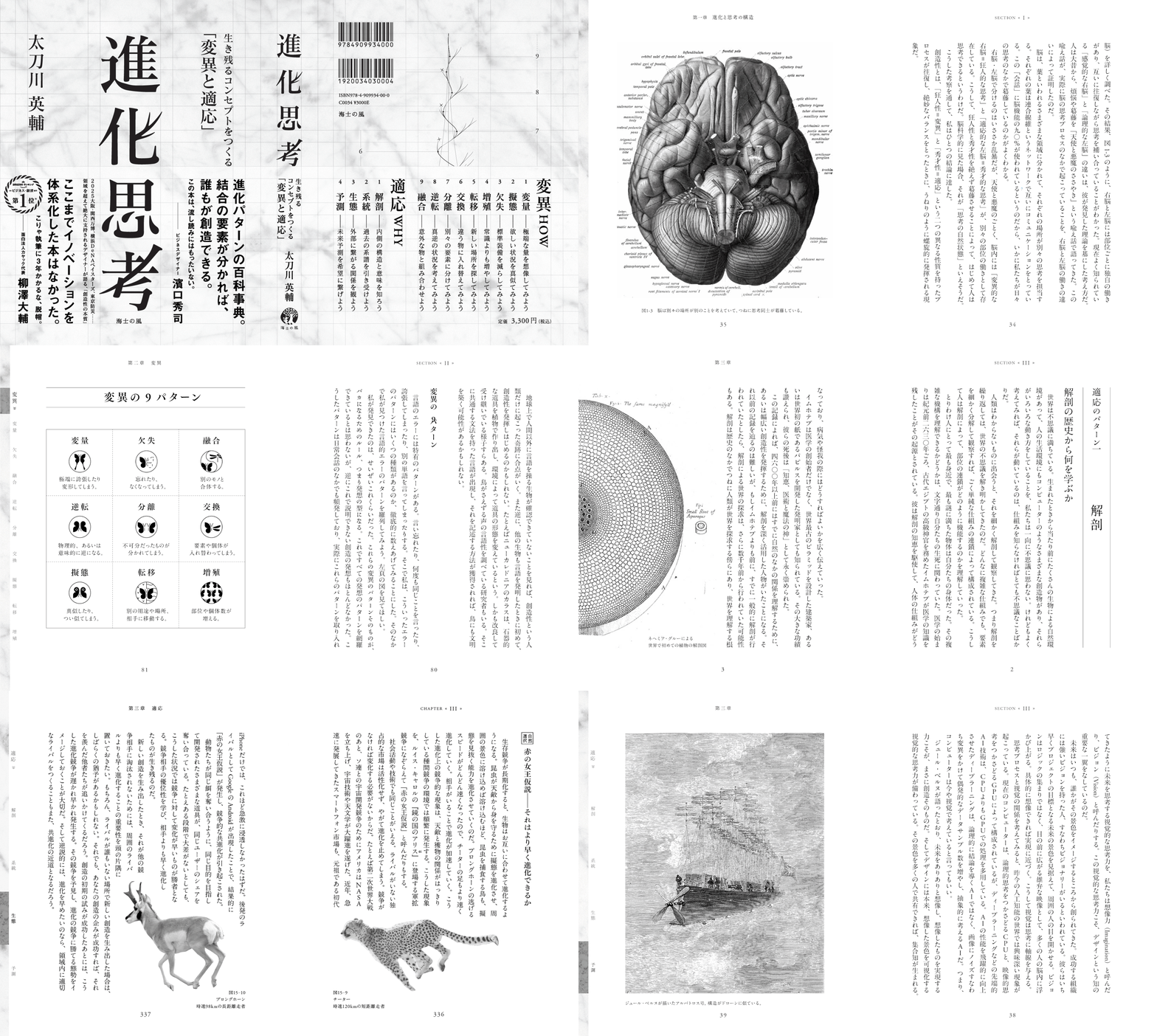
ปกหนังสือใช้กระดาษลายนูนพิเศษ (ชื่อ "Iwa-hada" หรือพื้นผิวหิน) ที่มีพื้นผิวเหมือนหิน และพิมพ์ลายหินอ่อนบนผิวกระดาษ เนื่องจากขอบหนังสือก็มีลายหินอ่อนแบบเดียวกัน หนังสือที่มีกว่า 500 หน้าจึงดูเหมือนก้อนอิฐหินที่หนาและแข็งแรง นอกจากนี้ โดยการลดองค์ประกอบตุ่นแต่งให้น้อยที่สุดและใช้การออกแบบแบบมินิมอล ทำให้รักษาโทนสีที่สม่ำเสมอได้ เป็นการออกแบบหนังสือที่เหนือกาลเวลาและน่าสนใจ ไม่หวั่นไหวต่อเทรนด์การออกแบบใดๆ
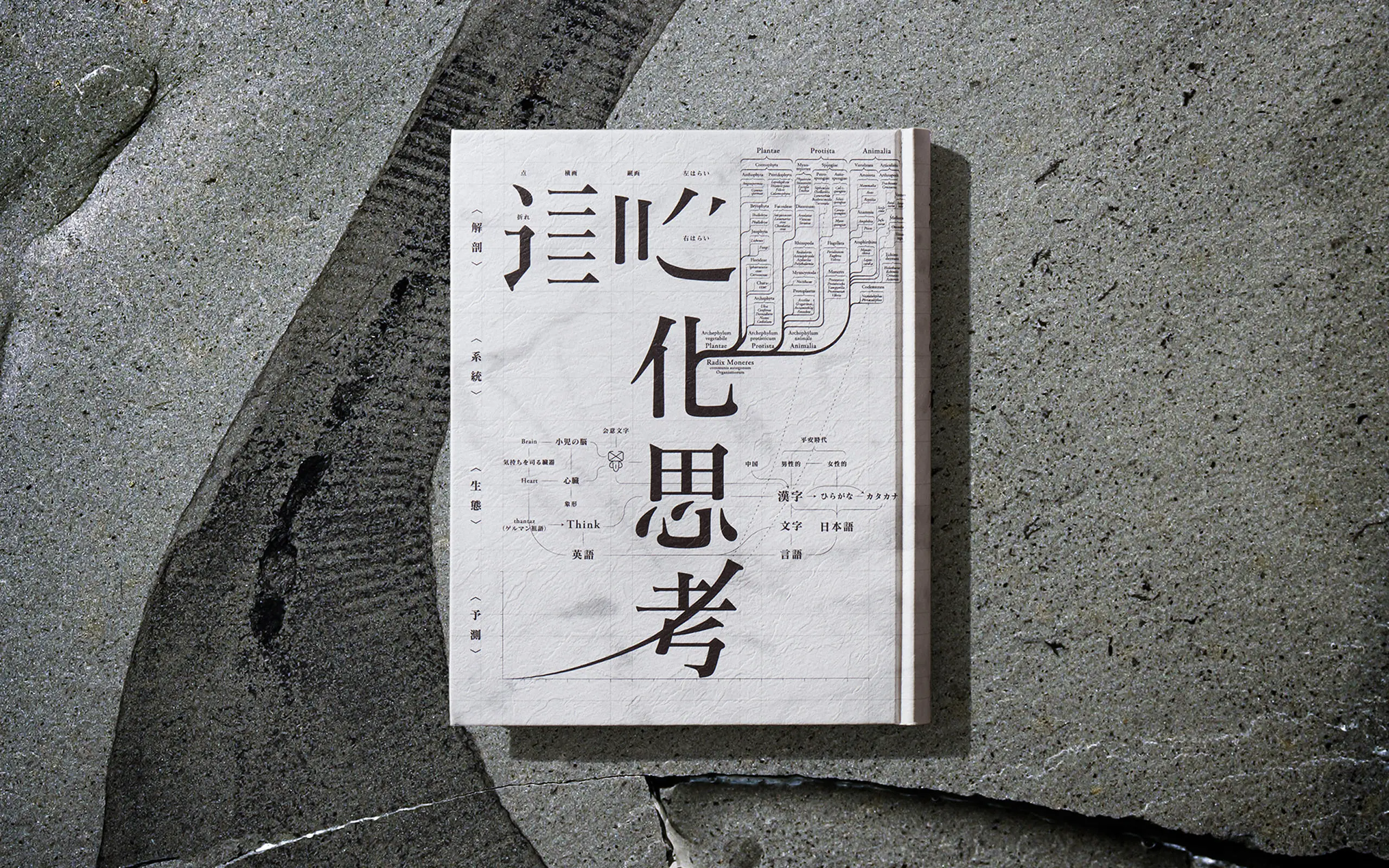
โลโก้หัวข้อหนังสือแสดงอักษรคันจิสี่ตัว (進 化 思 考) ในการเปลี่ยนแปลงตามรูปแบบการกลายพันธุ์ของ Evolutional Creativity คือ Proliferate, Assimilate, Reverse และ Variate เมื่อถอดปกกระดาษออก ปกหนังสือจะแสดงอักษรคันจิสี่ตัวเดียวกันเป็นการนำเสนอภาพของแนวคิดทั้งสี่ของการเรียนรู้เชิงพื้นที่-เวลา: Anatomy, Lineage, Ecosystem และ Prediction
โลโก้ที่พิมพ์อาจดูเป็นสีดำเมื่อมองจากด้านบนตรงๆ แต่จะปรากฏเป็นสีน้ำตาลเมื่อมองจากมุม เอฟเฟกต์นี้สร้างขึ้นโดยใช้ฟอยล์ปั๊มร้อน "สีน้ำตาลกาแฟ" ของบริษัท Murata Kimpaku และออกแบบให้ดูเหมือนอัญมณีที่ส่องแสงแวววาวฝังอยู่ในหินอ่อน

เนื่องจาก Tachikawa เป็นทั้งนักออกแบบหนังสือและผู้เขียน เขาจึงสามารถออกแบบการจัดเรียงตัวอักษรของเนื้อหาหลักได้อย่างมีประสิทธิภาพโดยใช้ข้อความที่ห่อรอบเพื่อรวมภาพประกอบเข้ากับข้อความ ดัชนีของหนังสือยังมีลวดลายหินอ่อนเพื่อให้ง่ายต่อการค้นหาหัวข้อและอ่านข้อความซ้ำ
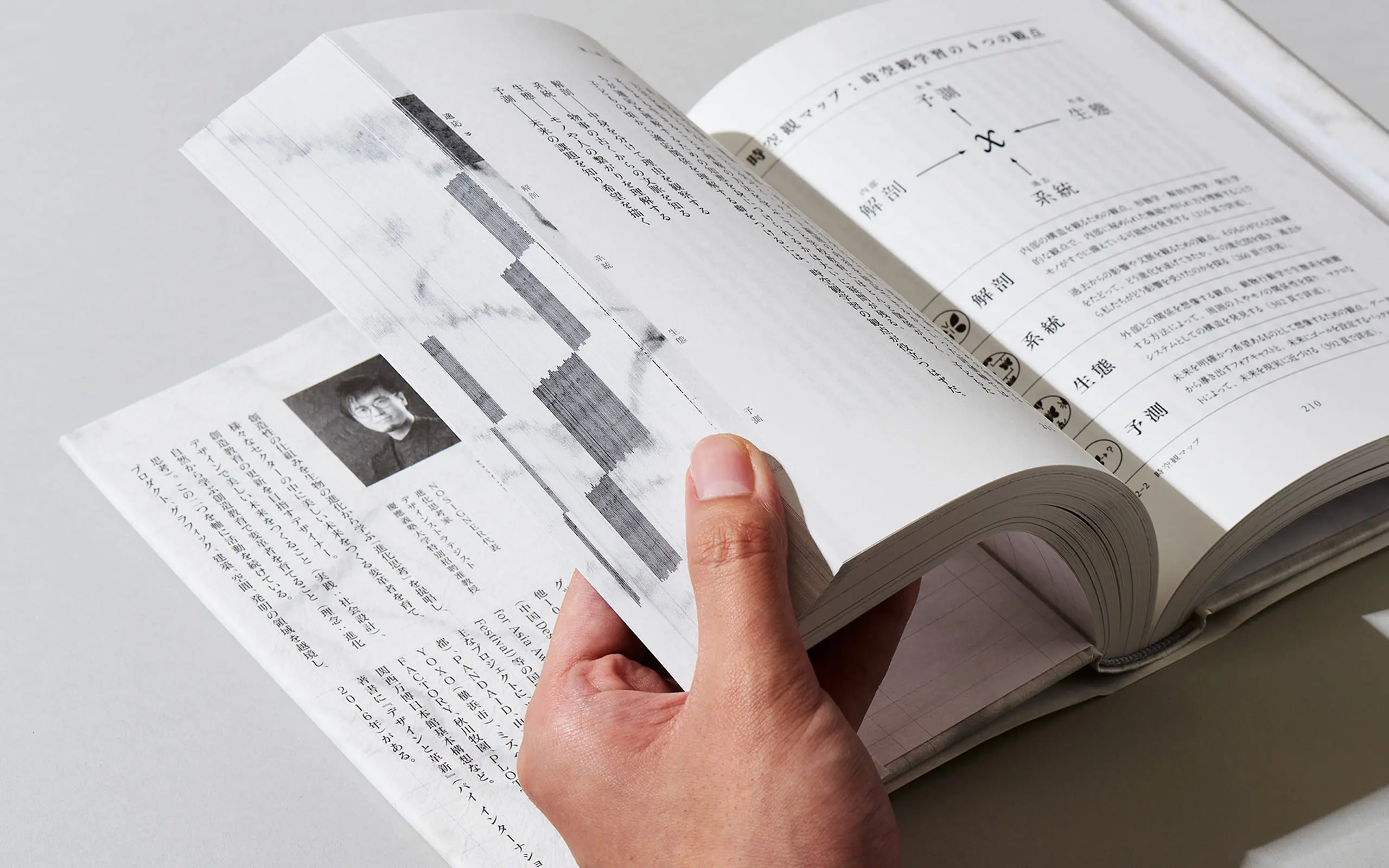
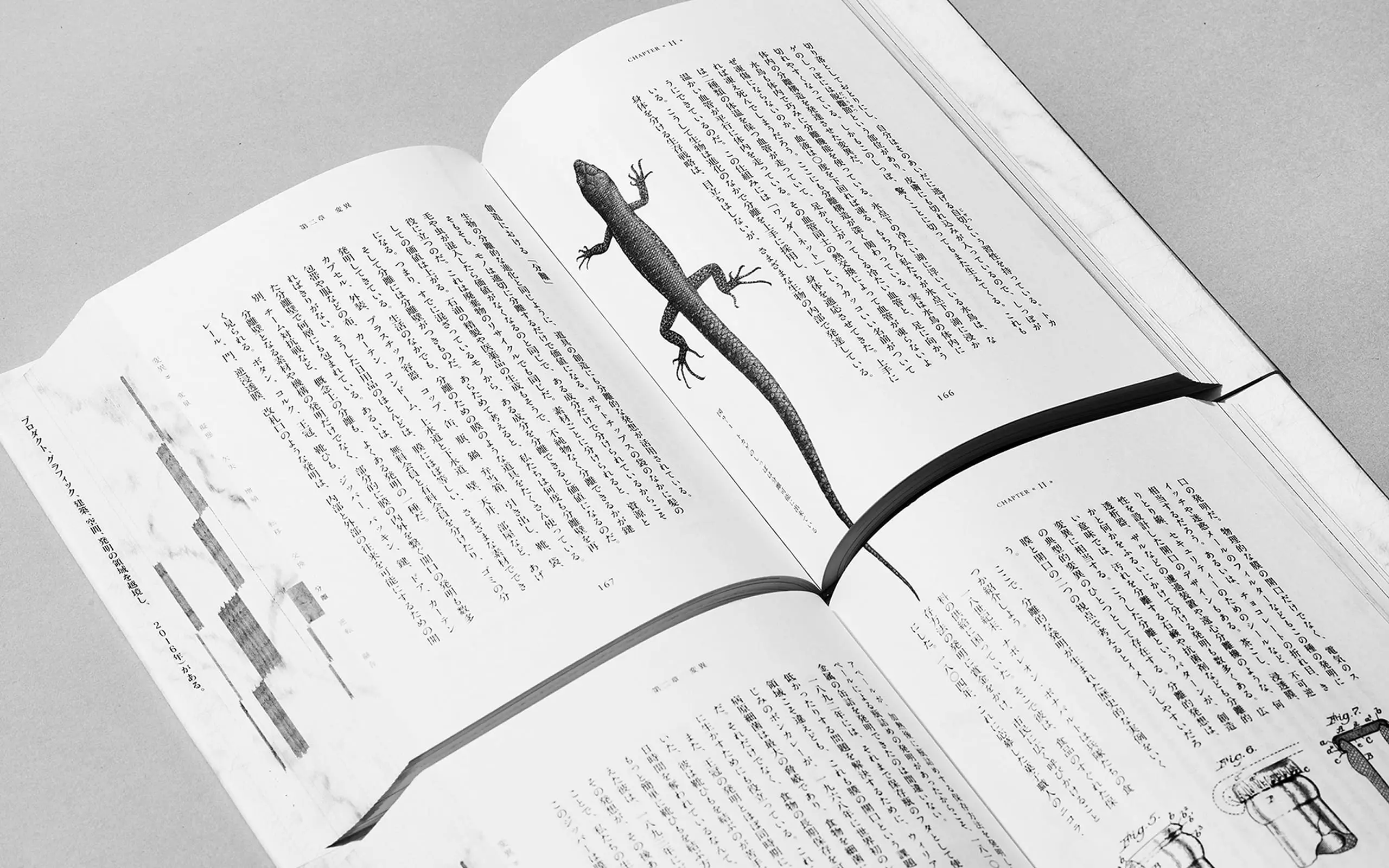
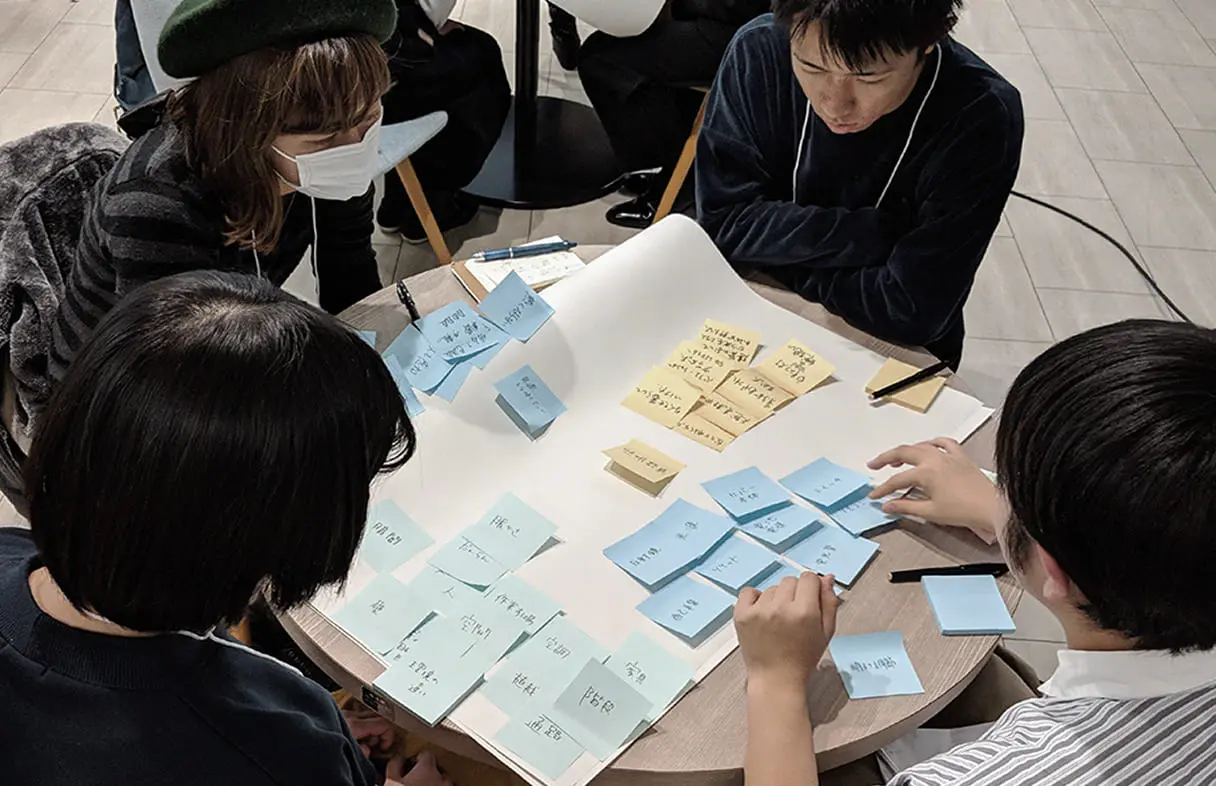
การใช้ประโยชน์จากข้อเท็จจริงที่ว่าหนังสือเล่มนี้เกิดจากการประชุมเชิงปฏิบัติการด้านความคิดสร้างสรรค์ในบริษัทและมหาวิทยาลัย จึงรวมการประชุมเชิงปฏิบัติการ 50 ครั้งที่ส่งเสริมการคิดเชิงสร้างสรรค์ แทนที่จะเป็นเพียงตำราที่อ่านอย่างเดียว คุณยังสามารถลองนำความคิดสร้างสรรค์ของคุณไปปฏิบัติได้จริง แม้ว่าหนังสือจะมีความยาวกว่า 500 หน้า แต่ก็อ่านง่ายและใช้งานสะดวก สามารถใช้เป็นหนังสืออ้างอิงหรือสารานุกรมที่ใช้ค้นหาหัวข้อเรื่อง "ความคิดสร้างสรรค์" และ "วิวัฒนาการทางชีววิทยา" ได้บ่อยๆ
WHY
ความคิดสร้างสรรค์เป็นสิ่งที่จำกัดเฉพาะผู้ที่มีพรสวรรค์หรือไม่?
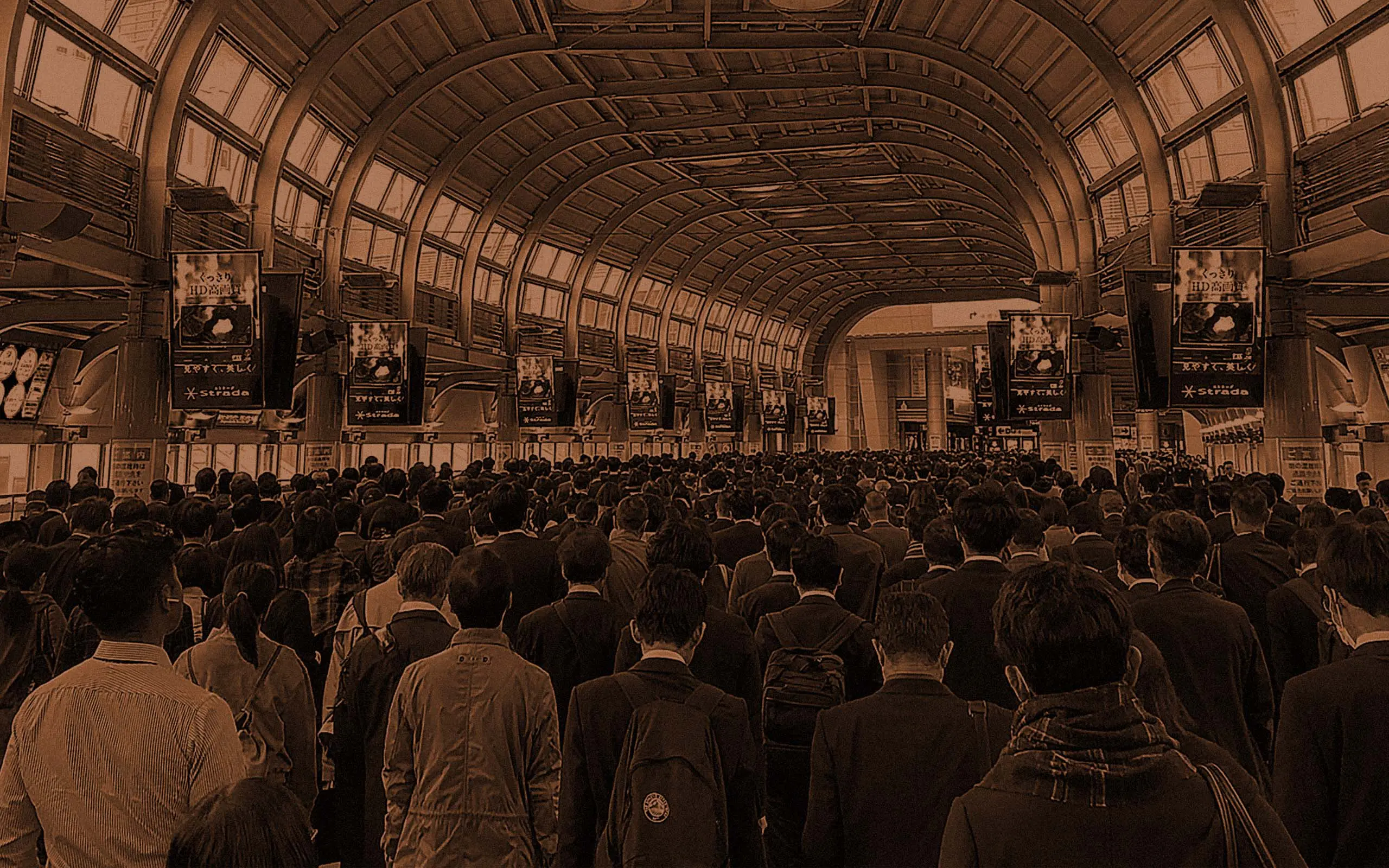
ในการแสวงหาสิ่งที่เราต้องการ เราในฐานะมนุษย์ได้กลายเป็นผู้สร้างสรรค์และคิดค้นเครื่องมือต่างๆ ซึ่งมีส่วนทำให้อารยธรรมของเราพัฒนาขึ้น แม้ว่าความคิดสร้างสรรค์จะมีความสำคัญ แต่โดยทั่วไปแล้วมักถูกมองว่าเป็นความสามารถที่มีมาแต่กำเนิดและต้องใช้พรสวรรค์ธรรมชาติในการนำออกมา ความคิดสร้างสรรค์เป็นสิ่งที่คุณไม่สามารถเรียนรู้ได้หรือไม่?
"ปัญญาผลึกและปัญญาไหล" โดย Raymond Cattell

สถานะของเป้าหมาย SDG แต่ละรายการ ณ จุดกึ่งกลางของวาระปี 2030

แผนภูมิของนักเรียนญี่ปุ่นที่คิดว่าตนเองมีความคิดสร้างสรรค์

มีผู้คนนับไม่ถ้วนที่คิดว่าตนไม่มีความสามารถด้านความคิดสร้างสรรค์เพราะวาดรูปไม่เก่งในชั้นเรียนศิลปะ เป็นต้น การสำรวจที่น่าผิดหวังพบว่ามีนักศึกษามหาวิทยาลัยในญี่ปุ่นเพียงแปดเปอร์เซ็นต์เท่านั้นที่คิดว่าตนมีความคิดสร้างสรรค์
เราเข้าใจความคิดสร้างสรรค์อย่างถ่องแท้จริงหรือไม่? เมื่อเราคิดดู เราอาจตระหนักได้ว่าเรารู้น้อยมากเกี่ยวกับการทำงานของความคิดสร้างสรรค์และวิธีการฝึกฝนเพื่อพัฒนามัน หากเราสามารถเข้าใจกลไกภายในของความคิดสร้างสรรค์ เราอาจสามารถเรียนรู้มันได้
ในปีที่ผ่านมา โรงเรียนได้เริ่มคิดเกี่ยวกับการมีส่วนร่วมอย่างแข็งขันของนักเรียน เช่น การเรียนรู้เชิงรุก และการเรียนรู้แบบสืบเสาะหาความรู้ เพื่อส่งเสริมความคิดสร้างสรรค์และจิตใจที่ชอบค้นคว้าซึ่งไม่ถูกจำกัดด้วยกรอบแบบเดิมของวิชาเรียน แม้แต่ในโลกธุรกิจ วิธีการคิดที่กระตุ้นความคิดสร้างสรรค์ก็ได้รับความสนใจมากขึ้น
หากเรามีผู้คนมากขึ้นที่เริ่มต้นโครงการสร้างสรรค์ มันจะนำไปสู่สังคมที่ยั่งยืนมากขึ้นและการแก้ไขปัญหาสังคมต่างๆ อย่างเป็นรากฐาน เพื่อจุดประสงค์นี้ เราจำเป็นต้องเข้าใจความคิดสร้างสรรค์ในตัวมันเอง และสร้างทฤษฎีและโปรแกรมการศึกษาเพื่อเรียนรู้เกี่ยวกับความคิดสร้างสรรค์อย่างเป็นระบบ
WILL
การปรับปรุงการสอนเชิงสร้างสรรค์และการเอาชนะโลกที่ไม่ยั่งยืน
Evolutional Creativity ได้รับการยอมรับและการรับรองอย่างกว้างขวางในฐานะวิธีการนวัตกรรมที่ทรงพลังที่สุดในโลก โดยได้รับการนำไปใช้โดยบริษัทญี่ปุ่นชั้นนำและสถาบันการศึกษา เช่น Panasonic, Fujitsu, Sumitomo House และ Keio University วิธีการนี้ถูกรวมไว้เป็นคำถามในการสอบเข้ามหาวิทยาลัยวิชาภาษาแม่ที่ Doshisha University ด้วยซ้ำ เมื่อบุคคลต่าง ๆ นำการคิดสร้างสรรค์นี้มาใช้และสร้างโครงการเปลี่ยนแปลงเพื่อความยั่งยืนมากขึ้นเรื่อย ๆ ความครอบคลุมของ Evolutional Creativity ก็ยังคงขยายต่อไป แม้แต่ผู้เชี่ยวชาญด้าน AI ชั้นนำของญี่ปุ่นก็นำหลักการของ Evolutional Creativity มาผสมผสานในงานของพวกเขา และได้มีการจัดเวิร์กช็อปที่ใช้วิธีการนี้ในนิทรรศการสิ่งแวดล้อมสัตว์ที่สวนสัตว์ที่ใหญ่ที่สุดของประเทศ Evolutional Creativity กำลังทยอยเข้าสู่สาขาต่าง ๆ อย่างกว้างขวาง และผลกระทบของมันจะยังคงเติบโตต่อไป
แม้จะมีความสำเร็จและการรับรองในระยะแรกของ Evolutional Creativity แต่การนำโครงการการศึกษาเชิงสร้างสรรค์ที่แท้จริงที่ได้รับแรงบันดาลใจจากกฎของธรรมชาติมาใช้ยังอยู่ในระยะเริ่มต้น
เมื่อมนุษยชาติยังคงก้าวหน้าผ่านเทคโนโลยี เราก็กำลังเผชิญกับผลที่ตามมาของการเปลี่ยนแปลงอย่างรุนแรงต่อธรณีวิทยาและสภาพอากาศ รวมถึงการสลายตัวของระบบนิเวศ เราได้เข้าสู่ "Anthropocene" ซึ่งเป็นยุคทางธรณีวิทยาที่กิจกรรมของมนุษย์มีผลกระทบอย่างลึกซึ้งต่อโลก เมื่ออารยธรรมของเราได้ผ่าน "ขอบเขตดาวเคราะห์" ซึ่งเป็นจุดที่การเปลี่ยนแปลงสิ่งแวดล้อมที่ไม่สามารถย้อนกลับได้และเกิดขึ้นอย่างกะทันหันกลายเป็นความเป็นไปได้ที่แท้จริง เวลาจึงเป็นสิ่งสำคัญ จำเป็นอย่างยิ่งที่เราจะต้องนำวิธีการศึกษาที่นวัตกรรมและมีประสิทธิภาพ เช่น Evolutional Creativity มาใช้เพื่อให้แน่ใจถึงการอยู่รอดของเราและปูทางสู่อนาคตที่ยั่งยืน


ความคิดสร้างสรรค์ที่จำกัดของมนุษยชาติได้นำไปสู่วิกฤตการล่มสลายของอารยธรรม แต่ความคิดสร้างสรรค์ของเรายังคงเป็นหนทางเดียวที่จะอยู่รอดบนโลกใบนี้ได้ การที่เราจะเข้าใจแก่นแท้ของความคิดสร้างสรรค์และใช้ประโยชน์จากมันอย่างเต็มศักยภาพในการแก้ไขปัญหาต่างๆ และสร้างสังคมที่ยั่งยืนนั้นเป็นสิ่งสำคัญ ตอนนี้ถึงเวลาแล้วที่เราจะต้องเจาะลึกความเข้าใจเกี่ยวกับความคิดสร้างสรรค์และนำไปใช้กับการแก้ปัญหาที่ส่งเสริมการอยู่ร่วมกันระหว่างมนุษย์และสิ่งแวดล้อม
ฟรีดริช เฟรอเบล ผู้บุกเบิกการศึกษาเด็กปฐมวัยที่รุ่งเรืองในศตวรรษที่ 19 ได้วางรากฐานของการศึกษาความคิดสร้างสรรค์โดยได้แรงบันดาลใจจากวิทยาศาสตร์ธรรมชาติ และมีอิทธิพลอย่างมากต่อการเคลื่อนไหวในภายหลัง เช่น บาวเฮาส์ อย่างไรก็ตาม แม้จะมีผลงานที่ก้าวล้ำของเฟรอเบลและบาวเฮาส์ การศึกษาความคิดสร้างสรรค์ยังคงไม่เปลี่ยนแปลงมากนักในช่วงศตวรรษที่ผ่านมา เป้าหมายของเราคือการพัฒนาและฟื้นฟูสาขาการศึกษานี้ให้ทันต่อความต้องการที่เปลี่ยนแปลงไปเรื่อยๆ ของสังคมและสิ่งแวดล้อม
เราเชื่อว่าการปรับปรุงการศึกษาความคิดสร้างสรรค์ผ่านมุมมองของ Evolutional Creativity จะช่วยให้แต่ละบุคคลสามารถรับมือกับประเด็นสังคมที่เร่งด่วนในยุคของเราอย่างสร้างสรรค์ และเพิ่มความคิดสร้างสรรค์ของแต่ละคนในทุกชุมชนให้สูงสุด การให้เครื่องมือแก่บุคคลในการคิดและปฏิบัติในวิธีใหม่และนวัตกรรม เราสามารถทำงานเพื่อแก้ไขความท้าทายอันยิ่งใหญ่ที่มนุษยชาติเผชิญและสร้างอนาคตที่ดีกว่าสำหรับทุกคน
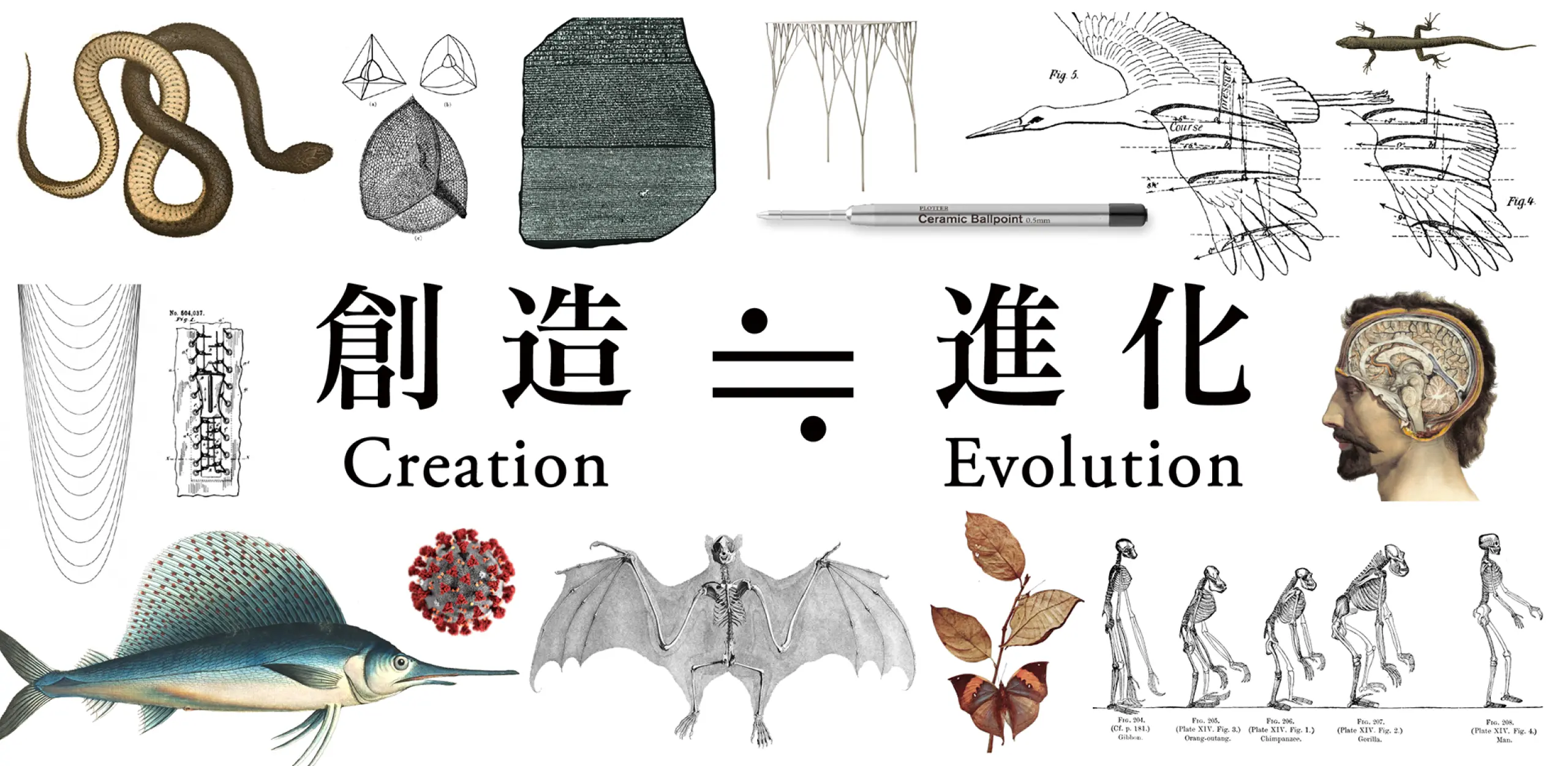

หนังสือ " Evolutional Creativity " ได้รับการจัดอันดับอันดับที่ 1 ในหมวดหมู่หนังสือธุรกิจและเศรษฐศาสตร์ของ Amazon หลังจากเปิดให้สั่งจองเป็นเวลาไม่นาน และได้รับการพิมพ์เพิ่มอย่างรวดเร็วก่อนวันจำหน่าย วิธีคิดแบบใหม่นี้คืออะไรกันแน่ที่ปลุกให้ความคิดสร้างสรรค์ที่หลับใหลอยู่ในตัวทุกคนตื่นขึ้นมา?
เว็บไซต์ที่เกี่ยวข้อง /
The Evolution of “Evolutional Creativity” (Updated November 2025)
November 2025: Keynote Speech at the 9th Leadership Summit 2025 in Bangladesh
Eisuke Tachikawa took the stage as a keynote speaker at the “Leadership Summit 2025” held in Bangladesh. Held under the theme “Resilient Leadership – Thriving Amid Uncertainty,” this international conference explored the sustainable and ethical leadership required in a rapidly changing society. Tachikawa delivered a speech on the nature of leadership in addressing social issues and environmental changes from the perspective of Evolutional Creativity.
November 2025: Online Presentation at the 12th Anniversary Commemoration of Typhoon Yolanda
Marking the 12th anniversary of Typhoon Yolanda—which caused some of the worst damage ever recorded in the Philippines—Eisuke Tachikawa spoke at a commemorative event held at Eastern Visayas State University. He delivered an online lecture on “Evolutional Creativity” to approximately 400 participants, sharing creative perspectives on how to confront disasters.
November 2025: Delivered a Special Lecture to Graduate Students at Minerva University
At Minerva University—known for its unique educational model that involves learning while moving between seven cities worldwide and having been selected as “the world’s most innovative university”—Eisuke Tachikawa delivered a special lecture on “Evolutional Creativity” to approximately 20 graduate students majoring in “Decision Science.” Students from diverse backgrounds, including current politicians and corporate leaders, visited the Yokohama studio of NOSIGNER—the firm led by Tachikawa—and the lecture lasted three hours due to a lively Q&A session.
October 2025: Presentation at the “Cities of Design Subnetwork Meeting” Conference Hosted by the UNESCO Creative Cities Network (UCCN)
Eisuke Tachikawa spoke at the “Cities of Design Subnetwork Meeting” hosted by the UNESCO Creative Cities Network (UCCN)—which aims to harness culture and creativity for sustainable urban development—at the Bandung Institute of Technology. He participated in a panel discussion themed “Creative City 2.0,” exchanging views on approaches to creativity based on “Evolutional Creativity” and the future of cities adapting to climate change.
September 2025: Keynote Speech at the International Design Conference (IDC) 2025 in the Philippines
Eisuke Tachikawa delivered a keynote speech at the International Design Conference (IDC) 2025, organized by the Design Center of the Philippines, the government agency responsible for promoting design in the Philippines. Invited as a keynote speaker to the conference, which featured a diverse lineup of speakers including consultants, designers, researchers, and business executives under the theme “Holding the Whole,” he delivered a keynote address on creativity education based on “Evolutional Creativity” and the ideal form of cities adapting to climate change.
July 2025: Received the Highest Academic Award from Bandung Institute of Technology
He was awarded the “GANESA WIDYA JASA ADIUTAMA Award,” the highest academic honor bestowed by the Bandung Institute of Technology (ITB) in Indonesia for outstanding contributions to knowledge and education. This prestigious award is granted to only two individuals following a rigorous selection process from candidates nominated by each faculty; he was selected based on a nomination from the Faculty of Art and Design (FSRD).
November 2024: Publication of the Indonesian Edition of *Evolutional Creativity*
The Indonesian edition of the book *Evolutional Creativity* was published by the Indonesian publishing house “SiMPUL” under the supervision of the Bandung Institute of Technology (ITB), one of Indonesia’s leading universities.
Additionally, to commemorate the book’s publication, an exhibition and commemorative lecture were held at the ITB Design Center, and an exhibition and workshop were also held at the Jakarta art space “
April 2024: 3rd Anniversary of the Publication of “Evolutional Creativity”
“Evolutional Creativity,” systematized by its proponent, Eisuke Tachikawa, after years of exploration, has continued to evolve even today, having received a wide range of feedback—including support, encouragement, criticism, and suggestions—from many people since the first edition of the book was published.
Furthermore, a reader community formed by over 100 enthusiastic readers remains actively engaged, and the principles of Evolutional Creativity are being put to practical use in the work and daily lives of its practitioners.
March 2024: Lecture at the Ministry of Economy, Trade and Industry for Stanford Business School Students
Tachikawa delivered a lecture on Japanese design and Evolutional Creativity to approximately 30 students and faculty members from Stanford Graduate School of Business at the Ministry of Economy, Trade and Industry. This lecture was part of the school’s study tour to Japan, a program designed to explore the relationship between Japan’s rapid economic growth and design, as well as the current state of startups.
December 2023: Publication of *Evolutional Creativity [Expanded and Revised Edition]*
With biological supervision provided by evolutionary biologist Masaki Kawata (Professor by Special Appointment to the President at Tohoku University),
October 2023: Paper Presentation at the World Design Assembly International Conference
At the
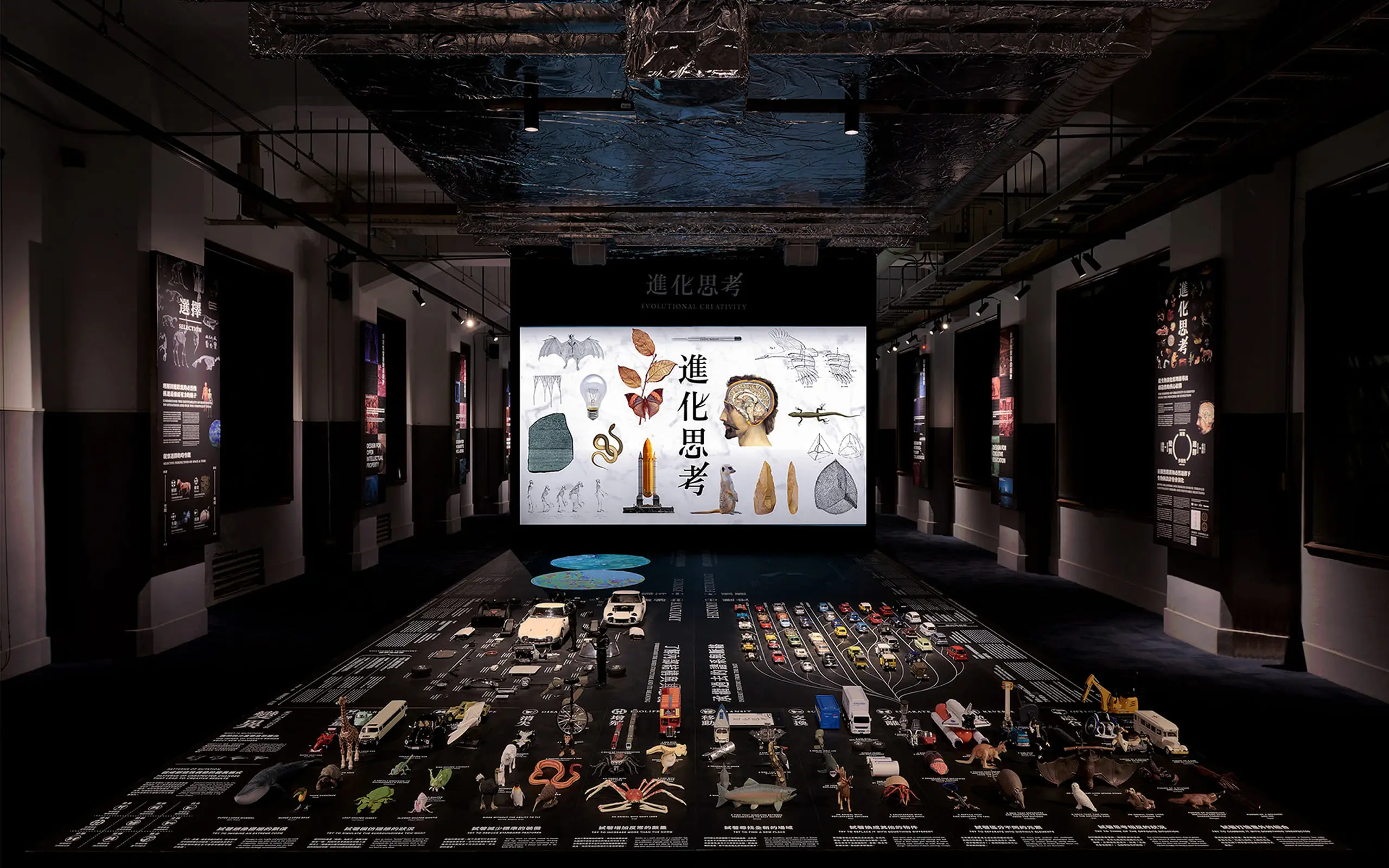
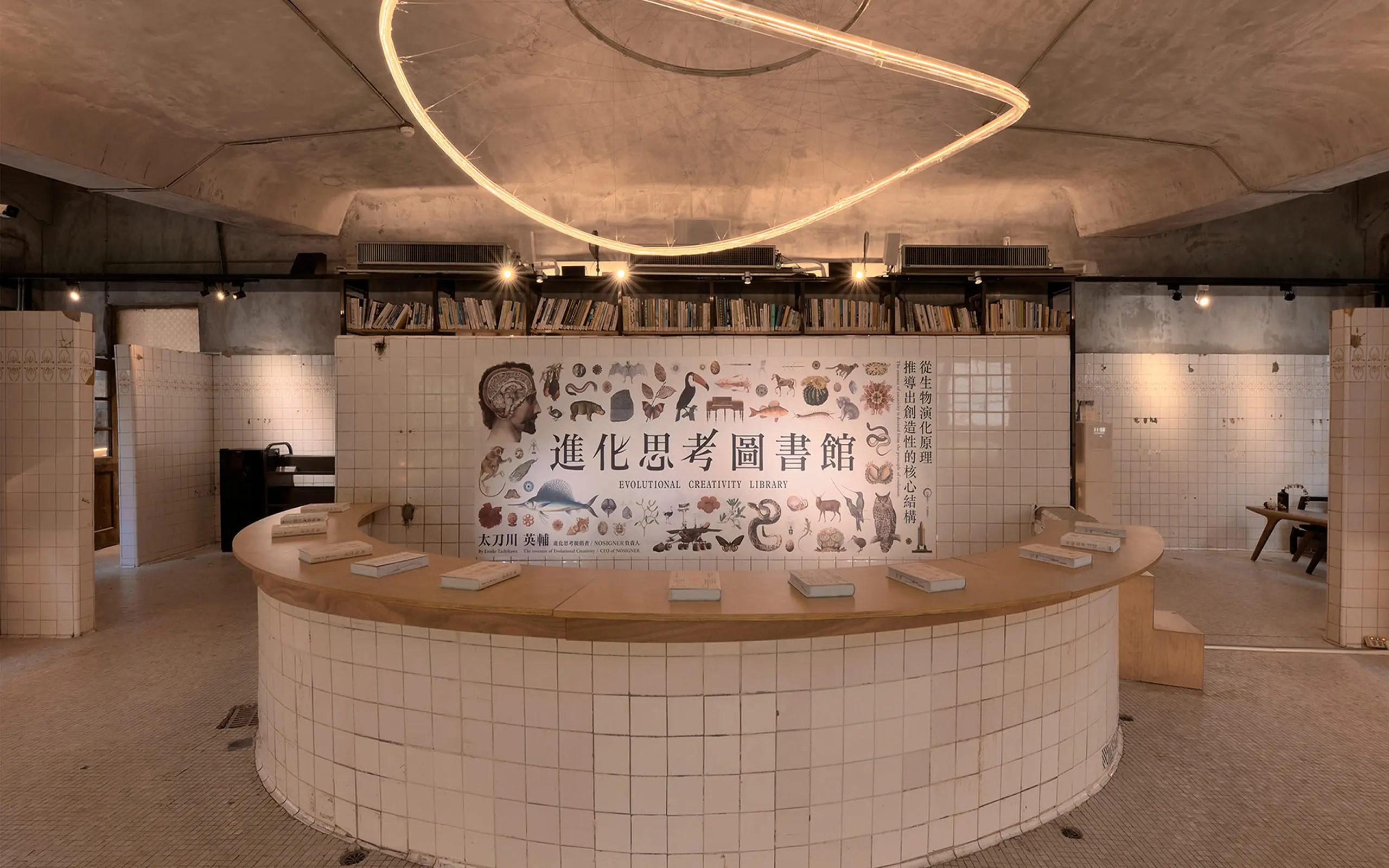
September 2023: Exhibition Held at the Taiwan Design Museum
Coinciding with the publication of the Taiwanese edition of the book *Evolutional Creativity*, an exhibition by NOSIGNER titled
September 2023: Publication of the Taiwanese Edition of “Evolutional Creativity”
Following the Korean edition, the
June 2023: Publication of the Korean Edition of “Evolutional Creativity”
The
May 2023: Presentation at a Conference Hosted by UNESCO-MGIEP
Tachikawa was invited to speak at the conference “Education for Flourishing in a Mixed Reality,” organized by UNESCO-MGIEP (the United Nations Educational, Scientific and Cultural Organization’s Mahatma Gandhi Institute of Education for Peace and Sustainable Development), which brought together renowned scholars, researchers, teachers, policymakers, and representatives from the private sector from around the world. He delivered a presentation on “Evolutional Creativity” during the “Design Thinking and Creativity in Education” session. This conference was also the first international conference based on the Sustainable Flourishing Goals.
March 2023, August 2023: Lecture at the Bandung Institute of Technology (ITB), Indonesia
Tachikawa delivered a lecture on Evolutional Creativity at the Bandung Institute of Technology (ITB), Indonesia’s premier institution of higher learning. Due to the positive reception of this content, it was decided to publish an Indonesian-language edition of “Evolutional Creativity.” Following the
March 2023: Chaired the “Thinking About the Future of Higher Education” Forum
Eisuke Tachikawa served as chair of the “Thinking About the Future of Higher Education” forum, organized by the Benesse Educational Research Institute, where members engaged in cutting-edge educational practices discussed the future of university education. After four rounds of roundtable discussions with committee members, a proposal outlining a vision for university education that envisions a hopeful future was compiled. Under the new educational guiding principle, “
November 2022: Received the “Shu Yamaguchi Award” at the Pen Creator Awards
Eisuke Tachikawa received the “Shu Yamaguchi Award” at the “
November 2022: Appeared in an NHK program for a dialogue with anatomist Takeshi Yoro
He appeared alongside anatomist Takeshi Yoro on the popular NHK program “Switch Interview,” in which two people working in different fields visit each other’s workplaces and conduct a dialogue while “switching” between the roles of speaker and listener. In the second part of the program, I invited Dr. Yoro—who has spent nearly 60 years since his student days exploring “the forms of living things”—to the NOSIGNER studio. While introducing the concept of “Evolutional Creativity,” I spoke about my work as a designer who has pursued form through various approaches.
June 2022: Project to Launch Revised Edition of
A project to publish a revised edition has begun, aiming to further refine the book as a method of creative thinking and accurately incorporate scientific insights. For this revision, we invited Professor Masaki Kawata, a professor on special assignment to the President at Tohoku University and an expert in evolution and ecology, to serve as supervising editor, accompanying the evolution of the “Evolutional Creativity” book. A new book by Professor Kawata explaining evolutionary biology was recently published, so please take a look at that as well.
For the author as well, this was an invaluable opportunity to deeply re-learn evolutionary biology from such a distinguished expert as Professor Kawata.
May 2022: Dialogue with Nobel Laureate Dr. Akira Yoshino
At an event commemorating Asahi Kasei’s 100th anniversary, I had the honor of engaging in a dialogue with Dr. Akira Yoshino (Asahi Kasei Honorary Fellow), the inventor of the lithium-ion battery and Nobel Laureate in Chemistry. The video of Tachikawa’s lecture on “Evolutional Creativity” and his dialogue with Dr. Yoshino was streamed to approximately 40,000 Asahi Kasei Group employees. This event not only fulfilled Tachikawa’s long-held wish to engage in a dialogue with Dr. Yoshino but also served as an opportunity to convey the message to everyone at Asahi Kasei that “it is the ‘curiosity’ and ‘knowledge’ of each individual that enriches imagination and shapes the next 100 years.”
March 2022: Appeared on NHK E-Tele’s “Night of Radical Modifications: Engineer Training School”
Eisuke Tachikawa appeared as a “Design (Creation) Instructor” on NHK E-Tele’s popular program “Night of Radical Modifications: Engineer Training School.” With the theme of “Magic Modification of a Blender,” he led a brainstorming workshop to create a “blender that shoots juice far away,” introducing the nine “mutation” patterns from “Evolutional Creativity” as hints for generating ideas.
February 2022: Received a Special Award at the “IT Engineer Book Awards 2022”
In the business book category of the
2022–2023: Adopted in School Entrance Exam Questions
Excerpts from *Evolutional Creativity* were adopted as material for entrance exams at several schools, including as a topic for the Japanese language entrance exam at Doshisha University.
November 2021: Winner of the Yamamoto Shichihei Prize
We received the
While “Evolutional Creativity” has garnered attention as a method for fostering innovators and driving innovation, winning this prestigious Japanese academic award—whose selection committee includes anatomist Takeshi Yoro, evolutionary biologist Mariko Hasegawa, economist Motoshige Ito, political scientist Terumasa Nakanishi, and legal scholar Shuji Yagi—has allowed it to gain recognition from an academic perspective as a new way of thinking that unravels creativity from an evolutionary viewpoint.
April 2021: Publication of the book *Evolutional Creativity*
We published this book with the aim of conveying the concepts and methodology of Evolutional Creativity to a wide audience, including the business sector, and encouraging its application to idea generation across all fields, such as business development, design, and art.
Packed with a wealth of photographs and illustrations on biological evolution and human creativity, as well as 50 “Evolutional Creativity Works” that readers can practice while reading, this book—which comprehensively covers the concepts and practical methods of Evolutional Creativity—became a bestseller. The Evolutional Creativity methodology has spread to major corporations and educational institutions and has even been adopted in entrance exams for universities and high schools.
“Evolutional Creativity” is a concept that Tachikawa had been nurturing for many years prior to the book’s publication in 2021. Below is a summary of the journey leading up to the publication of *Evolutional Creativity*.
2021: Collaboration with NHK’s TV Program “The Direxon”
We collaborated on a project for NHK’s TV program
August 2020: “School of Evolution” Launches
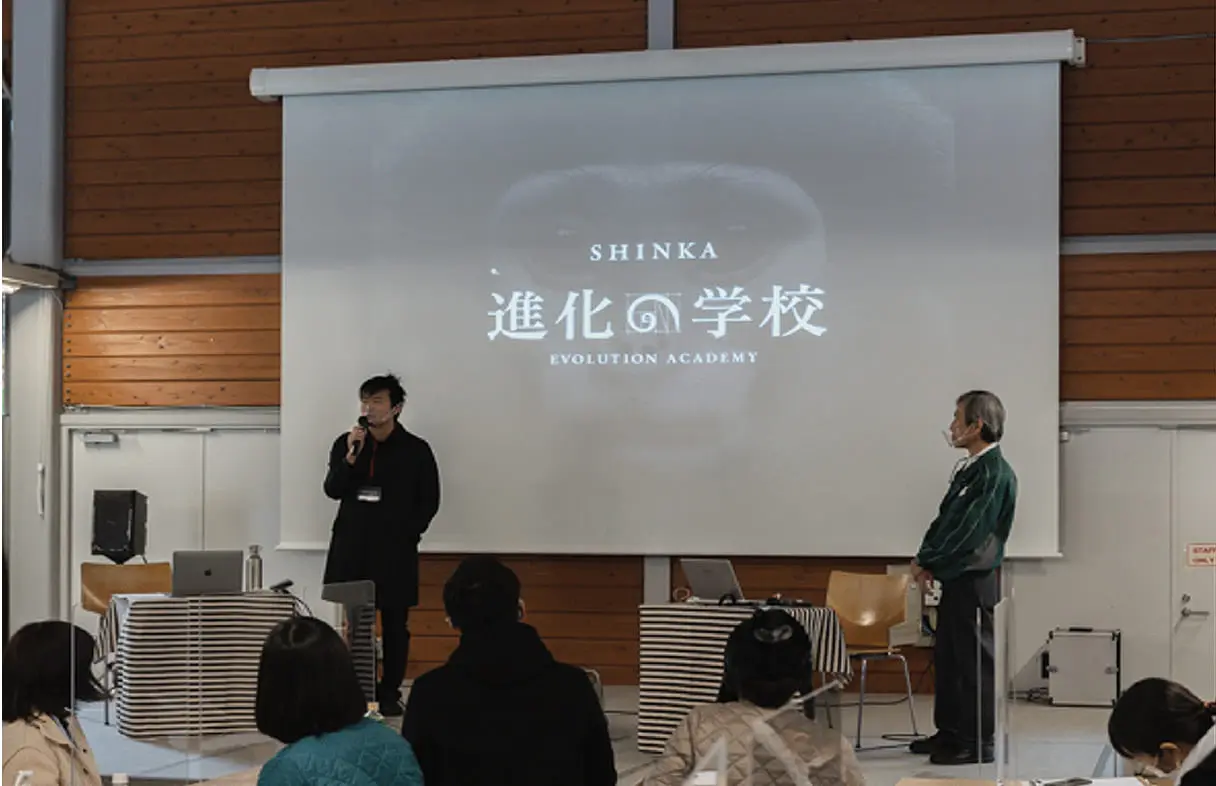
An online course was launched through the voluntary efforts of Takashi Yamada and other members who had studied Evolutional Creativity. The “School of Evolution” began as a course designed to plant the seeds of creativity across various sectors of society. This school is a training program that helps participants refine new ideas for business creation through lectures and workshops on Evolutional Creativity.
The “School of Evolution” has attracted a diverse group of participants, including corporate executives, employees aiming to drive innovation, and school teachers and public servants seeking to engage in creative practice. To date, the program has produced approximately 1,000 graduates.
The program is offered to a wide range of participants, from corporations and organizations to individuals, and is utilized for product development and human resource development. Many graduates continue to meet weekly to explore creativity education through Evolutional Creativity.
2019: Began writing the book *Evolutional Creativity*
After meeting Mr. Abe and Mr. Harada at “Kokuri! Camp,” they decided to launch the publishing house “Ami no Kaze” in Ami Town, Shimane Prefecture. They approached me with the idea of making *Evolutional Creativity* their first book, and thus began a three-year writing process.
September 2018: Paper on “Evolutional Creativity” Published in *DIAMOND Harvard Business Review*
A paper of approximately 10,000 characters summarizing the overview of “Evolutional Creativity” was published in
2018: Launch of the “Evolutional Creativity” Workshop
Having gained many insights through the exhibition, Tachikawa developed “The Grammar of Design” and launched “Evolutional Creativity,” a workshop designed to learn the creative process from biological evolution. At the first workshop held at “Cocri! Camp”—a gathering of leaders and experts from various sectors and fields—he met Takashi Yamada, who would later launch “The School of Evolution”; Yuji Abe, the publisher of *Evolutional Creativity*; and Eiji Harada of Eiji Publishing. Subsequently, the workshop was held at various companies, and “Evolutional Creativity” began to be adopted as an innovation methodology.
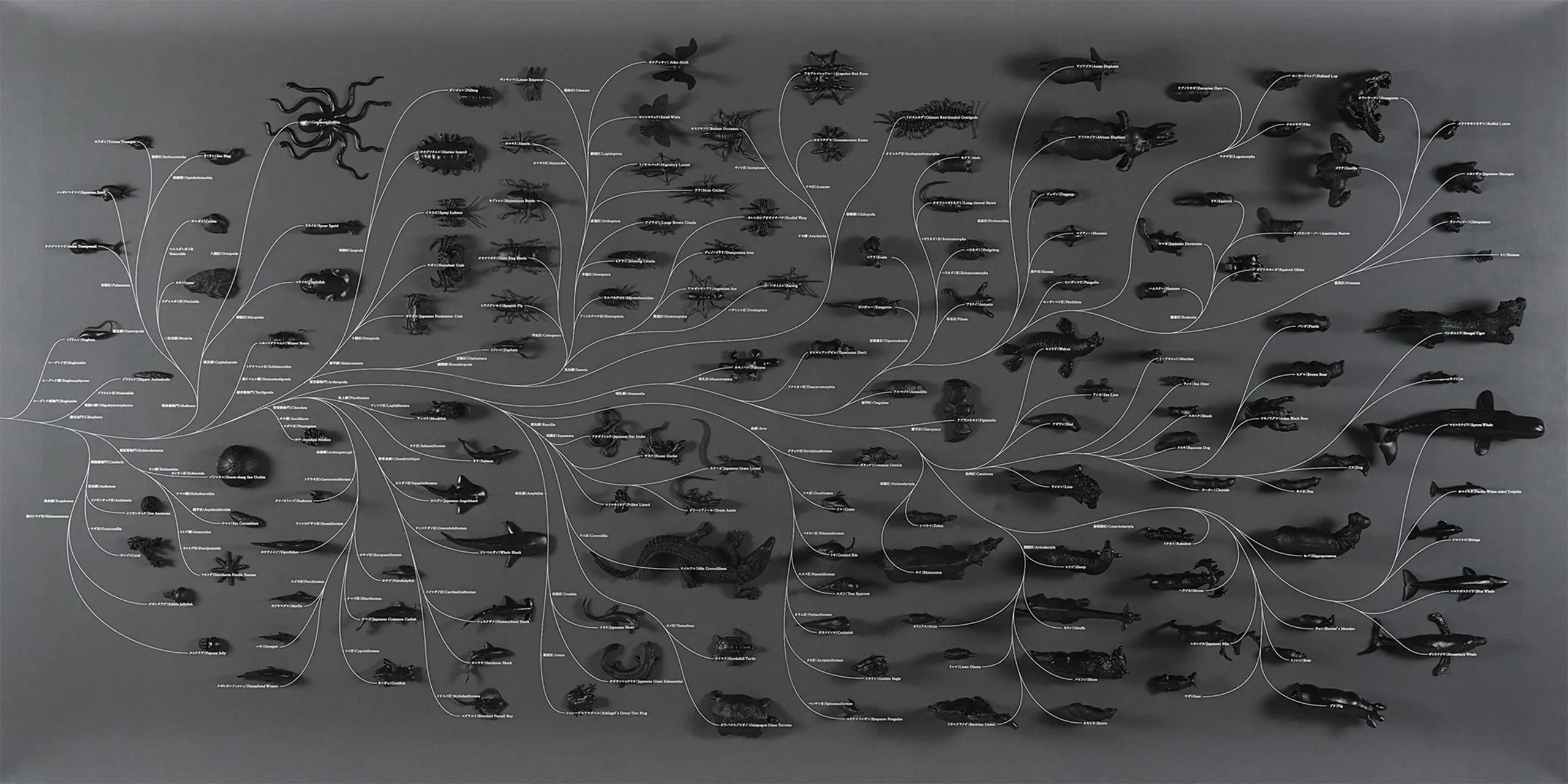
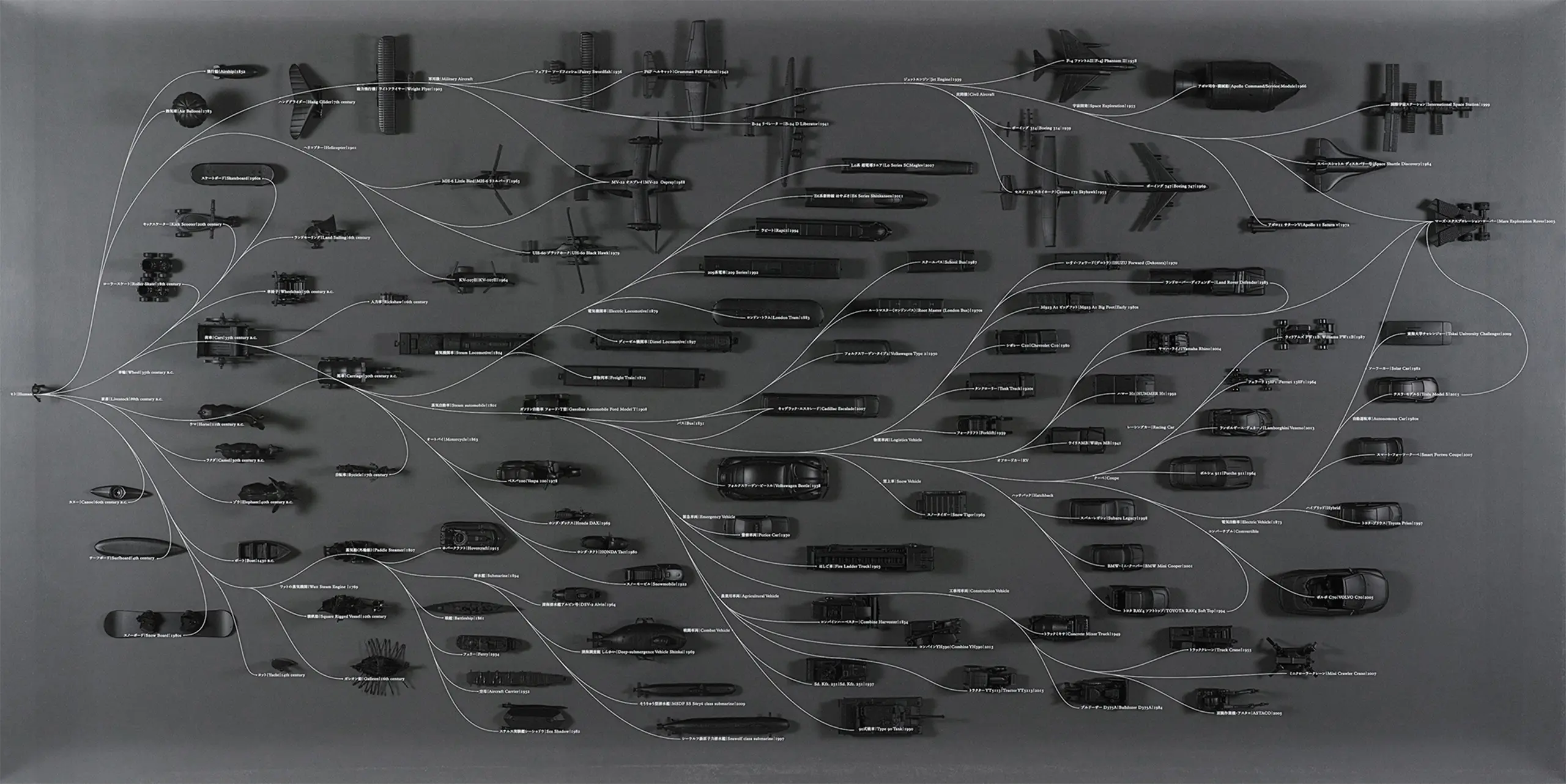
September 16–October 31, 2016: Exhibition “No-Designer: Form and Reason”
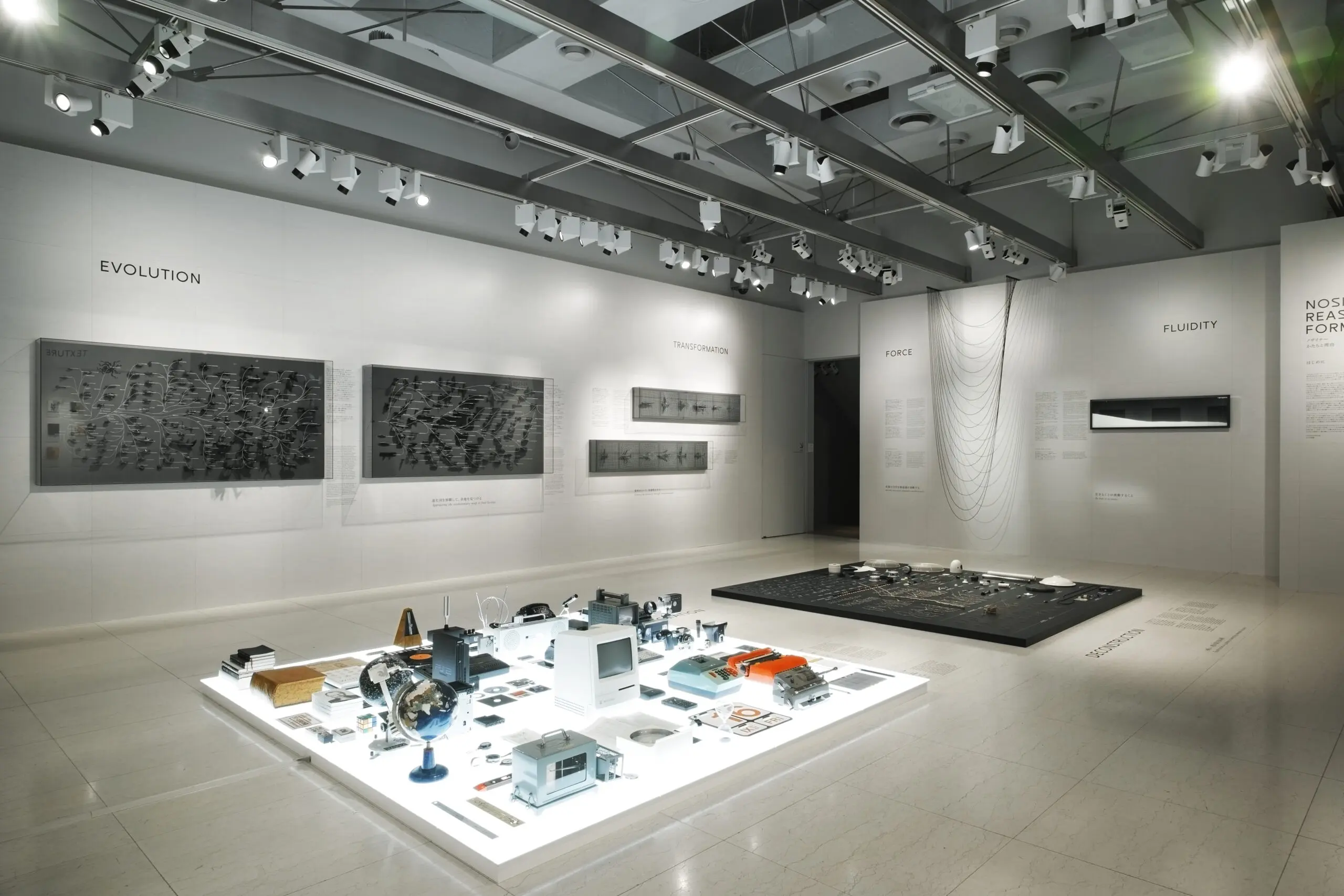
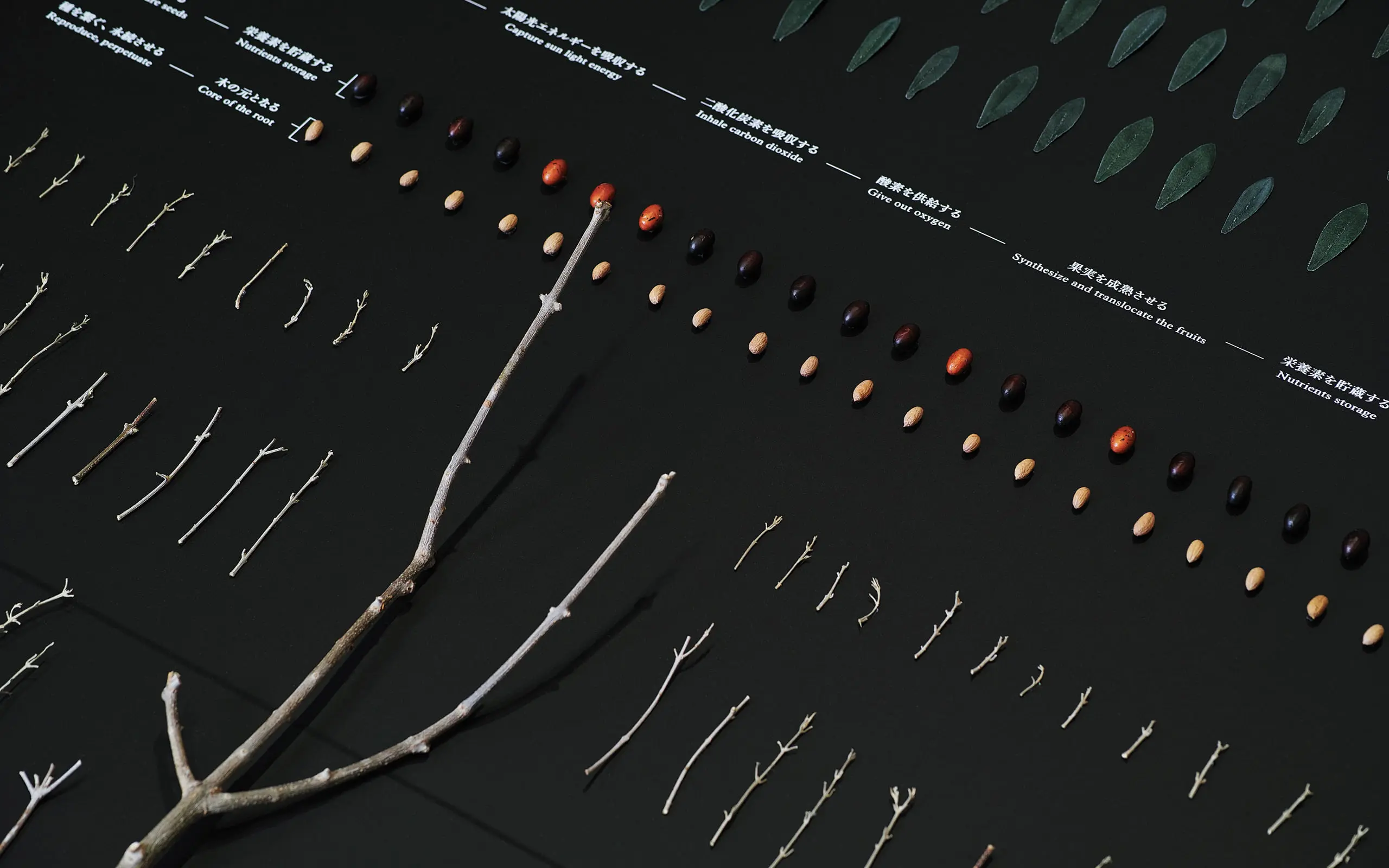
Tachikawa, who had become interested in the creativity of natural forms—which possess no language—that surpasses that of humans, began exploring the commonalities between biological evolution and human creativity. In the exhibition “No-Designer: Form and Reason,” held at the Ginza Graphic Gallery (ggg), he presented works that contrasted evolution and creation, delving into the reasons behind forms and methods for conceiving design.
2012 Began teaching the course “The Grammar of Design”
After entering the workforce and fully committing to his career as a designer, Tachikawa began teaching “The Grammar of Design” at Musashino Art University, a course that expanded upon the content of his master’s thesis. The course, which later expanded to include sessions for working professionals, gained a strong reputation, leading to its adoption at the University of Tokyo’s i.school and its application in innovation initiatives at various companies.
2006: Wrote Master’s Thesis “Linguistic Cognition of Design”
The origins of Evolutional Creativity lie in Tachikawa’s master’s thesis, “Linguistic Cognition of Design,” which he completed while studying architecture as a graduate student. Focusing on the process by which ideas and concepts emerge—a topic he had long been interested in—the thesis examined this process from a linguistic perspective, based on the assumption that language serves as the trigger for inspiration.

INFORMATION
- What
- Evolutional Creativity
- When
- 2016-
- Where
- Japan
- Scope
- Branding / Branding Strategy / Logo / Edition / Business card / Motion logo / Promotional items / Infographics / Photograph / Book cover and inner page design / Exhibition / Poster / Concept Development
- Award
- The 30th Shichihei Yamamoto Prize2021
- ITB GANESHA WIDYA JASA ADIUTAMA2024
- SDGs


CREDIT
- Inventor
- Eisuke Tachikawa
- Thanks
Amanokaze (kazetotuchito Inc. ),Eiji Press Inc. , NOSIGNER staffs,Ginza Graphic Gallery , Yuichi Hisatsugu, Kunihiko Sato