PROJECT
EVOLUTIONAIRE CREATIVITEIT
Creatieve methodologie gebaseerd op biologische evolutie. Gebruikt door 70+ bedrijven en universiteiten, winnaar van de Yamamoto Shichihei Prijs. Vertaald in het Chinees, Koreaans, Indonesisch, wereldwijd verspreid.
HOW
Systematisering van creativiteitsonderwijs met behulp van biologische evolutie.
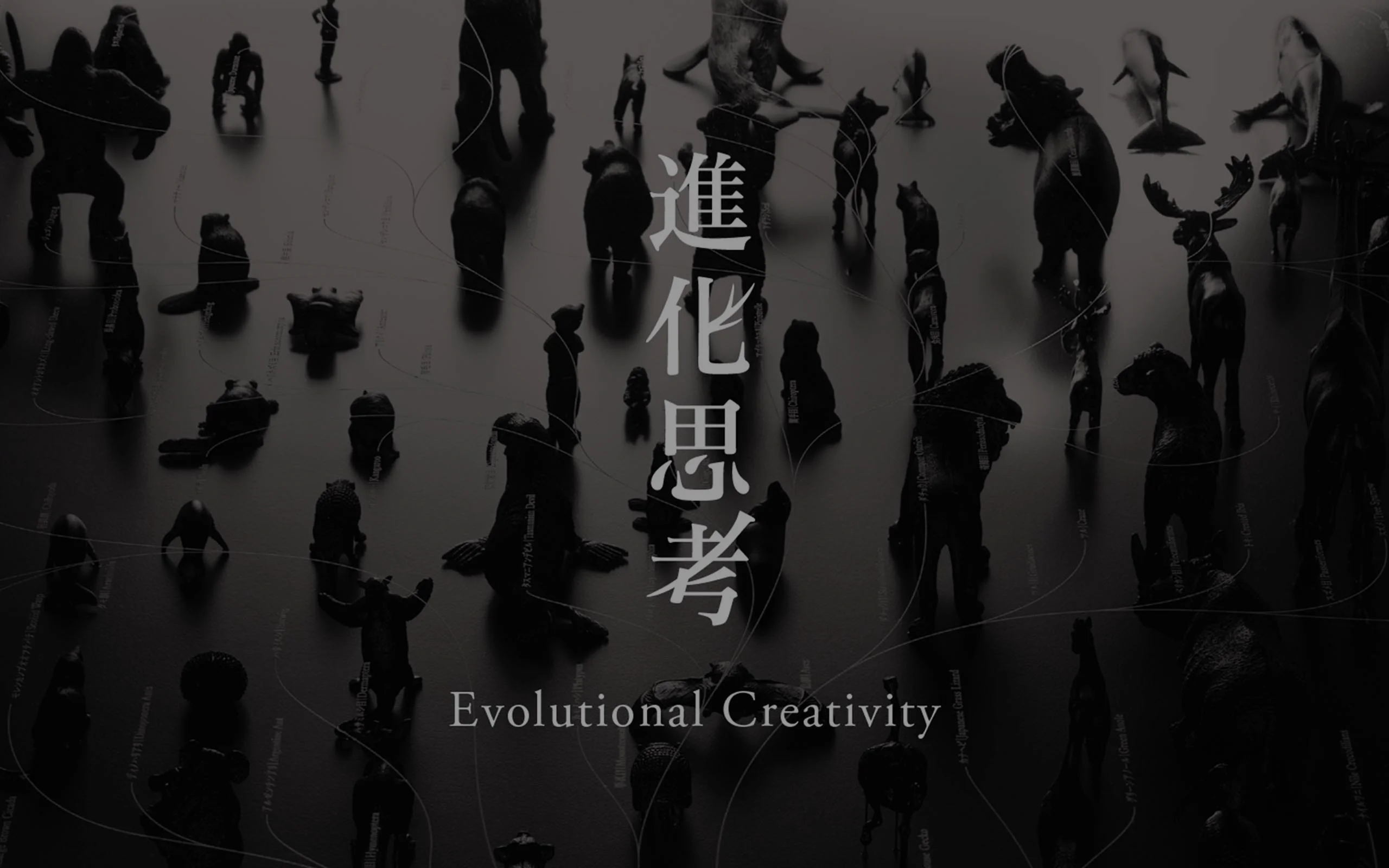
Menselijke creativiteit is zo bijzonder dat het een paranormaal fenomeen in de natuurlijke wereld genoemd kan worden. Onder de tientallen miljoenen soorten in de 3,8 miljard jaar lange geschiedenis van het leven op aarde, zijn er geen andere soorten die ons niveau van creativiteit hebben getoond. Omdat wij mensen ook onderdeel zijn van de natuur, zou onze creativiteit ook als een natuurlijk fenomeen moeten worden beschouwd.
Ondertussen, wanneer we kijken naar de vormen en gestalten in de natuur, denken we misschien dat de natuur nog creatiever is dan mensen. Waarom is dit?
Vanuit dit perspectief denkt Eisuke Tachikawa, het hoofd van NOSIGNER, dat menselijke creativiteit een fenomeen is dat lijkt op de evolutie van levende wezens. Hij is blijven proberen creativiteit te structureren gebaseerd op natuurlijke evolutie. Hij heeft daarmee Evolutional Creativity bedacht, een gesystematiseerde, creatieve denkmethode die de werking van de evolutie van levende wezens toepast op ontwerp en innovatie.
Levende wezens evolueren door mutaties die bij toeval optreden en door selecties die uit noodzaak optreden vanwege omgevingsfactoren en andere omstandigheden. Deze twee processen herhalen zich genetisch voor generaties.
Als onze creativiteit op dezelfde manier werkt, dan kunnen veel van de menselijke uitvindingen en innovaties die de wereld hebben gerevolutioneerd worden toegeschreven aan deze afwisselende processen veroorzaakt door toeval en noodzaak. Er is geen bewuste intentie in zowel de toevallige als noodzakelijke processen. De twee processen wisselen elkaar simpelweg af om dichter bij de optimale aanpassing te komen.
Creativiteit is iets dat autonoom optreedt zonder afhankelijk te zijn van de bewuste intentie van de schepper. Gebaseerd op dit idee is Evolutional Creativity het proces van afwisseling tussen Gemuteerde ideeën geboren uit gekke en onconventionele toevalligheden en Selectieve ideeën geboren uit de noodzaak om zich aan te passen aan huidige omstandigheden. Dit afwisselende creativiteitsproces gaat generaties lang door.

Tachikawa heeft de verbinding tussen ontwerp en taal bestudeerd, en hij gelooft dat de bron van menselijke creativiteit uit taal voortkomt. En de sleutel tot de evolutie van levende wezens is de mutatie van het DNA, wat erg lijkt op taal.
DNA-kopieerfouten kunnen worden vergeleken met de verkeerde uitspraak en het verkeerd horen van taal. Op basis van deze aanname theoretiseert Tachikawa dat evolutie en creativiteit vergelijkbare mutatiepatronen voortbrengen.
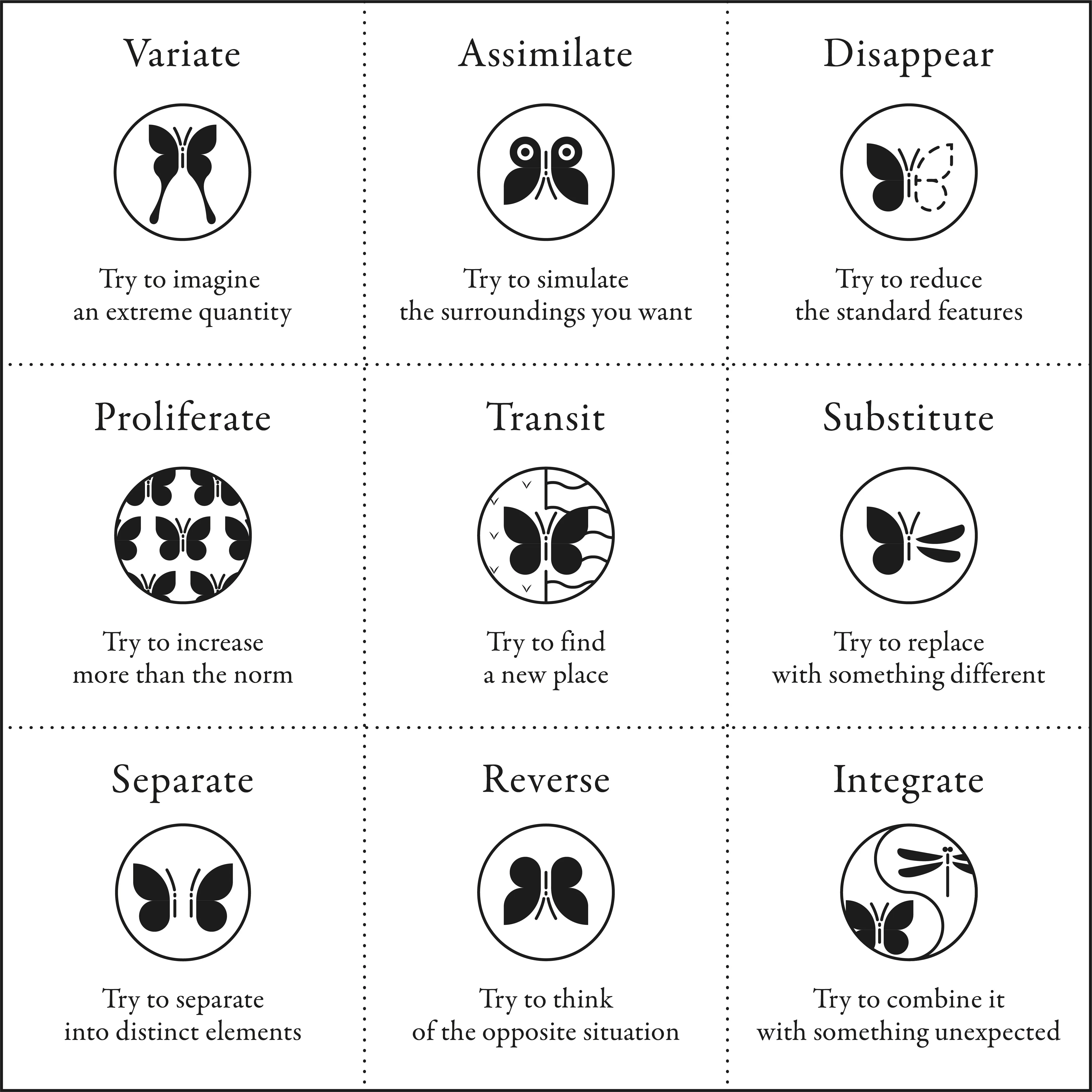
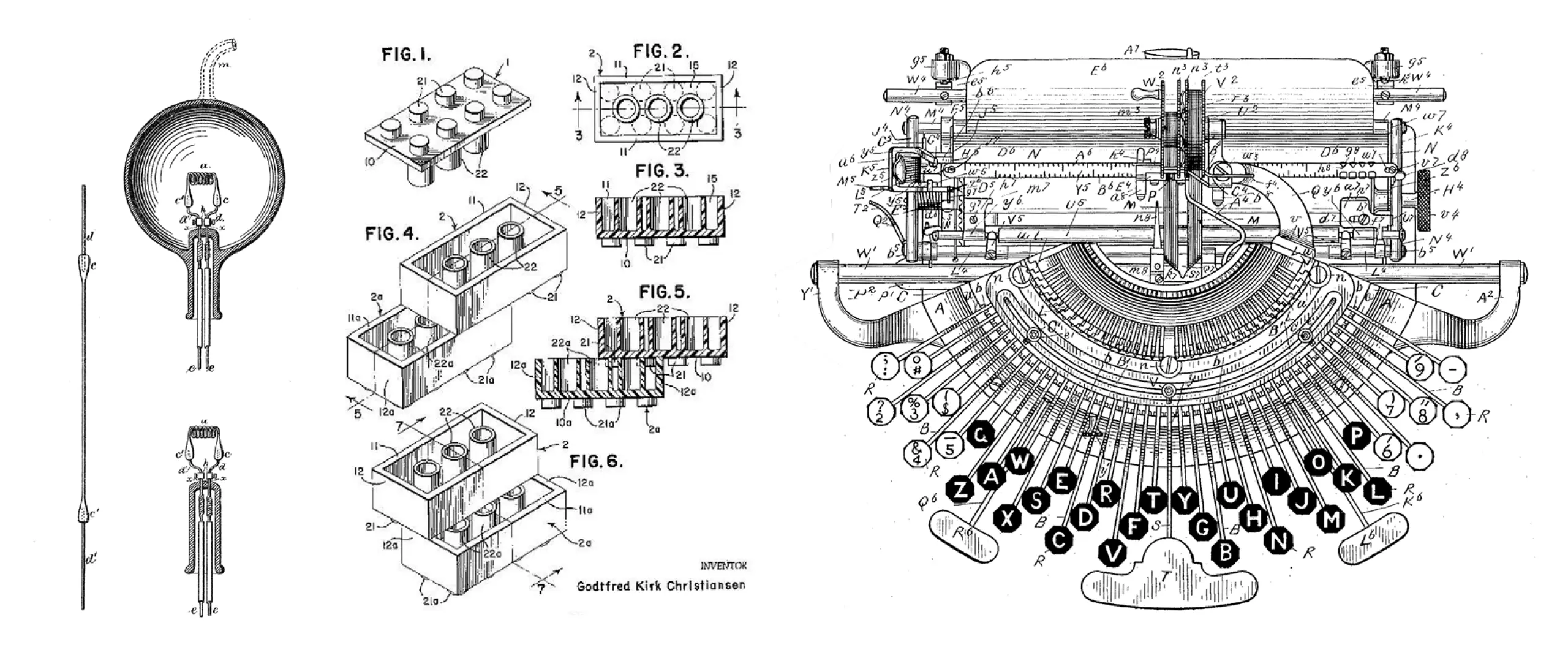
Vergelijkbare patronen die gevonden worden in de evolutie van levende wezens zijn ook duidelijk zichtbaar in diverse menselijke uitvindingen en culturen. Evolutionaire Creativiteit past deze vergelijkbare patronen toe op het creatieve proces. De fouten die resulteren in nieuwe ideeën worden gecategoriseerd in negen types.
Door de negen mutatiepatronen van Variëren, Verdwijnen, Integreren, Omkeren, Scheiden, Vervangen, Assimileren, Overgang, en Prolifereren te gebruiken als gereedschappen uit een gereedschapskist, kunnen we een groot aantal toevallige fouten genereren om veel ideeën in korte tijd te creëren. Dit zijn gemuteerde ideeën.
Maar hoe selecteren we een goed idee uit deze types fouten? In de natuurlijke wereld kunnen we observeren hoe levende wezens selecties maken om zich aan te passen aan hun omgeving. Als we leren van de langdurig verfijnde benadering van natuurwetenschappers om de natuurlijke wereld te observeren, kunnen we misschien adaptatieve ideeën selecteren.
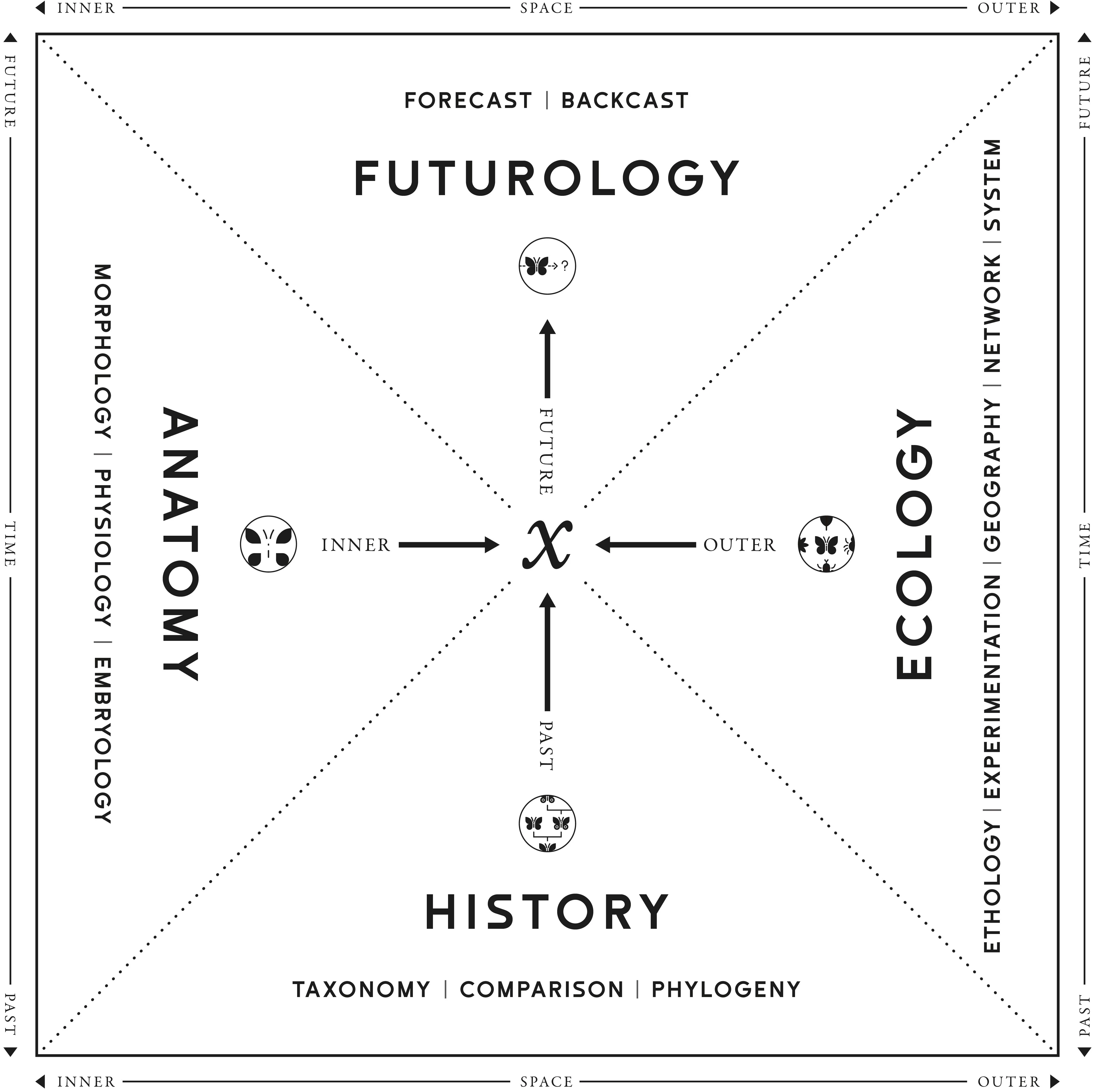
Tijdens het bestuderen van verschillende observatiemethoden in de natuurwetenschappen, merkte Tachikawa op dat er slechts vier perspectieven waren die zowel tijd als ruimte omvatten. Elk was een gevestigd, biologisch observatiesysteem.
De vier perspectieven zijn Anatomie om interne delen te begrijpen, Ecosysteem om de externe omgeving te begrijpen, Geslachtslijn om de ontwikkeling van de genealogie te begrijpen, en Voorspelling om de toekomst te overdenken met de twee benaderingen Forecast en Backcast. Hij systematiseerde deze vier Adaptatieve methoden en noemde ze Ruimtelijk-Temporeel Leren. Door de condities te analyseren door deze vier perspectieven die tijd en ruimte omvatten, kunnen we begrijpen hoe de samenleving onder druk wordt gezet om de onvermijdelijke keuzes te maken die zij maakt. We kunnen ze dan dienovereenkomstig tegengaan door solide ideeën te selecteren.
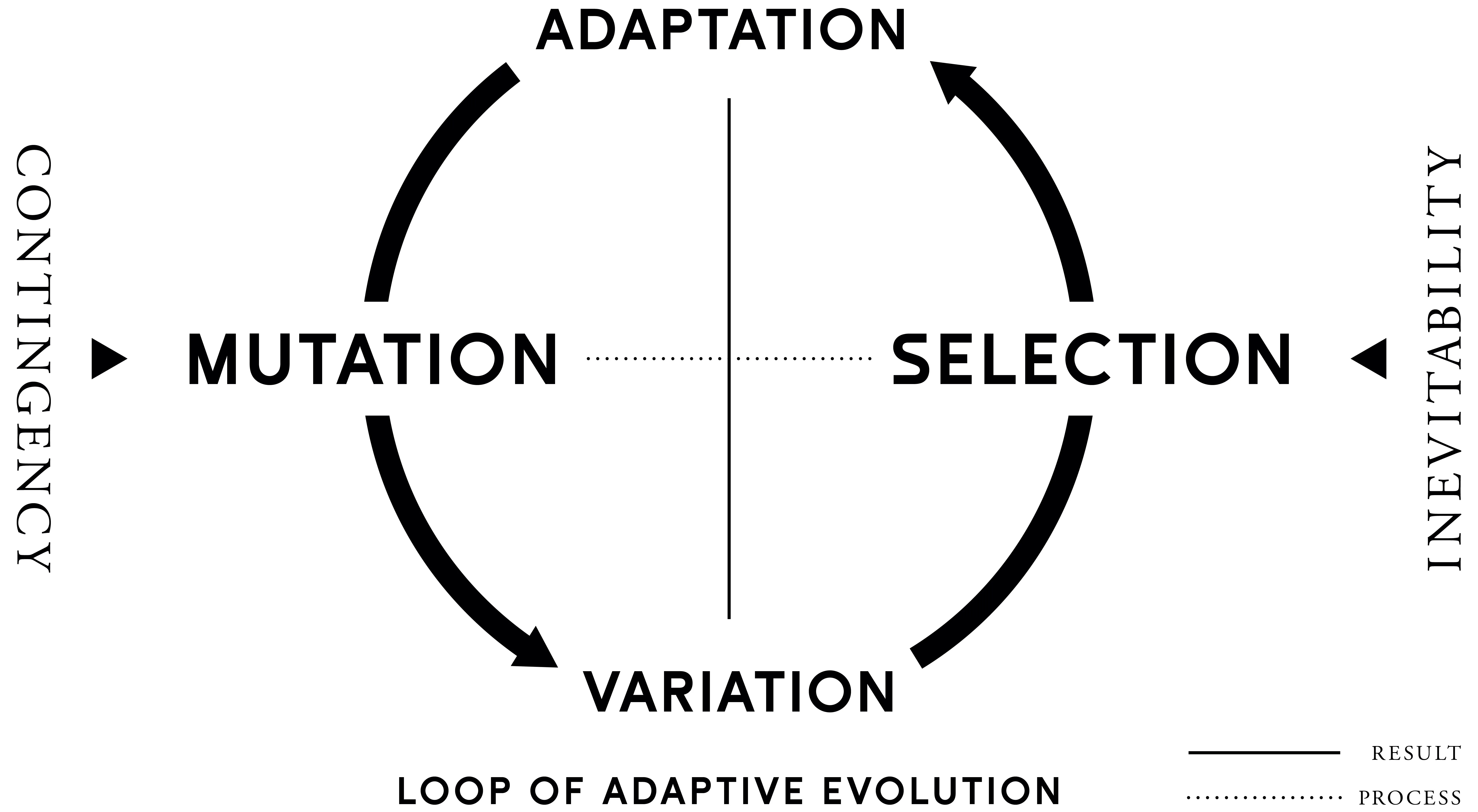
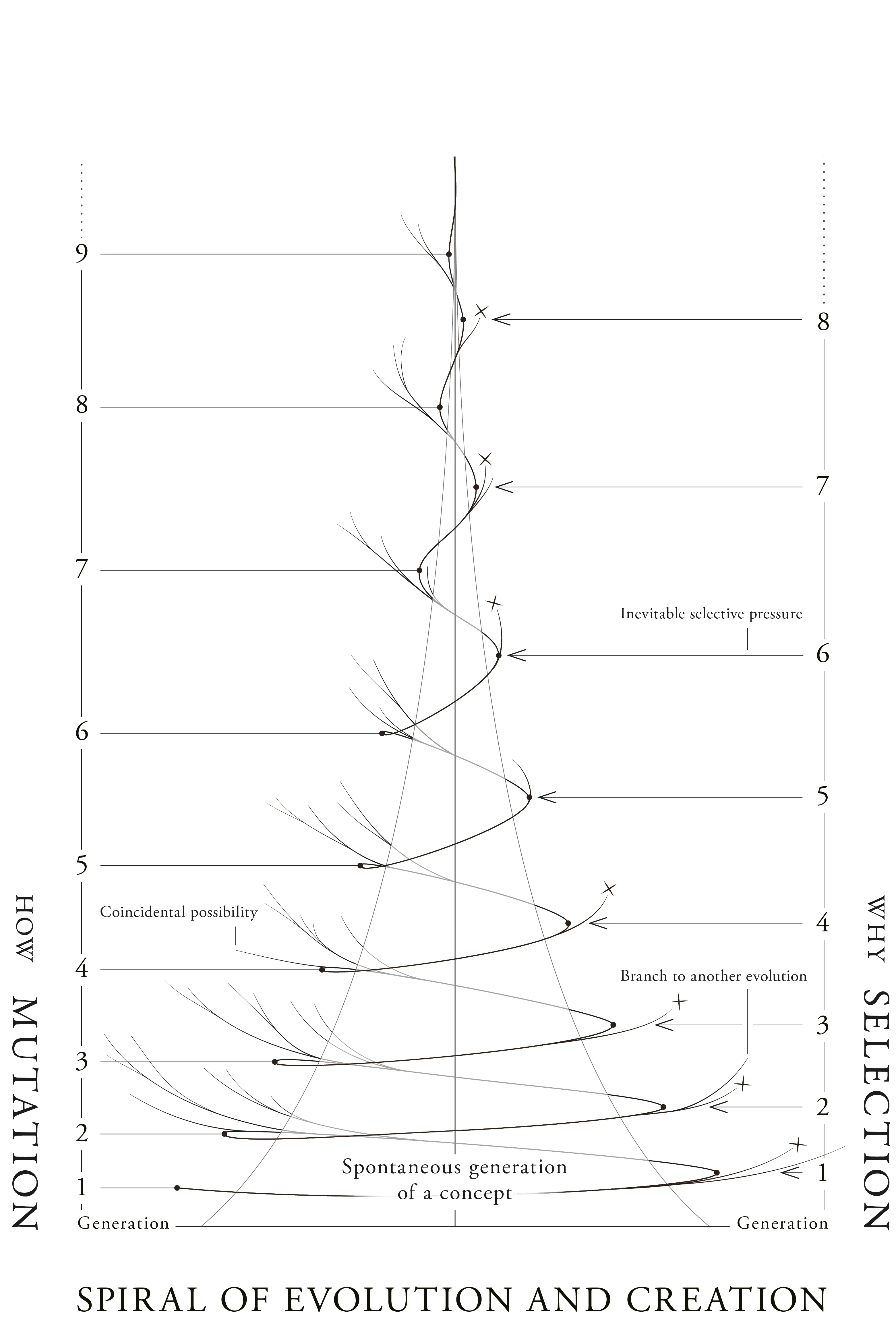
Evolutionaire Creativiteit is een denkwijze om creatieve concepten te bedenken die lange tijd kunnen overleven door het gebruik van en het afwisselen tussen de twee ideeën van Mutatie en Selectie.
(De eerste editie van het boek Evolutionaire Creativiteit gebruikte de uitdrukking "mutatie en adaptatie" in verwijzing naar de toevallige mutatie en natuurlijke selectie gericht op adaptatie. De herziene editie heeft de uitdrukking echter veranderd naar "mutatie en selectie" om meer in lijn te zijn met academische correctheid.)
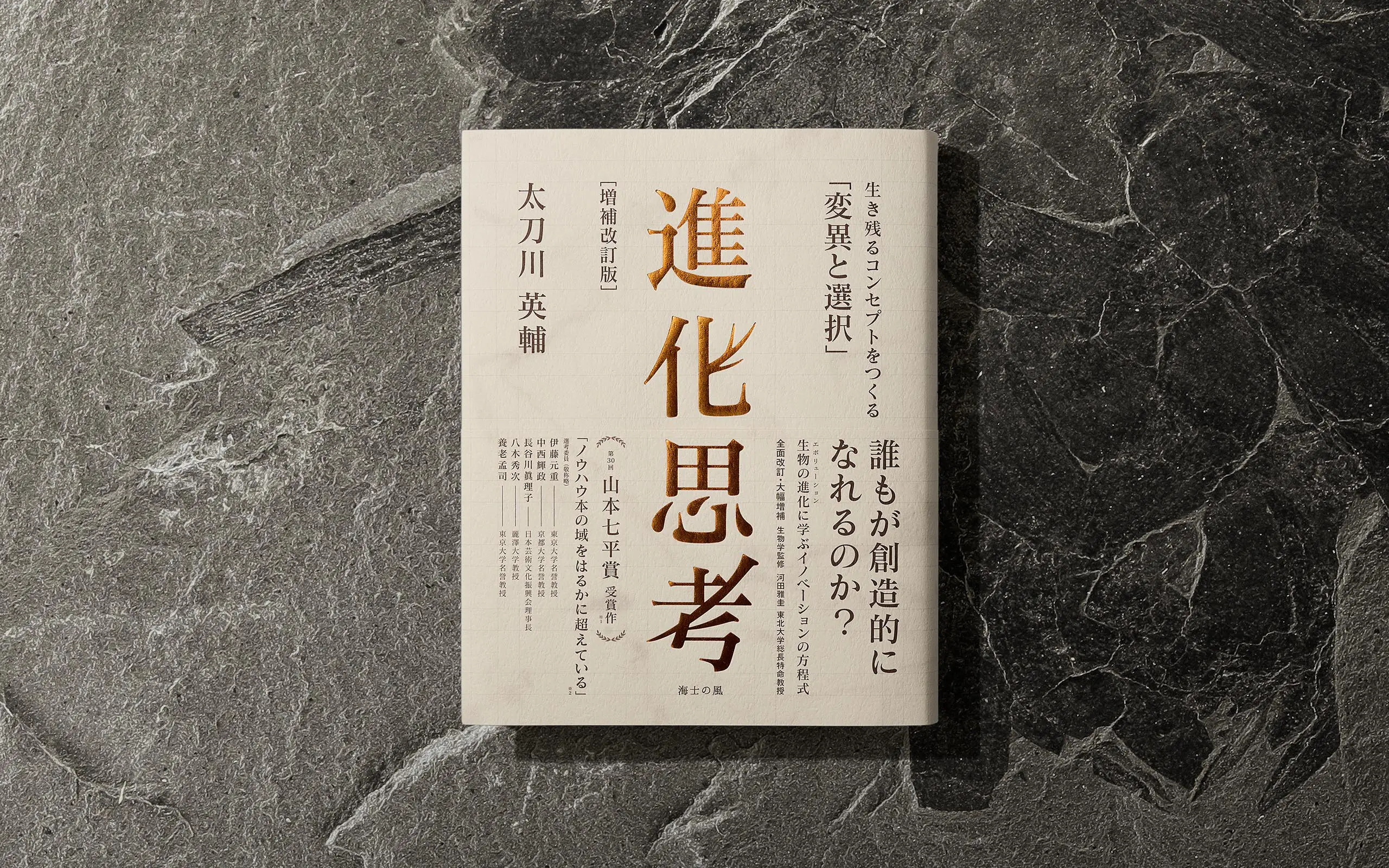
In april 2021 ging Evolutional Creativity in de verkoop als het eerste boek uitgegeven door Amanokaze, de eerste uitgever die werd opgericht in Ama, Shimane Prefecture, op een afgelegen eiland met een bevolking van ongeveer 2.000 mensen nabij de nationale grens. Ondanks dat het werd uitgegeven op een afgelegen locatie, werd het boek Amazon Japan's nummer 1 bestseller in de Business & Economics categorie. Binnen een week na de release verkocht het 30.000 exemplaren in drie drukken. De boekverkoop is breed blijven groeien.
Het boek heeft ook talrijke prijzen gewonnen in Japan. Een daarvan was de Yamamoto Shichihei Prijs, een prestigieuze academische prijs die eens per paar jaar wordt uitgereikt aan geesteswetenschappelijke boeken die Japan belichamen. Het selectiecomité bestond uit twee biologen (anatoom Takeshi Yoro en evolutiebioloog Mariko Hasegawa), sociaalwetenschappelijk econoom Motoshige Ito, politicoloog Terumasa Nakanishi, en rechtswetenschapper Hidetsugu Yagi. Het boek ontving academische erkenning die verder ging dan de geesteswetenschappen en natuurwetenschappen.
Met Evolutional Creativity willen we bewijzen dat we de wereld kunnen veranderen, zelfs vanaf een afgelegen locatie. We willen dit nieuwe creativiteitseducatieprogramma ook naar de wereld uitbreiden.
VOICE
Evolutie volgt een verscheidenheid aan erkende wetten. De auteur put uit deze wetten als fundament, met als doel waardevol referentiemateriaal te bieden voor zogenaamde innovatie.
Hoewel de specifieke details van elke casus het best verkend kunnen worden door het boek zelf te lezen, overtreft de originaliteit van het idee—het toepassen van evolutionaire principes op het nadenken over innovatie—die van een typische handleiding ver. De voorbeelden die in elke sectie worden gepresenteerd zijn levendig en boeiend, waardoor het boek plezierig is om te lezen. Dit weerspiegelt het voortdurende en meedogenloze denken van de auteur.
De 3,5 miljard jaar biologische evolutie op aarde hebben tot ons geleid, en vormden wie we vandaag zijn. Als dat proces geleid werd door bepaalde wetten, is er geen reden waarom diezelfde wetten niet als referentie zouden kunnen dienen voor de processen die nog komen.
De benadering van de auteur is wezenlijk analogisch. Konrad Lorenz, de etholoog, merkte ooit in zijn Nobelprijslezing op dat zijn methode puur analogisch was. In de academische wereld, die vaak "originaliteit" benadrukt, zouden weinigen dit toegeven. Toch wordt in contexten waar originaliteit gewaardeerd wordt—zoals bij innovatie—de betekenis van analogie duidelijk. In deze zin is dit werk zeer waardevol en verdient het de Yamamoto Shichihei Award.
Yoro Research Institute, Ltd. /
Emeritus Professor, De Universiteit van Tokyo
Takeshi Yoro

Over Boekontwerp
Het boek werd ontworpen door Tachikawa, de auteur zelf.
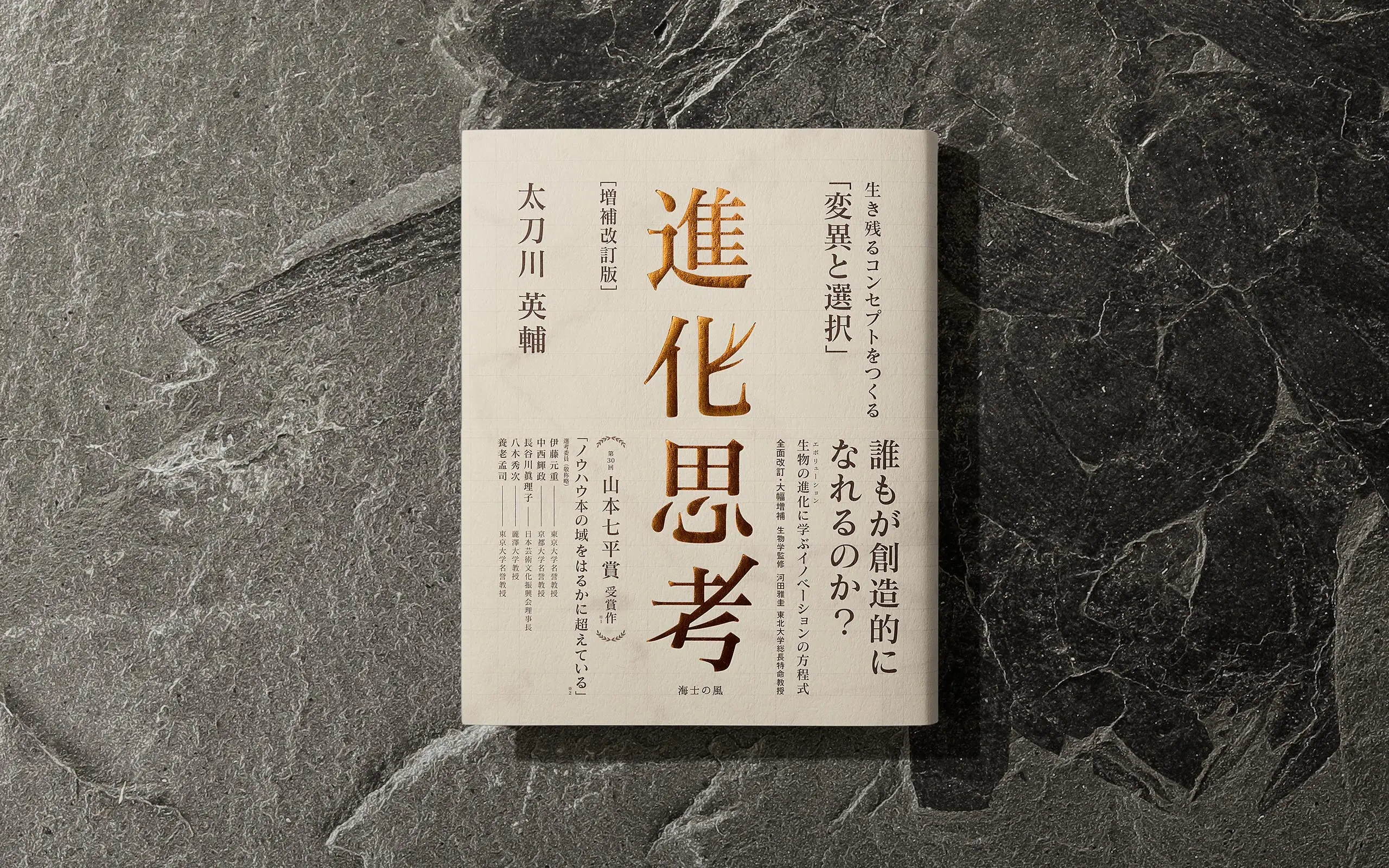
Hij wilde dat het boek geliefd zou blijven ook na de huidige tijd. Geïnspireerd door geologische lagen die zich gedurende eeuwen hebben opgebouwd, besloot hij tot een rotsachtig ontwerp en textuur. Het was ook een eerbetoon aan het geologisch onderzoek van James Hutton die Charles Darwin's evolutietheorie beïnvloedde.
De boekomslag gebruikt een reliëfpatroon papier (genaamd "Iwa-hada" of rotsoppervlak) met een rotsachtige textuur, waarop een marmerpatroon is gedrukt. Omdat de boekranden ook hetzelfde marmerpatroon hebben, ziet het 500+ pagina boek eruit als een dikke en solide stenen baksteen. Ook door decoratieve elementen zoveel mogelijk weg te laten en een minimalistisch ontwerp te hanteren, wordt een uniforme kleurtoon behouden. Het is een tijdloos, aantrekkelijk boekontwerp dat niet beïnvloed wordt door ontwerptrends.
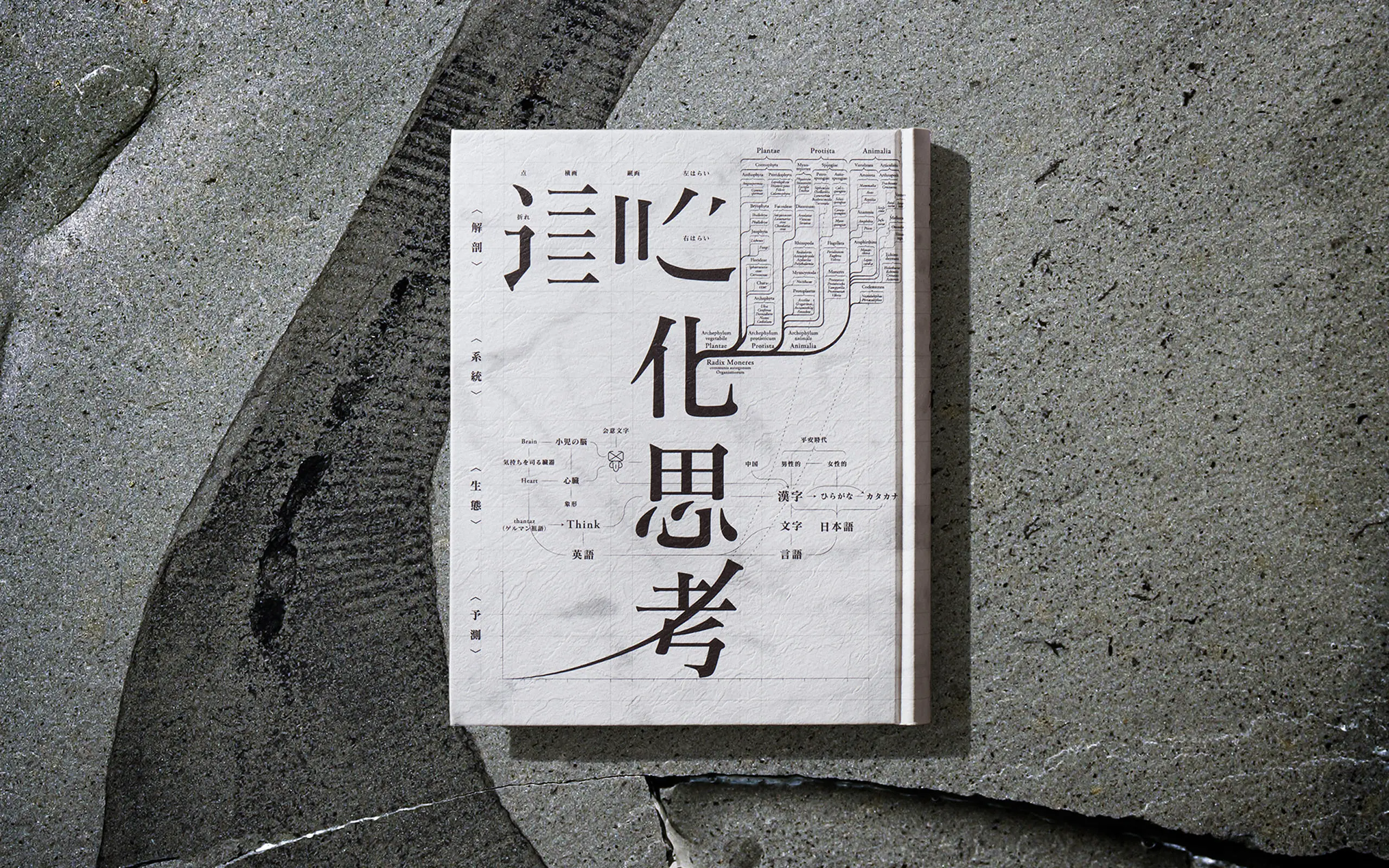
Het logo van de boektitel toont de vier kanji-karakters (進 化 思 考) in overgang gebaseerd op de Evolutional Creativity mutatie-patronen van Proliferate, Assimilate, Reverse en Variate. Wanneer de papieren omslag wordt weggenomen, toont de boekomslag dezelfde vier kanji-karakters als visuele representaties van de vier ideeën van ruimtelijk-temporeel leren: Anatomie, Afstamming, Ecosysteem en Voorspelling.
Het gedrukte logo kan er zwart uitzien wanneer je er recht van bovenaf naar kijkt, maar het lijkt bruin wanneer je vanuit een hoek kijkt. Dit effect is gecreëerd door de "koffiebruine" heetstempelfolie van Murata Kimpaku Company en is ontworpen om eruit te zien als zwak glinsterende juwelen ingebed in het marmer.

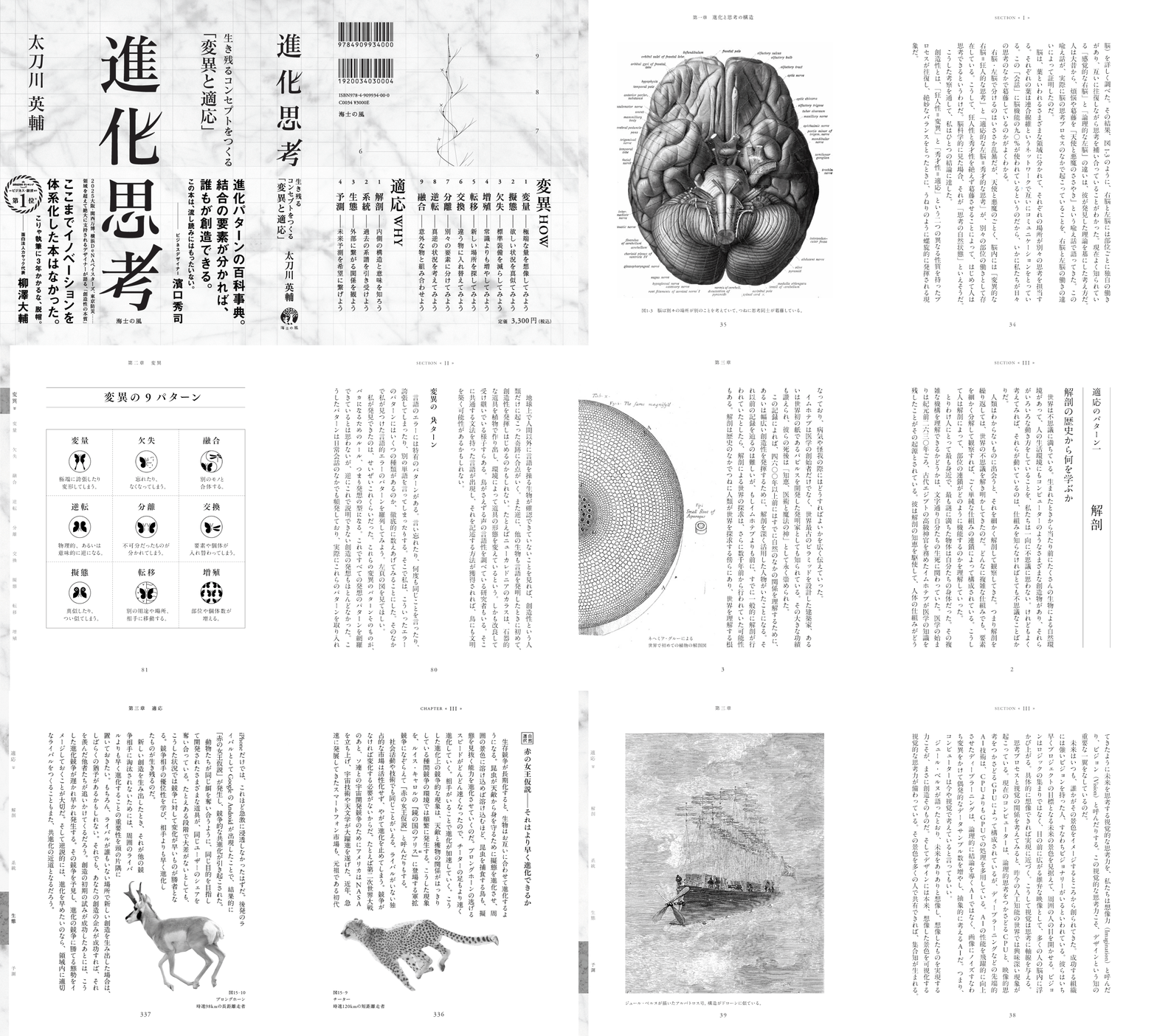
Omdat Tachikawa zowel de boekontwerper als de auteur is, kon hij effectief de typografie van de hoofdinhoud ontwerpen door gebruik te maken van omlopende tekst om de illustraties in de tekst te integreren. De boekindex heeft ook een marmerpatroon om het gemakkelijker te maken onderwerpen te vinden en de tekst opnieuw te lezen.
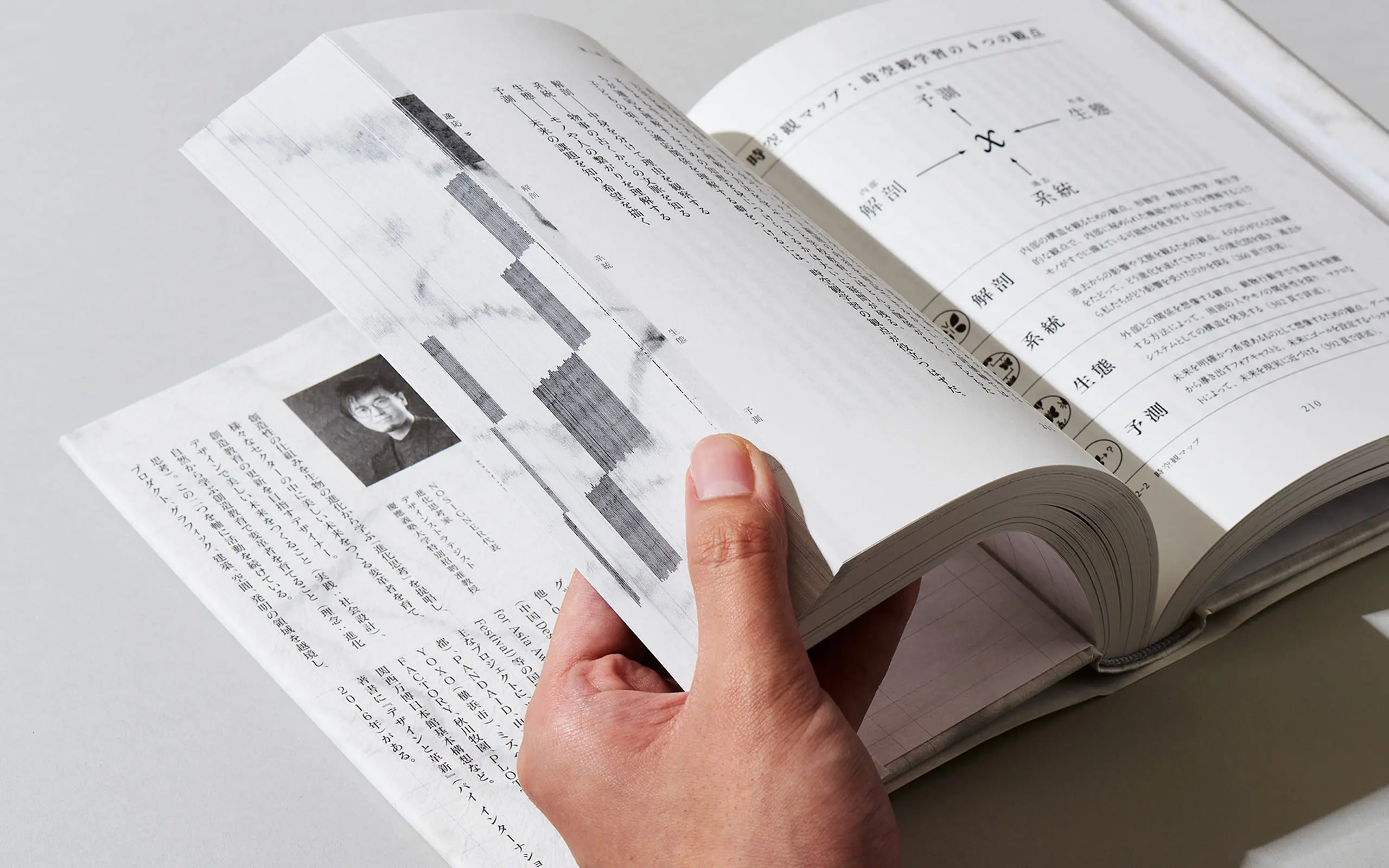
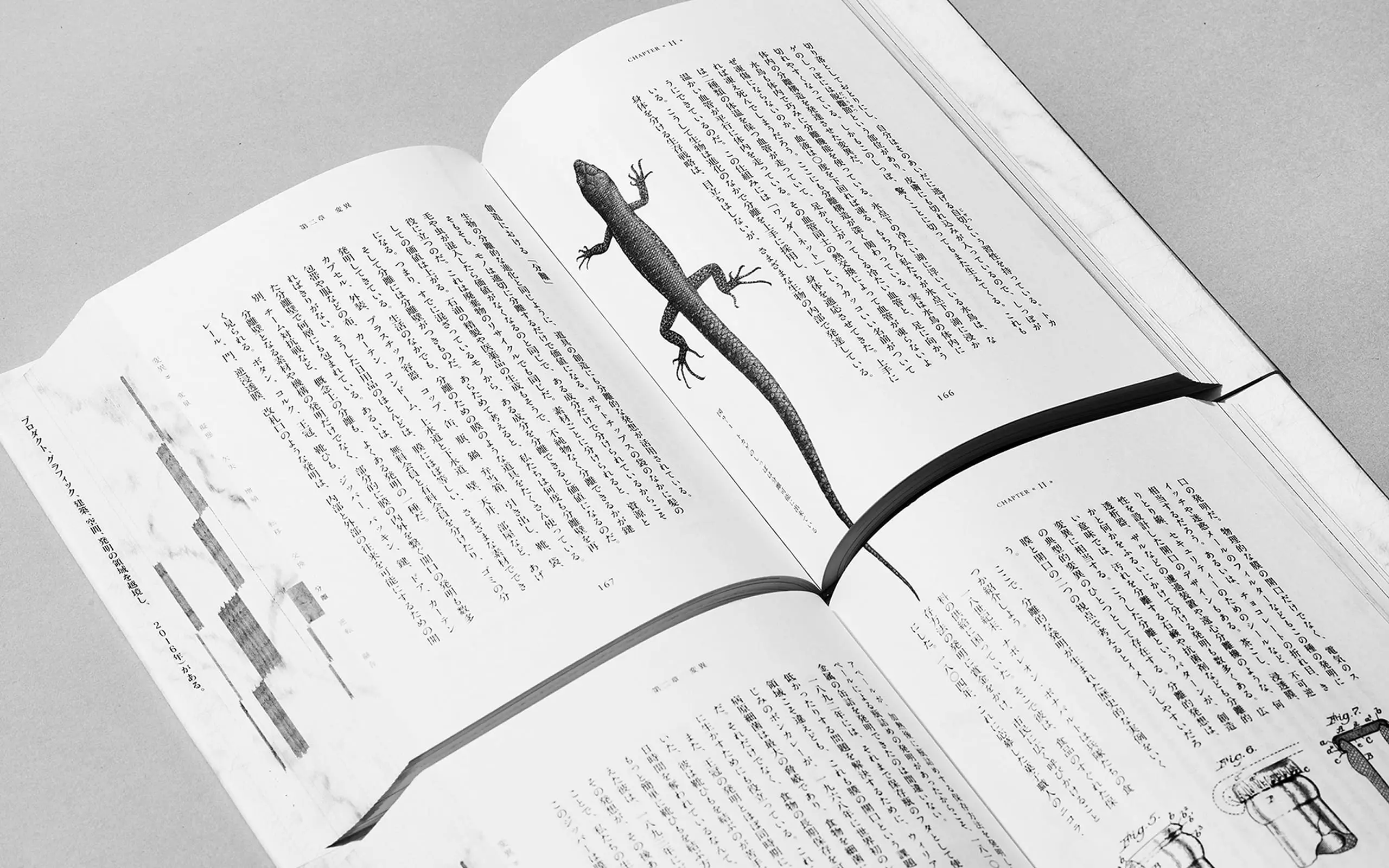
Door gebruik te maken van het feit dat het boek ontstaan is uit creativiteitsworkshops bij bedrijven en universiteiten, bevat het 50 workshops die creatief denken aanmoedigen. In plaats van alleen een studieboek te zijn om te lezen, kun je ook je creatieve ideeën proberen en in de praktijk brengen. Ondanks de lengte van het boek van meer dan 500 pagina's, is het gemakkelijk te lezen en gemakkelijk te gebruiken. Het kan gebruikt worden als een veelgebruikt naslagwerk of encyclopedie om onderwerpen over "creativiteit" en "biologische evolutie" op te zoeken.
WHY
Is creativiteit iets dat beperkt is tot mensen met talent?
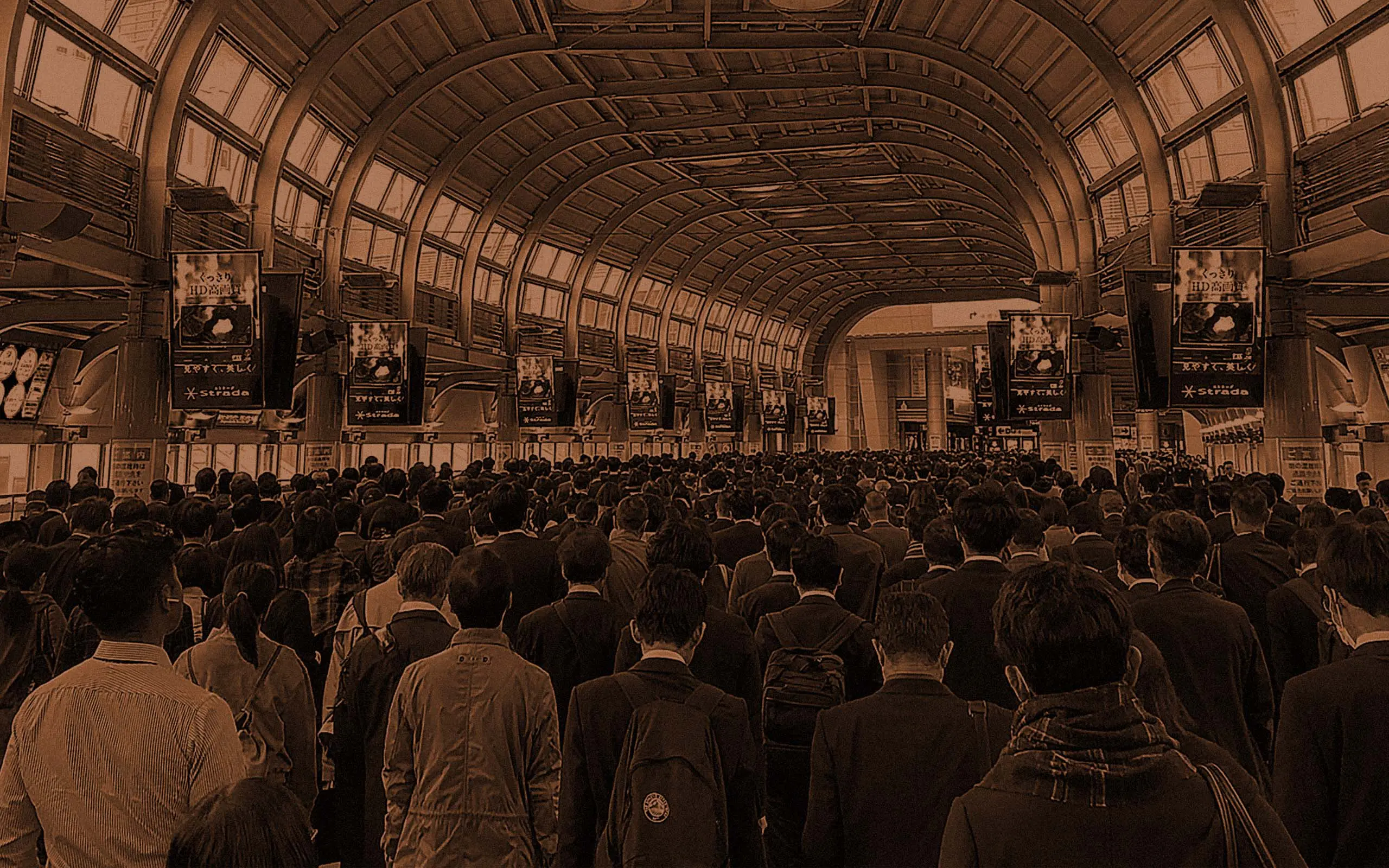
Bij het nastreven van onze wensen zijn wij mensen creatief geworden en hebben we allerlei gereedschappen uitgevonden, waardoor we hebben bijgedragen aan de ontwikkeling van onze beschaving. Ondanks het belang ervan wordt creativiteit algemeen beschouwd als een aangeboren vermogen dat natuurlijk talent vereist om het naar boven te brengen. Is creativiteit iets wat je niet kunt leren?
"Gekristalliseerde en Vloeibare Intelligentie" door Raymond Cattell

Status van individuele SDG-doelstellingen op het middelpunt van de 2030 Agenda

Grafiek van Japanse studenten die denken dat ze creatief zijn

Er zijn talloze mensen die denken dat ze geen creatief talent hebben omdat ze niet goed konden schilderen tijdens tekenlessen, enzovoort. Een teleurstellend onderzoek toonde aan dat slechts acht procent van de universiteitsstudenten in Japan dacht dat ze creatief waren.
Hebben we werkelijk een grondig begrip van creativiteit? Als we erover nadenken, realiseren we ons misschien hoe weinig we weten over hoe creativiteit werkt en hoe we ervoor getraind kunnen worden. Als we de innerlijke werking van creativiteit kunnen begrijpen, kunnen we het misschien verwerven.
De afgelopen jaren zijn scholen gaan nadenken over actieve deelname van studenten zoals actief leren en onderzoeksgebaseerd leren. Het is om creativiteit en een onderzoekende geest te bevorderen die niet gebonden is aan het conventionele kader van het klasvak. Zelfs in de zakenwereld krijgen denkmethoden die creativiteit stimuleren meer aandacht.
Als we meer mensen hebben die creatieve projecten starten, zou dit leiden tot een duurzamere samenleving en fundamentele oplossingen voor verschillende maatschappelijke problemen. Hiertoe moeten we creativiteit zelf begrijpen en een theorie en onderwijsprogramma ontwikkelen om systematisch over creativiteit te leren.
WILL
Creatief onderwijs vernieuwen en een onhoudbare wereld overwinnen.
Evolutionaire Creativiteit heeft wijdverspreide acceptatie en erkenning gekregen als 's werelds krachtigste innovatiemethode, en is overgenomen door grote Japanse bedrijven en onderwijsinstellingen zoals Panasonic, Fujitsu, Sumitomo House en Keio University. De methode is zelfs opgenomen als vraag in het toelatingsexamen voor de nationale taal aan Doshisha University. Naarmate steeds meer individuen dit creatieve denken adopteren en transformatieve projecten voor duurzaamheid produceren, blijft het bereik van Evolutionaire Creativiteit zich uitbreiden. Zelfs experts in Japan's leidende AI incorporeren de principes van Evolutionaire Creativiteit in hun werk, en workshops die gebruik maken van de methode zijn gehouden op 's lands grootste milieutentoonstelling van dieren in de dierentuin. Evolutionaire Creativiteit maakt geleidelijk zijn weg naar een breed scala aan vakgebieden, en de impact ervan zal blijven groeien.
Ondanks het vroege succes en de erkenning van Evolutionaire Creativiteit, is de implementatie van echt creatieve onderwijsprojecten die inspiratie putten uit de wetten van de natuur nog in zijn kinderschoenen.
Terwijl de mensheid blijft vooruitgaan door technologie, staan we ook voor de gevolgen van drastische veranderingen in geologie en klimaat, evenals de ineenstorting van ecosystemen. We zijn de "Antropoceen" binnengegaan, een geologisch tijdperk waarin menselijke activiteit een diepgaand effect heeft op de aarde. Met onze beschaving die de "planetaire grens" heeft overschreden, het punt waarop onomkeerbare en plotselinge milieuverandering een echte mogelijkheid wordt, is tijd van cruciaal belang. Het is cruciaal dat we innovatieve en effectieve onderwijsmethoden zoals Evolutionaire Creativiteit implementeren om ons overleven te verzekeren en de weg te effenen voor een duurzame toekomst.


De beperkte expressie van creativiteit door de mensheid heeft geleid tot de crisis van het ineenstorten van de beschaving, maar onze creativiteit blijft ons enige middel om te overleven op aarde. Het is essentieel dat we de essentie van creativiteit begrijpen en deze ten volle benutten bij het aanpakken van verschillende problemen en het creëren van een duurzame samenleving. Nu is het tijd voor ons om dieper in te gaan op het begrip van creativiteit en deze toe te passen op oplossingen die het samenleven tussen mens en omgeving bevorderen.
Friedrich Fröbel, een pionier in het jonge kinderonderwijs die opbloeide in de 19e eeuw, legde de basis voor creativiteitsonderwijs door inspiratie te putten uit de natuurwetenschap en heeft een significante invloed gehad op latere bewegingen zoals de Bauhaus. Ondanks het baanbrekende werk van Fröbel en de Bauhaus is het creativiteitsonderwijs echter grotendeels onveranderd gebleven gedurende de afgelopen eeuw. Ons doel is om dit onderwijsgebied te evolueren en te revitaliseren, om gelijke tred te houden met de steeds veranderende behoeften van de samenleving en het milieu.
Wij geloven dat door creativiteitsonderwijs bij te werken door de lens van Evolutionaire Creativiteit, we individuen kunnen machtigen om op creatieve wijze de urgente sociale kwesties van onze tijd aan te pakken en de creativiteit van elke persoon in elke gemeenschap te maximaliseren. Door individuen uit te rusten met de tools om op nieuwe en innovatieve manieren te denken en te handelen, kunnen we werken aan het oplossen van de grote uitdagingen waarmee de mensheid wordt geconfronteerd en een betere toekomst voor allen opbouwen.
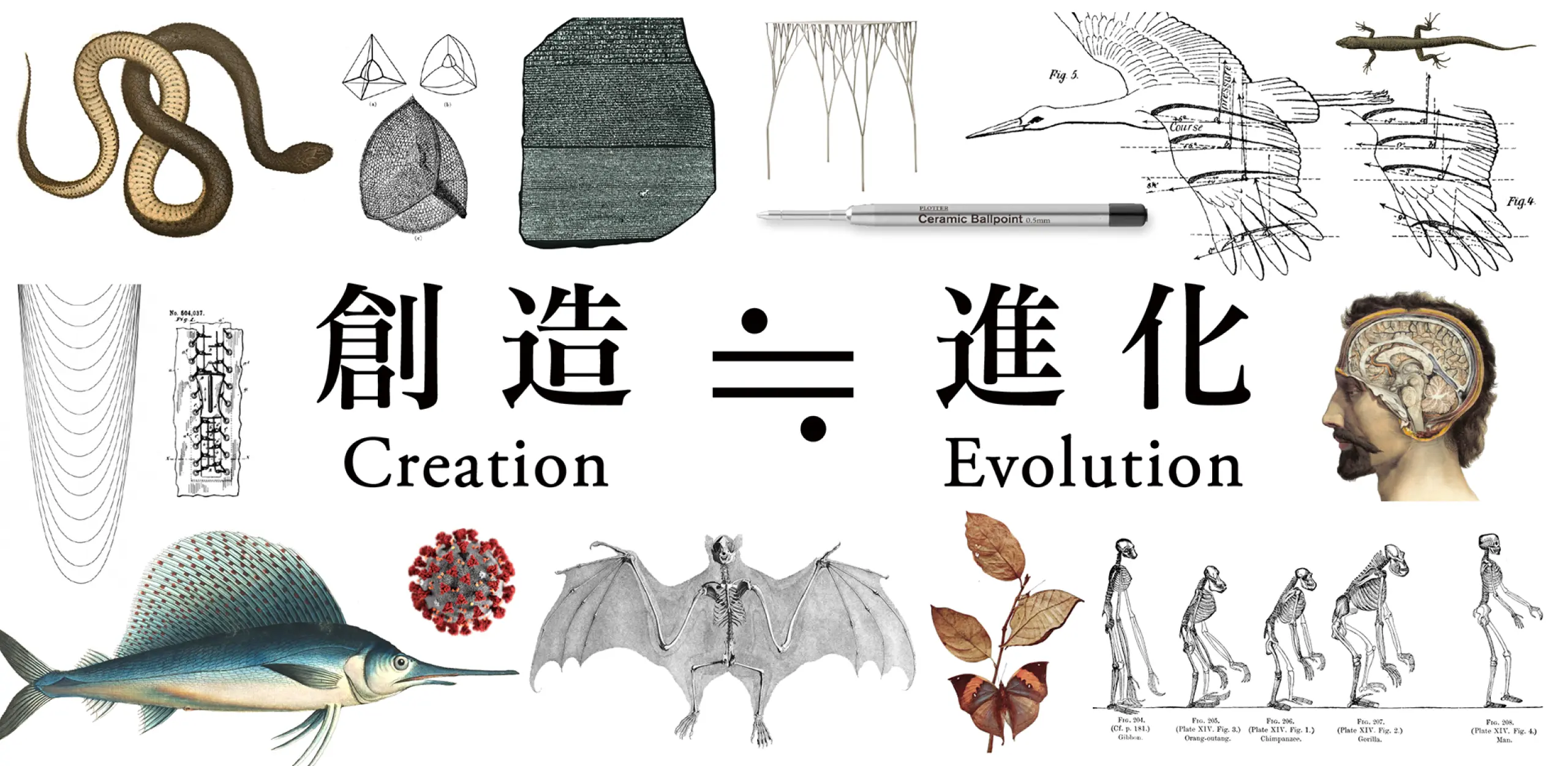

Het boek " Evolutional Creativity " stond al snel op nummer 1 in Amazon's bedrijfs- en economierankings nadat het in de voorverkoop ging, en werd snel herdrukt voor de release. Wat is deze nieuwe manier van denken die de creativiteit wekt die in iedereen sluimert?
Gerelateerde Sites /
The Evolution of “Evolutional Creativity” (Updated November 2025)
November 2025: Keynote Speech at the 9th Leadership Summit 2025 in Bangladesh
Eisuke Tachikawa took the stage as a keynote speaker at the “Leadership Summit 2025” held in Bangladesh. Held under the theme “Resilient Leadership – Thriving Amid Uncertainty,” this international conference explored the sustainable and ethical leadership required in a rapidly changing society. Tachikawa delivered a speech on the nature of leadership in addressing social issues and environmental changes from the perspective of Evolutional Creativity.
November 2025: Online Presentation at the 12th Anniversary Commemoration of Typhoon Yolanda
Marking the 12th anniversary of Typhoon Yolanda—which caused some of the worst damage ever recorded in the Philippines—Eisuke Tachikawa spoke at a commemorative event held at Eastern Visayas State University. He delivered an online lecture on “Evolutional Creativity” to approximately 400 participants, sharing creative perspectives on how to confront disasters.
November 2025: Delivered a Special Lecture to Graduate Students at Minerva University
At Minerva University—known for its unique educational model that involves learning while moving between seven cities worldwide and having been selected as “the world’s most innovative university”—Eisuke Tachikawa delivered a special lecture on “Evolutional Creativity” to approximately 20 graduate students majoring in “Decision Science.” Students from diverse backgrounds, including current politicians and corporate leaders, visited the Yokohama studio of NOSIGNER—the firm led by Tachikawa—and the lecture lasted three hours due to a lively Q&A session.
October 2025: Presentation at the “Cities of Design Subnetwork Meeting” Conference Hosted by the UNESCO Creative Cities Network (UCCN)
Eisuke Tachikawa spoke at the “Cities of Design Subnetwork Meeting” hosted by the UNESCO Creative Cities Network (UCCN)—which aims to harness culture and creativity for sustainable urban development—at the Bandung Institute of Technology. He participated in a panel discussion themed “Creative City 2.0,” exchanging views on approaches to creativity based on “Evolutional Creativity” and the future of cities adapting to climate change.
September 2025: Keynote Speech at the International Design Conference (IDC) 2025 in the Philippines
Eisuke Tachikawa delivered a keynote speech at the International Design Conference (IDC) 2025, organized by the Design Center of the Philippines, the government agency responsible for promoting design in the Philippines. Invited as a keynote speaker to the conference, which featured a diverse lineup of speakers including consultants, designers, researchers, and business executives under the theme “Holding the Whole,” he delivered a keynote address on creativity education based on “Evolutional Creativity” and the ideal form of cities adapting to climate change.
July 2025: Received the Highest Academic Award from Bandung Institute of Technology
He was awarded the “GANESA WIDYA JASA ADIUTAMA Award,” the highest academic honor bestowed by the Bandung Institute of Technology (ITB) in Indonesia for outstanding contributions to knowledge and education. This prestigious award is granted to only two individuals following a rigorous selection process from candidates nominated by each faculty; he was selected based on a nomination from the Faculty of Art and Design (FSRD).
November 2024: Publication of the Indonesian Edition of *Evolutional Creativity*
The Indonesian edition of the book *Evolutional Creativity* was published by the Indonesian publishing house “SiMPUL” under the supervision of the Bandung Institute of Technology (ITB), one of Indonesia’s leading universities.
Additionally, to commemorate the book’s publication, an exhibition and commemorative lecture were held at the ITB Design Center, and an exhibition and workshop were also held at the Jakarta art space “
April 2024: 3rd Anniversary of the Publication of “Evolutional Creativity”
“Evolutional Creativity,” systematized by its proponent, Eisuke Tachikawa, after years of exploration, has continued to evolve even today, having received a wide range of feedback—including support, encouragement, criticism, and suggestions—from many people since the first edition of the book was published.
Furthermore, a reader community formed by over 100 enthusiastic readers remains actively engaged, and the principles of Evolutional Creativity are being put to practical use in the work and daily lives of its practitioners.
March 2024: Lecture at the Ministry of Economy, Trade and Industry for Stanford Business School Students
Tachikawa delivered a lecture on Japanese design and Evolutional Creativity to approximately 30 students and faculty members from Stanford Graduate School of Business at the Ministry of Economy, Trade and Industry. This lecture was part of the school’s study tour to Japan, a program designed to explore the relationship between Japan’s rapid economic growth and design, as well as the current state of startups.
December 2023: Publication of *Evolutional Creativity [Expanded and Revised Edition]*
With biological supervision provided by evolutionary biologist Masaki Kawata (Professor by Special Appointment to the President at Tohoku University),
October 2023: Paper Presentation at the World Design Assembly International Conference
At the
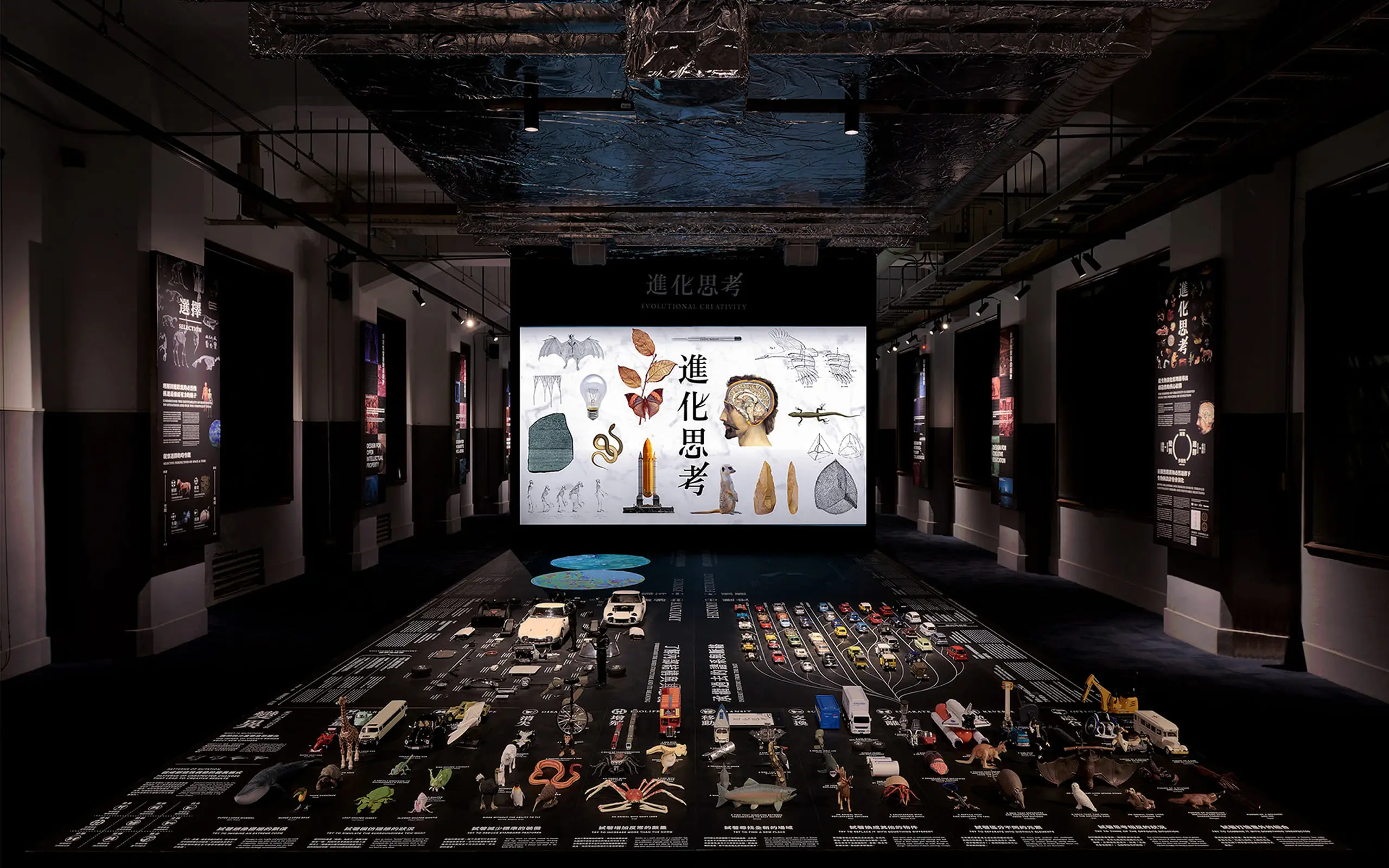
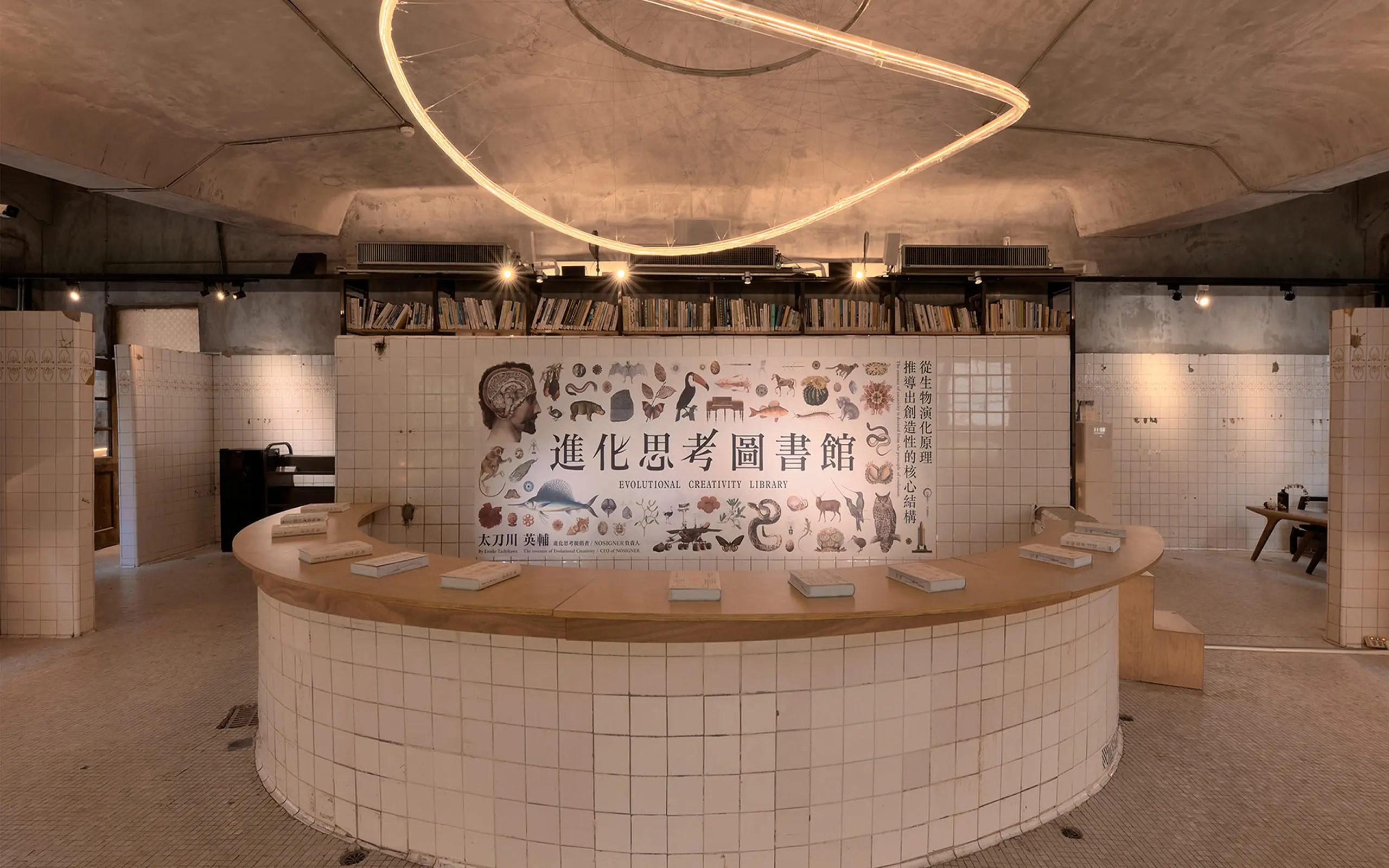
September 2023: Exhibition Held at the Taiwan Design Museum
Coinciding with the publication of the Taiwanese edition of the book *Evolutional Creativity*, an exhibition by NOSIGNER titled
September 2023: Publication of the Taiwanese Edition of “Evolutional Creativity”
Following the Korean edition, the
June 2023: Publication of the Korean Edition of “Evolutional Creativity”
The
May 2023: Presentation at a Conference Hosted by UNESCO-MGIEP
Tachikawa was invited to speak at the conference “Education for Flourishing in a Mixed Reality,” organized by UNESCO-MGIEP (the United Nations Educational, Scientific and Cultural Organization’s Mahatma Gandhi Institute of Education for Peace and Sustainable Development), which brought together renowned scholars, researchers, teachers, policymakers, and representatives from the private sector from around the world. He delivered a presentation on “Evolutional Creativity” during the “Design Thinking and Creativity in Education” session. This conference was also the first international conference based on the Sustainable Flourishing Goals.
March 2023, August 2023: Lecture at the Bandung Institute of Technology (ITB), Indonesia
Tachikawa delivered a lecture on Evolutional Creativity at the Bandung Institute of Technology (ITB), Indonesia’s premier institution of higher learning. Due to the positive reception of this content, it was decided to publish an Indonesian-language edition of “Evolutional Creativity.” Following the
March 2023: Chaired the “Thinking About the Future of Higher Education” Forum
Eisuke Tachikawa served as chair of the “Thinking About the Future of Higher Education” forum, organized by the Benesse Educational Research Institute, where members engaged in cutting-edge educational practices discussed the future of university education. After four rounds of roundtable discussions with committee members, a proposal outlining a vision for university education that envisions a hopeful future was compiled. Under the new educational guiding principle, “
November 2022: Received the “Shu Yamaguchi Award” at the Pen Creator Awards
Eisuke Tachikawa received the “Shu Yamaguchi Award” at the “
November 2022: Appeared in an NHK program for a dialogue with anatomist Takeshi Yoro
He appeared alongside anatomist Takeshi Yoro on the popular NHK program “Switch Interview,” in which two people working in different fields visit each other’s workplaces and conduct a dialogue while “switching” between the roles of speaker and listener. In the second part of the program, I invited Dr. Yoro—who has spent nearly 60 years since his student days exploring “the forms of living things”—to the NOSIGNER studio. While introducing the concept of “Evolutional Creativity,” I spoke about my work as a designer who has pursued form through various approaches.
June 2022: Project to Launch Revised Edition of
A project to publish a revised edition has begun, aiming to further refine the book as a method of creative thinking and accurately incorporate scientific insights. For this revision, we invited Professor Masaki Kawata, a professor on special assignment to the President at Tohoku University and an expert in evolution and ecology, to serve as supervising editor, accompanying the evolution of the “Evolutional Creativity” book. A new book by Professor Kawata explaining evolutionary biology was recently published, so please take a look at that as well.
For the author as well, this was an invaluable opportunity to deeply re-learn evolutionary biology from such a distinguished expert as Professor Kawata.
May 2022: Dialogue with Nobel Laureate Dr. Akira Yoshino
At an event commemorating Asahi Kasei’s 100th anniversary, I had the honor of engaging in a dialogue with Dr. Akira Yoshino (Asahi Kasei Honorary Fellow), the inventor of the lithium-ion battery and Nobel Laureate in Chemistry. The video of Tachikawa’s lecture on “Evolutional Creativity” and his dialogue with Dr. Yoshino was streamed to approximately 40,000 Asahi Kasei Group employees. This event not only fulfilled Tachikawa’s long-held wish to engage in a dialogue with Dr. Yoshino but also served as an opportunity to convey the message to everyone at Asahi Kasei that “it is the ‘curiosity’ and ‘knowledge’ of each individual that enriches imagination and shapes the next 100 years.”
March 2022: Appeared on NHK E-Tele’s “Night of Radical Modifications: Engineer Training School”
Eisuke Tachikawa appeared as a “Design (Creation) Instructor” on NHK E-Tele’s popular program “Night of Radical Modifications: Engineer Training School.” With the theme of “Magic Modification of a Blender,” he led a brainstorming workshop to create a “blender that shoots juice far away,” introducing the nine “mutation” patterns from “Evolutional Creativity” as hints for generating ideas.
February 2022: Received a Special Award at the “IT Engineer Book Awards 2022”
In the business book category of the
2022–2023: Adopted in School Entrance Exam Questions
Excerpts from *Evolutional Creativity* were adopted as material for entrance exams at several schools, including as a topic for the Japanese language entrance exam at Doshisha University.
November 2021: Winner of the Yamamoto Shichihei Prize
We received the
While “Evolutional Creativity” has garnered attention as a method for fostering innovators and driving innovation, winning this prestigious Japanese academic award—whose selection committee includes anatomist Takeshi Yoro, evolutionary biologist Mariko Hasegawa, economist Motoshige Ito, political scientist Terumasa Nakanishi, and legal scholar Shuji Yagi—has allowed it to gain recognition from an academic perspective as a new way of thinking that unravels creativity from an evolutionary viewpoint.
April 2021: Publication of the book *Evolutional Creativity*
We published this book with the aim of conveying the concepts and methodology of Evolutional Creativity to a wide audience, including the business sector, and encouraging its application to idea generation across all fields, such as business development, design, and art.
Packed with a wealth of photographs and illustrations on biological evolution and human creativity, as well as 50 “Evolutional Creativity Works” that readers can practice while reading, this book—which comprehensively covers the concepts and practical methods of Evolutional Creativity—became a bestseller. The Evolutional Creativity methodology has spread to major corporations and educational institutions and has even been adopted in entrance exams for universities and high schools.
“Evolutional Creativity” is a concept that Tachikawa had been nurturing for many years prior to the book’s publication in 2021. Below is a summary of the journey leading up to the publication of *Evolutional Creativity*.
2021: Collaboration with NHK’s TV Program “The Direxon”
We collaborated on a project for NHK’s TV program
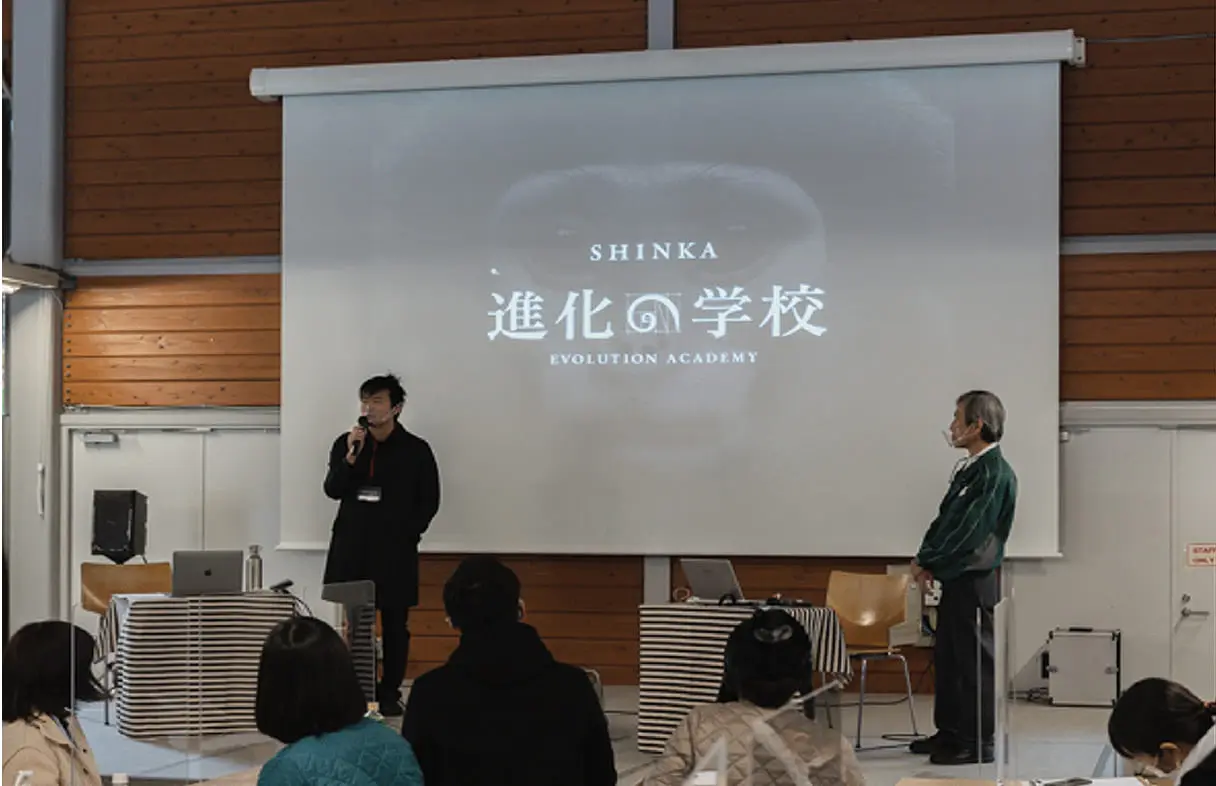
August 2020: “School of Evolution” Launches
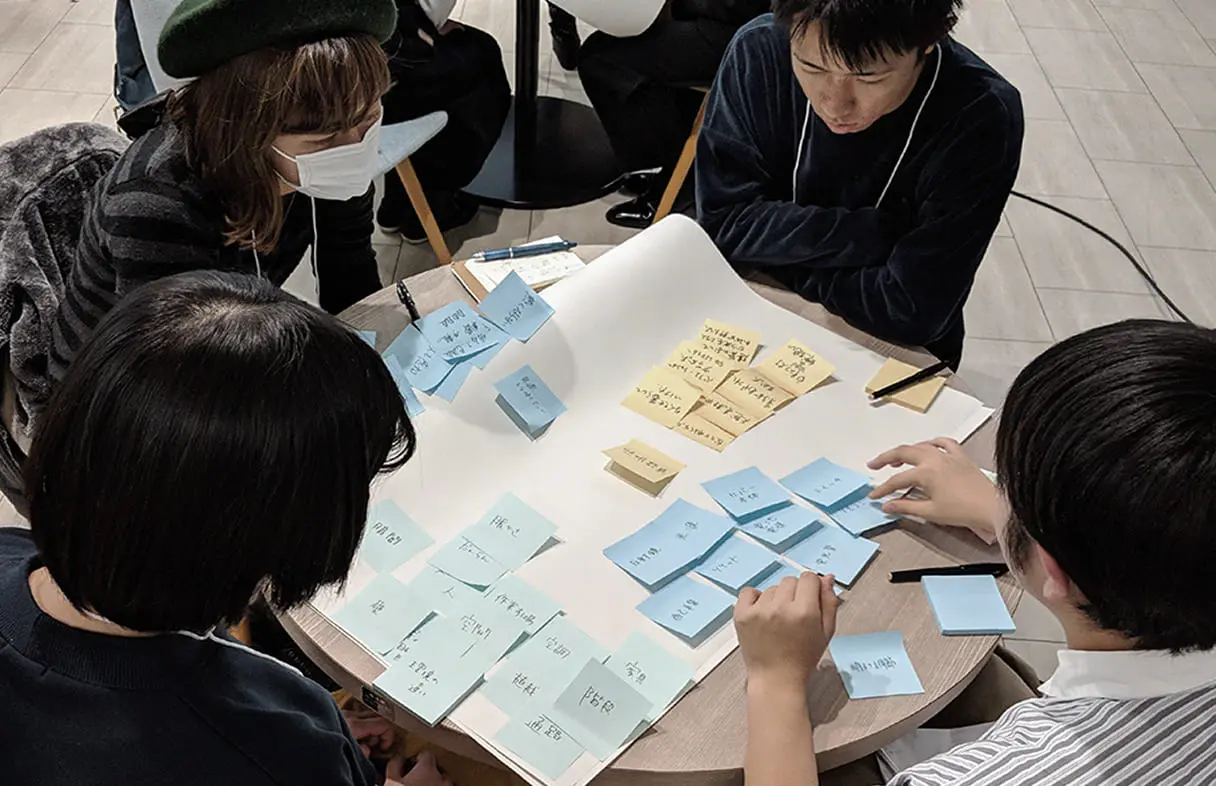
An online course was launched through the voluntary efforts of Takashi Yamada and other members who had studied Evolutional Creativity. The “School of Evolution” began as a course designed to plant the seeds of creativity across various sectors of society. This school is a training program that helps participants refine new ideas for business creation through lectures and workshops on Evolutional Creativity.
The “School of Evolution” has attracted a diverse group of participants, including corporate executives, employees aiming to drive innovation, and school teachers and public servants seeking to engage in creative practice. To date, the program has produced approximately 1,000 graduates.
The program is offered to a wide range of participants, from corporations and organizations to individuals, and is utilized for product development and human resource development. Many graduates continue to meet weekly to explore creativity education through Evolutional Creativity.
2019: Began writing the book *Evolutional Creativity*
After meeting Mr. Abe and Mr. Harada at “Kokuri! Camp,” they decided to launch the publishing house “Ami no Kaze” in Ami Town, Shimane Prefecture. They approached me with the idea of making *Evolutional Creativity* their first book, and thus began a three-year writing process.
September 2018: Paper on “Evolutional Creativity” Published in *DIAMOND Harvard Business Review*
A paper of approximately 10,000 characters summarizing the overview of “Evolutional Creativity” was published in
2018: Launch of the “Evolutional Creativity” Workshop
Having gained many insights through the exhibition, Tachikawa developed “The Grammar of Design” and launched “Evolutional Creativity,” a workshop designed to learn the creative process from biological evolution. At the first workshop held at “Cocri! Camp”—a gathering of leaders and experts from various sectors and fields—he met Takashi Yamada, who would later launch “The School of Evolution”; Yuji Abe, the publisher of *Evolutional Creativity*; and Eiji Harada of Eiji Publishing. Subsequently, the workshop was held at various companies, and “Evolutional Creativity” began to be adopted as an innovation methodology.
September 16–October 31, 2016: Exhibition “No-Designer: Form and Reason”
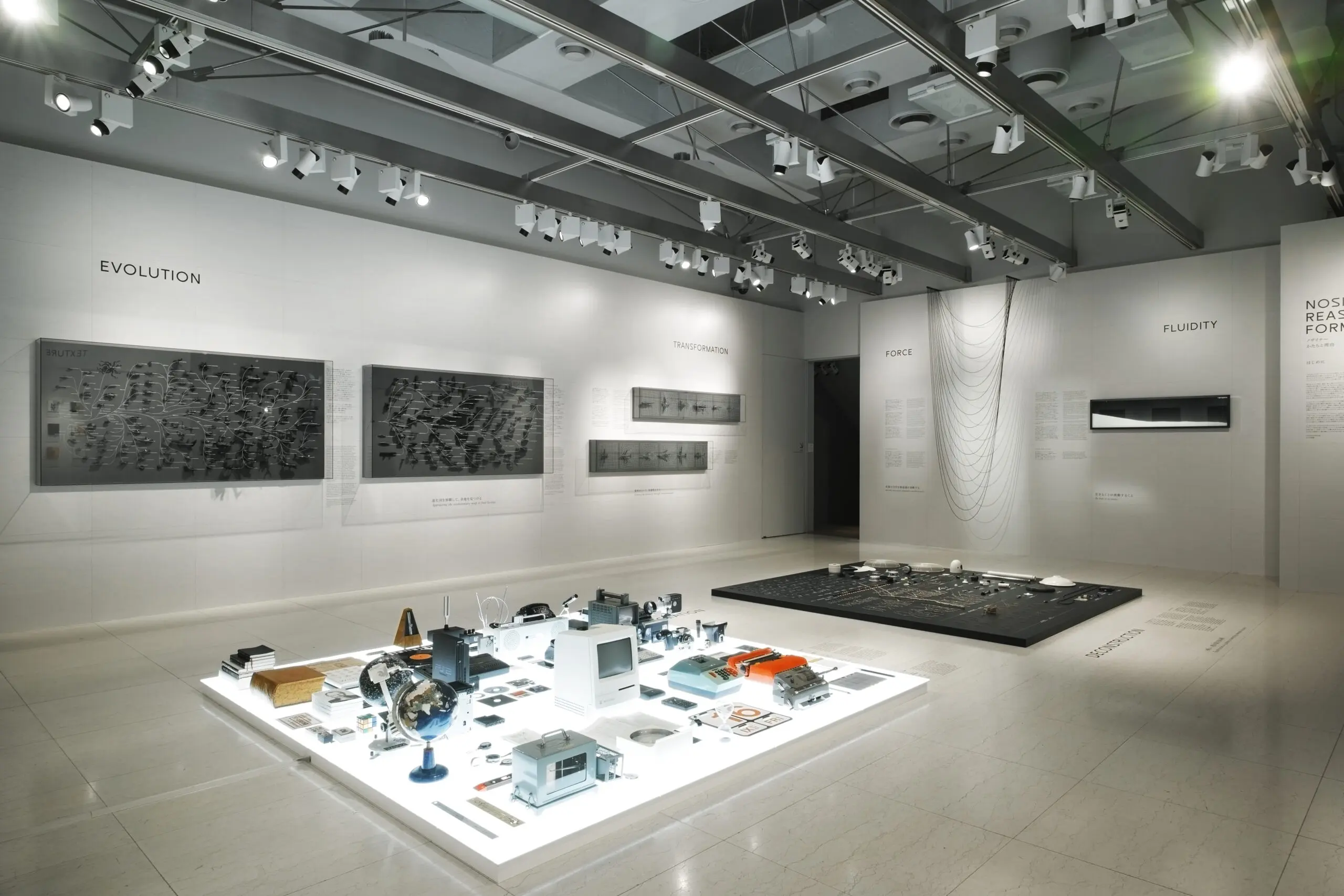
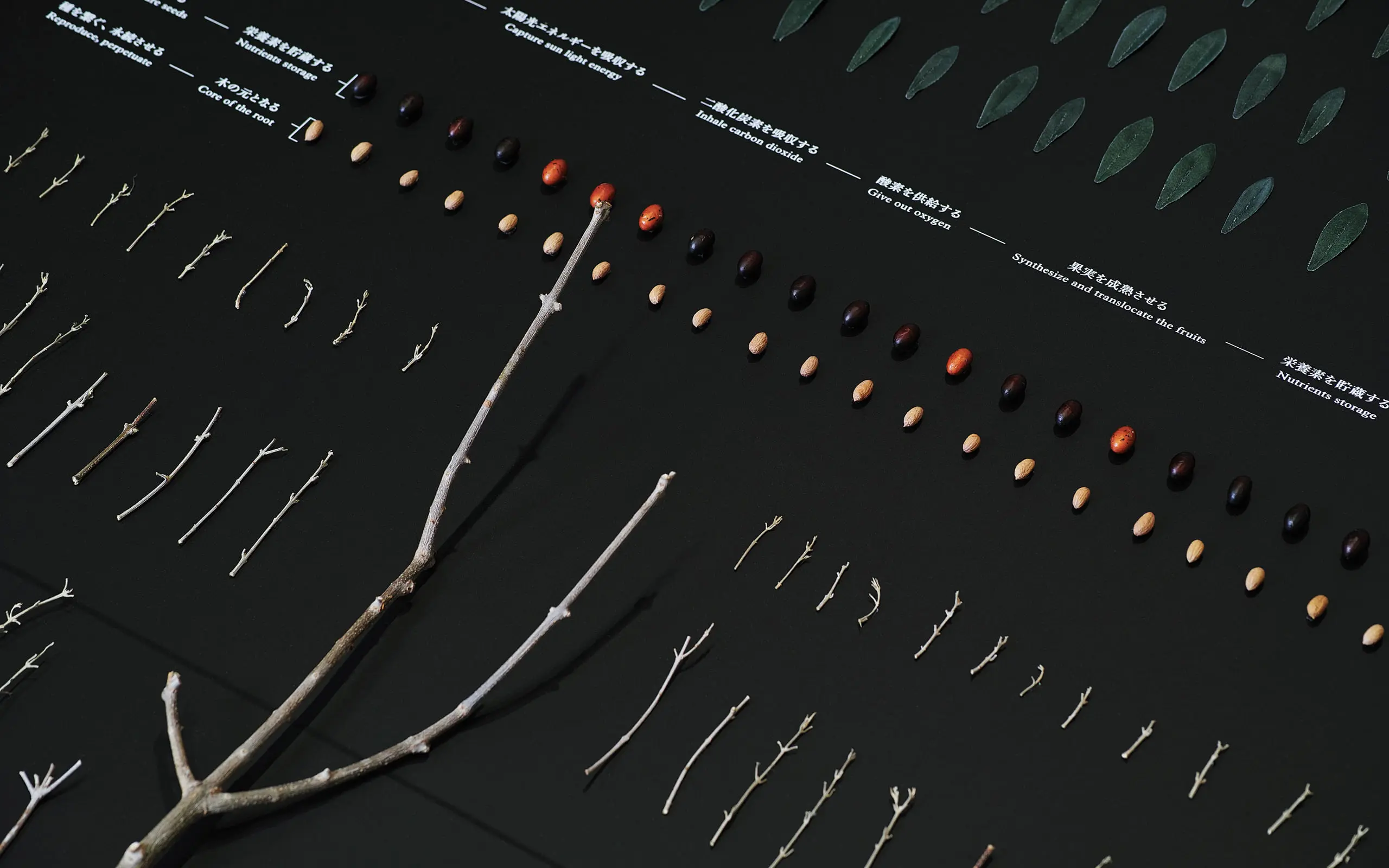
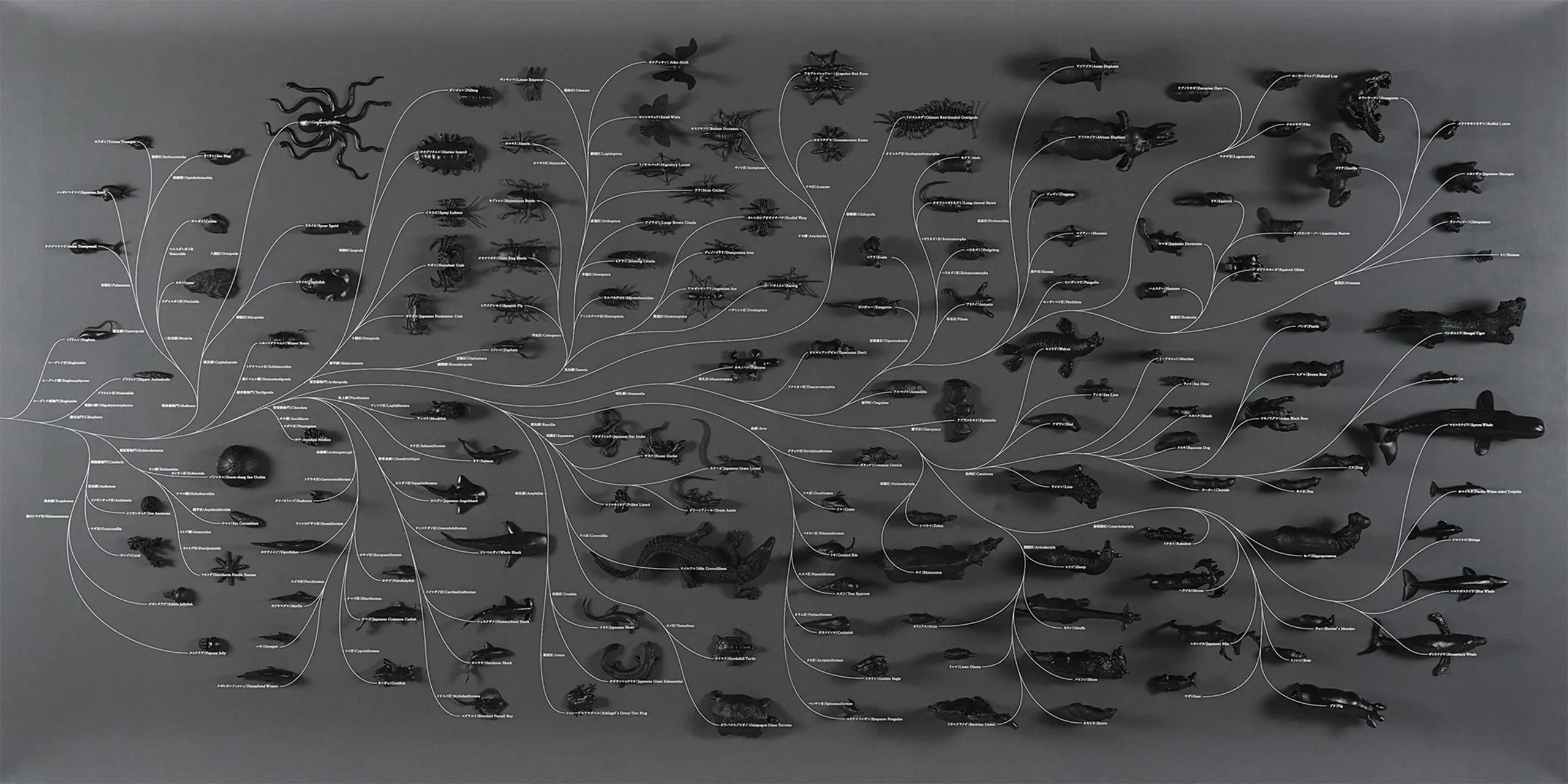
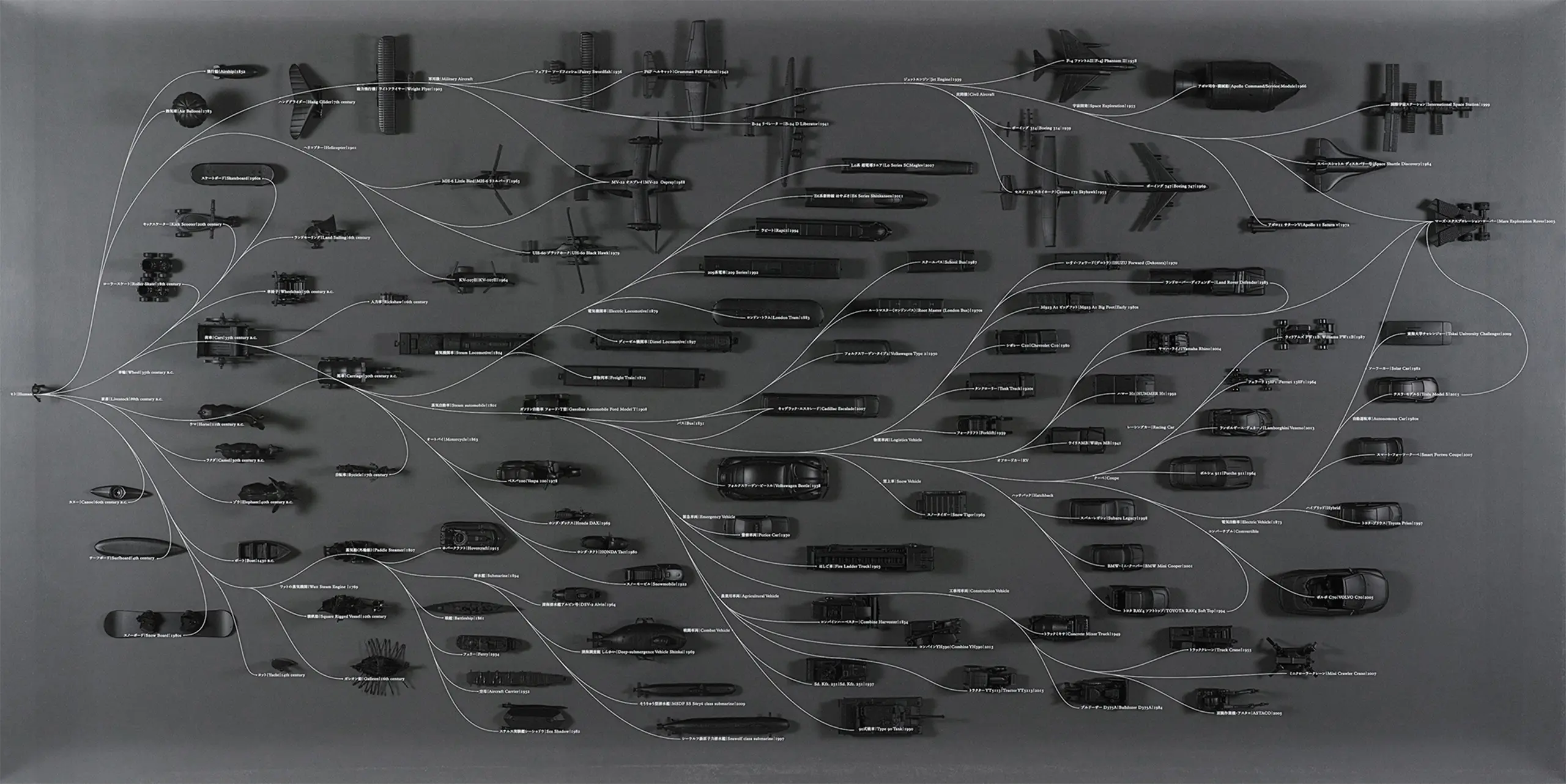
Tachikawa, who had become interested in the creativity of natural forms—which possess no language—that surpasses that of humans, began exploring the commonalities between biological evolution and human creativity. In the exhibition “No-Designer: Form and Reason,” held at the Ginza Graphic Gallery (ggg), he presented works that contrasted evolution and creation, delving into the reasons behind forms and methods for conceiving design.
2012 Began teaching the course “The Grammar of Design”
After entering the workforce and fully committing to his career as a designer, Tachikawa began teaching “The Grammar of Design” at Musashino Art University, a course that expanded upon the content of his master’s thesis. The course, which later expanded to include sessions for working professionals, gained a strong reputation, leading to its adoption at the University of Tokyo’s i.school and its application in innovation initiatives at various companies.
2006: Wrote Master’s Thesis “Linguistic Cognition of Design”
The origins of Evolutional Creativity lie in Tachikawa’s master’s thesis, “Linguistic Cognition of Design,” which he completed while studying architecture as a graduate student. Focusing on the process by which ideas and concepts emerge—a topic he had long been interested in—the thesis examined this process from a linguistic perspective, based on the assumption that language serves as the trigger for inspiration.

INFORMATION
- What
- Evolutional Creativity
- When
- 2016-
- Where
- Japan
- Scope
- Branding / Branding Strategy / Logo / Edition / Business card / Motion logo / Promotional items / Infographics / Photograph / Book cover and inner page design / Exhibition / Poster / Concept Development
- Award
- The 30th Shichihei Yamamoto Prize2021
- ITB GANESHA WIDYA JASA ADIUTAMA2024
- SDGs





CREDIT
- Inventor
- Eisuke Tachikawa
- Thanks
Amanokaze (kazetotuchito Inc. ),Eiji Press Inc. , NOSIGNER staffs,Ginza Graphic Gallery , Yuichi Hisatsugu, Kunihiko Sato