PROJECT
الإبداع التطوري
منهجية إبداعية تتعلم من التطور البيولوجي. تم تبنيها من قبل أكثر من 70 شركة وجامعة، وفازت بجائزة ياماموتو شيتشيهي. تُرجمت إلى الصينية والكورية والإندونيسية، وتنتشر عالمياً.
HOW
منهجة تعليم الإبداع باستخدام التطور البيولوجي.
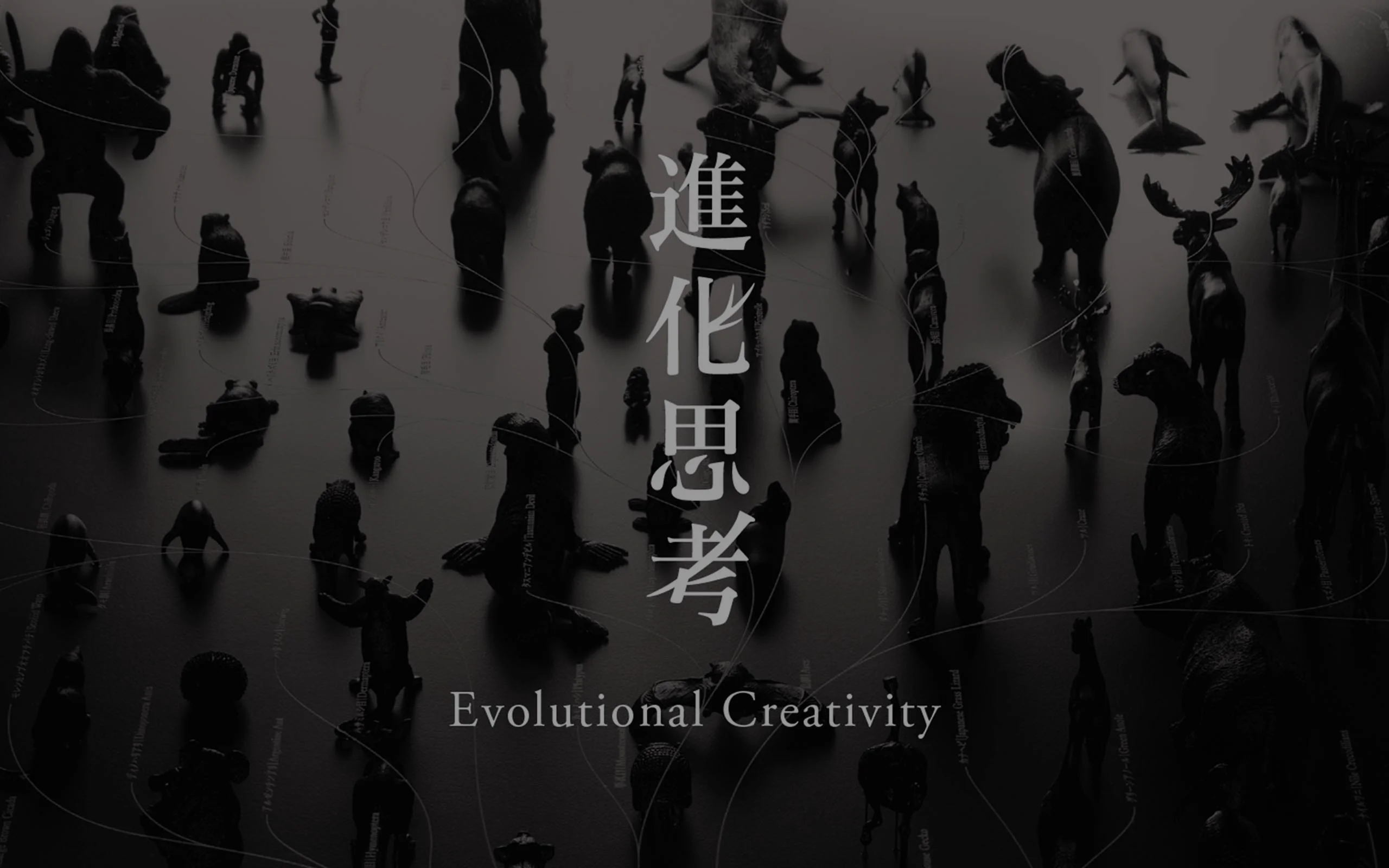
الإبداع البشري مميز جداً لدرجة أنه يمكن تسميته ظاهرة خارقة للطبيعة في العالم الطبيعي. من بين عشرات الملايين من الأنواع في تاريخ الحياة على الأرض الممتد لـ 3.8 مليار سنة، لا توجد أنواع أخرى أظهرت مستوى إبداعنا. وبما أننا نحن البشر جزء من الطبيعة أيضاً، فإن إبداعنا يجب أن يُعتبر أيضاً ظاهرة طبيعية.
في الوقت نفسه، عندما ننظر إلى الأشكال والصور في الطبيعة، قد نعتقد أن الطبيعة أكثر إبداعاً من البشر. لماذا هذا؟
من هذا المنظور، يعتقد إيسوكه تاتشيكاوا، رئيس NOSIGNER، أن الإبداع البشري ظاهرة مشابهة لتطور الكائنات الحية. لقد استمر في محاولة هيكلة الإبداع بناءً على التطور الطبيعي. وبذلك توصل إلى الإبداع التطوري، وهو منهج تفكير إبداعي منظم يطبق آليات تطور الكائنات الحية على التصميم والابتكار.
تتطور الكائنات الحية من خلال الطفرات التي تحدث بالمصادفة والانتقاء الذي يحدث بالضرورة بسبب العوامل البيئية والظروف الأخرى. هاتان العمليتان تتكرران وراثياً عبر الأجيال.
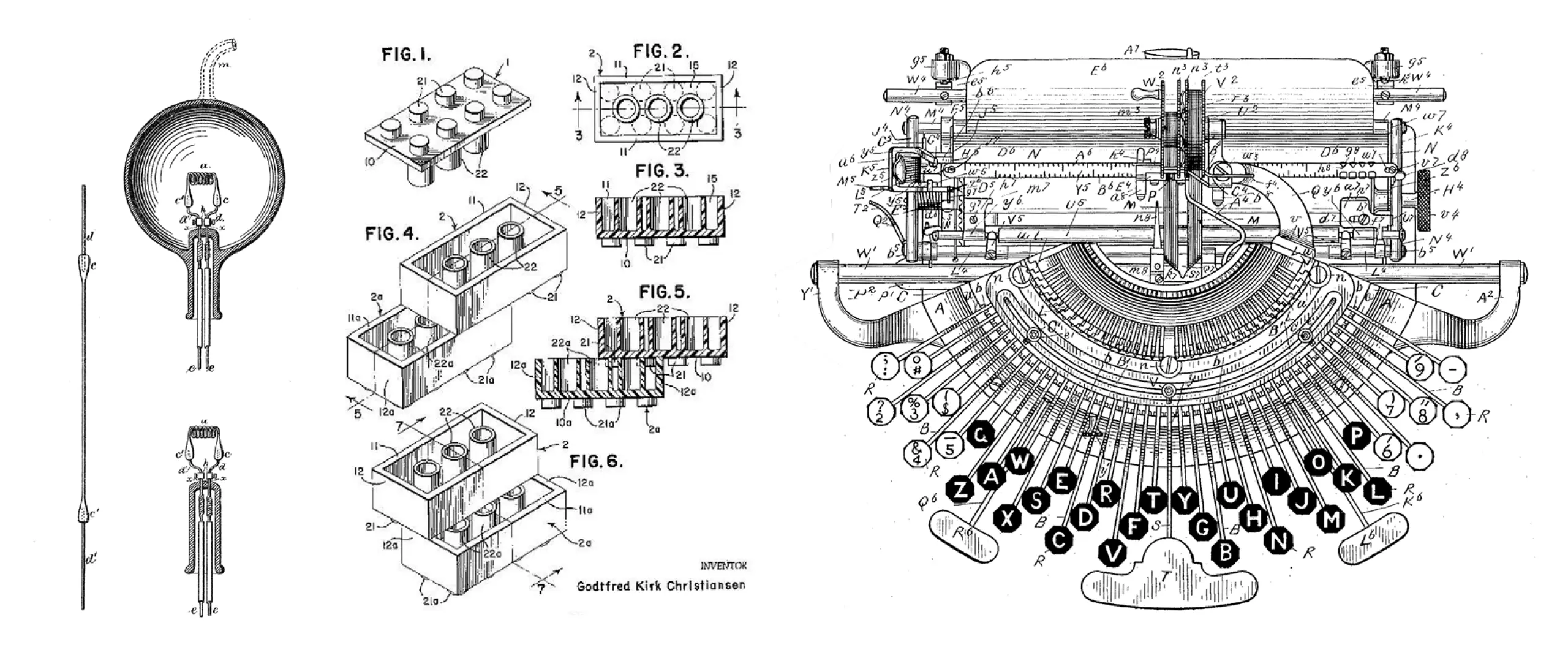
إذا كان إبداعنا يعمل بنفس الطريقة، فإن العديد من اختراعات وابتكارات البشرية التي غيّرت العالم يمكن أن تُعزى إلى هاتين العمليتين المتناوبتين الناتجتين عن المصادفة والضرورة. لا يوجد قصد واعٍ في كلٍ من العمليتين المصادفة والضرورية. العمليتان ببساطة تتناوبان بينهما للاقتراب من التكيف الأمثل.
الإبداع شيء يحدث تلقائياً دون الاعتماد على القصد الواعي للمبدع. بناءً على هذه الفكرة، الإبداع التطوري هو عملية التناوب بين الأفكار المتحورة المولودة من المصادفة المجنونة وغير التقليدية والأفكار الانتقائية المولودة من ضرورة التكيف مع الظروف الحالية. هذه العملية الإبداعية المتناوبة تستمر عبر الأجيال.
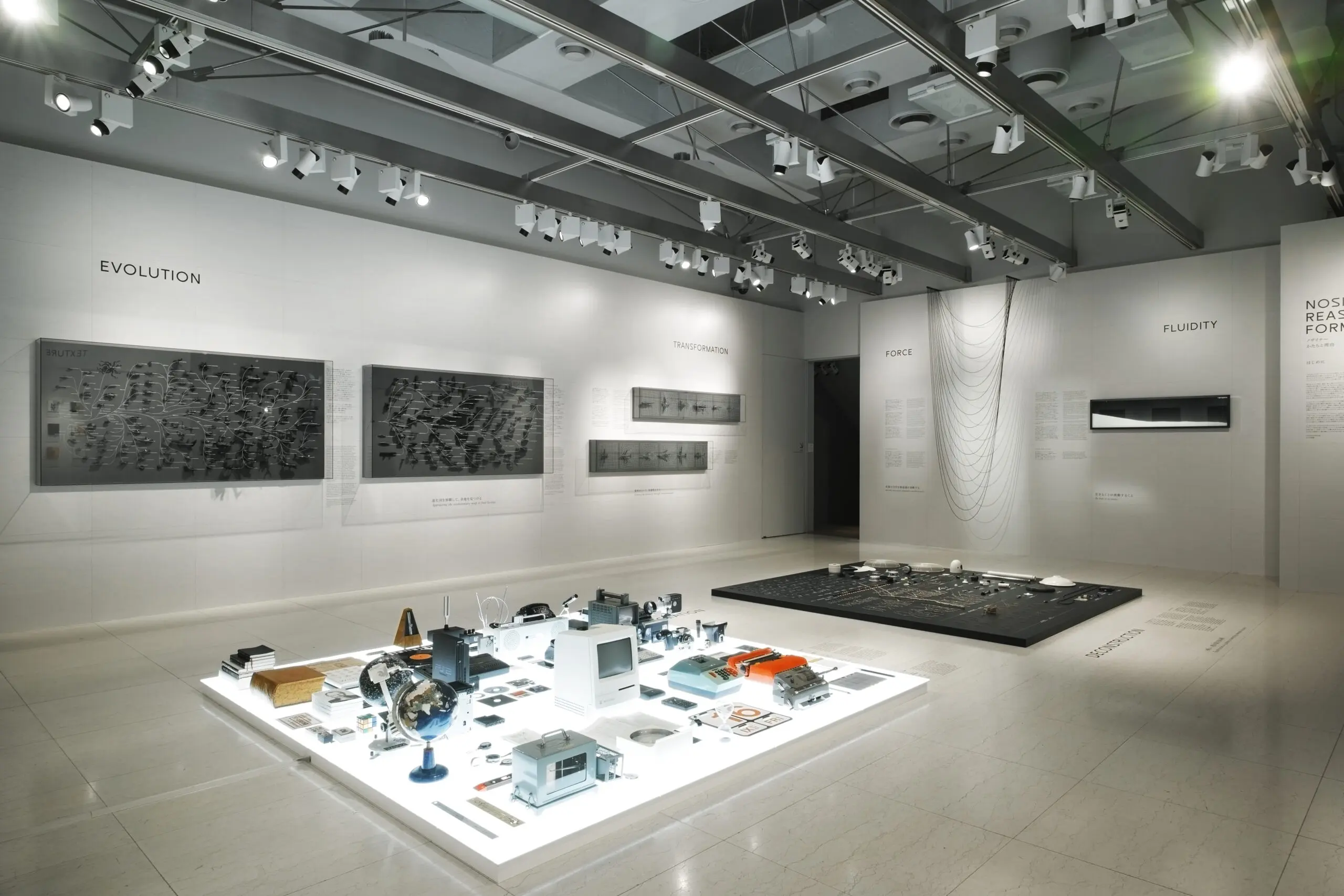

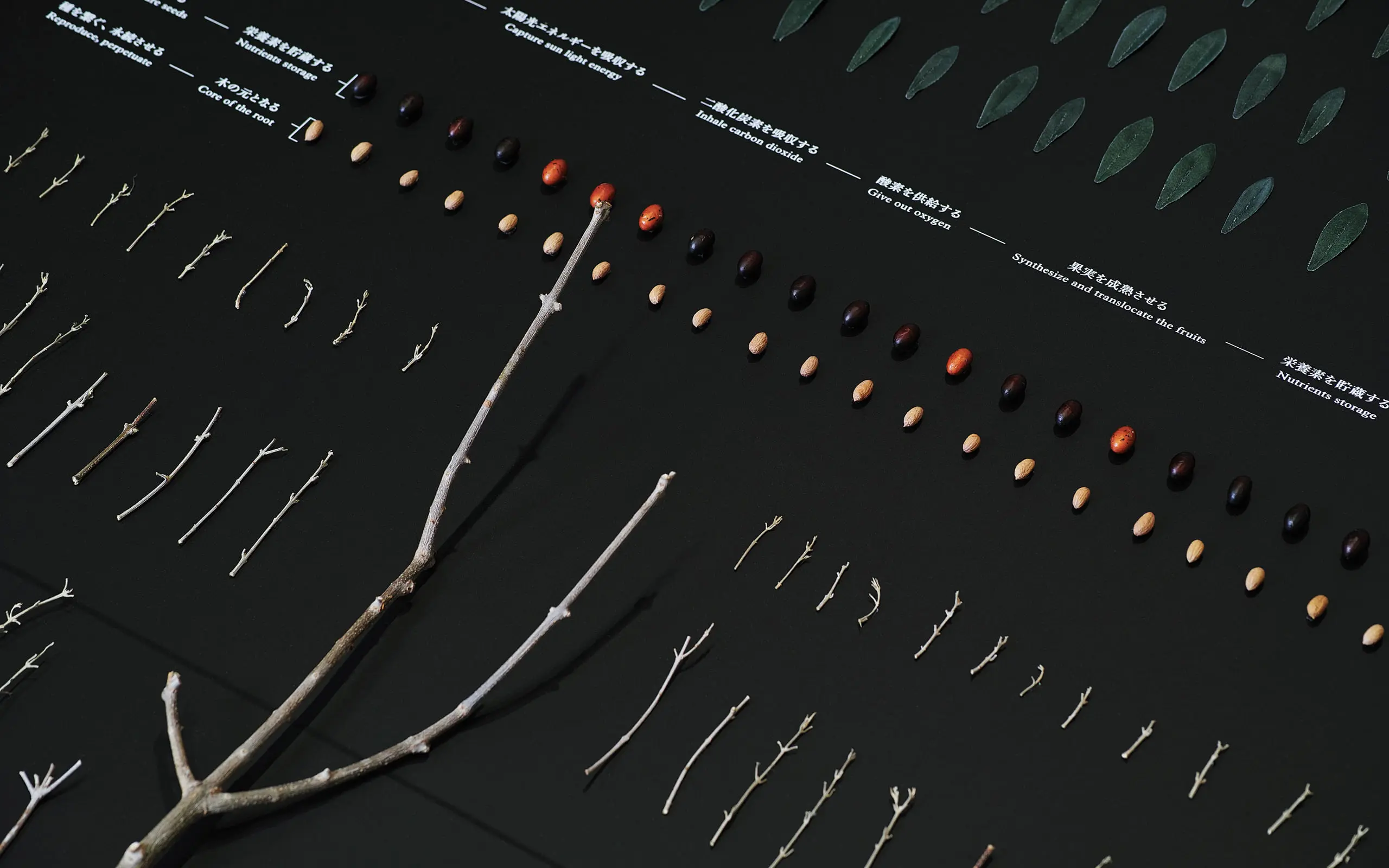
يدرس تاتشيكاوا الصلة بين التصميم واللغة، ويعتقد أن مصدر الإبداع البشري يأتي من اللغة. ومفتاح تطور الكائنات الحية هو طفرة الحمض النووي التي تشبه اللغة إلى حد كبير.
يمكن تشبيه أخطاء نسخ الحمض النووي بالنطق الخاطئ وسوء السمع في اللغة. وبناءً على هذا الافتراض، يضع تاتشيكاوا نظرية مفادها أن التطور والإبداع ينتجان أنماطاً متشابهة من الطفرة.
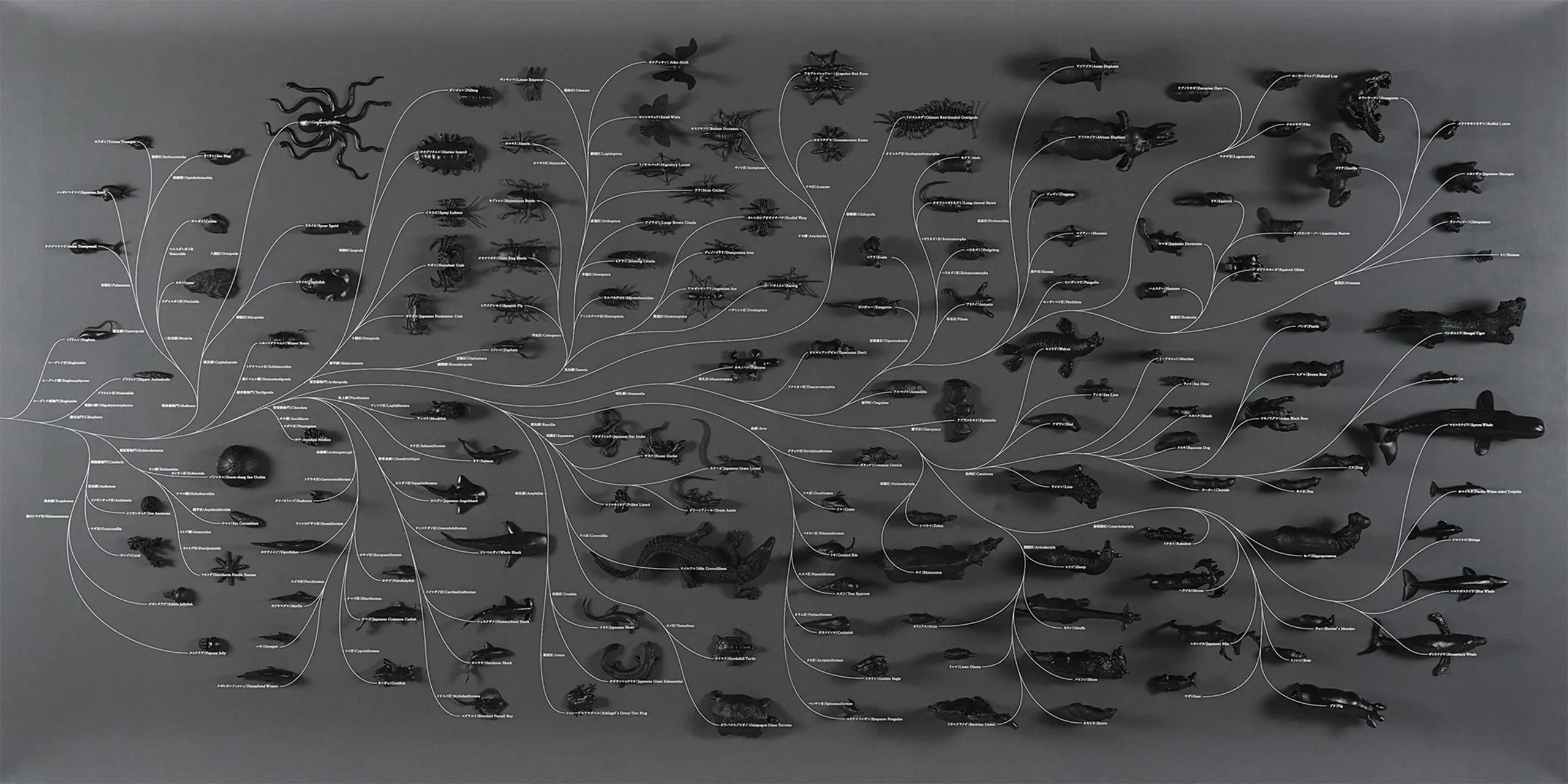
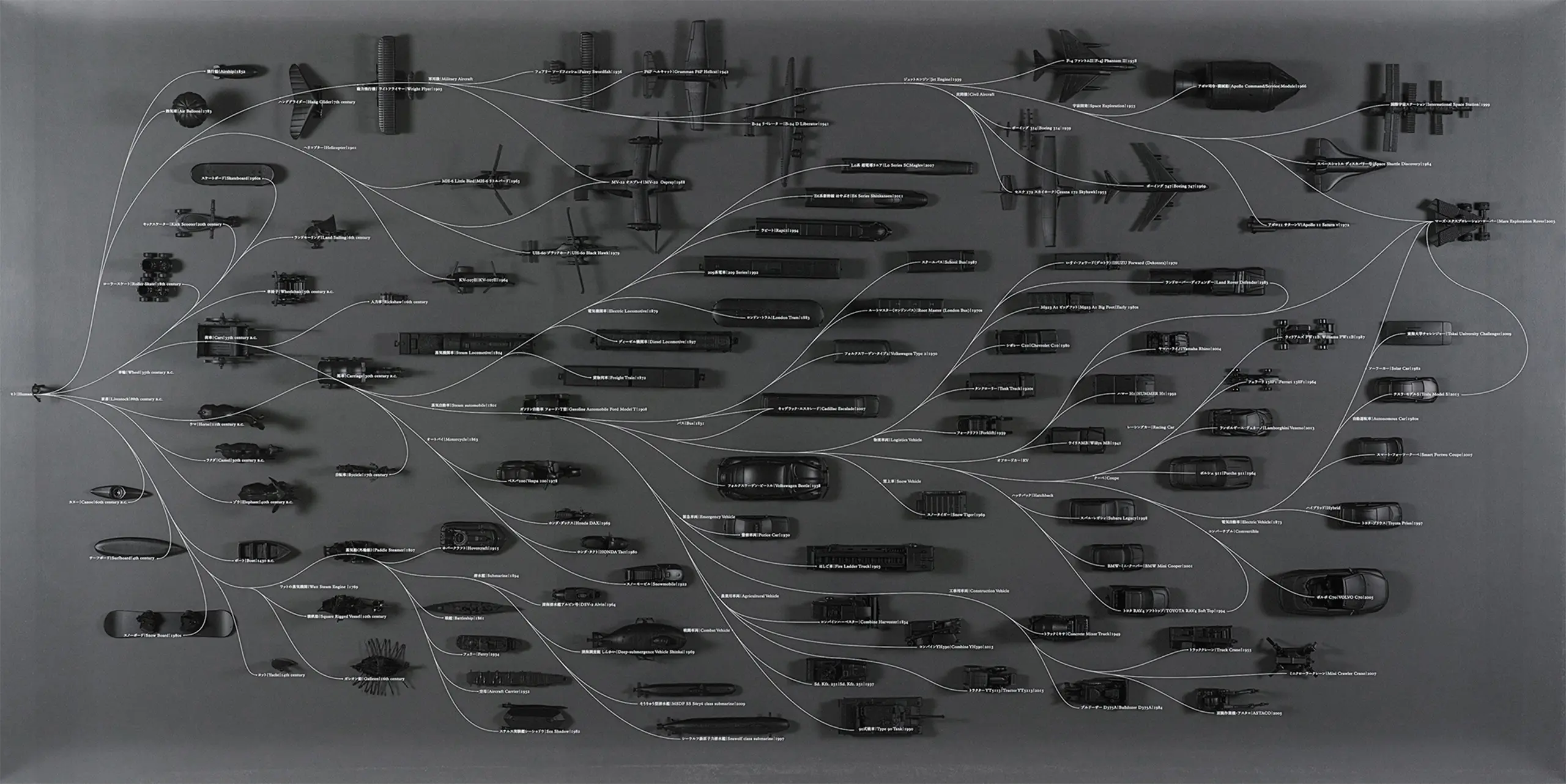
الأنماط المتشابهة الموجودة في تطور الكائنات الحية واضحة أيضاً في الاختراعات والثقافات البشرية المتنوعة. يطبق الإبداع التطوري هذه الأنماط المتشابهة على العملية الإبداعية. يتم تصنيف الأخطاء التي تؤدي إلى أفكار جديدة إلى تسعة أنواع.
باستخدام أنماط الطفرة التسعة وهي التنويع والاختفاء والدمج والعكس والفصل والاستبدال والاستيعاب والانتقال والانتشار كأدوات من صندوق أدوات، يمكننا توليد عدد كبير من الأخطاء المتزامنة لإنشاء العديد من الأفكار في فترة زمنية قصيرة. هذه هي الأفكار المتحورة.
فكيف نختار فكرة جيدة من هذه الأنواع من الأخطاء؟ في العالم الطبيعي، يمكننا ملاحظة كيف تقوم الكائنات الحية بالاختيار للتكيف مع بيئتها. إذا تعلمنا من نهج عالم الطبيعة المصقول على المدى الطويل لمراقبة العالم الطبيعي، فقد نتمكن من اختيار أفكار تكيفية.
أثناء دراسة طرق المراقبة المختلفة في العلوم الطبيعية، لاحظ تاتشيكاوا أن هناك أربع منظورات فقط تشمل الزمان والمكان معاً. كل واحد منها كان نظام مراقبة بيولوجية راسخ.
المنظورات الأربعة هي علم التشريح لفهم الأجزاء الداخلية، والنظام البيئي لفهم البيئة الخارجية، والنسب لفهم تطور السلالة، والتنبؤ للتأمل في المستقبل بنهجي التوقع والتنبؤ العكسي. لقد نظم هذه الطرق التكيفية الأربع وأطلق عليها اسم التعلم المكاني-الزمني. من خلال تحليل الظروف عبر هذه المنظورات الأربعة التي تشمل الزمان والمكان، يمكننا فهم كيف يتعرض المجتمع للضغط لاتخاذ الخيارات الحتمية التي يتخذها. يمكننا بعد ذلك مواجهتها وفقاً لذلك من خلال اختيار أفكار راسخة.
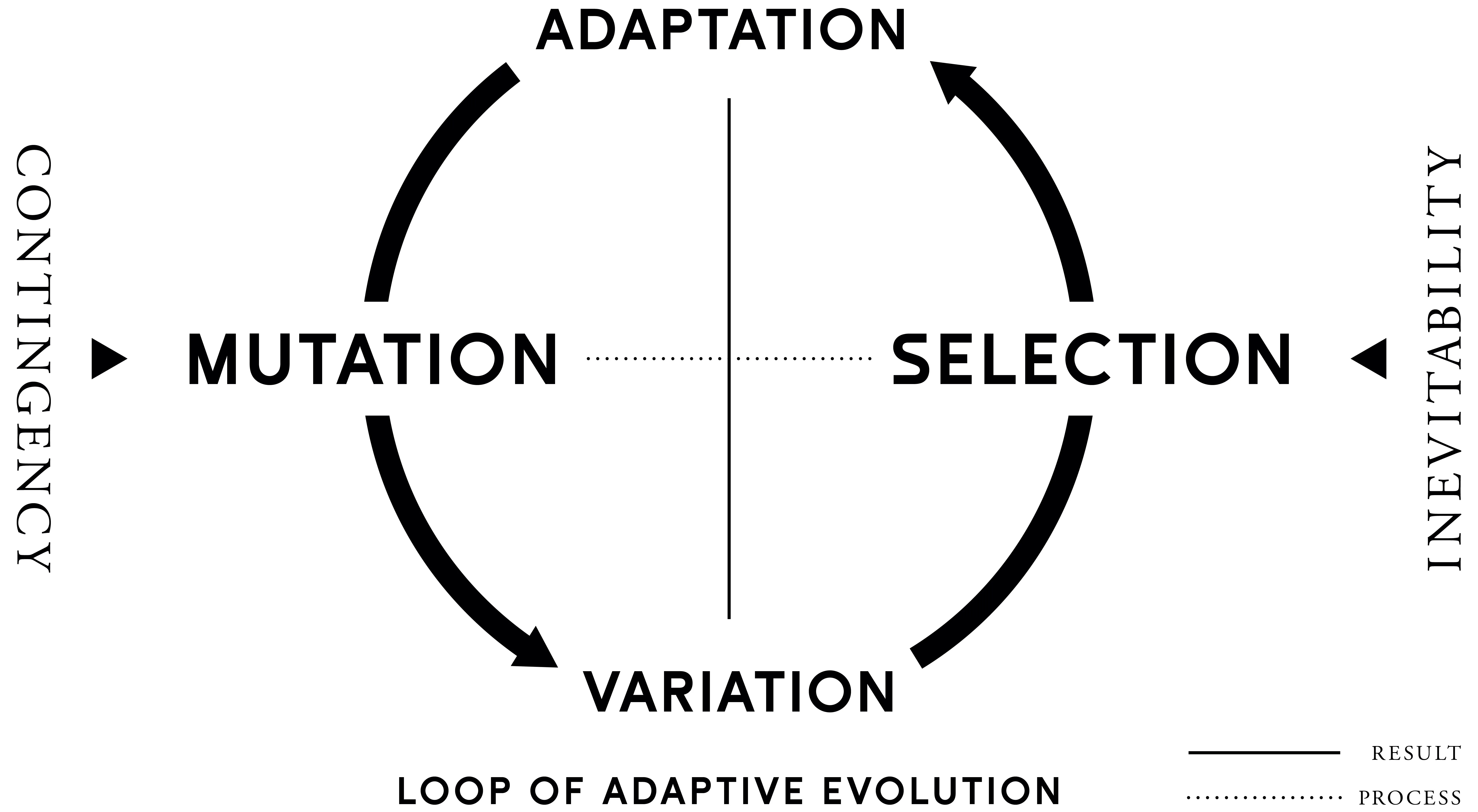
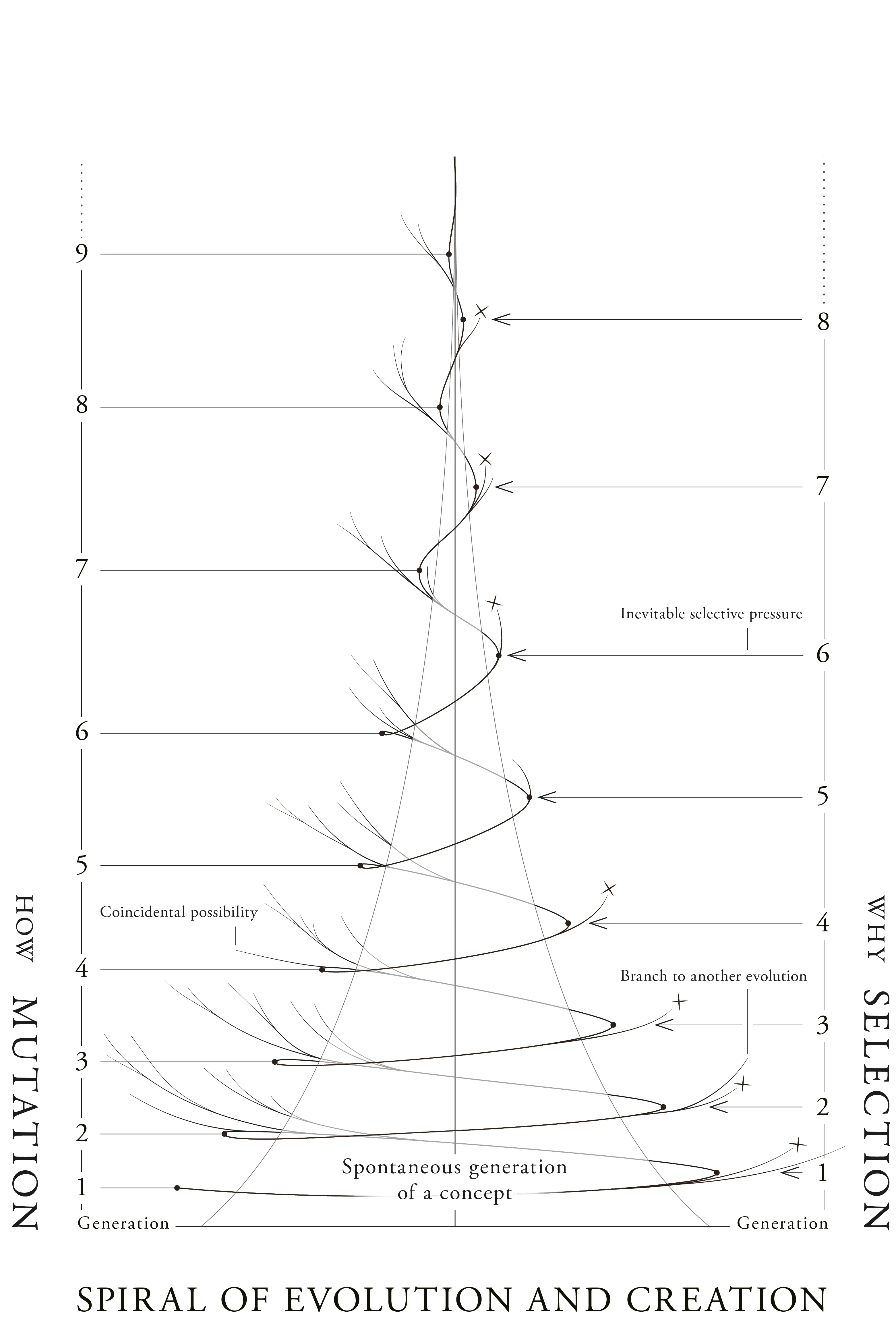
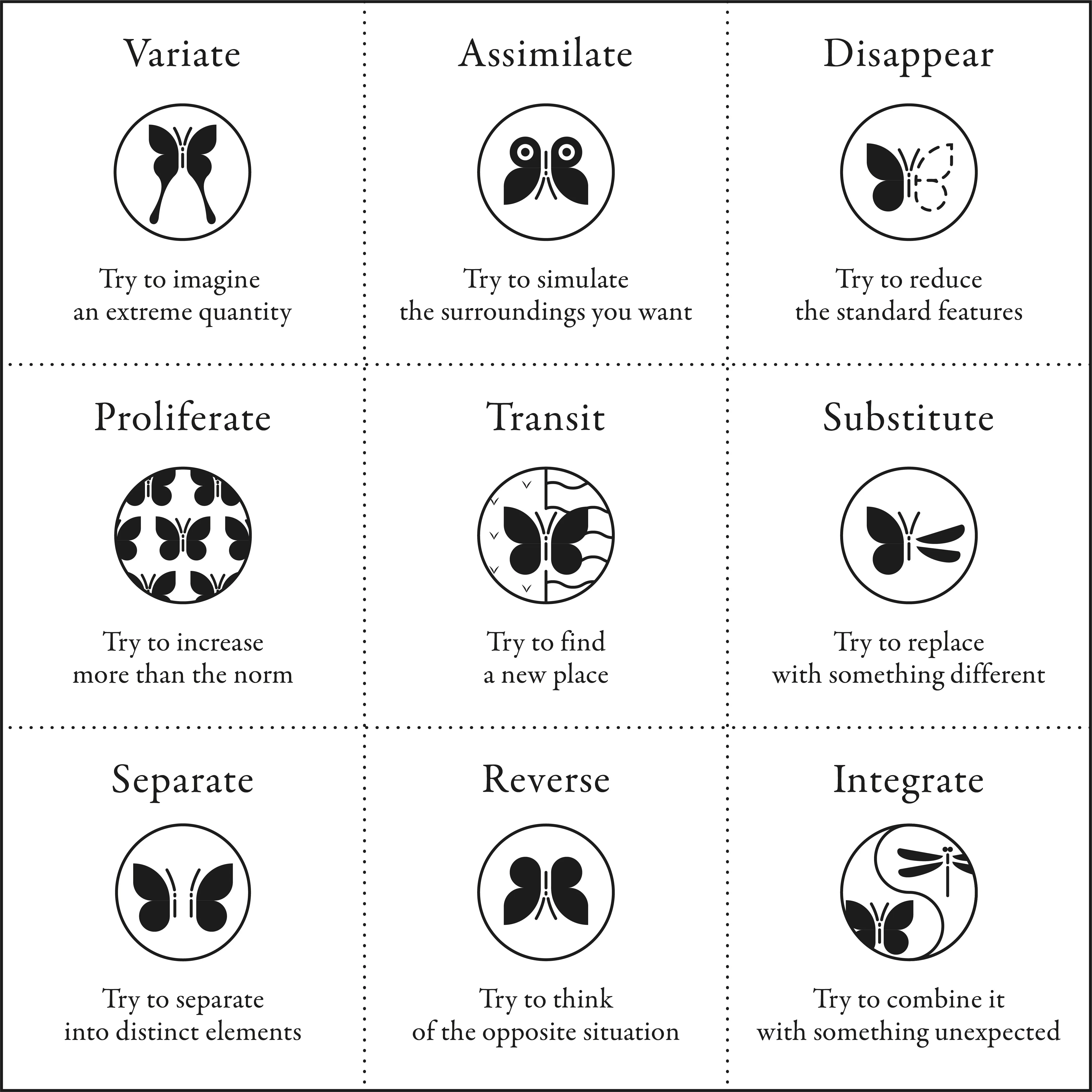
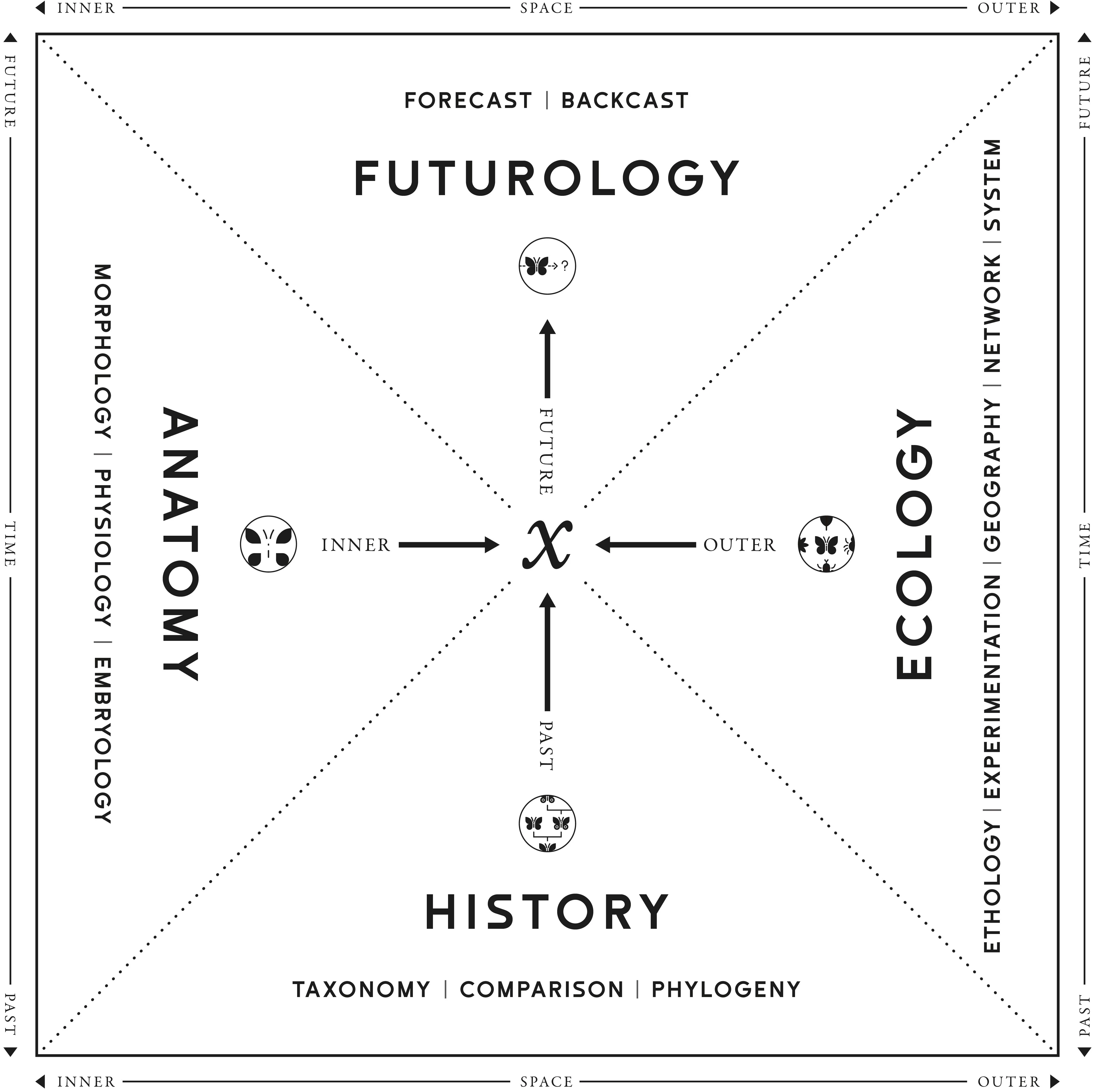
الإبداع التطوري هو طريقة تفكير لاستحضار مفاهيم إبداعية يمكنها البقاء لفترة طويلة أثناء استخدام والتناوب بين فكرتي الطفرة والانتقاء.
(استخدمت الطبعة الأولى من كتاب الإبداع التطوري تعبير "الطفرة والتكيف" في إشارة إلى الطفرة المصادفة والانتقاء الطبيعي الهادف للتكيف. ومع ذلك، غيرت الطبعة المنقحة التعبير إلى "الطفرة والانتقاء" ليكون أكثر توافقاً مع الصحة الأكاديمية.)
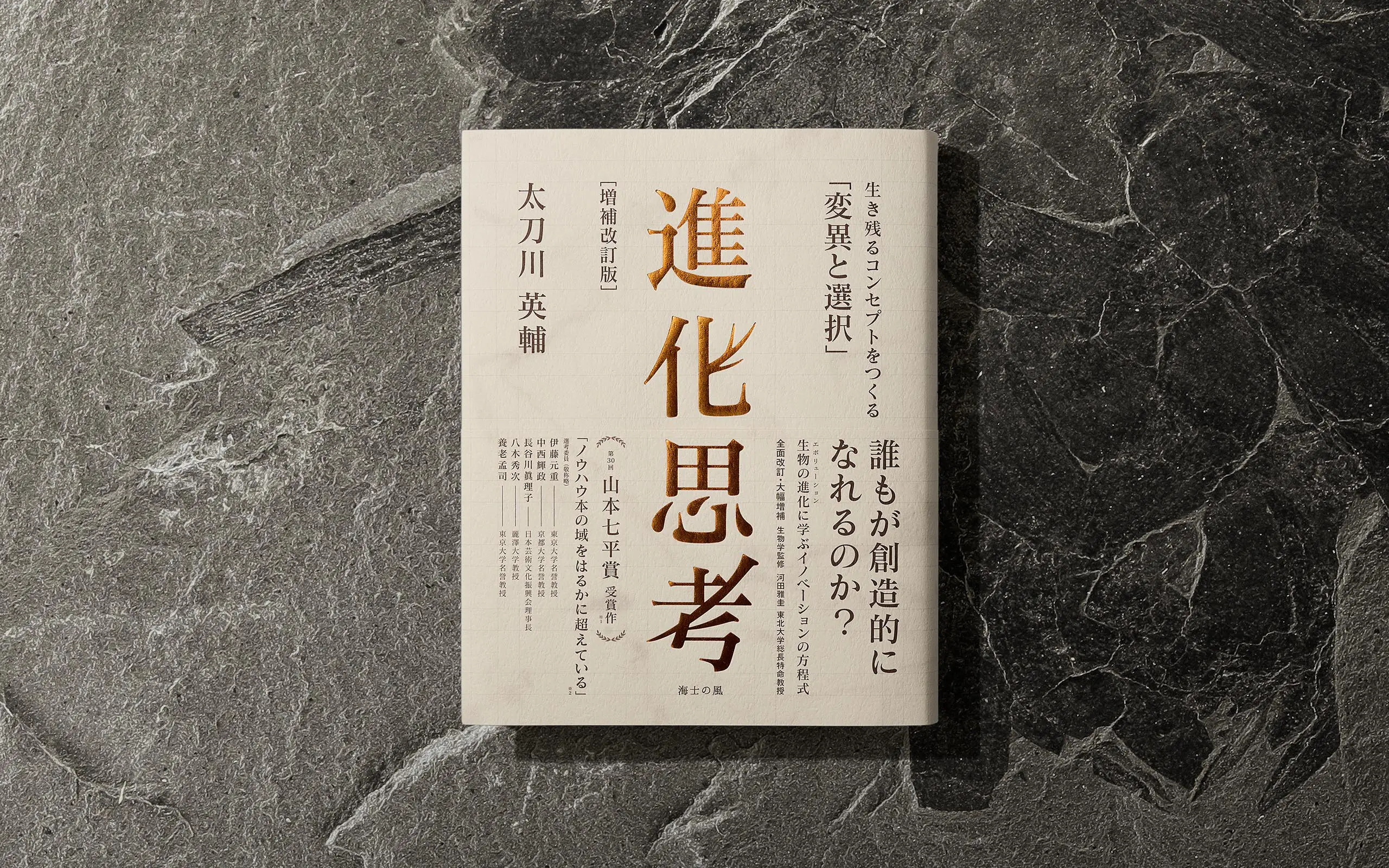
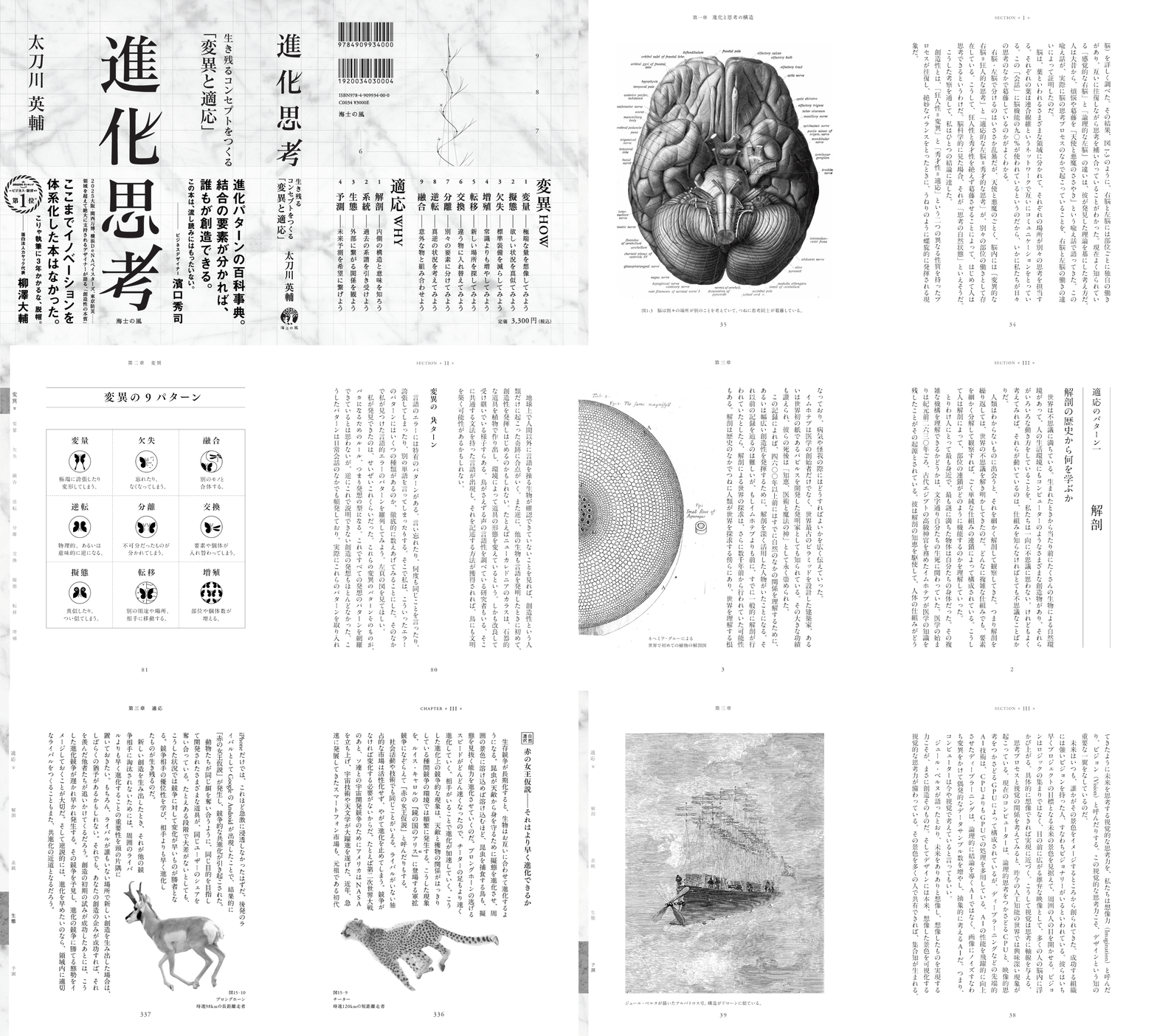
في أبريل 2021، طُرح كتاب "الإبداع التطوري" للبيع كأول كتاب تنشره دار أمانوكازي، أول دار نشر تأسست في أما بمحافظة شيماني، على جزيرة نائية يبلغ عدد سكانها حوالي 2000 نسمة بالقرب من الحدود الوطنية. رغم نشره في موقع نائي، أصبح الكتاب الأكثر مبيعاً رقم 1 على أمازون اليابان في فئة الأعمال والاقتصاد. في غضون أسبوع واحد من إصداره، بيع منه 30,000 نسخة في ثلاث طبعات. واستمرت مبيعات الكتاب في التوسع على نطاق واسع.
كما فاز الكتاب بجوائز عديدة في اليابان. إحداها كانت جائزة ياماموتو شيتشيهي، وهي جائزة أكاديمية مرموقة تُمنح مرة كل بضع سنوات لكتب العلوم الإنسانية التي تجسد اليابان. تألفت لجنة الاختيار من عالمين في الأحياء (عالم التشريح تاكيشي يورو وعالمة الأحياء التطورية ماريكو هاسيغاوا)، واقتصادي العلوم الاجتماعية موتوشيغي إيتو، وعالم السياسة تيروماسا ناكانيشي، والباحث القانوني هيديتسوغو ياغي. حصل الكتاب على إشادة أكاديمية تجاوزت العلوم الإنسانية والطبيعية.
من خلال "الإبداع التطوري"، نريد أن نثبت أنه يمكننا تغيير العالم حتى من موقع نائي. كما نريد نشر برنامج تعليم الإبداع الجديد هذا إلى العالم.
VOICE
تتبع عملية التطور مجموعة متنوعة من القوانين المعترف بها. يستند المؤلف إلى هذه القوانين كأساس، بهدف تقديم مادة مرجعية قيمة لما يُسمى بالابتكار.
بينما يُفضل استكشاف تفاصيل كل حالة من خلال قراءة الكتاب نفسه، فإن أصالة الفكرة - تطبيق مبادئ التطور على التفكير في الابتكار - تفوق بكثير تلك الموجودة في دليل إرشادي عادي. الأمثلة المقدمة في كل قسم حية وجذابة، مما يجعل الكتاب ممتعاً كقراءة. هذا يعكس تفكير المؤلف المستمر والدؤوب.
لقد أدت 3.5 مليار سنة من التطور البيولوجي على الأرض إلى وصولنا إلى ما نحن عليه اليوم، وشكلت هويتنا الحالية. إذا كانت تلك العملية موجهة بواسطة قوانين معينة، فلا يوجد سبب يمنع هذه القوانين نفسها من أن تكون بمثابة مرجع للعمليات المقبلة.
منهج المؤلف في الأساس قياسي. لقد لاحظ كونراد لورينز، عالم السلوك الحيواني، ذات مرة في محاضرة جائزة نوبل الخاصة به أن منهجه كان قياسياً بحتاً. في العالم الأكاديمي، الذي كثيراً ما يؤكد على "الأصالة"، قلة قليلة ستعترف بهذا. ومع ذلك، في السياقات التي تُقدر فيها الأصالة - مثل الابتكار - تصبح أهمية القياس واضحة. بهذا المعنى، فإن هذا العمل ذو قيمة عالية ويستحق جائزة ياماموتو شيتشيهي.
معهد يورو للأبحاث المحدود /
أستاذ فخري، جامعة طوكيو
تاكيشي يورو

حول تصميم الكتاب
تم تصميم الكتاب من قبل تاتشيكاوا، المؤلف نفسه.
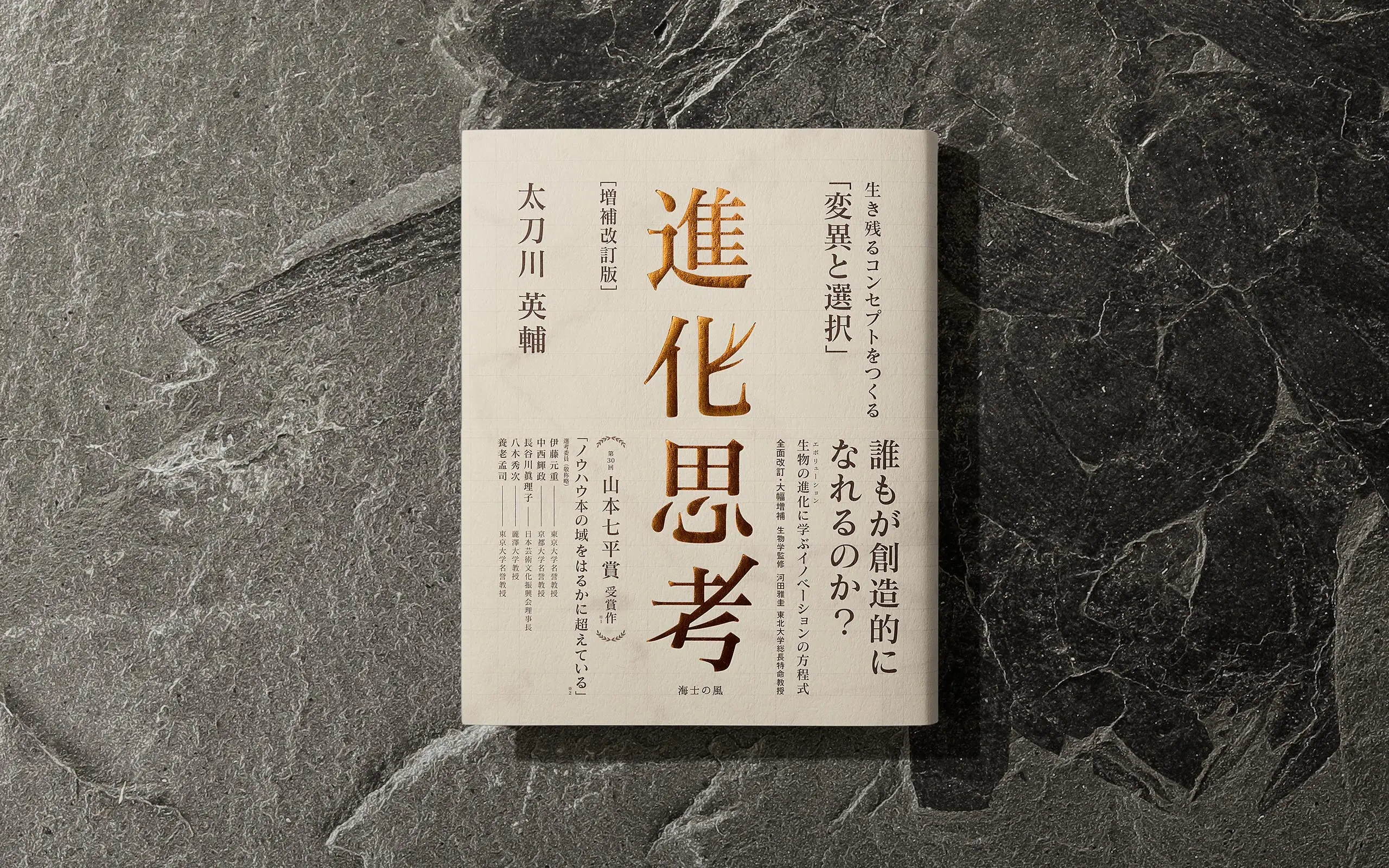
أراد أن يستمر الكتاب في كونه محبوباً إلى ما بعد الأزمنة الحالية. مستوحياً من الطبقات الجيولوجية التي تراكمت عبر العصور، قرر اعتماد تصميم وملمس يشبه الصخر. كان هذا أيضاً تكريماً للبحث الجيولوجي لجيمس هاتون الذي أثر على نظرية تشارلز داروين للتطور.
يستخدم غلاف الكتاب ورقاً منقوشاً مزخرفاً (يُسمى "إيوا-هادا" أو سطح الصخر) بملمس يشبه الصخر، عليه نمط رخامي مطبوع. وبما أن حواف الكتاب لها نفس النمط الرخامي، فإن الكتاب الذي يزيد عن 500 صفحة يبدو كطوبة حجرية سميكة وصلبة. أيضاً، من خلال التخلص من العناصر الزخرفية قدر الإمكان واعتماد تصميم بسيط، يتم الحفاظ على لون موحد. إنه تصميم كتاب خالد وجذاب لا تؤثر عليه أي اتجاهات تصميمية.
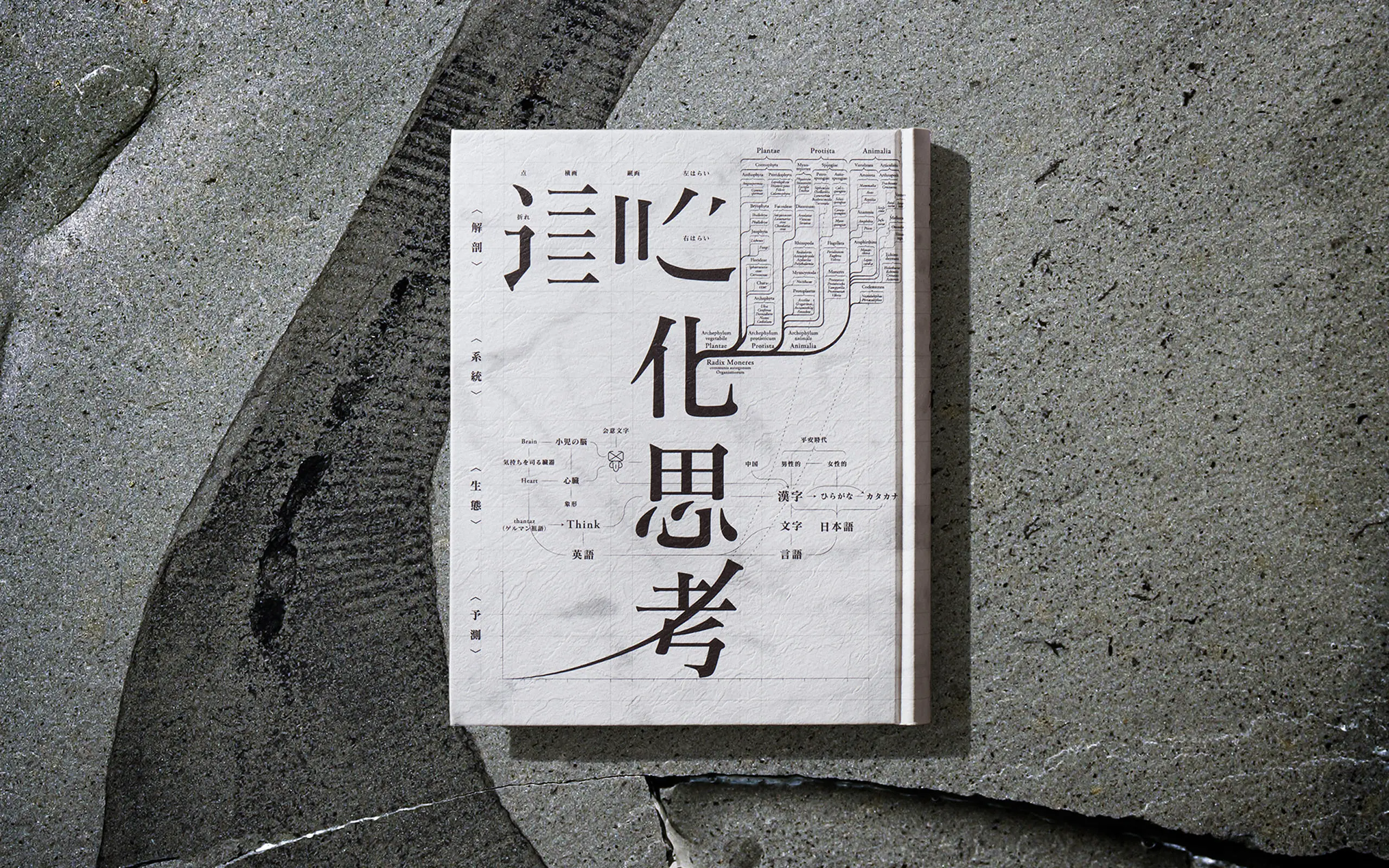
يُظهر شعار عنوان الكتاب الأحرف الكانجي الأربعة (進 化 思 考) في حالة انتقال بناءً على أنماط الطفرة للإبداع التطوري وهي: الانتشار، والاستيعاب، والعكس، والتنويع. عند إزالة الغلاف الورقي، يُظهر غلاف الكتاب نفس الأحرف الكانجي الأربعة كتمثيلات بصرية للأفكار الأربعة للتعلم المكاني-الزمني: التشريح، والسلالة، والنظام البيئي، والتنبؤ.
قد يبدو الشعار المطبوع أسود عند النظر إليه مباشرة من الأعلى، لكنه يظهر بنياً عند النظر إليه من زاوية. تم إنتاج هذا التأثير من خلال رقاقة الطبع الساخن "البني القهوائي" من شركة موراتا كيمباكو وهو مصمم ليبدو مثل الجواهر اللامعة خفيفاً المطمورة في الرخام.

بما أن تاتشيكاوا هو مصمم الكتاب والمؤلف في الوقت نفسه، فقد تمكن من تصميم تنسيق المحتوى الرئيسي بفعالية عبر استخدام النص المتدفق حول الرسوم التوضيحية لدمج الرسوم في النص. كما يحتوي فهرس الكتاب على نمط رخامي لتسهيل العثور على المواضيع وإعادة قراءة النص.
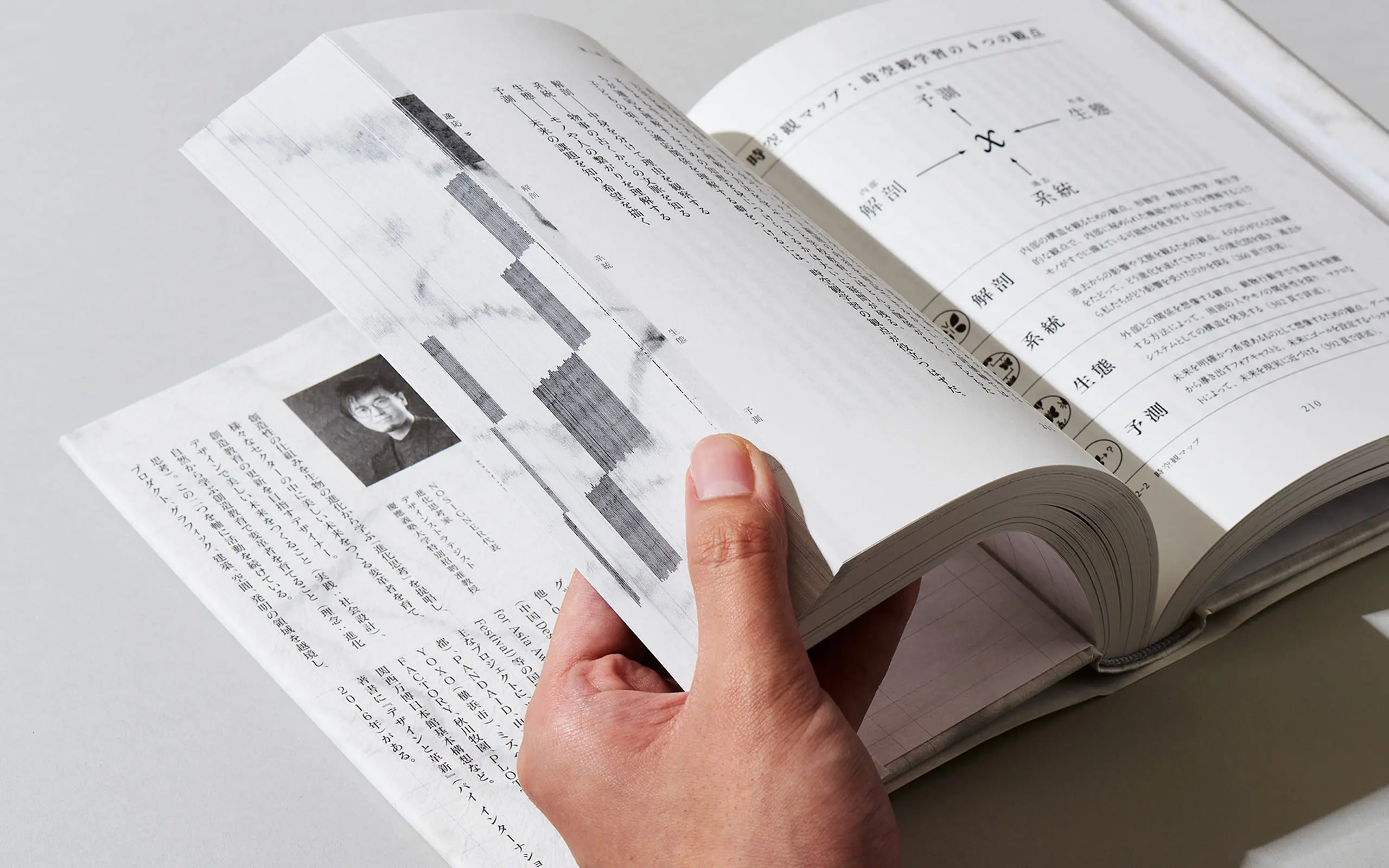
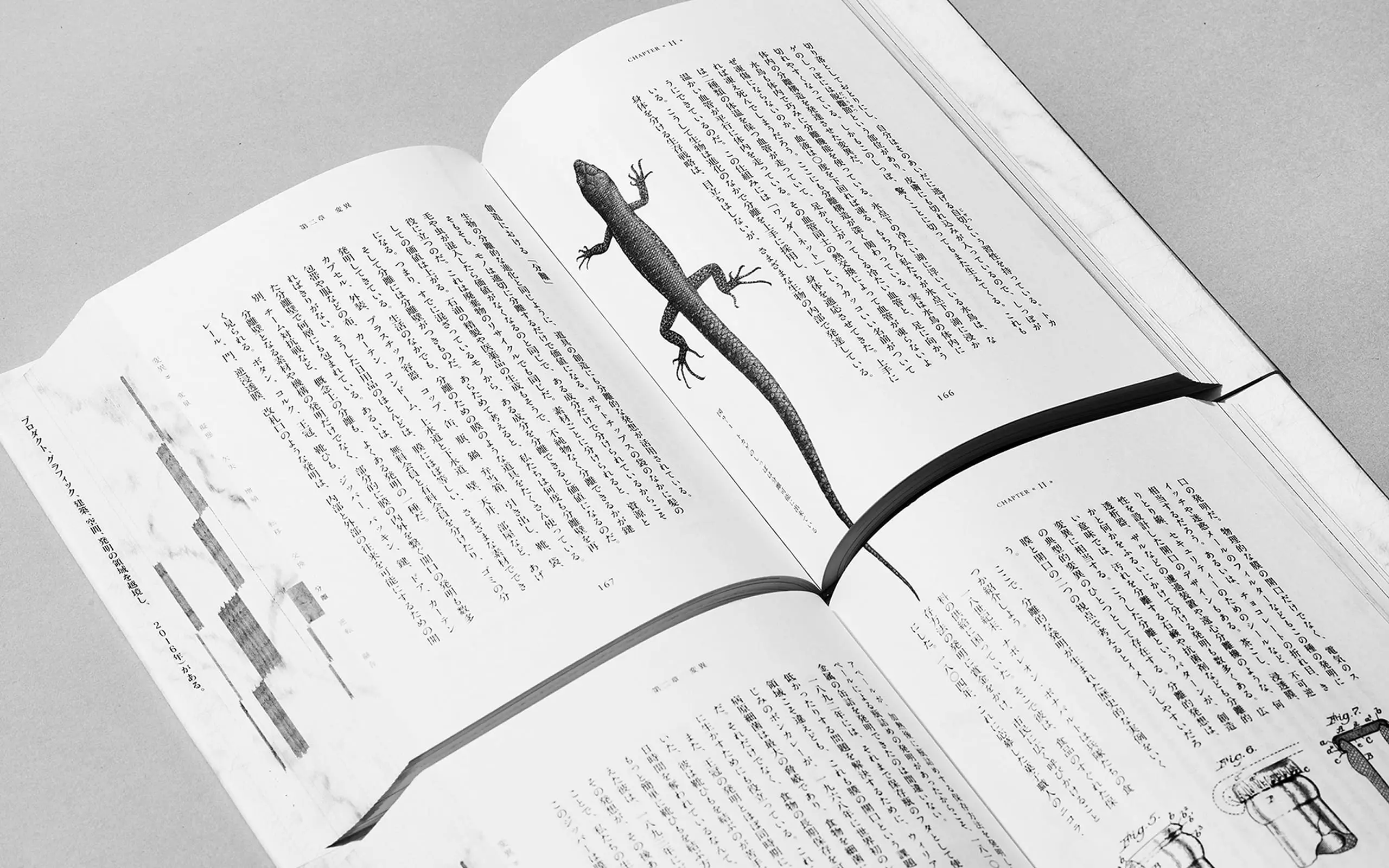
بالاستفادة من حقيقة أن الكتاب نشأ من ورش إبداعية في الشركات والجامعات، فإنه يتضمن 50 ورشة عمل تشجع على التفكير الإبداعي. بدلاً من كونه مجرد كتاب مدرسي للقراءة، يمكنك أيضاً تجربة أفكارك الإبداعية وتطبيقها عملياً. رغم أن طول الكتاب يزيد عن 500 صفحة، إلا أنه سهل القراءة وسهل الاستخدام. يمكن استخدامه كمرجع متكرر أو موسوعة للبحث عن مواضيع "الإبداع" و"التطور البيولوجي".
WHY
هل الإبداع شيء مقتصر على أولئك الذين يملكون الموهبة؟
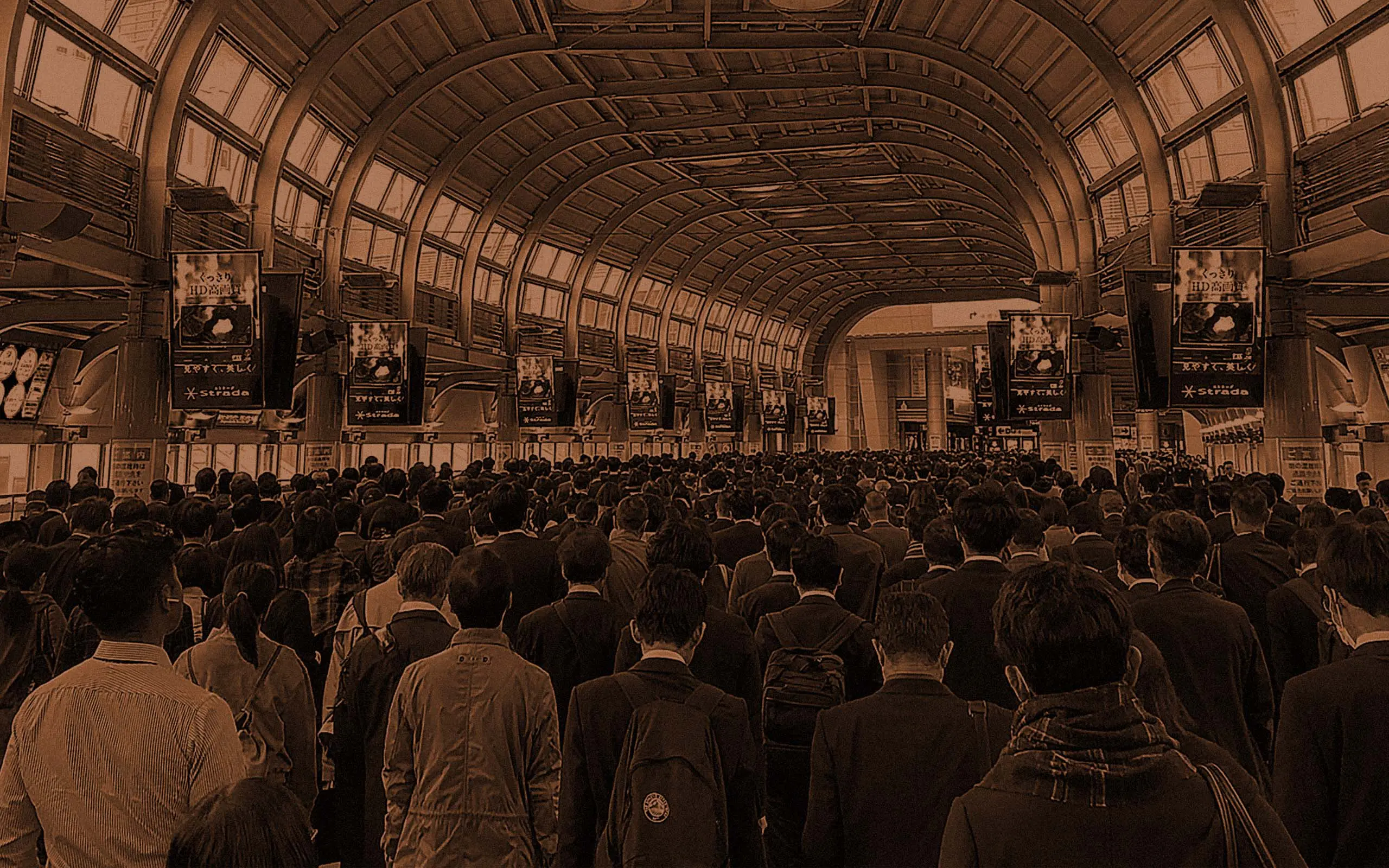
في سعينا وراء رغباتنا، أصبحنا نحن البشر مبدعين واخترعنا جميع أنواع الأدوات، وبالتالي ساهمنا في تطوير حضارتنا. رغم أهميتها، فإن الإبداع يُعتبر عادة قدرة فطرية تتطلب موهبة طبيعية لإظهارها. هل الإبداع شيء لا يمكن تعلمه؟
"الذكاء المتبلور والسائل" بقلم ريموند كاتيل

الوضع بشأن أهداف التنمية المستدامة الفردية في منتصف جدول أعمال 2030

مخطط الطلاب اليابانيين الذين يعتقدون أنهم مبدعون

هناك عدد لا يحصى من الأشخاص الذين يعتقدون أنهم لا يملكون موهبة إبداعية لأنهم لم يرسموا جيداً في حصة الفن، إلخ. وجد استطلاع محبط أن ثمانية بالمائة فقط من طلاب الجامعات في اليابان اعتقدوا أنهم مبدعون.
هل لدينا حقاً فهم شامل للإبداع؟ عندما نفكر في الأمر، قد ندرك كم نعرف القليل عن كيفية عمل الإبداع وكيف يمكن تدريبنا عليه. إذا استطعنا فهم الآليات الداخلية للإبداع، فقد نتمكن من اكتسابه.
في السنوات الأخيرة، بدأت المدارس في التفكير في المشاركة النشطة للطلاب مثل التعلم النشط والتعلم القائم على الاستفسار. الهدف هو تعزيز الإبداع والعقل الاستطلاعي غير المقيد بالإطار التقليدي لموضوع الصف. حتى في عالم الأعمال، تحظى أساليب التفكير التي تحفز الإبداع بمزيد من الاهتمام.
إذا كان لدينا المزيد من الأشخاص الذين يبدأون مشاريع إبداعية، فسيؤدي ذلك إلى مجتمع أكثر استدامة وحلول أساسية لمختلف المشاكل الاجتماعية. لهذه الغاية، نحتاج إلى فهم الإبداع نفسه ووضع نظرية وبرنامج تعليمي للتعلم المنهجي عن الإبداع.
WILL
تحديث التدريس الإبداعي والتغلب على عالم غير مستدام.
لقد حظيت الإبداعية التطورية بقبول واعتراف واسع النطاق كأقوى طريقة للابتكار في العالم، حيث تم تبنيها من قبل الشركات اليابانية الكبرى والمؤسسات التعليمية مثل باناسونيك وفوجيتسو وسوميتومو هاوس وجامعة كيو. وقد تم إدراج هذه الطريقة حتى كسؤال في امتحان القبول للغة الوطنية في جامعة دوشيشا. ومع تبني المزيد والمزيد من الأفراد لهذا التفكير الإبداعي وإنتاج مشاريع تحويلية للاستدامة، يستمر نطاق الإبداعية التطورية في التوسع. حتى الخبراء في الذكاء الاصطناعي الرائد في اليابان يدمجون مبادئ الإبداعية التطورية في عملهم، وقد أقيمت ورش عمل تستخدم هذه الطريقة في أكبر معرض بيئي للحيوانات في حديقة الحيوان في البلاد. تشق الإبداعية التطورية طريقها تدريجياً إلى مجموعة واسعة من المجالات، وسيستمر تأثيرها في النمو.
رغم النجاح المبكر والاعتراف بالإبداعية التطورية، فإن تنفيذ المشاريع التعليمية الإبداعية الحقيقية التي تستمد الإلهام من قوانين الطبيعة لا يزال في مراحله الأولى.
مع استمرار البشرية في التقدم من خلال التكنولوجيا، نواجه أيضاً عواقب التغيرات الجذرية في الجيولوجيا والمناخ، بالإضافة إلى انهيار النظم البيئية. لقد دخلنا "الأنثروبوسين"، وهو عصر جيولوجي يكون فيه للنشاط البشري تأثير عميق على الأرض. مع تجاوز حضارتنا "الحدود الكوكبية"، النقطة التي يصبح عندها التغيير البيئي غير القابل للانعكاس والمفاجئ احتمالاً حقيقياً، أصبح الوقت عنصراً جوهرياً. من الضروري أن نطبق طرقاً تعليمية مبتكرة وفعالة مثل الإبداعية التطورية لضمان بقائنا وتمهيد الطريق لمستقبل مستدام.


إن التعبير الضيق للإنسانية عن الإبداع قد أدى إلى أزمة انهيار الحضارة، ومع ذلك يبقى إبداعنا وسيلتنا الوحيدة للبقاء على الأرض. من الضروري أن نفهم جوهر الإبداع ونستخدمه إلى أقصى إمكاناته في معالجة القضايا المختلفة وإنشاء مجتمع مستدام. حان الوقت الآن لنتعمق أكثر في فهم الإبداع ونطبقه على الحلول التي تعزز التعايش بين الإنسان والبيئة.
فريدريش فروبل، رائد في تعليم الطفولة المبكرة الذي ازدهر في القرن التاسع عشر، وضع الأساس لتعليم الإبداع من خلال استلهامه من العلوم الطبيعية وكان له تأثير كبير على الحركات اللاحقة مثل الباوهاوس. ومع ذلك، على الرغم من العمل الرائد لفروبل والباوهاوس، فقد ظل تعليم الإبداع دون تغيير إلى حد كبير على مدى القرن الماضي. هدفنا هو تطوير وإحياء هذا المجال التعليمي، لمواكبة الاحتياجات المتغيرة باستمرار للمجتمع والبيئة.
نؤمن بأنه من خلال تحديث تعليم الإبداع من خلال منظور الإبداع التطوري، يمكننا تمكين الأفراد من معالجة القضايا الاجتماعية الملحة في عصرنا بطريقة إبداعية وتعظيم إبداع كل شخص في كل مجتمع. من خلال تزويد الأفراد بالأدوات للتفكير والعمل بطرق جديدة ومبتكرة، يمكننا العمل نحو حل التحديات الكبيرة التي تواجه الإنسانية وبناء مستقبل أفضل للجميع.
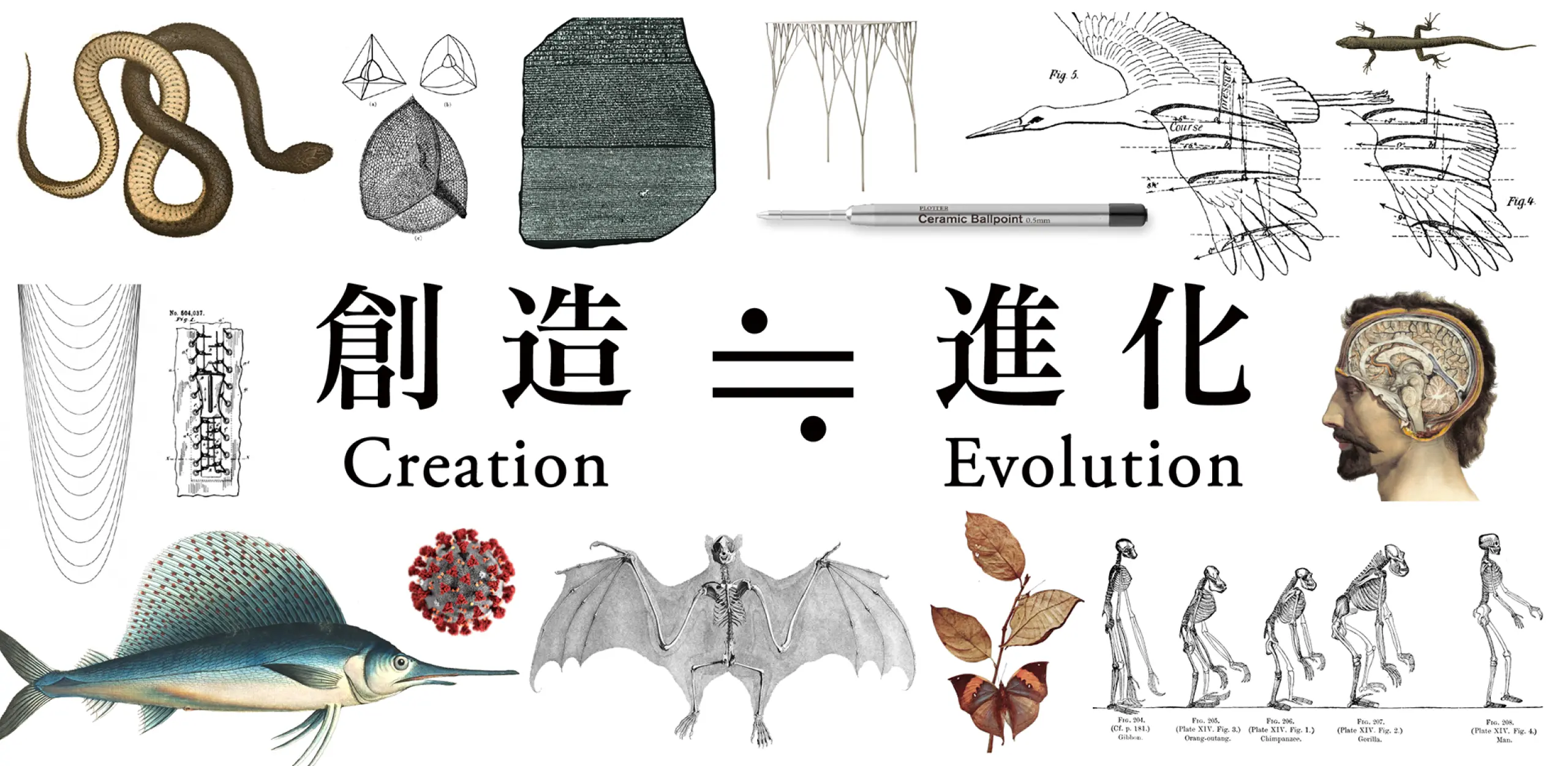

حصل كتاب " الإبداع التطوري " على المرتبة الأولى في تصنيفات كتب الأعمال والاقتصاد في أمازون بعد فترة وجيزة من طرحه للبيع في الطلب المسبق، وتمت إعادة طباعته بسرعة قبل إصداره. ما هي طريقة التفكير الجديدة هذه التي توقظ الإبداع الكامن في داخل كل شخص؟
مواقع ذات صلة /
The Evolution of “Evolutional Creativity” (Updated November 2025)
November 2025: Keynote Speech at the 9th Leadership Summit 2025 in Bangladesh
Eisuke Tachikawa took the stage as a keynote speaker at the “Leadership Summit 2025” held in Bangladesh. Held under the theme “Resilient Leadership – Thriving Amid Uncertainty,” this international conference explored the sustainable and ethical leadership required in a rapidly changing society. Tachikawa delivered a speech on the nature of leadership in addressing social issues and environmental changes from the perspective of Evolutional Creativity.
November 2025: Online Presentation at the 12th Anniversary Commemoration of Typhoon Yolanda
Marking the 12th anniversary of Typhoon Yolanda—which caused some of the worst damage ever recorded in the Philippines—Eisuke Tachikawa spoke at a commemorative event held at Eastern Visayas State University. He delivered an online lecture on “Evolutional Creativity” to approximately 400 participants, sharing creative perspectives on how to confront disasters.
November 2025: Delivered a Special Lecture to Graduate Students at Minerva University
At Minerva University—known for its unique educational model that involves learning while moving between seven cities worldwide and having been selected as “the world’s most innovative university”—Eisuke Tachikawa delivered a special lecture on “Evolutional Creativity” to approximately 20 graduate students majoring in “Decision Science.” Students from diverse backgrounds, including current politicians and corporate leaders, visited the Yokohama studio of NOSIGNER—the firm led by Tachikawa—and the lecture lasted three hours due to a lively Q&A session.
October 2025: Presentation at the “Cities of Design Subnetwork Meeting” Conference Hosted by the UNESCO Creative Cities Network (UCCN)
Eisuke Tachikawa spoke at the “Cities of Design Subnetwork Meeting” hosted by the UNESCO Creative Cities Network (UCCN)—which aims to harness culture and creativity for sustainable urban development—at the Bandung Institute of Technology. He participated in a panel discussion themed “Creative City 2.0,” exchanging views on approaches to creativity based on “Evolutional Creativity” and the future of cities adapting to climate change.
September 2025: Keynote Speech at the International Design Conference (IDC) 2025 in the Philippines
Eisuke Tachikawa delivered a keynote speech at the International Design Conference (IDC) 2025, organized by the Design Center of the Philippines, the government agency responsible for promoting design in the Philippines. Invited as a keynote speaker to the conference, which featured a diverse lineup of speakers including consultants, designers, researchers, and business executives under the theme “Holding the Whole,” he delivered a keynote address on creativity education based on “Evolutional Creativity” and the ideal form of cities adapting to climate change.
July 2025: Received the Highest Academic Award from Bandung Institute of Technology
He was awarded the “GANESA WIDYA JASA ADIUTAMA Award,” the highest academic honor bestowed by the Bandung Institute of Technology (ITB) in Indonesia for outstanding contributions to knowledge and education. This prestigious award is granted to only two individuals following a rigorous selection process from candidates nominated by each faculty; he was selected based on a nomination from the Faculty of Art and Design (FSRD).
November 2024: Publication of the Indonesian Edition of *Evolutional Creativity*
The Indonesian edition of the book *Evolutional Creativity* was published by the Indonesian publishing house “SiMPUL” under the supervision of the Bandung Institute of Technology (ITB), one of Indonesia’s leading universities.
Additionally, to commemorate the book’s publication, an exhibition and commemorative lecture were held at the ITB Design Center, and an exhibition and workshop were also held at the Jakarta art space “
April 2024: 3rd Anniversary of the Publication of “Evolutional Creativity”
“Evolutional Creativity,” systematized by its proponent, Eisuke Tachikawa, after years of exploration, has continued to evolve even today, having received a wide range of feedback—including support, encouragement, criticism, and suggestions—from many people since the first edition of the book was published.
Furthermore, a reader community formed by over 100 enthusiastic readers remains actively engaged, and the principles of Evolutional Creativity are being put to practical use in the work and daily lives of its practitioners.
March 2024: Lecture at the Ministry of Economy, Trade and Industry for Stanford Business School Students
Tachikawa delivered a lecture on Japanese design and Evolutional Creativity to approximately 30 students and faculty members from Stanford Graduate School of Business at the Ministry of Economy, Trade and Industry. This lecture was part of the school’s study tour to Japan, a program designed to explore the relationship between Japan’s rapid economic growth and design, as well as the current state of startups.
December 2023: Publication of *Evolutional Creativity [Expanded and Revised Edition]*
With biological supervision provided by evolutionary biologist Masaki Kawata (Professor by Special Appointment to the President at Tohoku University),
October 2023: Paper Presentation at the World Design Assembly International Conference
At the
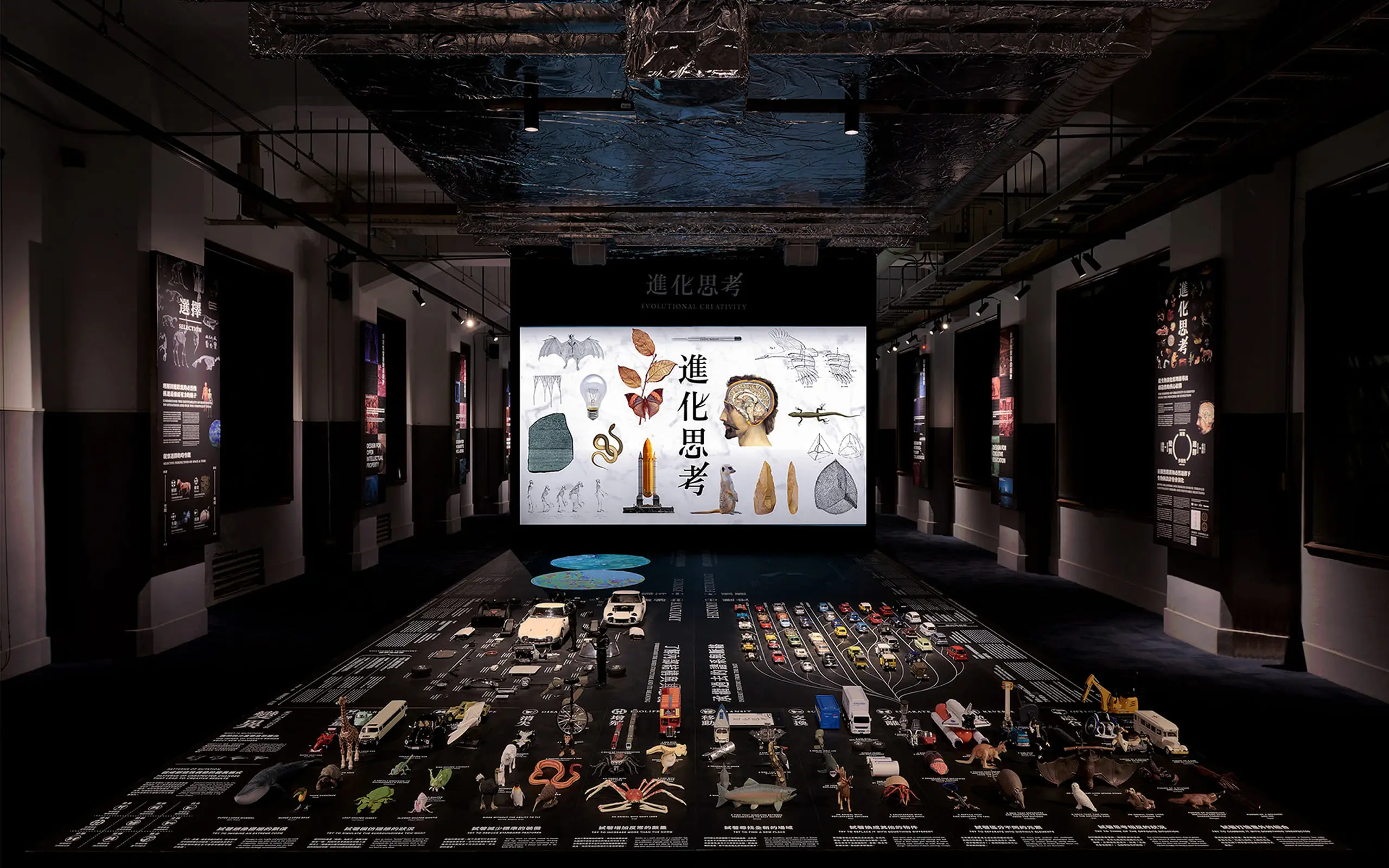
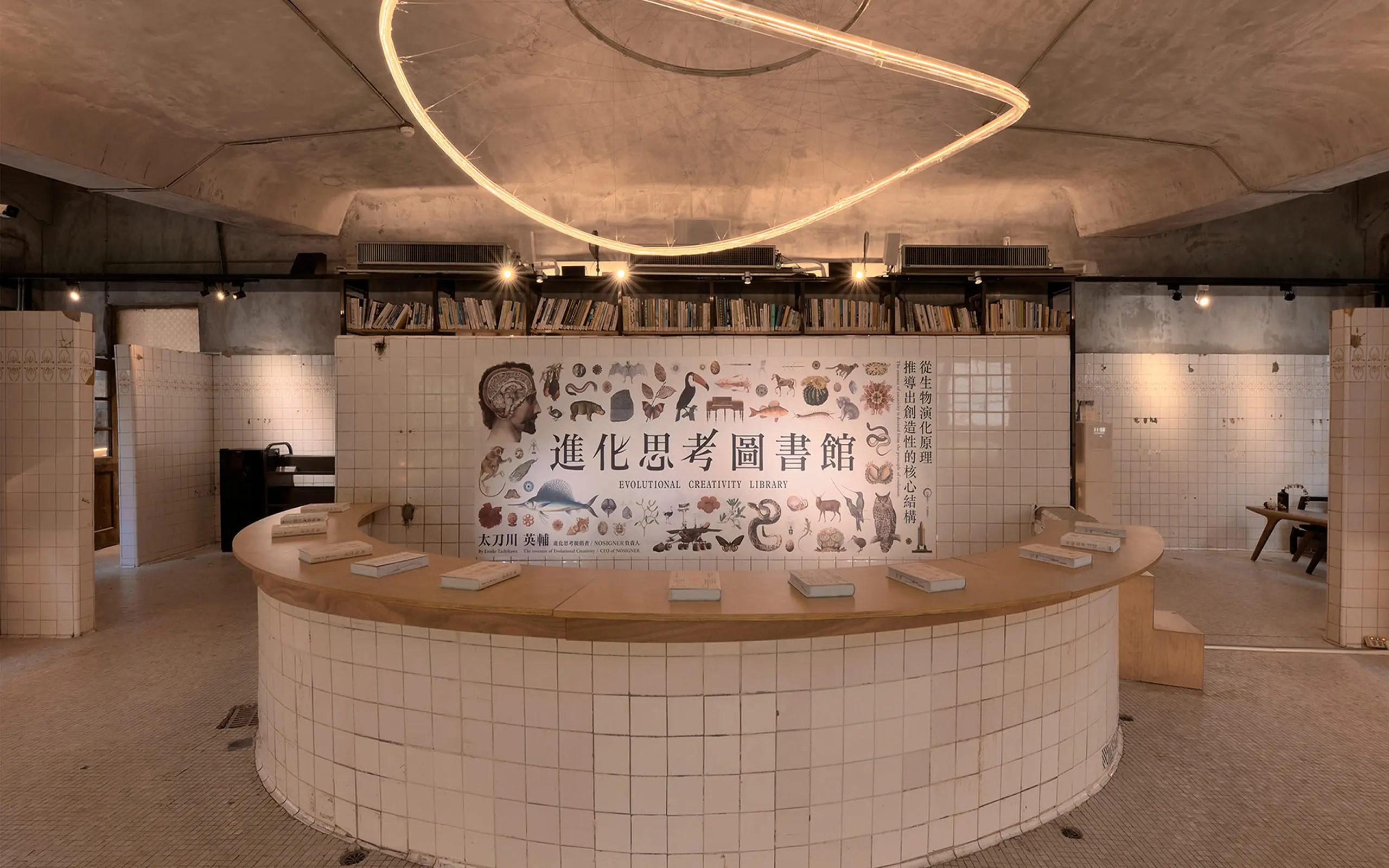
September 2023: Exhibition Held at the Taiwan Design Museum
Coinciding with the publication of the Taiwanese edition of the book *Evolutional Creativity*, an exhibition by NOSIGNER titled
September 2023: Publication of the Taiwanese Edition of “Evolutional Creativity”
Following the Korean edition, the
June 2023: Publication of the Korean Edition of “Evolutional Creativity”
The
May 2023: Presentation at a Conference Hosted by UNESCO-MGIEP
Tachikawa was invited to speak at the conference “Education for Flourishing in a Mixed Reality,” organized by UNESCO-MGIEP (the United Nations Educational, Scientific and Cultural Organization’s Mahatma Gandhi Institute of Education for Peace and Sustainable Development), which brought together renowned scholars, researchers, teachers, policymakers, and representatives from the private sector from around the world. He delivered a presentation on “Evolutional Creativity” during the “Design Thinking and Creativity in Education” session. This conference was also the first international conference based on the Sustainable Flourishing Goals.
March 2023, August 2023: Lecture at the Bandung Institute of Technology (ITB), Indonesia
Tachikawa delivered a lecture on Evolutional Creativity at the Bandung Institute of Technology (ITB), Indonesia’s premier institution of higher learning. Due to the positive reception of this content, it was decided to publish an Indonesian-language edition of “Evolutional Creativity.” Following the
March 2023: Chaired the “Thinking About the Future of Higher Education” Forum
Eisuke Tachikawa served as chair of the “Thinking About the Future of Higher Education” forum, organized by the Benesse Educational Research Institute, where members engaged in cutting-edge educational practices discussed the future of university education. After four rounds of roundtable discussions with committee members, a proposal outlining a vision for university education that envisions a hopeful future was compiled. Under the new educational guiding principle, “
November 2022: Received the “Shu Yamaguchi Award” at the Pen Creator Awards
Eisuke Tachikawa received the “Shu Yamaguchi Award” at the “
November 2022: Appeared in an NHK program for a dialogue with anatomist Takeshi Yoro
He appeared alongside anatomist Takeshi Yoro on the popular NHK program “Switch Interview,” in which two people working in different fields visit each other’s workplaces and conduct a dialogue while “switching” between the roles of speaker and listener. In the second part of the program, I invited Dr. Yoro—who has spent nearly 60 years since his student days exploring “the forms of living things”—to the NOSIGNER studio. While introducing the concept of “Evolutional Creativity,” I spoke about my work as a designer who has pursued form through various approaches.
June 2022: Project to Launch Revised Edition of
A project to publish a revised edition has begun, aiming to further refine the book as a method of creative thinking and accurately incorporate scientific insights. For this revision, we invited Professor Masaki Kawata, a professor on special assignment to the President at Tohoku University and an expert in evolution and ecology, to serve as supervising editor, accompanying the evolution of the “Evolutional Creativity” book. A new book by Professor Kawata explaining evolutionary biology was recently published, so please take a look at that as well.
For the author as well, this was an invaluable opportunity to deeply re-learn evolutionary biology from such a distinguished expert as Professor Kawata.
May 2022: Dialogue with Nobel Laureate Dr. Akira Yoshino
At an event commemorating Asahi Kasei’s 100th anniversary, I had the honor of engaging in a dialogue with Dr. Akira Yoshino (Asahi Kasei Honorary Fellow), the inventor of the lithium-ion battery and Nobel Laureate in Chemistry. The video of Tachikawa’s lecture on “Evolutional Creativity” and his dialogue with Dr. Yoshino was streamed to approximately 40,000 Asahi Kasei Group employees. This event not only fulfilled Tachikawa’s long-held wish to engage in a dialogue with Dr. Yoshino but also served as an opportunity to convey the message to everyone at Asahi Kasei that “it is the ‘curiosity’ and ‘knowledge’ of each individual that enriches imagination and shapes the next 100 years.”
March 2022: Appeared on NHK E-Tele’s “Night of Radical Modifications: Engineer Training School”
Eisuke Tachikawa appeared as a “Design (Creation) Instructor” on NHK E-Tele’s popular program “Night of Radical Modifications: Engineer Training School.” With the theme of “Magic Modification of a Blender,” he led a brainstorming workshop to create a “blender that shoots juice far away,” introducing the nine “mutation” patterns from “Evolutional Creativity” as hints for generating ideas.
February 2022: Received a Special Award at the “IT Engineer Book Awards 2022”
In the business book category of the
2022–2023: Adopted in School Entrance Exam Questions
Excerpts from *Evolutional Creativity* were adopted as material for entrance exams at several schools, including as a topic for the Japanese language entrance exam at Doshisha University.
November 2021: Winner of the Yamamoto Shichihei Prize
We received the
While “Evolutional Creativity” has garnered attention as a method for fostering innovators and driving innovation, winning this prestigious Japanese academic award—whose selection committee includes anatomist Takeshi Yoro, evolutionary biologist Mariko Hasegawa, economist Motoshige Ito, political scientist Terumasa Nakanishi, and legal scholar Shuji Yagi—has allowed it to gain recognition from an academic perspective as a new way of thinking that unravels creativity from an evolutionary viewpoint.
April 2021: Publication of the book *Evolutional Creativity*
We published this book with the aim of conveying the concepts and methodology of Evolutional Creativity to a wide audience, including the business sector, and encouraging its application to idea generation across all fields, such as business development, design, and art.
Packed with a wealth of photographs and illustrations on biological evolution and human creativity, as well as 50 “Evolutional Creativity Works” that readers can practice while reading, this book—which comprehensively covers the concepts and practical methods of Evolutional Creativity—became a bestseller. The Evolutional Creativity methodology has spread to major corporations and educational institutions and has even been adopted in entrance exams for universities and high schools.
“Evolutional Creativity” is a concept that Tachikawa had been nurturing for many years prior to the book’s publication in 2021. Below is a summary of the journey leading up to the publication of *Evolutional Creativity*.
2021: Collaboration with NHK’s TV Program “The Direxon”
We collaborated on a project for NHK’s TV program
August 2020: “School of Evolution” Launches
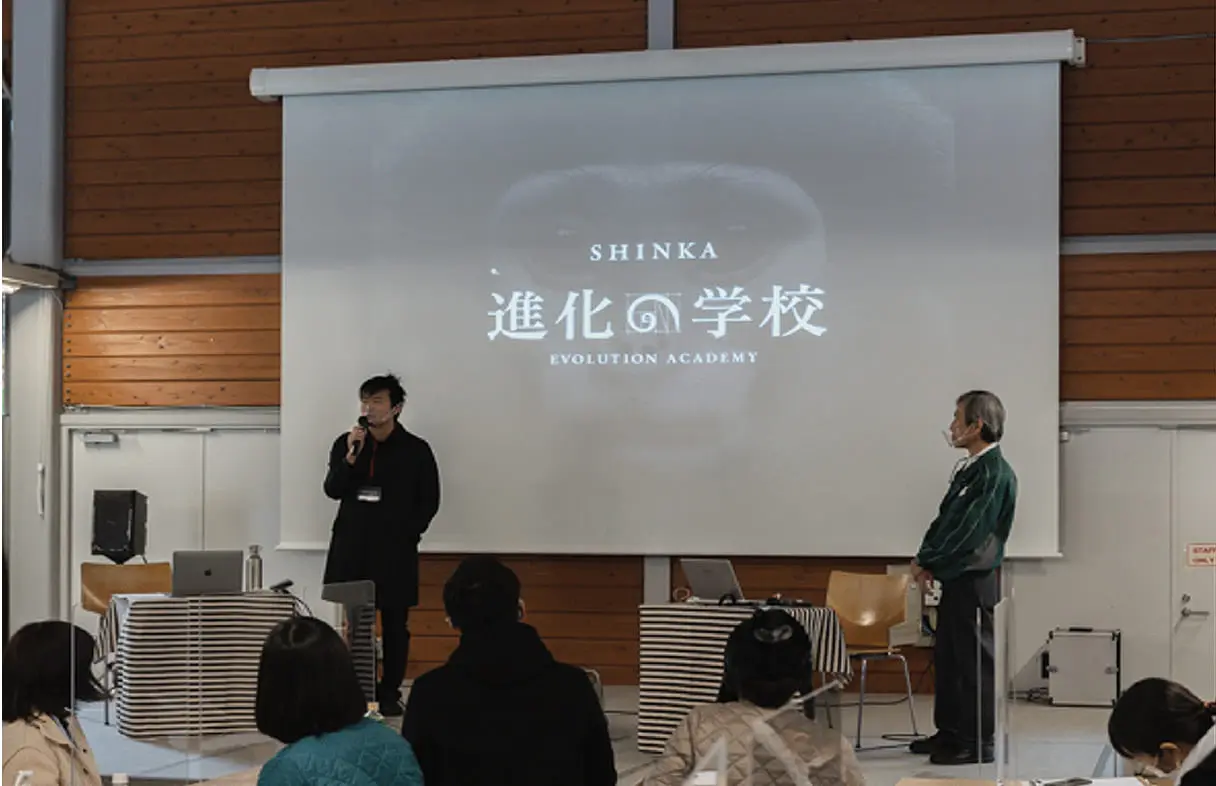
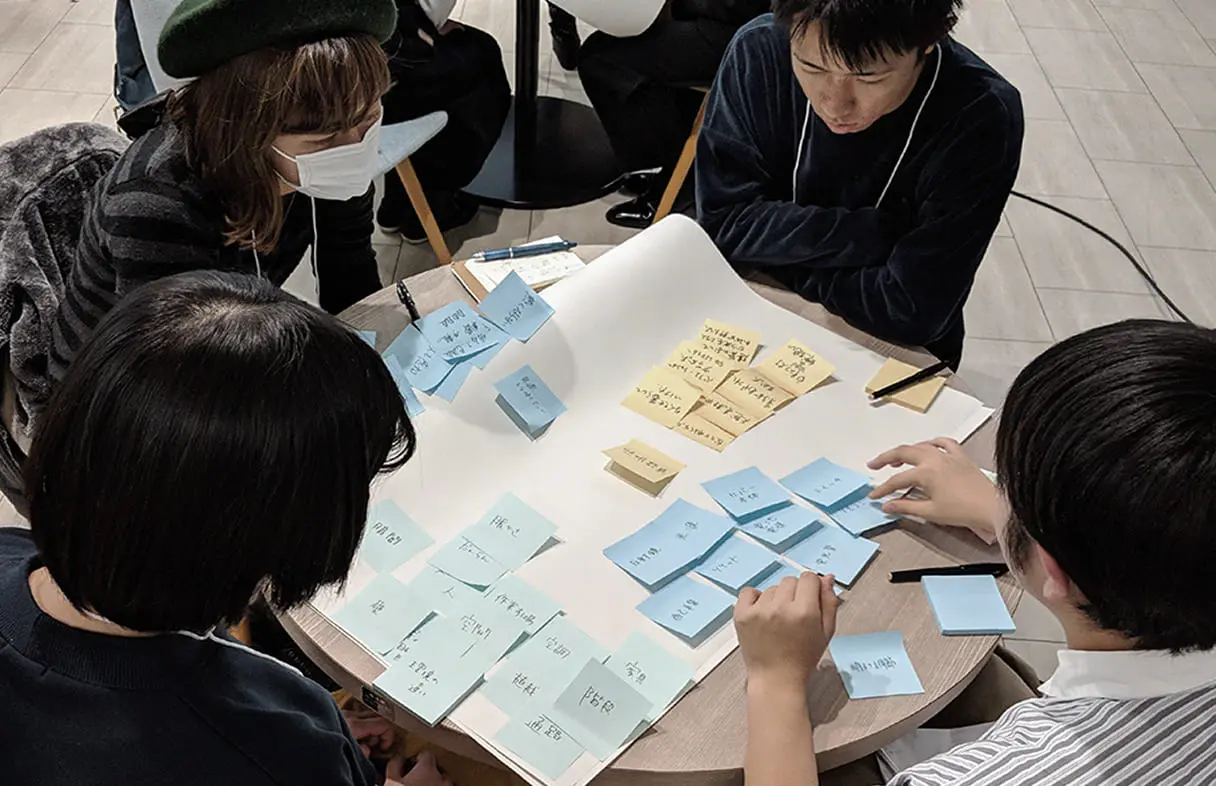
An online course was launched through the voluntary efforts of Takashi Yamada and other members who had studied Evolutional Creativity. The “School of Evolution” began as a course designed to plant the seeds of creativity across various sectors of society. This school is a training program that helps participants refine new ideas for business creation through lectures and workshops on Evolutional Creativity.
The “School of Evolution” has attracted a diverse group of participants, including corporate executives, employees aiming to drive innovation, and school teachers and public servants seeking to engage in creative practice. To date, the program has produced approximately 1,000 graduates.
The program is offered to a wide range of participants, from corporations and organizations to individuals, and is utilized for product development and human resource development. Many graduates continue to meet weekly to explore creativity education through Evolutional Creativity.
2019: Began writing the book *Evolutional Creativity*
After meeting Mr. Abe and Mr. Harada at “Kokuri! Camp,” they decided to launch the publishing house “Ami no Kaze” in Ami Town, Shimane Prefecture. They approached me with the idea of making *Evolutional Creativity* their first book, and thus began a three-year writing process.
September 2018: Paper on “Evolutional Creativity” Published in *DIAMOND Harvard Business Review*
A paper of approximately 10,000 characters summarizing the overview of “Evolutional Creativity” was published in
2018: Launch of the “Evolutional Creativity” Workshop
Having gained many insights through the exhibition, Tachikawa developed “The Grammar of Design” and launched “Evolutional Creativity,” a workshop designed to learn the creative process from biological evolution. At the first workshop held at “Cocri! Camp”—a gathering of leaders and experts from various sectors and fields—he met Takashi Yamada, who would later launch “The School of Evolution”; Yuji Abe, the publisher of *Evolutional Creativity*; and Eiji Harada of Eiji Publishing. Subsequently, the workshop was held at various companies, and “Evolutional Creativity” began to be adopted as an innovation methodology.
September 16–October 31, 2016: Exhibition “No-Designer: Form and Reason”
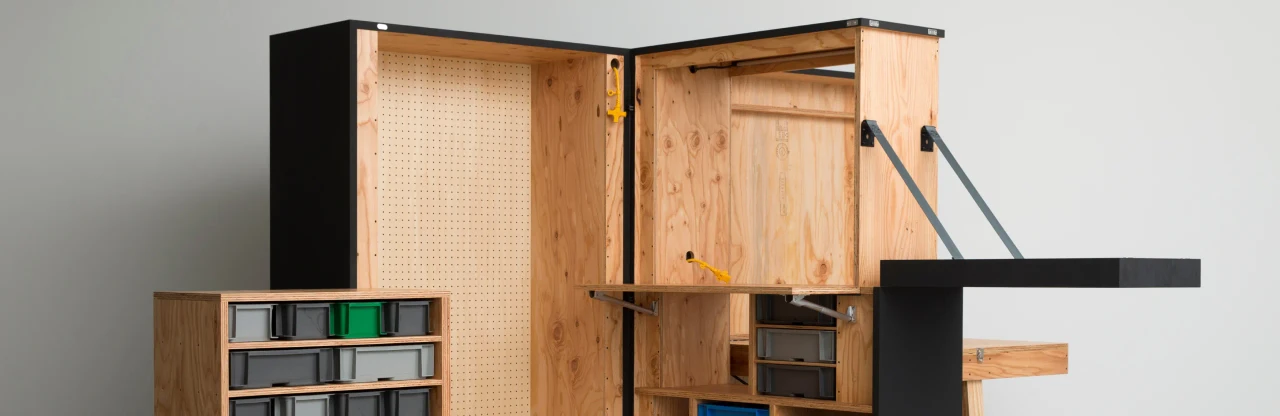
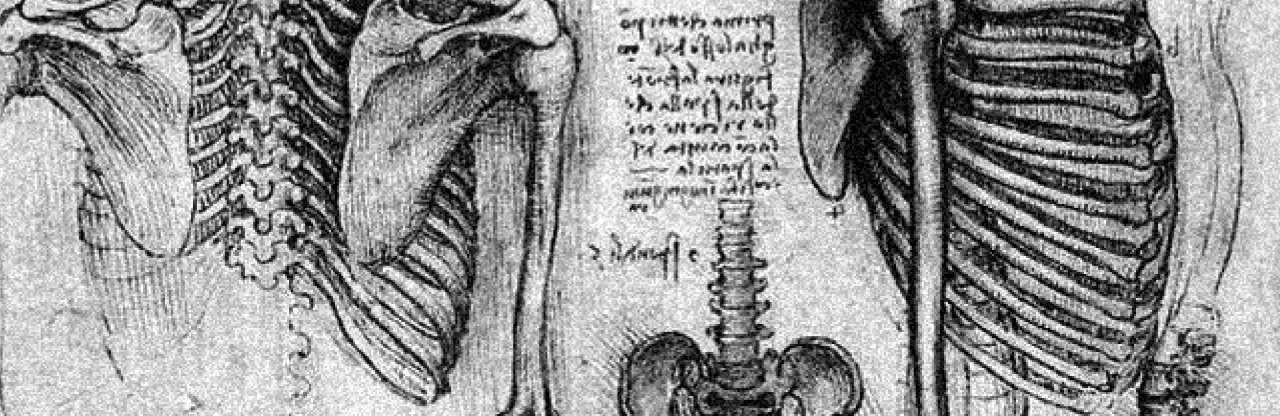
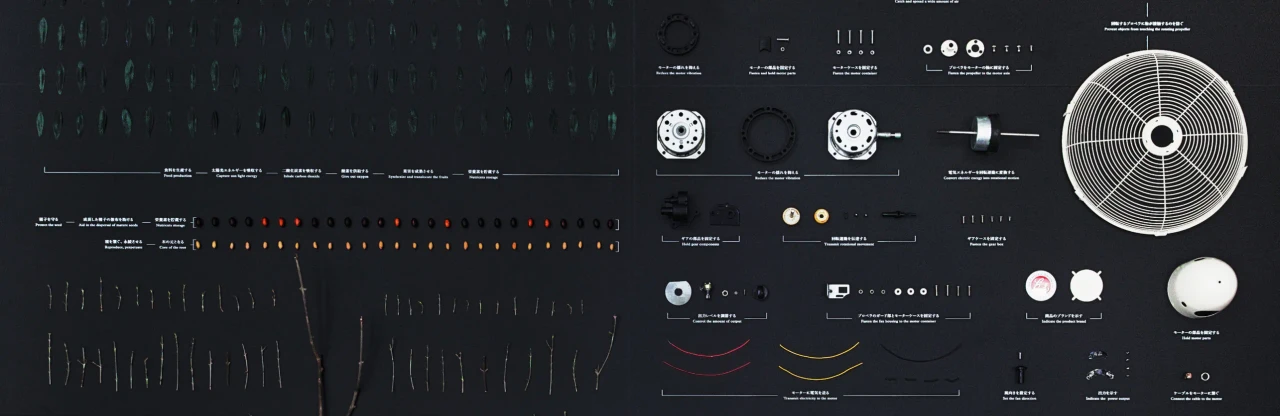
Tachikawa, who had become interested in the creativity of natural forms—which possess no language—that surpasses that of humans, began exploring the commonalities between biological evolution and human creativity. In the exhibition “No-Designer: Form and Reason,” held at the Ginza Graphic Gallery (ggg), he presented works that contrasted evolution and creation, delving into the reasons behind forms and methods for conceiving design.
2012 Began teaching the course “The Grammar of Design”
After entering the workforce and fully committing to his career as a designer, Tachikawa began teaching “The Grammar of Design” at Musashino Art University, a course that expanded upon the content of his master’s thesis. The course, which later expanded to include sessions for working professionals, gained a strong reputation, leading to its adoption at the University of Tokyo’s i.school and its application in innovation initiatives at various companies.
2006: Wrote Master’s Thesis “Linguistic Cognition of Design”
The origins of Evolutional Creativity lie in Tachikawa’s master’s thesis, “Linguistic Cognition of Design,” which he completed while studying architecture as a graduate student. Focusing on the process by which ideas and concepts emerge—a topic he had long been interested in—the thesis examined this process from a linguistic perspective, based on the assumption that language serves as the trigger for inspiration.

INFORMATION
- What
- Evolutional Creativity
- When
- 2016-
- Where
- Japan
- Scope
- Branding / Branding Strategy / Logo / Edition / Business card / Motion logo / Promotional items / Infographics / Photograph / Book cover and inner page design / Exhibition / Poster / Concept Development
- Award
- The 30th Shichihei Yamamoto Prize2021
- ITB GANESHA WIDYA JASA ADIUTAMA2024
- SDGs



CREDIT
- Inventor
- Eisuke Tachikawa
- Thanks
Amanokaze (kazetotuchito Inc. ),Eiji Press Inc. , NOSIGNER staffs,Ginza Graphic Gallery , Yuichi Hisatsugu, Kunihiko Sato